Best Post-Op Knee Braces in 2026: Comparing Options for Maximum Protection and Faster Recovery
Best Post-Op Knee Braces in 2026: Comparing Options for Maximum Protection and Faster Recovery
Recovering from surgery can feel overwhelming, especially when your knee hurt limits movement and daily life. Choosing the right post-op brace can reduce knee pain, protect healing tissues, and help you regain confidence step by step.

Key Takeaways
| Question | Answer |
|---|---|
| What is the best brace after knee surgery? | It depends on your injury type. For example, ACL recovery often requires a hinged brace. Learn more about ACL injury knee braces. |
| Do braces reduce knee pain after surgery? | Yes, they stabilize the joint and limit harmful movement, helping reduce knee pain. Explore common knee pain causes. |
| Which injuries require post-op braces? | Ligament injuries, meniscus tears, and trauma often need braces. See ligament knee injuries. |
| Are braces needed for meniscus surgery? | Many patients benefit from controlled-motion braces. Read about torn meniscus recovery. |
| What about PCL injuries? | PCL braces provide posterior support. Learn more about PCL injuries. |
| Can braces help cartilage problems? | Yes, especially in conditions like chondromalacia patella. |
| Where can I learn full recovery strategies? | Read our complete knee pain guide. |
1. Why Post-Op Knee Braces Matter for Recovery
After surgery, your knee becomes vulnerable to instability and reinjury. A post-op brace provides structure while tissues heal.
We focus on helping you protect your knee while restoring movement safely. The right brace can prevent setbacks and reduce long-term knee pain.
In 2026, modern braces are lighter, more adjustable, and designed for specific surgical needs. This makes choosing the right one more important than ever.


2. Types of Post-Op Knee Braces Explained
Not all braces are the same. Each type supports a specific stage of recovery and level of protection.
The most common categories include:
-
Hinged braces for controlled motion
-
Immobilizers for complete rest
-
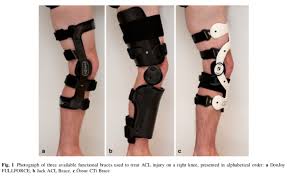
Functional braces for gradual return to activity
Choosing the wrong type can increase knee pain or delay healing.


3. Key Features to Compare in 2026 Knee Braces
Modern braces now include advanced adjustability and lightweight materials. These features directly impact comfort and protection.
We recommend focusing on:
-
Range-of-motion settings
-
Padding and comfort
-
Weight and breathability
-
Ease of adjustment
These factors determine whether your brace supports recovery or adds frustration.
This infographic highlights four key features to compare when choosing post-op knee braces for maximum protection. Use these criteria to select a brace that supports safe recovery and daily activity.


4. Hinged Knee Braces vs Immobilizers
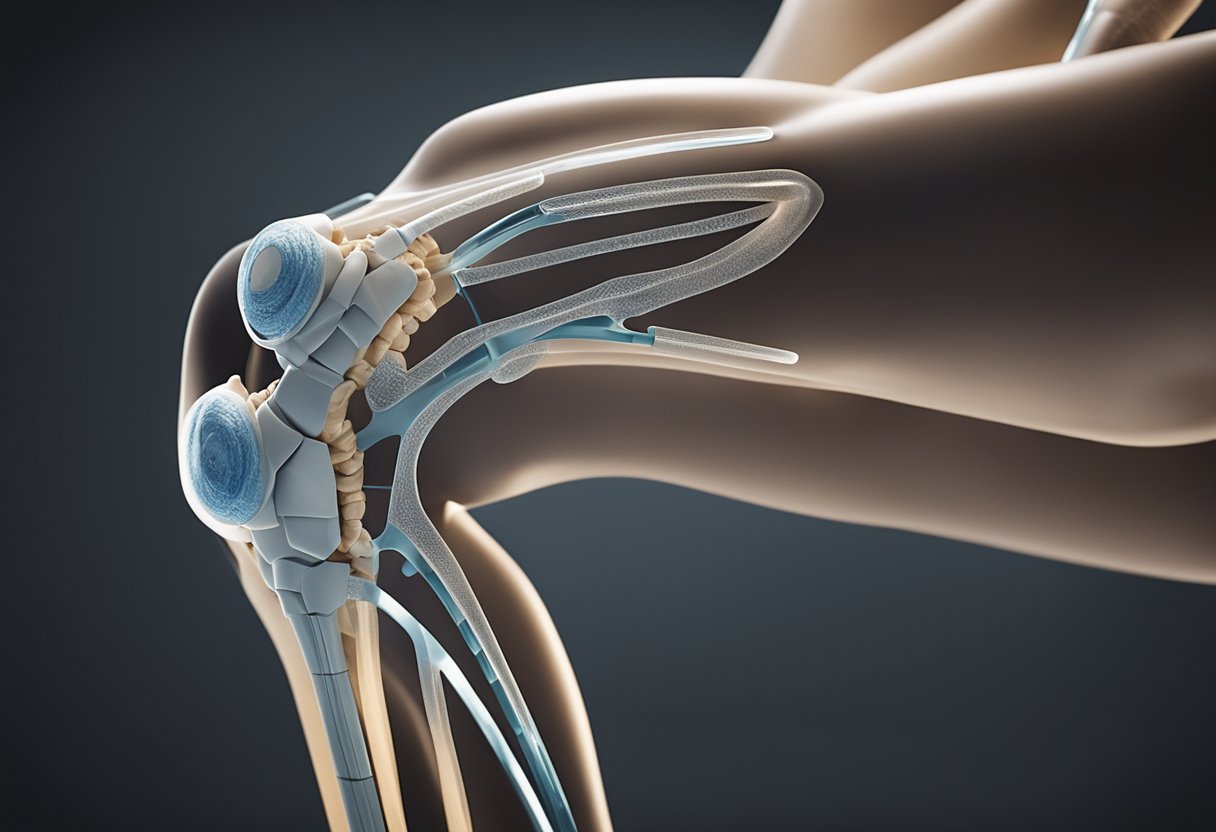
Hinged braces allow controlled bending, which is essential after many surgeries. Immobilizers keep the knee completely straight.
We often see hinged braces used for ligament repair, while immobilizers are used immediately after trauma.
| Brace Type | Best For | Mobility |
|---|---|---|
| Hinged | ACL, PCL, ligament repair | Controlled |
| Immobilizer | Immediate post-surgery | None |
5. Best Braces for ACL and Ligament Surgery
ACL injuries are among the most common reasons for surgery. These require braces that stabilize forward and rotational movement.
PCL and multi-ligament injuries need additional posterior support to prevent instability.
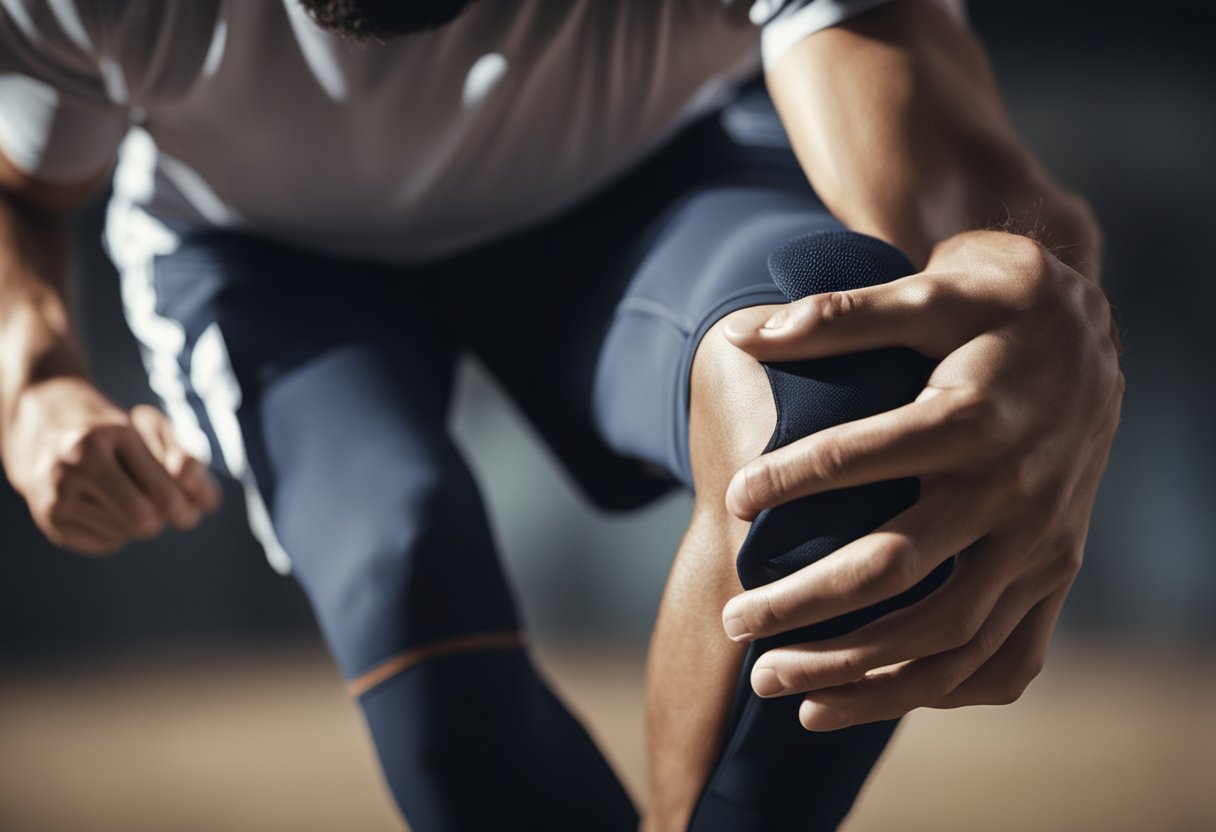
If your knee hurt after ligament repair, your brace should limit excessive motion while allowing gradual strengthening.


6. Post-Op Braces for Meniscus Surgery
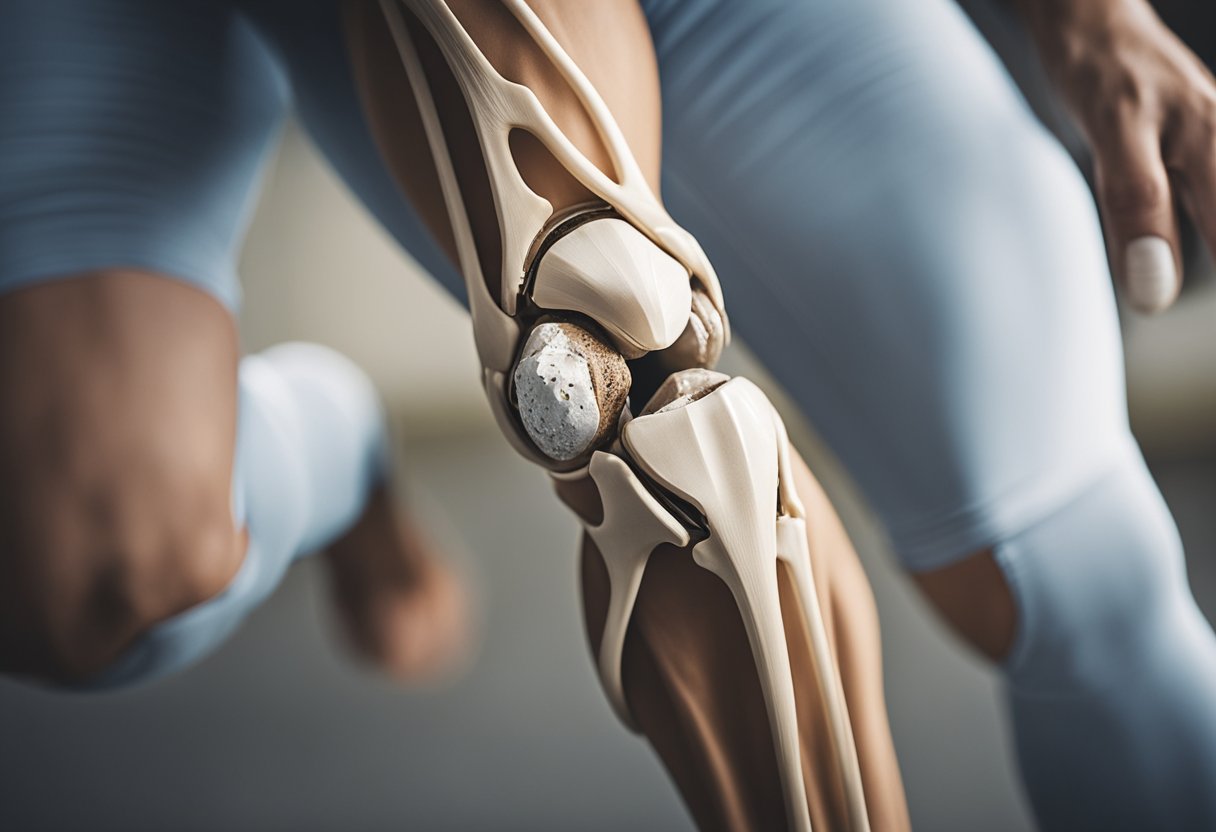
Meniscus repairs often require limited bending during early recovery. A brace helps control how far the knee moves.
We typically recommend adjustable braces that gradually increase range of motion over time.
This approach protects the healing cartilage while reducing knee pain during movement.

7. Bracing After Traumatic Knee Injuries
Traumatic injuries often involve multiple structures in the knee. These cases require maximum protection and stability.
We recommend rigid braces with strong side supports and secure strapping systems.
Severe trauma increases the risk of reinjury, so brace selection becomes critical for safe recovery.


8. Comfort vs Protection: Finding the Right Balance
A brace that feels uncomfortable will not be worn consistently. Comfort matters just as much as stability.
In 2026, many braces use breathable fabrics and ergonomic designs. These reduce skin irritation and improve daily wear.
-
Soft padding reduces pressure points
-
Adjustable straps improve fit
-
Lightweight materials support longer use


9. Common Mistakes When Choosing a Knee Brace
Many people choose braces based on price or appearance alone. This often leads to poor support and prolonged knee pain.
Avoid these mistakes:
-
Choosing the wrong size
-
Ignoring medical advice
-
Using a brace too early or too late
We encourage careful selection based on your specific knee condition.


10. When to Stop Using a Post-Op Brace
Your recovery will progress over time. Eventually, your knee regains strength and stability.
We recommend following your healthcare provider’s timeline. Removing a brace too early can cause setbacks.
Gradual transition away from the brace helps maintain protection while restoring full movement.


Conclusion
Choosing the right post-op brace is one of the most important decisions after knee surgery. It directly affects how your knee heals and how quickly you return to normal life.
We aim to help you understand your options clearly so you can reduce knee pain and protect your recovery. With the right brace and guidance, you can move forward with confidence and stronger knee health.