Top 5 Hinged Knee Braces for ACL Support in 2026 (What Actually Helps Your Knee Pain)

Top 5 Hinged Knee Braces for ACL Support in 2026 (What Actually Helps Your Knee Pain)

Did you know that a 2025 meta-analysis of 785 patients found no meaningful long-term difference between bracing and not bracing after ACL surgery? That makes choosing the right hinged knee brace in 2026 less about hype and more about smart, situation-specific support for your knee.

Blog illustration

Key Takeaways

Question Answer
Do hinged knee braces help ACL injuries? They can improve stability during movement, especially early rehab. Learn more in our ACL injury brace guide.
Can a brace reduce knee pain? Yes, especially by limiting unsafe motion. Explore knee pain causes and solutions.
Are braces always necessary after ACL surgery? No. Evidence shows mixed results depending on rehab approach.
What injuries benefit most? ACL, ligament instability, and complex injuries like ligament knee injuries.
Can braces help other conditions? Yes, including meniscus tears and PCL injuries.
Where should beginners start? Start with our complete knee pain guide.

What Is an ACL Injury and Why Your Knee Needs Support

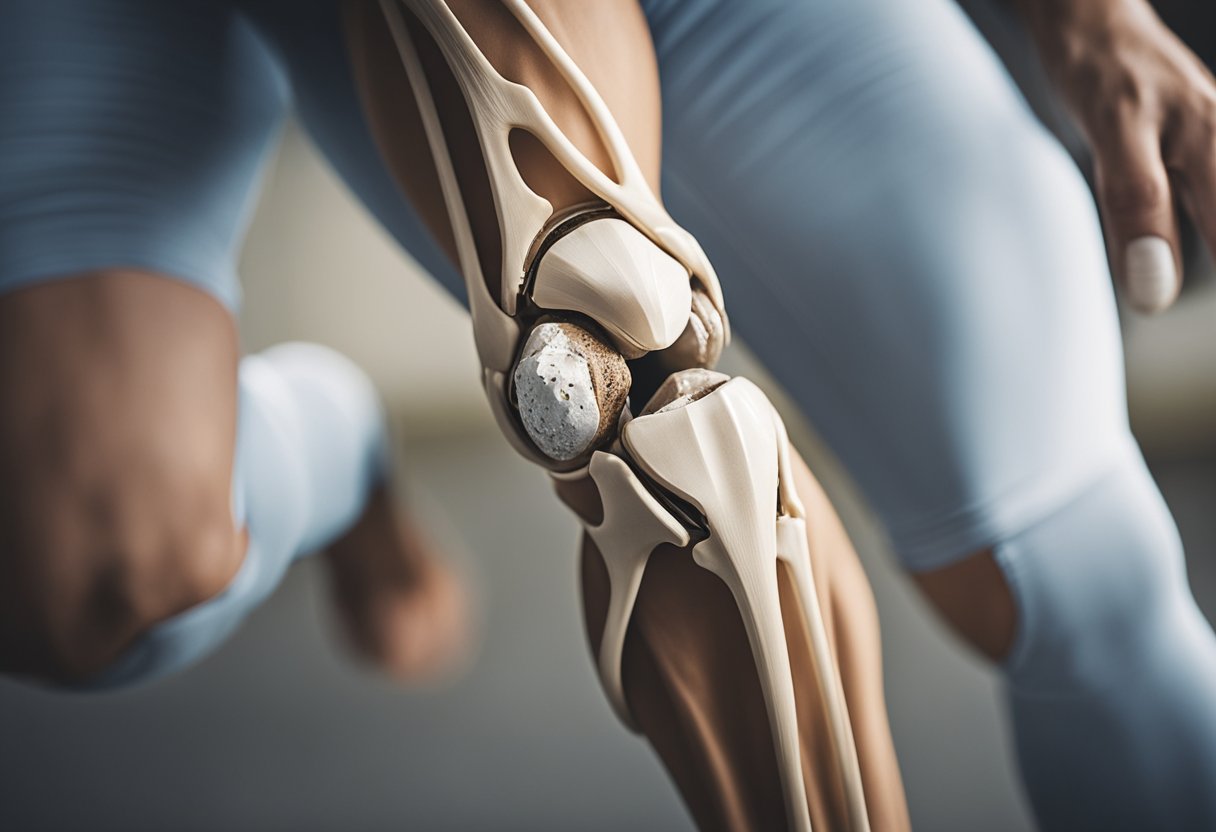
The ACL stabilizes forward and rotational movement in your knee. When it is injured, even simple movements can cause knee pain or instability.

We often see people underestimate how much support the knee needs during recovery. That is where hinged knee braces play a key role.


 

ACL injuryACL brace


Blog illustration

How Hinged Knee Braces Work for ACL Support

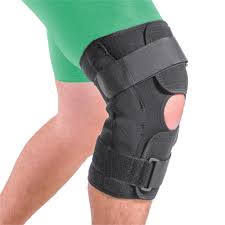
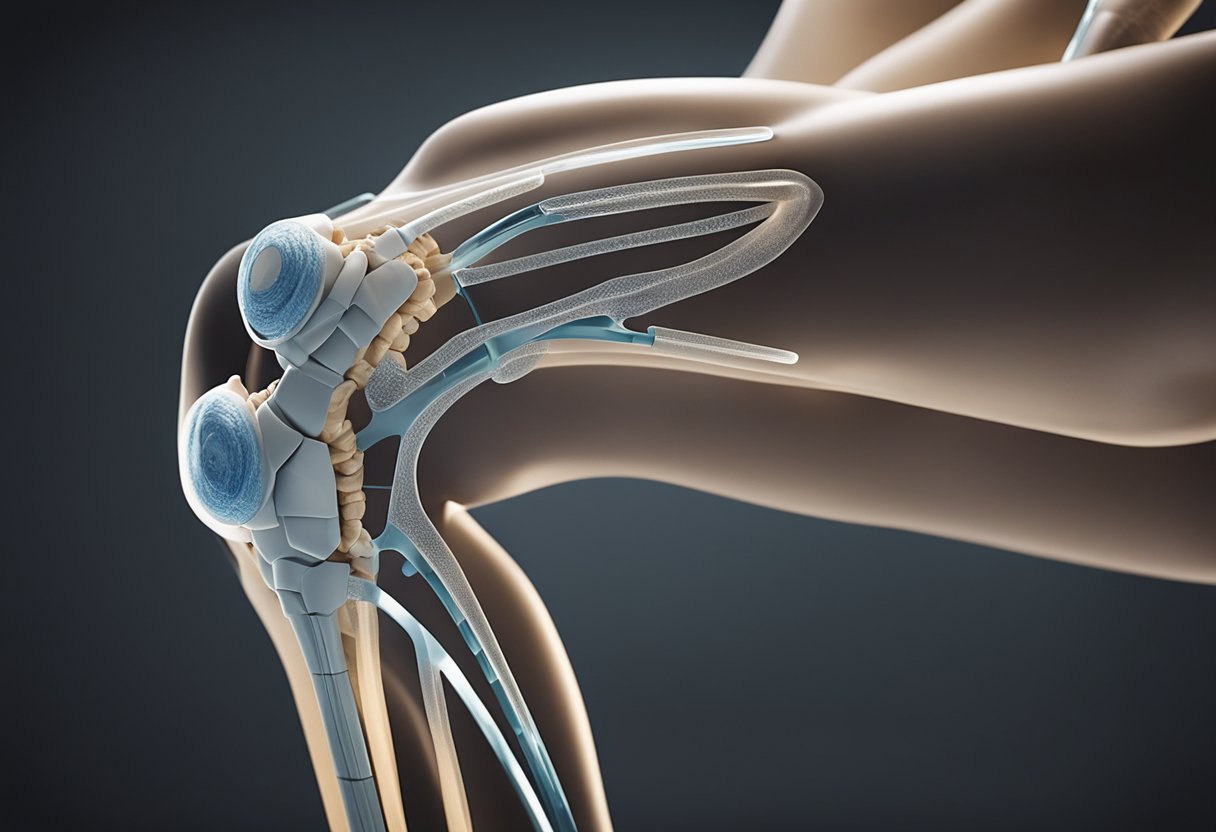
Hinged braces use metal or composite joints to guide knee motion safely. They prevent excessive rotation that can worsen an ACL injury.

Most designs in 2026 include four-point leverage systems and anti-slip straps. These features reduce strain on the knee during walking or sport.
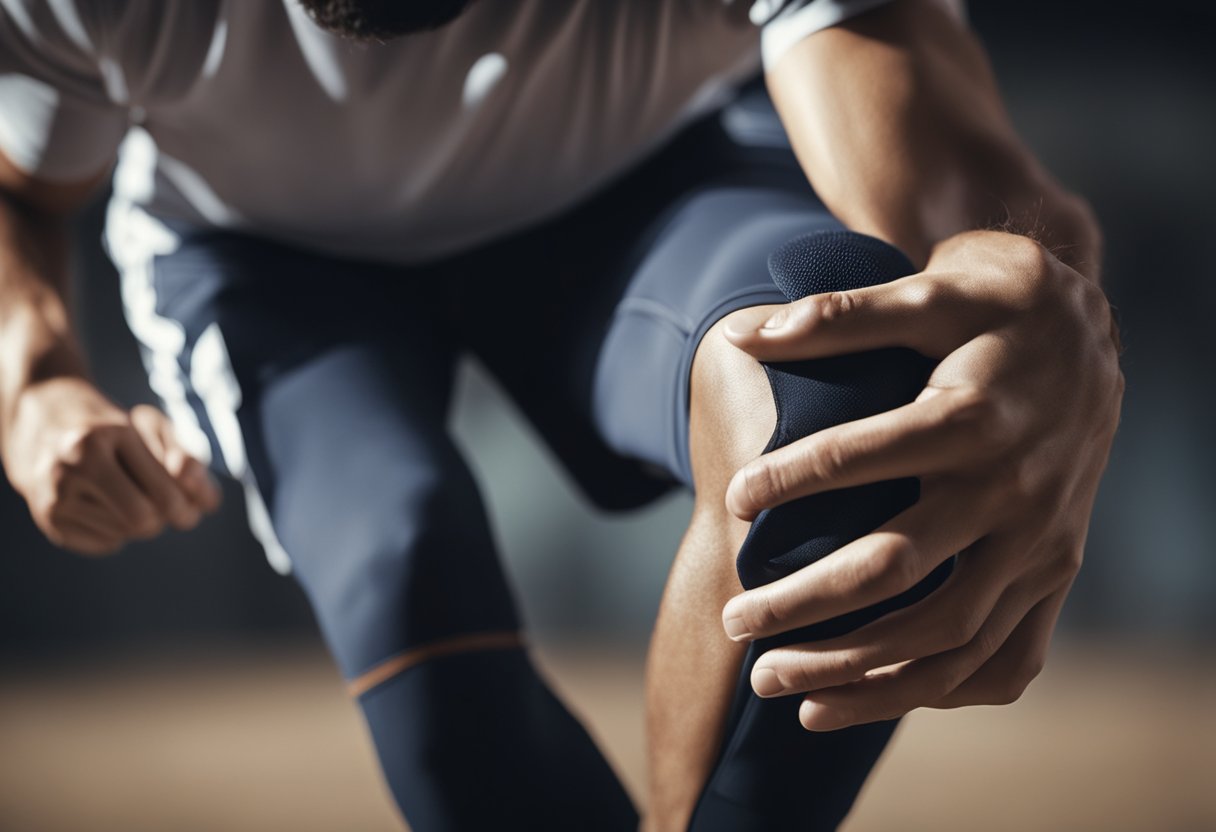
 

Ligament injuryKnee ligament support


Top 5 Hinged Knee Braces for ACL Support 2026

1. DonJoy Armor ACL Knee Brace

This brace is built for high-impact sports and serious instability. It uses a rigid frame and strong hinge system.

  • Best for athletes

  • Strong ligament protection

  • Price range: $300–$700

2. Breg Fusion Knee Brace

The Breg Fusion balances comfort and control. It is lighter than many rigid braces.

3. Össur CTi Ligament Brace

This model focuses on durability and custom fit. Many professionals recommend it for long-term use.

4. DonJoy Deluxe Hinged Knee Brace

A more affordable option for moderate knee pain and recovery. Good for daily wear.

5. McDavid 429X Hinged Brace

This brace is budget-friendly and widely available. It works well for mild ACL support needs.

Infographic

A quick visual guide comparing the top hinged knee braces for ACL support in 2026.

Blog illustration

Key Features to Look for in 2026 Knee Braces

Not all braces are equal. Focus on features that directly impact knee stability and comfort.

  • Dual hinges for stability

  • Adjustable straps for fit

  • Breathable materials

  • Range-of-motion stops

These features help reduce knee hurt during movement and daily activity.

Did You Know?

Hinged knee braces can reduce rotational forces on the ACL during movement, potentially lowering strain in high-risk positions.

Source: Clinical Biomechanics

When You Should Use a Hinged Knee Brace

We recommend braces during early rehab, return-to-sport phases, or unstable knee conditions. They are especially helpful when your knee feels like it may “give out.”

They are also useful for conditions like chondromalacia patella and combined injuries.

 

Knee conditionPatella pain


Blog illustration

When a Knee Brace May Not Help

Braces are not a cure. They do not rebuild ligaments or replace proper rehab.

In some cases, over-reliance can limit muscle recovery. This is especially important for athletes returning to full activity.

Did You Know?

Return-to-sport rates after ACL surgery were not significantly different between people who used a brace and those who did not.

Source: Asia Pac J Sports Med

Comparing Hinged Knee Braces Side by Side

Brace Best For Price
DonJoy Armor High-impact sports $300+
Breg Fusion Comfort + stability $200+
Össur CTi Custom fit $500+
DonJoy Deluxe Daily wear $100+
McDavid 429X Budget support $66.99


Meniscus injuryKnee injury


Blog illustration

Tips to Reduce Knee Pain While Using a Brace

Using a brace correctly matters as much as choosing the right one. Poor fit can increase knee hurt instead of helping.

  1. Adjust straps evenly

  2. Avoid over-tightening

  3. Combine with strengthening exercises


Exercise kneeMobility exercise


Common Mistakes People Make with Knee Braces

Mistake #1: Wearing it all day without guidance. Your knee needs movement and strength training too.

Mistake #2: Choosing the cheapest option without considering stability needs.

 

Traumatic kneeKnee trauma


Blog illustration

How to Choose the Right Hinged Knee Brace

We recommend matching your brace to your activity level and injury severity. A mild knee pain case does not need a rigid sports brace.

Focus on fit, comfort, and level of support rather than brand alone.

 

PCL injuryKnee support brace


Conclusion

Hinged knee braces remain a useful tool in 2026, but they are not a one-size solution. The right brace can reduce knee pain, improve stability, and support recovery when used correctly.

We always recommend combining brace use with proper rehab and professional guidance to protect your knee long term.

Medical disclaimer: This article is for general information only and is not medical advice, diagnosis or treatment. Always talk to your doctor or a qualified health professional about knee pain or an injury. Get urgent care for severe pain, a knee you cannot put weight on, sudden major swelling, or a hot, red knee with fever. Read our full disclaimer.
Mokhtar Sahraoui

About the author: Mokhtar Sahraoui

Mokhtar Sahraoui is the founder and editor of Knee Hurt. He researches and writes practical, easy-to-understand guides on knee pain, knee injuries, arthritis and recovery, based on trusted medical sources. Knee Hurt articles are general information and are not a substitute for advice from your doctor or physical therapist.

Similar Posts

  • Knee Pain at Night: How to Sleep Comfortably

    Stopping Nighttime Knee Pain: A Complete Guide Knee pain at night can disrupt sleep due to a complex interplay of physiological and mechanical factors that intensify during rest. While many assume that nighttime knee pain stems solely from the day’s activities, emerging research reveals that specific nocturnal mechanisms can trigger or exacerbate discomfort. Understanding these…

  • |

    Knee replacement rehab timeline

    What if the most critical part of your joint procedure happens after you leave the operating room? We understand that navigating the path to healing can feel overwhelming. Our guide is here to provide the clarity you need for a successful journey. knee replacement rehab timeline Data shows that movement often starts very quickly. Physical therapy typically begins within 24 hours after your procedure. This early step is vital for promoting faster healing and restoring mobility. For most people, the complete process of regaining strength spans several months. It’s a journey from the initial post-operative phase to full recovery, often taking between six and twelve months. We aim to help you manage expectations about the time required to return to the activities you love. While every patient’s experience is unique, understanding the general phases can significantly reduce anxiety. By following a structured plan, you can improve function and regain the independence you enjoyed before joint pain began. Your commitment to rehabilitation directly influences the long-term success of your new joint and overall health. Key Takeaways Physical activity often starts within a day of your procedure to aid healing. The full recovery process generally takes between six months and a year. Your personal journey is unique, but knowing common stages reduces worry. A structured plan is crucial for regaining function and independence. Your dedication to the process directly impacts your long-term results. This guide provides clarity to navigate each stage with confidence. Understanding Knee Replacement Surgery We believe informed patients are empowered patients, starting with the details of the operation itself. Knowing which procedure is right for you is a crucial first step in preparing for your healing journey. Differences Between Total and Partial Knee Replacement A total knee replacement involves resurfacing the entire joint with an artificial structure. Surgeons cut away worn cartilage and bone to create a new surface. In contrast, a partial knee replacement focuses only on the damaged compartment. This targeted approach often leads to a quicker recovery process with less discomfort. What to Expect During Surgery and Initial Recovery During your replacement surgery, the medical team precisely aligns the new components. This careful work is done to restore smooth movement and function. Your personal recovery timeline is influenced by factors like your age and general health. Understanding these differences helps you set realistic goals for after your knee surgery. The ultimate goal of this joint procedure is to provide lasting relief from chronic pain and improve your mobility. Immediate Post-Surgery Recovery The journey to regain your mobility starts the moment you wake from anesthesia. Your active participation is vital from these first hours. immediate post surgery recovery We emphasize that structured support begins almost immediately. This early phase sets the foundation for your entire healing process. Day 1: Initiating Rehabilitation and Mobility Physical therapy often starts within 24 hours of your procedure. Your physical therapist will help you take those first, crucial steps. They guide you in standing and walking with a walker or crutches. These initial sessions focus on basic, safe movements. You’ll practice sitting at the bedside and transferring your weight. This early activity promotes circulation and helps prevent complications. Transitioning from Hospital to Home Your medical team must see you meet specific safety criteria before discharge. You need to manage pain well and demonstrate independent movement. Key goals include standing from a chair and using the bathroom alone. Navigating a short flight of stairs is also a common requirement. Some individuals may leave the hospital on the same day as their operation. This is possible if all safety boxes are checked. Your care team will provide clear instructions for protecting your new joint. They will also give you simple exercises to continue at home. The First Week: Early Rehabilitation Steps Navigating the initial week after your operation requires a clear focus on gentle movement and symptom management. We guide you through this period where your routine prioritizes restoring a natural walking pattern and improving joint flexibility. early rehabilitation steps Guided Physical Therapy Exercises for Range of Motion During the first 48 hours, the primary goal is achieving full extension and increasing flexion. Your physical therapist will recommend specific movements to help. These early exercises are designed to prevent stiffness and promote circulation. Your daily routine is crucial for maintaining flexibility in this joint. Managing Pain, Swelling, and Initial Activity Controlling discomfort is a priority. Your doctor may advise using ice packs, elevating your leg, and taking medication as directed. You must monitor your incision site closely. The American Association of Hip and Knee Surgeons suggests waiting 5 to 7 days before showering if non-waterproof dressings are used. We encourage gentle activity, like using a stationary bike. This helps the area regain strength without overexertion. If you experience severe pain or excessive swelling, stop and consult your physical therapist or surgeon immediately. Following a structured rehabilitation timeline is key for a successful recovery….

Leave a Reply

Your email address will not be published. Required fields are marked *