

Understanding Knee Pain: A Comprehensive Guide

Knee pain affects millions of people every day. It disrupts daily activities and reduces quality of life. Whether you experience sharp pain when climbing stairs or a dull ache after exercise, understanding your knee pain is the first step toward relief.
Your knee is one of the largest and most complex joints in your body. It bears your weight during countless movements throughout the day. When something goes wrong, the pain can range from mild discomfort to debilitating agony. This guide explores everything you need to know about knee pain.
We will examine the common causes of knee pain. You will learn about symptoms, diagnosis methods, and treatment options. We also cover prevention strategies and when professional medical care becomes necessary.
Common Causes of Knee Pain
Understanding what causes knee pain helps you identify the right treatment approach. Multiple factors can trigger discomfort in this vital joint. Let’s explore the most frequent culprits behind knee problems.
Injuries That Cause Knee Pain
Knee injuries represent a leading cause of pain in active individuals. Sports activities, accidents, and sudden movements can damage the structures around your knee. These injuries often require immediate attention from a healthcare provider.
Ligament Injuries
The knee contains four major ligaments that provide stability. An ACL tear is one of the most common knee injuries. It typically occurs during sports that involve sudden stops or direction changes. MCL injuries affect the inner knee and often result from direct impact. PCL and LCL tears are less common but equally serious.
- ACL tears from pivoting movements
- MCL sprains from side impacts
- PCL damage from direct front impact
- LCL injuries from outward knee stress
Meniscus Tears
The meniscus acts as a shock absorber between your thigh and shin bones. A torn meniscus is a frequent knee injury among athletes. Twisting movements while bearing weight often cause this tear. Age also makes the meniscus more vulnerable to injury. People may hear a popping sensation when the tear occurs.
- Sudden twisting during sports
- Degenerative tears from aging
- Difficulty straightening the leg
- Knee locking or catching sensation
Arthritis and Degenerative Conditions
Arthritis causes knee pain in millions of adults worldwide. This condition develops gradually and worsens over time. Several types of arthritis can affect the knee joint.
Osteoarthritis is the most common type that affects the knee. It occurs when cartilage gradually wears away over time. The bones begin to rub together without this protective cushion. This causes pain, swelling, and stiffness around the knee. Risk factors include age, obesity, previous injuries, and genetics.
Rheumatoid arthritis is an autoimmune condition that attacks joint tissues. It typically affects both knees simultaneously. This inflammatory condition causes warmth, swelling, and persistent discomfort. Early treatment helps prevent permanent joint damage.
Overuse and Mechanical Problems
Repetitive stress on the knee leads to various overuse injuries. These problems develop gradually from repeated movements or excessive pressure. Athletes and physically active people face higher risk.
- Patellofemoral pain syndrome affects the front of the knee
- Iliotibial band syndrome causes pain on the outer knee
- Patellar tendinitis creates pain below the kneecap
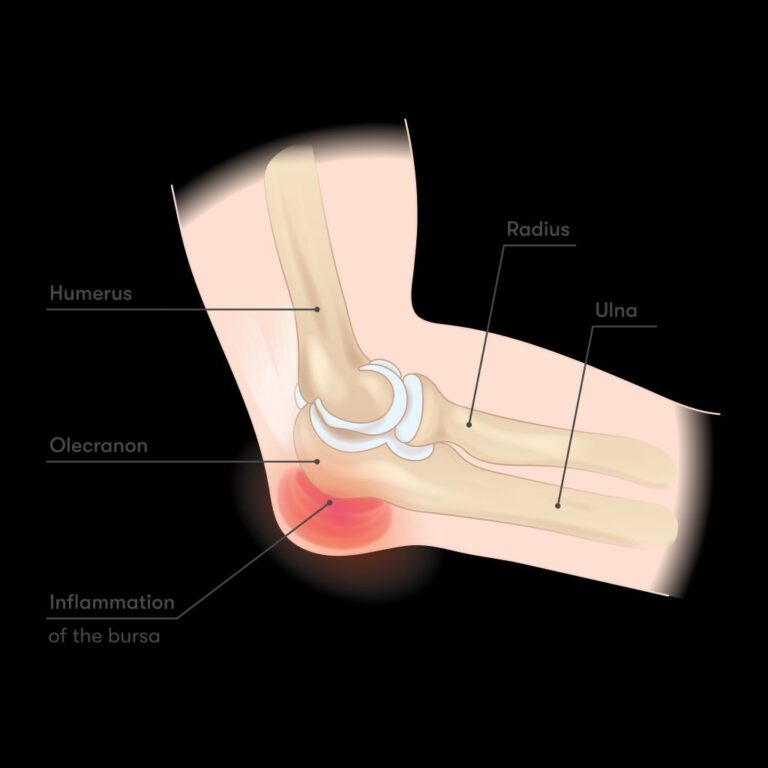
- Bursitis leads to swelling and tenderness around the knee
- Dislocated kneecap occurs when the patella moves out of position
Patellofemoral pain is particularly common in runners and cyclists. The pain worsens when walking up stairs or sitting for extended periods. Iliotibial band syndrome develops when the thick band of tissue running along the outer thigh becomes tight. This condition frequently affects distance runners.
Recognizing Knee Pain Symptoms
Knee pain manifests differently depending on the underlying cause. Identifying your specific symptoms helps your healthcare provider make an accurate diagnosis. Pay attention to when and how your pain occurs.

Types of Pain Sensations
The quality of your knee pain provides important diagnostic clues. Sharp, stabbing pain often indicates an acute injury to ligaments or cartilage. Dull, aching discomfort typically suggests arthritis or chronic conditions. Burning pain may point to nerve involvement or inflammation.
Location matters significantly when evaluating knee pain. Pain in the front of the knee often relates to patellofemoral problems or tendinitis. Discomfort on the inner or outer sides suggests ligament issues or iliotibial band syndrome. Pain behind the knee might indicate a Baker’s cyst or hamstring problem.
Associated Physical Symptoms
Swelling and Inflammation
Swelling around the knee indicates inflammation or fluid accumulation. The joint may appear puffy or feel warm to touch. Severe swelling can limit your range of motion. This symptom often accompanies injuries or inflammatory conditions.
Stiffness and Reduced Mobility
Knee stiffness makes bending or straightening the leg difficult. Morning stiffness is common with arthritis. The joint may feel tight after sitting for long periods. Activities like climbing stairs become challenging.
Instability and Weakness
A feeling that your knee might give way signals instability. The muscles around your knee may feel weak. This symptom often follows ligament injuries. Weight-bearing activities become concerning and potentially dangerous.
Pain Patterns and Triggers
Understanding what triggers your knee pain helps identify the cause. Pain that worsens with activity suggests mechanical problems or overuse injuries. Discomfort that improves with movement but returns after rest indicates arthritis. Night pain that disrupts sleep may signal more serious conditions.
Certain activities commonly trigger knee pain. These include climbing stairs, kneeling, squatting, or prolonged standing. Sports involving jumping, pivoting, or sudden stops frequently aggravate knee problems. Even simple activities like getting in and out of a car can become painful.
How Healthcare Providers Diagnose Knee Pain
Accurate diagnosis is essential for effective treatment. Your healthcare provider uses multiple methods to determine what causes your knee pain. The diagnostic process typically begins with a thorough examination.

Physical Examination
Your doctor will inspect your knee for visible signs of injury. They check for swelling, bruising, warmth, and tenderness around the joint. The physical exam includes testing your range of motion. Your provider assesses how far you can bend and straighten your leg.
Special tests help identify specific injuries. The Lachman test detects ACL tears by checking ligament stability. McMurray’s test reveals meniscus tears through specific knee movements. Your doctor may also test muscle strength in your leg and thigh. They observe how you walk to identify gait abnormalities.
Imaging Studies
Medical imaging provides detailed views of your knee structures. X-rays show bone fractures, arthritis, and alignment issues. These images cannot visualize soft tissues like ligaments or menisci. However, they excel at revealing bone-related problems.
Advanced Imaging Options
- MRI scans visualize soft tissue damage
- CT scans provide detailed bone images
- Ultrasound examines tendons and ligaments
- Bone scans detect stress fractures
MRI is the gold standard for diagnosing soft tissue injuries. It clearly shows ligament tears, meniscus damage, and cartilage problems. CT scans combine multiple X-ray images to create cross-sectional views. Ultrasound offers real-time imaging of moving structures. Your provider selects the appropriate test based on suspected conditions.
Laboratory Tests
Blood tests help diagnose certain types of arthritis and infections. Your doctor may order tests for rheumatoid factor or inflammatory markers. Joint fluid analysis provides valuable diagnostic information. A needle removes fluid from the swollen knee for laboratory examination. This procedure, called arthrocentesis, can detect infection, gout, or inflammatory arthritis.
Treatment Options for Knee Pain
Effective knee pain treatment depends on the underlying cause and severity. Many conditions respond well to conservative approaches. Others require more aggressive medical intervention. Your healthcare provider will recommend the most appropriate treatment plan.
Home Remedies and Self-Care

Initial treatment for many knee problems starts at home. The RICE protocol remains effective for acute injuries. RICE stands for Rest, Ice, Compression, and Elevation. This approach reduces pain and swelling in the first 48-72 hours.
Rest means avoiding activities that worsen your pain. You do not need complete bed rest, but limiting stress on your knee helps healing. Ice application reduces inflammation and numbs pain. Apply ice packs for 15-20 minutes several times daily. Never place ice directly on skin.
Compression with an elastic bandage provides support and reduces swelling. Wrap from below the knee upward, but not too tightly. Elevation means keeping your knee above heart level when resting. Prop your leg on pillows while sitting or lying down.
Pain Relief Tip: Over-the-counter pain medications can help reduce pain and inflammation. Ibuprofen and naproxen work well for most people. Always follow dosage instructions and consult your provider if you have health conditions.
Physical Therapy and Exercise
Physical therapy plays a crucial role in knee pain treatment. A physical therapist designs exercises to strengthen muscles around your knee. Stronger thigh muscles provide better joint support and stability. This can significantly reduce pain over time.
Stretching exercises improve flexibility and range of motion. Tight muscles can pull on the knee and cause pain. Regular stretching of the quadriceps, hamstrings, and calf muscles helps prevent problems. Balance exercises reduce your risk of falls and further injury.
Medical Treatments
When conservative measures fail, medical treatments become necessary. Your healthcare provider might recommend various interventions based on your condition.
Injections
Corticosteroid injections provide powerful anti-inflammatory effects. These shots can reduce pain for several weeks or months. Hyaluronic acid injections lubricate the joint in osteoarthritis cases. Platelet-rich plasma (PRP) injections may promote tissue healing.
- Cortisone for inflammation reduction
- Hyaluronic acid for joint lubrication
- PRP for tissue regeneration
- Local anesthetics for diagnostic purposes
Medications
Prescription medications offer stronger pain relief than over-the-counter options. Your doctor might prescribe stronger NSAIDs for inflammation. Topical pain creams can be applied directly to the knee. Some conditions require disease-modifying drugs for arthritis.
- Prescription NSAIDs for severe inflammation
- Topical analgesics for localized pain
- Muscle relaxants for muscle spasms
- DMARDs for rheumatoid arthritis
Bracing and Support
Knee braces provide stability and reduce stress on injured structures. Different brace types serve specific purposes. Compression sleeves offer mild support and warmth. Hinged braces provide maximum stability after injury.
- Compression sleeves for mild support
- Patellar straps for tendinitis
- Hinged braces for ligament injuries
- Unloader braces for arthritis
Alternative Therapies
Some people find relief through alternative treatment approaches. Acupuncture may help reduce pain for certain conditions. Massage therapy can relieve muscle tension around the knee. Always discuss these options with your healthcare provider.
- Acupuncture for pain management
- Massage for muscle tension
- Chiropractic care for alignment
- Nutritional supplements like glucosamine
Surgical Interventions

Surgery becomes necessary when conservative treatments fail to relieve pain. Several surgical options exist depending on your specific condition. Arthroscopic surgery uses small incisions and a camera to repair damage inside the knee.
Meniscus repair or removal can be performed arthroscopically. Surgeons can also reconstruct torn ligaments through this minimally invasive approach. Recovery time is typically shorter with arthroscopic procedures compared to open surgery.
Partial knee replacement surgery removes only the damaged portion of the joint. Total knee replacement may be recommended for severe arthritis. During this procedure, damaged bone and cartilage are replaced with metal and plastic components. Modern knee replacements can last 15-20 years or longer.
Cartilage restoration procedures help younger patients with localized damage. These techniques include microfracture, autologous chondrocyte implantation, and osteochondral grafting. The goal is to stimulate new cartilage growth or transplant healthy tissue.
Need Expert Guidance on Treatment Options?
Our experienced healthcare providers can evaluate your knee pain and recommend the most effective treatment plan tailored to your specific condition.
Preventing Knee Pain and Injury
Prevention is always better than treatment when it comes to knee problems. Many knee injuries and chronic conditions are preventable with proper care. Taking proactive steps protects your knees and maintains mobility throughout life.
Maintaining a Healthy Weight

Excess weight places tremendous stress on your knee joints. Every pound of body weight adds approximately four pounds of pressure to your knees. Losing even a small amount of weight can significantly reduce pain and prevent further damage.
Maintaining a healthy weight through diet and exercise protects your joints. Focus on nutrient-dense foods that support joint health. Regular physical activity helps control weight while strengthening supporting muscles. Choose low-impact exercises that do not stress your knees unnecessarily.
Exercise and Strengthening
Strong muscles around the knee provide crucial support and stability. Regular strengthening exercises for your quadriceps, hamstrings, and calf muscles protect the joint. Core strength also plays an important role in preventing knee injuries.
Recommended Exercises to Prevent Knee Problems
- Straight leg raises strengthen quadriceps without bending the knee
- Wall squats build leg strength while maintaining proper alignment
- Step-ups improve functional strength for daily activities
- Hamstring curls balance muscle development around the knee
- Calf raises strengthen the lower leg and improve stability
- Balance exercises on one leg enhance proprioception
Exercise Safely: Always warm up before exercising and cool down afterward. Start with low intensity and gradually increase difficulty. Stop immediately if you experience sharp pain during any exercise.
Proper Technique and Equipment
Using correct form during physical activities reduces injury risk significantly. Poor technique places abnormal stress on your knee joints. Consider working with a trainer or coach to learn proper movement patterns.
Wearing appropriate footwear is essential for knee health. Shoes should provide adequate support and cushioning for your activities. Replace athletic shoes regularly as they lose shock-absorbing capabilities over time. Worn-out shoes contribute to knee pain and injury.
Sports equipment should fit properly and be appropriate for your skill level. Use protective gear like knee pads when necessary. Gradually increase intensity and duration of new activities. Sudden increases in training volume often lead to overuse injuries.
Lifestyle Modifications
- Avoid prolonged kneeling or squatting positions that stress the joint
- Take breaks during repetitive activities to prevent overuse
- Use proper lifting techniques to avoid knee strain
- Maintain good posture to ensure proper leg alignment
- Address foot problems like flat feet that affect knee mechanics
- Stay active but vary your activities to prevent repetitive stress
When to See a Doctor for Knee Pain
Knowing when to seek medical attention is crucial for optimal outcomes. Some knee problems require immediate professional evaluation. Delaying treatment for serious conditions can lead to permanent damage.
Warning Signs Requiring Immediate Care

Seek Emergency Medical Attention If You Experience:
- Severe pain that prevents weight bearing on the leg
- Obvious deformity or misalignment of the knee or leg
- Inability to straighten or bend the knee at all
- Significant swelling that develops rapidly after injury
- Fever accompanying knee pain and swelling
- Knee that feels hot and appears red (possible infection)
Signs You Should Schedule an Appointment
Not all knee pain requires emergency care, but certain symptoms warrant medical evaluation. Schedule an appointment with your healthcare provider if your pain persists beyond a few days of home treatment. Progressive worsening despite rest and self-care indicates the need for professional help.
You should see a doctor if knee pain interferes with daily activities. This includes difficulty walking, climbing stairs, or getting in and out of chairs. Recurring episodes of pain or instability suggest an underlying problem requiring diagnosis.
Duration Concerns
Pain lasting more than a few days deserves medical attention. Chronic pain persisting for weeks or months requires evaluation. Do not ignore persistent discomfort hoping it will resolve on its own.
Functional Limitations
Difficulty performing normal activities signals a problem. Trouble with stairs, walking distances, or sports participation warrants evaluation. Knee instability or giving-way sensations are concerning symptoms.
Associated Symptoms
Visible swelling, warmth, or redness indicates inflammation. Locking or catching sensations suggest mechanical problems. Numbness or tingling may indicate nerve involvement.
Preparing for Your Doctor Visit
Maximize your appointment by preparing information in advance. Write down when your pain started and what you were doing. Note which activities make pain better or worse. List all medications and supplements you currently take.
Bring any previous medical records related to knee problems. If you have had prior imaging studies, bring those images or reports. Your healthcare provider needs complete information to make an accurate diagnosis and recommend appropriate treatment.
Experiencing Persistent Knee Pain?
Don’t let knee pain limit your lifestyle. Our orthopedic specialists provide comprehensive evaluation and personalized treatment plans to get you back to the activities you love.
Living with Chronic Knee Pain
Chronic knee pain requires ongoing management and lifestyle adaptations. Many people successfully maintain active lives despite persistent discomfort. Learning effective coping strategies improves quality of life significantly.
Daily Management Strategies
Pacing activities throughout the day helps prevent pain flare-ups. Break larger tasks into smaller segments with rest periods. Alternating between different activities reduces repetitive stress on your knee. Listen to your body and adjust plans when pain increases.
Heat and cold therapy provide ongoing relief for chronic conditions. Cold packs reduce inflammation during pain flares. Heat application relaxes muscles and improves flexibility before activities. Many people find alternating between heat and cold most effective.
Assistive Devices and Modifications

Assistive devices reduce stress on painful knees during daily activities. A cane used in the opposite hand decreases load on the affected knee by up to 25 percent. Walking sticks provide stability on uneven terrain. Knee braces offer additional support during high-demand activities.
Home modifications make daily life easier with chronic knee pain. Install grab bars in bathrooms to assist with sitting and standing. Raise toilet seats to reduce knee bending required. Use a shower chair to eliminate standing during bathing. These simple changes significantly reduce pain during routine care activities.
Maintaining Mental Health
Chronic pain affects emotional wellbeing as much as physical health. Feelings of frustration, anxiety, or depression are common with persistent knee problems. Addressing mental health is an important part of pain management.
Stay connected with supportive friends and family members. Join support groups for people dealing with chronic pain. Consider counseling or therapy if pain significantly impacts your mood. Mind-body techniques like meditation and deep breathing help manage pain perception.
Taking Control of Your Knee Health
Knee pain is a common condition with many potential causes and treatment options. Understanding the source of your discomfort is the first step toward effective relief. Whether your pain stems from an acute injury, arthritis, or overuse, appropriate treatment can significantly improve your quality of life.
Early intervention often prevents minor problems from becoming chronic conditions. Do not ignore persistent pain or dismiss symptoms as a normal part of aging. Modern medicine offers numerous effective treatments for knee problems at every stage.
Prevention remains your best strategy for maintaining healthy knees throughout life. Regular exercise, weight management, and proper technique during activities protect your joints. When problems do arise, prompt medical attention and appropriate treatment restore function and reduce pain.
Remember that knee pain is highly treatable in most cases. Whether you need conservative care, physical therapy, or surgical intervention, solutions exist. Work closely with your healthcare provider to develop a treatment plan that addresses your specific needs and goals.
Ready to Take the Next Step?
Join thousands of patients who have successfully overcome knee pain with expert medical care. Our team is ready to help you find relief and return to an active, pain-free lifestyle.


4 Comments