Knee pain after gardening
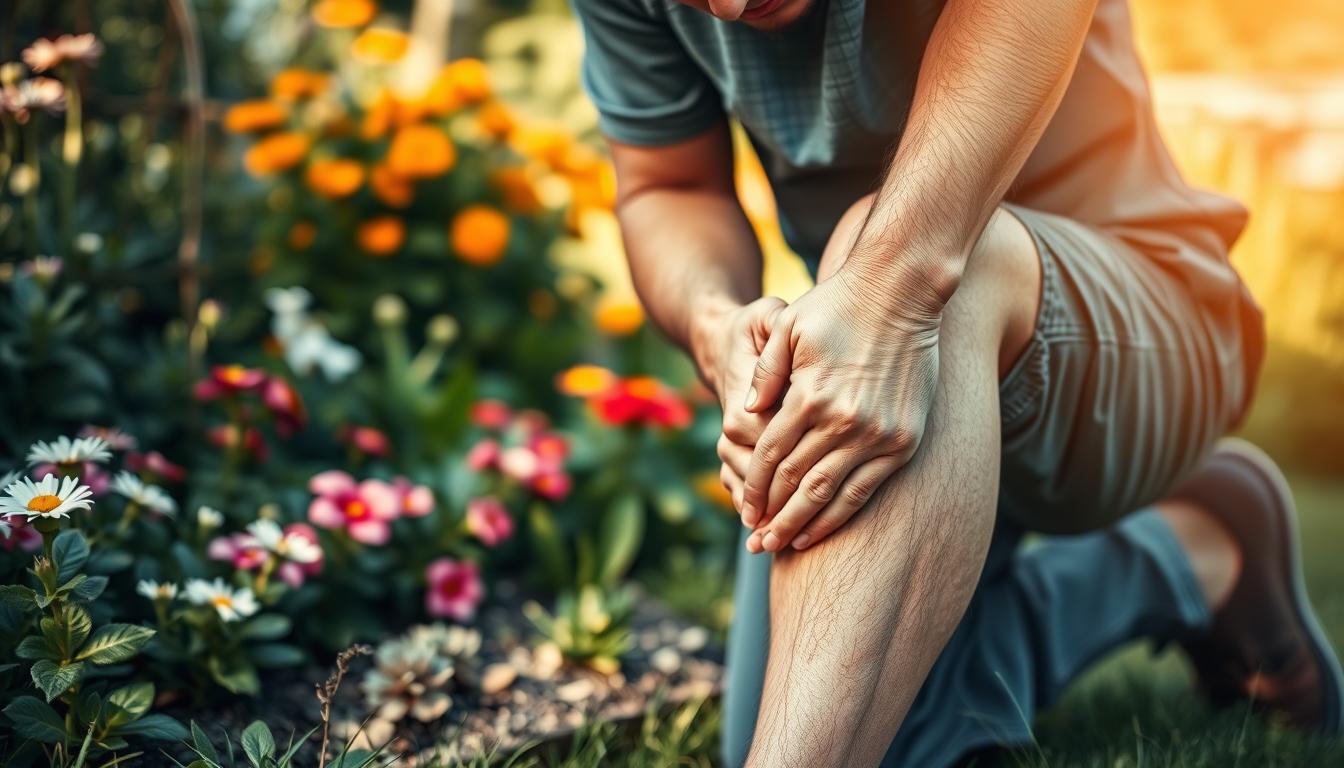
Have you ever experienced a dull ache or sharp discomfort in your knees following a day of tending to your garden? You’re not alone.
Many gardening enthusiasts face this issue, and it’s not just the physical activity that’s to blame. We will explore the reasons behind this phenomenon and what you can do to alleviate it.
As we delve into the causes, you’ll discover that it’s often a combination of factors, including the physical demands of gardening and potential underlying health conditions.
Key Takeaways
- Gardening activities that strain the knee joint
- Common health conditions that contribute to knee pain
- Simple measures to prevent knee pain while gardening
- Effective ways to alleviate knee pain after gardening
- Importance of proper gardening techniques
Understanding Knee Pain After Gardening
For many gardeners, the pleasure of nurturing their gardens is marred by the discomfort of knee pain. Gardening involves a range of activities, from bending and kneeling to lifting and carrying, all of which can strain the knee joint. Understanding the causes and risk factors associated with knee pain after gardening is crucial for preventing and managing this common issue.
What is Gardener’s Knee?
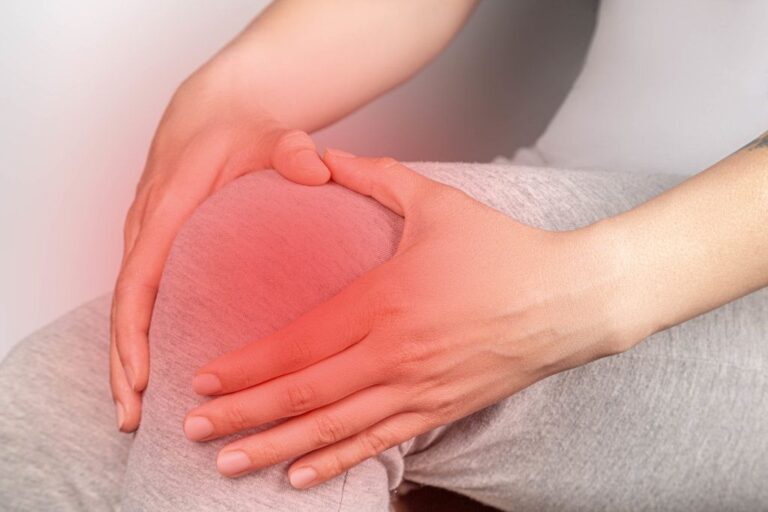
Gardener’s Knee refers to the pain and discomfort experienced in the knee joint due to gardening activities. It is often associated with conditions such as tendinitis or bursitis, which are inflammation of the tendons and bursae, respectively. These conditions can result from repetitive strain or direct injury to the knee.
Common Causes of Knee Pain for Gardeners
Knee pain among gardeners can be attributed to several factors, including repetitive kneeling, bending, and heavy lifting. Activities such as weeding, planting, and pruning often require prolonged periods of kneeling or bending, putting pressure on the knee joint. Additionally, lifting heavy bags of soil or garden waste can strain the knee.
Some gardeners may also experience knee pain due to underlying conditions such as arthritis or previous injuries. For more information on random knee pain, you can visit this page.
Risk Factors That Increase Your Chances of Knee Pain
Several risk factors can increase a gardener’s likelihood of experiencing knee pain. These include age, as older individuals may have less resilient joints; previous knee injuries, which can predispose to further problems; and obesity, which puts additional strain on the knee joint. Understanding these risk factors can help gardeners take preventive measures.
| Risk Factor | Description | Preventive Measure |
|---|---|---|
| Age | Older gardeners may have less resilient joints. | Regular exercise to maintain joint mobility. |
| Previous Knee Injuries | Past injuries can predispose to further knee problems. | Proper rehabilitation after injuries. |
| Obesity | Excess weight puts additional strain on the knee joint. | Maintaining a healthy weight through diet and exercise. |
Preventing Knee Pain While Gardening
Preventing knee pain while gardening involves a combination of proper techniques, the right equipment, and regular breaks. By adopting these strategies, gardeners can enjoy their hobby without the subsequent discomfort.
Proper Body Mechanics for Gardening
Using proper body mechanics is crucial for minimizing the strain on your knees. This includes bending at the knees and hips, rather than the waist, and lifting with your leg muscles. When kneeling, consider using a kneeling pad or cushion to reduce pressure on your knee joints.
Essential Warm-Up Exercises Before Gardening
Before starting your gardening activities, it’s beneficial to do some warm-up exercises to loosen up your muscles and improve blood circulation. Simple exercises like leg swings, knee bends, and ankle rotations can help prepare your joints for the physical demands of gardening.

Taking Breaks and Changing Positions
Taking regular breaks and changing your position can significantly reduce the risk of knee pain. Try to alternate between tasks that involve standing, sitting, and kneeling to give your knees a rest. This can also help prevent fatigue and improve overall comfort.
Ergonomic Gardening Tools and Equipment
Using ergonomic gardening tools can make a big difference in reducing strain on your knees. Look for tools with comfortable grips and long handles that allow you to work without bending or kneeling as much. Additionally, consider using raised garden beds or vertical gardening systems to minimize the need for kneeling or bending.

Effective Relief Strategies for Knee Pain After Gardening
The joy of gardening can be marred by knee pain if proper precautions are not taken. Fortunately, there are several effective relief strategies that can help alleviate knee pain after gardening.
Immediate Pain Relief Methods
Immediate relief from knee pain can be achieved through rest and the application of ice or heat. Resting the knee and avoiding activities that aggravate the pain are crucial first steps.
Rest and avoiding strenuous activities can significantly reduce knee pain. Additionally, elevating the knee can help reduce swelling.
When to Use Ice vs. Heat Therapy
Both ice and heat therapy can be effective for knee pain relief. Ice therapy is typically used to reduce inflammation and numb the pain, while heat therapy relaxes muscles and increases blood flow.
Use ice therapy for acute injuries and heat therapy for chronic pain or stiffness.
Over-the-Counter Pain Management Options
Over-the-counter (OTC) pain relievers such as ibuprofen or acetaminophen can help manage knee pain. However, it’s essential to follow the recommended dosage and consult a healthcare professional if necessary.
Gentle Stretches and Exercises for Recovery
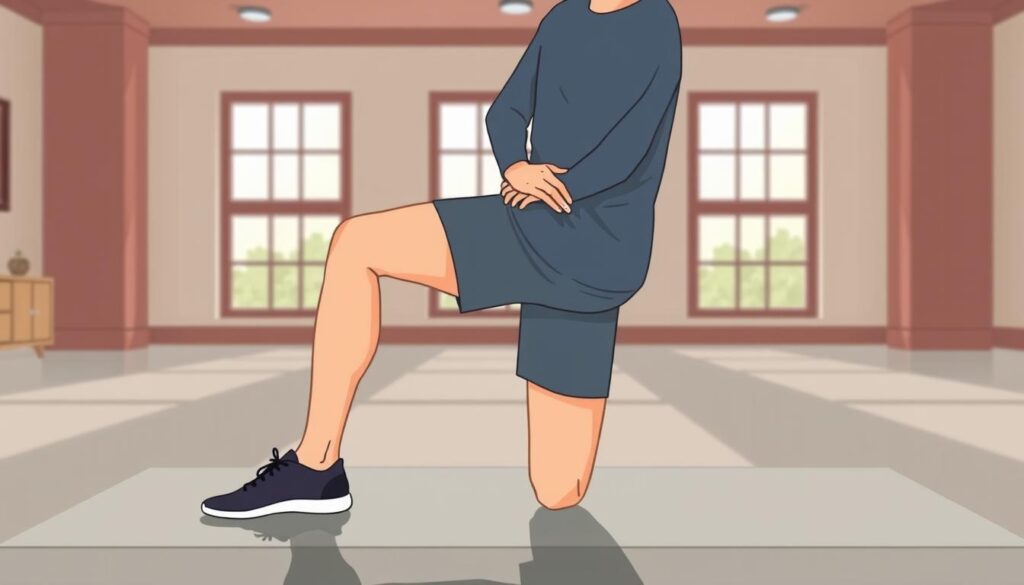
Gentle stretches and exercises can aid in recovery and prevent future knee pain. Straight leg raises and knee bends are examples of exercises that can strengthen the muscles around the knee.
Regular stretching can improve flexibility and reduce the risk of injury.
Creating a Knee-Friendly Garden Environment
A knee-friendly garden environment not only reduces the risk of knee pain but also enhances our overall gardening experience. By making a few simple adjustments, we can create a space that is both enjoyable and safe for our knees.
One key aspect is to incorporate ergonomic gardening practices and tools. Using raised beds or containers can significantly reduce the need to kneel or bend, thereby minimizing strain on the knees. Additionally, employing long-handled gardening tools can help avoid excessive bending and reaching.
We can also benefit from creating pathways that are easy to navigate and ensuring the garden is well-organized. This not only improves accessibility but also reduces the risk of accidents that could exacerbate knee pain.
By implementing these changes, we can enjoy our gardening activities while protecting our knee health. It’s about making our gardens work for us, not against us.
FAQ
What can we do to prevent strain on our knees while gardening?
Are knee pads effective in reducing knee pain while gardening?
How can we reduce pressure on our knees when working in raised beds?
Can certain gardening activities exacerbate knee pain?
Are there any exercises we can do to help alleviate knee pain caused by gardening?
How can we modify our gardening routine to accommodate arthritis or other health issues?