World Cup Runner’s Knee Exercises: The Complete Guide to Prevention, Strengthening, and Recovery
World Cup runner’s knee exercises are among the most searched and most critical training topics for competitive footballers and endurance athletes in 2026. Research from the National Institutes of Health shows that women benefit significantly more from targeted strengthening, seeing a 2.81-point higher reduction in knee pain scores compared to other treatment groups, which means the right exercises are not optional for serious athletes, they are medical necessities.
Key Takeaways
Understanding Runner’s Knee in World Cup Athletes
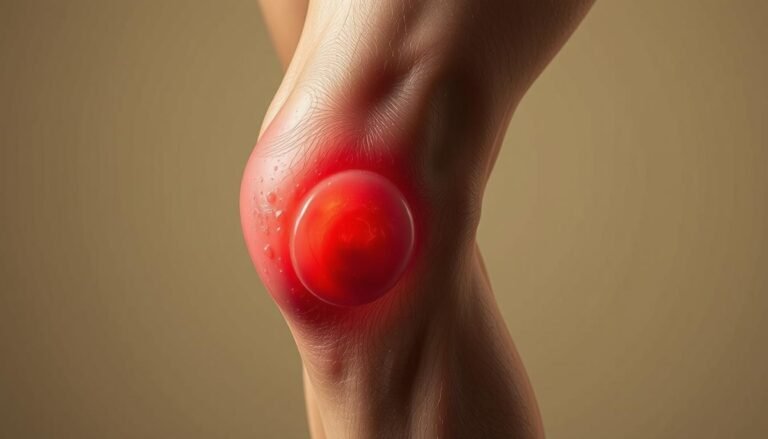
Patellofemoral pain syndrome (PFPS), commonly called runner’s knee, develops when the kneecap tracks improperly over the femur, creating friction and inflammation under the patella.
World Cup-level athletes are particularly vulnerable because they combine explosive sprinting, rapid direction changes, and repeated jumping over a compressed competitive season.

The demands of a World Cup tournament in 2026 are higher than ever, with denser match schedules and expanded squad rotations placing enormous cumulative stress on the knee joint.
Fortunately, research confirms that the right exercise protocol, focused on strengthening the muscles surrounding the knee, significantly reduces pain and prevents recurrence. Understanding the problem is the first step to fixing it.
World Cup Runner’s Knee Exercises for Quadricep Strengthening
The quadriceps muscle group is the primary stabilizer of the kneecap. Weakness in the quad, particularly the vastus medialis oblique (VMO) at the inner lower quad, allows the patella to drift laterally and grind against the femur.
The following quadricep-focused World Cup runner’s knee exercises are used at the elite level to rebuild this critical support structure.
- Terminal Knee Extensions (TKE): Stand with a resistance band looped behind the knee. From a slight bend, fully straighten the knee without locking it. This isolates the VMO with precision.
- Wall Sits: Hold a 90-degree sitting position against a wall for 30 to 60 seconds. Build to 3 sets. This builds static quad endurance under load.
- Step-Ups: Step onto a box or bench with a controlled, slow tempo. Focus on the quad controlling the descent, not momentum.
- Straight Leg Raises: Lying flat, tighten the quad and raise the leg to 45 degrees. This builds the VMO without stressing the knee joint itself.
- Short Arc Quads: Place a rolled towel under the knee, then extend the lower leg upward and hold. This is especially effective when the knee hurt is acute.
We recommend performing these exercises 3 to 4 times per week for optimal strength development without overloading the recovering knee.
Hip and Glute World Cup Runner’s Knee Exercises for Alignment
Weak hip abductors and glutes cause the femur to rotate inward during running, which forces the kneecap out of its natural tracking groove. This is one of the most common root causes of knee pain in long-distance and high-intensity athletes.
Correcting this alignment issue through targeted hip and glute work is a cornerstone of any serious World Cup runner’s knee exercise program.
- Clamshells: Lie on your side with knees bent at 90 degrees and a resistance band around the thighs. Rotate the top knee upward like a clamshell opening. Perform 3 sets of 20 per side.
- Side-Lying Hip Abduction: Lift the top leg straight toward the ceiling, keeping toes pointed slightly downward. Hold 2 seconds at the top. This targets the glute medius directly.
- Single-Leg Glute Bridge: From a bridge position, lift one foot off the ground and hold. This builds single-leg stability that mirrors the demands of running gait.
- Monster Walks: Place a band around both ankles and walk laterally with slight knee bend. This mimics football-specific lateral movement while strengthening the hips.
- Hip Thrusts: With your upper back on a bench and a barbell across the hips, drive upward through the heels. This is the most effective exercise for overall glute strength.
Strong hips reduce the lateral stress placed on the knee with every stride, making these exercises non-negotiable for athletes competing at the World Cup level.
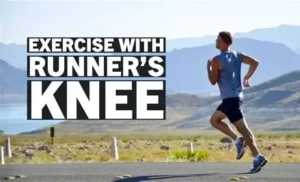
Stretching Exerci ses to Reduce Knee Pain Between World Cup Matches
 ses to Reduce Knee Pain Between World Cup Matches
Tight iliotibial (IT) bands, quadriceps, and hip flexors pull the kneecap into poor alignment and directly increase knee pain during activity. Stretching these structures regularly is as important as strengthening them.
These flexibility exercises are designed to be performed daily, especially during the recovery periods between matches or training sessions.
- Standing Quad Stretch: Pull the heel toward the glute and hold for 30 seconds per side. Keep the knees together to maximize the quad stretch rather than the hip flexor.
- IT Band Foam Rolling: Roll slowly from the hip to just above the knee along the outer thigh. Pause on tender areas for 5 to 10 seconds rather than rolling quickly.
- Pigeon Pose (Modified): Place one shin parallel to the front of the mat and hinge forward. This opens the hip rotators that contribute directly to patella tracking issues.
- Kneeling Hip Flexor Stretch: In a lunge position, tuck the pelvis and lean forward gently. Tight hip flexors tilt the pelvis and increase knee loading with each running stride.
- Calf Stretching (Both Gastrocnemius and Soleus): Tight calves alter foot strike mechanics and increase force transmission through the knee during running.
We recommend holding each stretch for a minimum of 30 to 60 seconds and repeating twice daily during periods when knee hurt is active.
Functional Movement World Cup Runner’s Knee Exercises
Functional exercises replicate real athletic movements, training the muscles to work together the way they do during a match. This is a growing priority in 2026 sports medicine protocols, and the data supports it clearly.
These World Cup runner’s knee exercises bridge the gap between isolated rehabilitation and full athletic performance.
- Bulgarian Split Squat: With the rear foot elevated, lower into a single-leg squat. This replicates the single-leg loading of sprinting while building quad and glute strength simultaneously.
- Lateral Band Walks: Walk sideways with a resistance band at the ankles for 20 steps in each direction. This trains the hips and knees together in a football-specific movement pattern.
- Goblet Squats: Hold a kettlebell or dumbbell at chest height and squat to parallel. The counterbalance allows better form and reduces shear forces on the knee joint.
- Farmer Carries: Walk with heavy dumbbells hanging at your sides. This builds total-body tension and knee stability without joint compression.
- Step-Down Exercise: Stand on a box and slowly lower the opposite heel toward the floor. This is one of the most sport-specific exercises for patellofemoral pain control.
Functional training in 2026 sport science programs treats the knee as part of a chain, not an isolated hinge, and World Cup athletes benefit enormously from this philosophy.
When Your Knee Hurt Signals a More Serious Injury
Runner’s knee is painful but manageable. However, certain symptoms indicate that the knee hurt you are experiencing may involve a more serious structural injury that requires immediate medical evaluation.
Watch for these warning signs that go beyond typical patellofemoral pain:
- Sudden sharp pain during a match or training session, especially after a collision or awkward landing
- Swelling that appears within the first few hours of an injury
- A popping or snapping sensation at the moment of injury
- Inability to bear weight on the knee
- The knee giving way or feeling unstable during straight-line running
These symptoms may indicate injuries such as a torn meniscus, damage to the anterior cruciate ligament (ACL), or a posterior cruciate ligament (PCL) injury, all of which require professional diagnosis and a different treatment pathway than standard runner’s knee exercises.
For athletes who experience trauma to the knee during competition, our detailed resource on traumatic knee injuries outlines what to expect and how to respond.
How World Cup Medical Teams Manage Runner’s Knee Recovery
Elite football teams in 2026 use a phased approach to managing runner’s knee, balancing player availability with long-term joint health. This model provides a useful framework for any athlete dealing with this condition.
Phase 1 (Days 1 to 7): Pain Control and Load Reduction
Ice application for 15 to 20 minutes after training, temporary reduction in running volume, and introduction of isometric quad exercises to maintain muscle activation without loading the knee.
Phase 2 (Weeks 2 to 4): Targeted Strengthening
Introduction of the quad and hip strengthening exercises outlined in this article, combined with daily flexibility work. Athletes begin low-impact cross-training such as cycling or pool running to maintain cardiovascular fitness.
Phase 3 (Weeks 4 to 8): Functional Progression
Return to sport-specific movements including cutting drills, agility ladders, and progressive running distances. World Cup runner’s knee exercises from the functional movement section are prioritized during this phase.
Phase 4 (Weeks 8 to 12): Full Return to Competition
Gradual reintegration into full training. Maintenance exercise routines are continued to prevent recurrence throughout the competitive season.
For athletes managing chondromalacia patella alongside runner’s knee, the timeline may extend, as cartilage healing proceeds more slowly than soft tissue recovery.
Building Your World Cup Runner’s Knee Exercise Routine
Structure matters as much as exercise selection. Here is a sample weekly World Cup runner’s knee exercise schedule that balances strength, flexibility, and recovery.
This schedule is adaptable based on match commitments. The key principle is that knee strengthening work should never be skipped entirely, even during busy tournament periods.
For a comprehensive overview of all aspects of managing this type of discomfort, our complete guide to understanding and overcoming knee pain provides detailed supporting information for every stage of recovery.
Preventing Runner’s Knee Before It Becomes a Problem
Prevention is far more effective than treatment. Athletes who build knee resilience before the competitive season dramatically reduce their risk of developing patellofemoral pain during tournaments.
The following habits protect the knee from runner’s knee developing in the first place:
- Progress running volume gradually: Never increase weekly mileage by more than 10% from one week to the next.
- Maintain a year-round strengthening program: Hip and quad strength should never be neglected during the off-season.
- Wear appropriate footwear: Shoes matched to your foot mechanics reduce abnormal knee stress during repetitive running.
- Warm up properly before every session: Dynamic warm-ups that activate the glutes before running significantly reduce patellofemoral load.
- Address knee hurt early: Pain is a signal. Treating minor knee hurt in its early stages prevents it from escalating into a condition that sidelines you for weeks.
“The most successful World Cup medical programs treat the knee as the endpoint of a kinetic chain that starts at the hip and foot. Exercises that only address the knee itself miss the underlying cause of patellofemoral pain.”
Conclusion
World Cup runner’s knee exercises represent a well-researched, highly effective approach to one of the most common overuse injuries in competitive football. By targeting the quadriceps, hips, and glutes while maintaining flexibility in the IT band and hip flexors, athletes can resolve knee pain, restore proper patellar tracking, and return to full performance.
The key to success with any World Cup runner’s knee exercise program is consistency. Strength does not build overnight, and the knee joint responds to gradual, progressive loading over weeks rather than days.
Whether you are currently dealing with active knee pain or building a preventative routine for the upcoming competitive season in 2026, the exercises and protocols covered in this article give you a clinically grounded, athlete-tested foundation.
If your knee hurt extends beyond typical runner’s knee symptoms, explore our resources on ACL injuries and knee bracing to understand the broader landscape of knee health. Every athlete deserves to compete without their knee holding them back.
Frequently Asked Questions
What are the best World Cup runner’s knee exercises to do at home without equipment?
The most effective bodyweight World Cup runner’s knee exercises include wall sits, straight leg raises, clamshells, and standing quad stretches. These require no equipment and directly address the quad and hip weakness that causes knee pain in runners and footballers.
How long does runner’s knee take to heal with targeted exercises?
Most athletes performing consistent World Cup runner’s knee exercises see meaningful improvement within 6 to 8 weeks. Full resolution of knee pain typically occurs between 10 and 12 weeks, depending on the severity and how early treatment begins.
Can I still run if my knee hurt is from patellofemoral syndrome?
Yes, in most cases you can continue light running as long as the knee hurt remains below a 3 out of 10 on the pain scale during and after activity. Combining modified running with the targeted exercises in this article allows the knee to heal while maintaining fitness.
Is runner’s knee the same as chondromalacia patella?
Runner’s knee (patellofemoral pain syndrome) and chondromalacia patella are closely related but not identical. Chondromalacia refers specifically to the softening and deterioration of cartilage under the kneecap, which can develop as a consequence of untreated runner’s knee over time.
What exercises should I avoid if my knee pain is from runner’s knee?
Avoid deep squats below 90 degrees, high-impact plyometrics, and any exercise that causes a sharp increase in knee pain during or immediately after. As your strength builds through targeted World Cup runner’s knee exercises, most of these movements can be gradually reintroduced.
Do World Cup athletes really use the same knee exercises as recreational runners?
Yes. The foundational exercises for patellofemoral pain, including quad strengthening, hip abductor work, and IT band flexibility, are consistent across all levels of sport. Elite athletes simply progress to higher loads and more sport-specific variations as recovery advances.
Is it worth seeing a physiotherapist for runner’s knee in 2026?
Absolutely. While the World Cup runner’s knee exercises in this article are based on current clinical evidence, a physiotherapist can assess your individual movement patterns, identify specific muscle imbalances, and tailor a program precisely to your biomechanics for faster and more durable results.