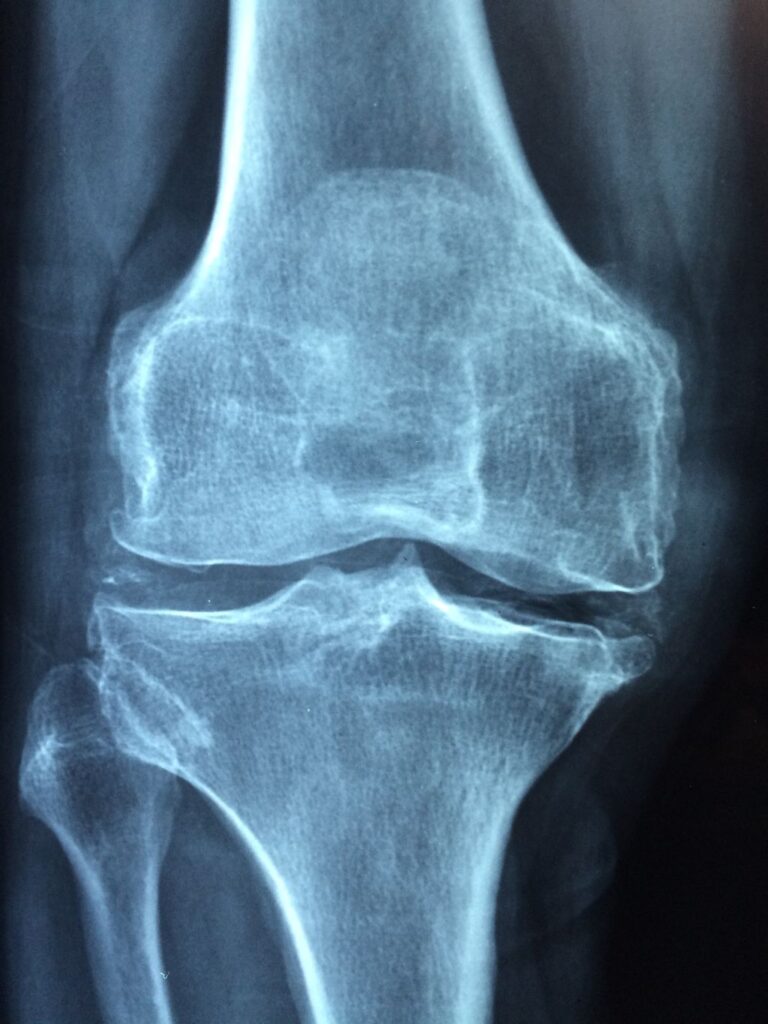
Failed knee replacement symptoms
What if the relief you expected after your joint procedure never arrives?
This unsettling question faces a small percentage of individuals each year. While statistics show that 85% to 90% of patients enjoy successful outcomes for 15 to 20 years after their initial knee replacement surgery, some do not.

failed knee replacement symptoms
We understand that persistent discomfort following this major operation can be a source of deep frustration. It can severely limit your mobility and daily life.
Our guide is here to shed light on the various signs that may indicate your implant is not performing as designed. Identifying these indicators early is critically important.
It ensures you get the right medical attention and potential intervention from a qualified specialist. If you experience persistent pain and stiffness, understanding the next steps is vital.
We will walk you through common warning signs, the diagnostic process, and the treatment paths available to restore your comfort and movement.
Key Takeaways
- Most knee replacement procedures are highly successful for many years.
- Recognizing early warning signs of a problem is crucial for your health.
- Specialized care models, like the one at University of Utah Hospital, combine expert teams for complex cases.
- Persistent pain, swelling, or instability after recovery should not be ignored.
- Several effective treatment options exist to address implant issues.
- Early consultation with an orthopedic surgeon can lead to better outcomes.
- Your long-term mobility and quality of life are the ultimate goals.
Understanding Knee Replacement Surgery
Modern orthopedic medicine offers a reliable solution for severe joint damage through artificial joint implantation. This procedure aims to restore comfortable movement when natural cartilage wears down.

knee replacement surgery components
How Knee Replacements Work
During this operation, surgeons remove damaged joint surfaces. They replace them with precisely engineered metal and plastic components.
These artificial parts are designed to glide smoothly. They mimic your joint’s natural motion, reducing discomfort.
| Fixation Method | How It Works | Key Consideration |
| Cemented Fixation | Special bone cement bonds the implant directly to your bone. | Provides immediate, strong stability after the operation. |
| Biologic Fixation | The bone grows into a porous coating on the device over time. | Creates a durable, long-term bond without cement. |
| Surgeon’s Choice | The method is selected based on your bone quality and age. | Each technique has specific advantages for different situations. |
Long-Term Expectations and Implant Lifespan
Most modern devices are engineered for durability. A typical lifespan ranges from 15 to 20 years.
“The longevity of a joint implant depends on multiple factors, including the patient’s activity level and overall bone health.”
We emphasize that these components are not indestructible. They experience natural wear from daily use over time.
Regular monitoring helps ensure your artificial joint functions well for as long as possible. Your activity choices and general health play significant roles.
Recognizing Failed Knee Replacement Symptoms
When an artificial joint doesn’t function as intended, your body sends distinct signals that demand attention. Learning to identify these signs is crucial for your long-term health and mobility.
Persistent Pain and Swelling
Persistent pain in the knee joint that lingers long after the typical recovery period is a primary indicator. This pain isn’t normal soreness.
It often presents as a deep, constant ache. Swelling around the knee joint that refuses to fade with rest is another red flag.
Persistent pain and swelling are common companions. They can suggest underlying issues like inflammation or component loosening.
Instability and Changes in Joint Function
A feeling of instability, where your leg might buckle, is alarming. This instability often feels like the joint is giving way when you put weight on it.
You might also notice a noticeable decline in how well it moves. Stiffness, developing a limp, or hearing odd popping noises are critical functional changes.
We encourage you to monitor these signs closely. They are the primary indicators that your implant may require further clinical assessment.
Common Causes of Knee Replacement Failure
Even with advanced surgical precision, several factors can compromise the longevity of an artificial joint. We find that issues typically stem from biological reactions, mechanical wear, or technical aspects of the procedure itself.

common causes of knee replacement failure
Identifying the root cause is essential for determining the correct path forward. A thorough evaluation often reveals one of these primary contributors.
Infection and Inflammatory Responses
While modern techniques have reduced the risk to below 1%, infection remains a serious threat. Bacteria can form a resilient biofilm on the metal and plastic surfaces.
This biofilm shields the microbes from antibiotics. The resulting inflammatory response can severely damage surrounding tissue and destabilize the entire construct.
Implant Loosening and Wear
Aseptic loosening is a common mechanical problem. It often begins with microscopic particles shed from the polyethylene component during normal use.
The body’s reaction to these particles can trigger osteolysis. This condition digests healthy bone, destroying the secure bond between the implant and your skeleton.
High-impact activities or excessive body weight accelerate this wear process. They place undue stress on the critical interface.
Surgical Technique and Component Misalignment
The surgeon’s skill during the operation is paramount. Improper alignment or placement of the components can lead to uneven pressure distribution.
This misalignment causes premature wear and persistent discomfort. It is a leading technical reason for long-term failure of the procedure.
We note that these complications might surface many years after your initial surgery. A detailed review of your history and current signs is always necessary.
Risk Factors Contributing to Replacement Failure
Certain personal and health factors can significantly influence the long-term success of an artificial joint. We identify several key areas that can increase the likelihood of complications after your procedure.

risk factors knee replacement
Obesity, Activity Level, and Prior Surgeries
Your body weight and daily activities play a major role. Excess weight places immense mechanical load on the implant, accelerating wear and loosening.
Younger, highly active patients also face greater risk. Their vigorous lifestyle stresses the prosthesis over many years, potentially leading to earlier revision surgery.
A history of prior knee surgeries raises the chance of infection. It can complicate the healing process from the start.
Bone Quality and Age-Related Changes
The condition of your natural bone is crucial for fixation. Poor bone density, often seen with aging, makes a secure bond difficult for long-term success.
Understanding these risk factors is essential for managing your overall health. It helps set realistic expectations for your joint’s longevity.
Diagnosing a Failed Knee Replacement
Pinpointing the exact cause of discomfort requires a combination of clinical skill and advanced technology.
We follow a structured diagnostic process to understand why an artificial joint is not performing well.
This investigation is vital for planning any necessary corrective revision surgery.
Clinical Examination and Imaging Techniques
Your surgeon will first conduct a thorough physical assessment. They check your range of motion and joint stability.
This clinical exam guides the selection of advanced imaging tests. These tools visualize the position of the implant and surrounding bone.
| Imaging Modality | Primary Purpose | Key Detail |
| X-ray | Assesses basic alignment and visible bone loss. | Often the first scan ordered. |
| CT Scan | Provides detailed 3D views of bone structure. | Critical for planning complex revision procedures. |
| MRI | Evaluates soft tissues and hidden areas. | Identifies issues not seen on other scans. |
Surgeons use these images to pinpoint the cause and extent of any problems.
Laboratory Tests and Aspiration Procedures
Blood work can reveal signs of systemic inflammation or infection. A more definitive test is joint fluid aspiration.
In this procedure, a needle removes fluid from the joint. The sample is sent to a lab to identify specific bacteria.
Confirming or ruling out infection is a crucial step. It directly determines the treatment path for the implant issue.
This comprehensive diagnostic process ensures the revision surgery plan addresses the root cause effectively.
Treatment Options for Failed Knee Replacement Symptoms
Choosing the right corrective approach depends on the specific cause of your joint’s underperformance.
We develop a personalized plan aimed at relieving discomfort and restoring reliable mobility.
When Revision Surgery is Necessary
Revision surgery is the most common corrective treatment. This complex procedure involves removing the original implant and inserting new components.
It typically takes two to three hours. Surgeons address two primary scenarios:
- Standard revision: For issues like loosening or wear, the old parts are exchanged for new ones in a single operation.
- Two-stage revision: Used for infection. First, the implant is removed and a temporary antibiotic spacer is placed. After the infection clears, a second surgery installs the final new joint.
Non-Surgical Alternatives and Rehabilitation
For minor issues, non-operative treatment may be considered. Physical therapy and bracing can help manage stability and pain.
These options are typically explored if a patient is not a good candidate for another operation. In the most extreme cases, alternatives like joint fusion are rarely used.
Your medical team will discuss all paths to find the best solution for your health.
Post-Surgery Recovery and Rehabilitation
Successful healing after a corrective joint procedure hinges on a carefully managed recovery phase. We design this period to protect your new implant while systematically rebuilding your strength.
Physical Therapy and Mobility Strategies
Physical therapy often starts within a day of your revision surgery. This early movement is crucial.
It prevents stiffness and promotes circulation for healing. Your therapist will guide you through exercises to restore your range of motion.
Initially, you will use a walker or crutches for support. As your leg gets stronger, you will progress to walking independently.
| Recovery Phase | Primary Focus | Key Activities |
| Early (Weeks 1-6) | Wound healing, managing swelling, basic mobility. | Assisted walking, gentle bending/stretching, elevation. |
| Mid (Weeks 7-12) | Building strength and improving joint stability. | Weight-bearing exercises, balance training, reducing assistive devices. |
| Long-Term (3+ Months) | Returning to daily activities and maintaining function. | Advanced strengthening, endurance activities, lifestyle integration. |
Managing Pain and Swelling in Recovery
Controlling post-operative pain and swelling is a top priority. Effective management makes your physical therapy sessions more productive.
We frequently recommend leg elevation, ice packs, and compression stockings. These simple tools significantly reduce discomfort in the first critical months.
For complex cases, specialized wound dressings can improve healing. Following your surgeon’s specific care instructions is essential for a successful outcome from your revision surgery.
Preventative Measures for Prolonging Knee Replacement Functionality
Your daily choices play a powerful role in protecting the investment made in your artificial joint. Long-term success is an active partnership between you and your medical team.
Proactive steps taken after your procedure can dramatically influence how well and how long your new joint serves you. We focus on practical strategies you can implement.
Proper Post-Operative Care and Lifestyle Adjustments
Excellent care begins immediately. Keeping the surgical site clean and dry is essential to minimize the risk of infection.
This foundational practice supports all other long-term efforts. We recommend integrating these key actions into your routine:
- Manage your body weight. This is one of the most effective ways to reduce force on the prosthesis and extend its lifespan.
- Choose low-impact activities. Options like swimming or cycling keep you moving without causing excessive wear.
- Attend all follow-up appointments. Regular check-ups allow for early detection of any potential issues.
- Commit to consistent exercise. Strengthening the muscles around the joint provides better support and stability.
By making these lifestyle adjustments, you significantly improve the long-term functionality of your artificial joint. You also protect your overall musculoskeletal health.
Conclusion
The success of your artificial joint hinges on informed vigilance and partnership with your medical team. While most procedures are highly effective, understanding potential issues is key to long-term results.
Recognizing early signs like persistent discomfort or swelling allows for timely intervention. Consulting a qualified surgeon can prevent further complications.
Advances in revision surgery and diagnostic imaging have greatly improved outcomes for patients. These options offer a reliable path back to mobility.
We encourage you to stay proactive with your joint health. Follow care instructions and maintain a supportive lifestyle. The ultimate goal is to restore your quality of life and return you to cherished activities.