
What Can You Do to Stop Knee Pain
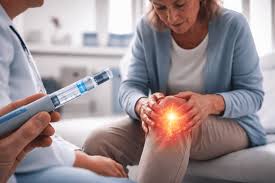
Knee pain can be a frustrating and debilitating condition that affects people of all ages. Whether you’re an athlete dealing with a sports injury or an older adult with arthritis, knee pain can interfere with your daily activities and quality of life. Fortunately, there are steps you can take to reduce knee pain and improve your overall knee health.

In this article, we’ll explore some of the most effective ways to stop knee pain. We’ll start by discussing the causes and symptoms of knee pain, as well as some common risk factors. Then, we’ll dive into various treatment and management options, including lifestyle changes, exercises, and medical interventions. Finally, we’ll answer some frequently asked questions about knee pain and offer tips for preventing future knee injuries.
Key Takeaways
- Knee pain can be caused by a variety of factors, including injury, overuse, and medical conditions like arthritis.
- Treatment options for knee pain include rest, ice, compression, elevation, exercise, physical therapy, and medication.
- To prevent knee pain, it’s important to maintain a healthy weight, stay active, wear supportive shoes, and avoid activities that put excessive strain on your knees.
Understanding Knee Pain
Knee pain is a common ailment that affects many people, and it can be caused by a variety of factors. In this section, we will discuss the causes of knee pain, the symptoms to monitor, diagnosing knee issues, types of knee pain, risk factors, and preventative measures.
Causes of Knee Pain
Knee pain can be caused by a variety of factors, including injury, overuse, and arthritis. Injuries such as a torn meniscus, ACL tear, or fracture can cause acute knee pain. Overuse injuries such as tendinitis or bursitis can cause chronic knee pain. Arthritis, including osteoarthritis, rheumatoid arthritis, and gout, can also cause knee pain.
Symptoms to Monitor
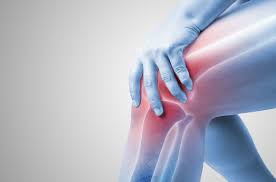
Symptoms of knee pain can include swelling, stiffness, redness, weakness, fever, popping, and difficulty walking or standing. It is important to monitor these symptoms and seek medical attention if they persist or worsen.
Diagnosing Knee Issues
To diagnose knee issues, a doctor may perform a physical exam, X-ray, or MRI. They may also refer you to a physical therapist to assess your range of motion, flexibility, and strength.
Types of Knee Pain
There are several types of knee pain, including acute and chronic pain, patellofemoral pain, osteoarthritis, rheumatoid arthritis, and septic arthritis. It is important to identify the type of knee pain to determine the appropriate treatment.
Risk Factors
Risk factors for knee pain include excess weight, age, previous injuries, and types of arthritis. It is important to manage these risk factors to prevent knee pain.
Preventative Measures
Preventative measures for knee pain include exercise, physical activity, weight loss, appropriate shoes, stretching, and wearing a knee brace if necessary. It is important to maintain a healthy diet and manage stress to prevent knee pain.
Overall, knee pain can be caused by a variety of factors, and it is important to monitor symptoms and seek medical attention if necessary. With proper diagnosis and treatment, knee pain can be managed effectively.
Treatment and Management
When it comes to treating knee pain, there are a variety of options available. In this section, we will cover several different approaches to managing knee pain, including first aid measures, medications and supplements, exercise and physical therapy, lifestyle and dietary changes, supportive devices and orthotics, and surgical and non-surgical interventions. We will also discuss alternative therapies that may be helpful for some individuals.
First Aid Measures
If you are experiencing knee pain, there are a few first aid measures that you can take to help alleviate your symptoms. The RICE method is a good place to start. This stands for Rest, Ice, Compression, and Elevation. Resting your knee will help prevent further injury, while applying ice can help reduce swelling and pain. Compression can also help reduce swelling, and elevating your knee can help improve blood flow and reduce inflammation.
Medications and Supplements
There are several medications and supplements that can be used to treat knee pain. Over-the-counter pain relievers like acetaminophen, ibuprofen, and naproxen can help reduce pain and inflammation. For more severe pain, your doctor may prescribe stronger pain medications or corticosteroids. Supplements like glucosamine and chondroitin may also be helpful for some individuals.
Exercise and Physical Therapy
Exercise and physical therapy can be very effective for managing knee pain. Strengthening exercises can help improve the stability of your knee joint, while stretching exercises can help improve flexibility. Swimming, cycling, and water aerobics are all low-impact activities that can be beneficial for individuals with knee pain. Tai chi is another low-impact activity that can help improve balance and reduce pain.
Lifestyle and Dietary Changes
Making certain lifestyle and dietary changes can also help manage knee pain. Losing weight can help reduce the amount of stress on your knee joint, while eating a healthy diet rich in anti-inflammatory foods can help reduce inflammation throughout your body. Wearing supportive shoes and using knee braces or compression sleeves can also help alleviate knee pain.
Supportive Devices and Orthotics
In addition to wearing supportive shoes and knee braces, there are other supportive devices and orthotics that can be helpful for managing knee pain. For example, a cane or crutch can help reduce the amount of weight on your knee joint, while a knee brace or compression sleeve can help provide additional support and stability.
Surgical and Non-Surgical Interventions
If conservative treatments are not effective, there are several surgical and non-surgical interventions that may be recommended. For example, arthroscopic surgery can be used to repair or remove damaged tissue in the knee joint, while joint replacement surgery may be recommended for individuals with severe osteoarthritis. Non-surgical interventions like injections of hyaluronic acid or platelet-rich plasma may also be beneficial for some individuals.
Alternative Therapies
Finally, there are several alternative therapies that may be helpful for managing knee pain. Acupuncture and massage can help reduce pain and improve mobility, while heat and cold therapy can help reduce inflammation and alleviate pain. Tai chi and yoga are also low-impact activities that can help improve balance and flexibility.
Frequently Asked Questions

What are effective physiotherapy exercises for alleviating knee pain?
Physiotherapy is an effective way to alleviate knee pain. Some recommended exercises include quadriceps strengthening, hamstring stretching, and calf strengthening exercises. These exercises can help to improve the strength and flexibility of the muscles surrounding the knee joint, which can reduce pain and improve mobility.
Which over-the-counter medicines are recommended for knee pain in the elderly?
Over-the-counter medicines such as acetaminophen and nonsteroidal anti-inflammatory drugs (NSAIDs) like ibuprofen and naproxen can be effective for managing knee pain in the elderly. However, it is important to consult with a healthcare provider before taking any medication, as some may have side effects or interact with other medications.
What natural remedies can be employed to reduce knee pain?
Natural remedies such as applying ice or heat, using essential oils, and taking supplements like glucosamine and chondroitin can be employed to reduce knee pain. However, it is important to note that natural remedies may not be effective for everyone and should not be used as a substitute for medical treatment.
What are the best practices to soothe sore knees post-exercise?
After exercising, it is important to rest and elevate the affected knee. Applying ice or heat can also help to reduce inflammation and soreness. Additionally, stretching and foam rolling can help to improve flexibility and reduce muscle tension.
How can knee pain be managed when it persists during walking?
If knee pain persists during walking, it is important to consult with a healthcare provider to determine the underlying cause. In some cases, physical therapy or surgery may be necessary to alleviate the pain. Additionally, using assistive devices such as knee braces or crutches can help to reduce pressure on the affected knee joint.
What treatments are available for knee pain caused by non-injury factors?
Knee pain caused by non-injury factors such as arthritis or bursitis can be treated with a variety of methods including physical therapy, medications, and injections. In some cases, surgery may be necessary to alleviate the pain. It is important to consult with a healthcare provider to determine the most appropriate treatment plan.


3 Comments