Preventing Knee Pain: Tips and Techniques
Knee pain can be a debilitating condition that affects many individuals. Whether it is caused by sports injuries, age-related issues, or overuse, it is important to take proactive steps to prevent knee pain. In this article, we will explore various tips and techniques to help you prevent knee pain and maintain optimal knee health. By understanding the causes of knee pain, engaging in appropriate exercise routines, maintaining a healthy weight, choosing the right footwear, and avoiding overuse and repetitive movements, you can reduce the risk of developing knee pain and enjoy an active and pain-free lifestyle.
Key Takeaways
- Understanding the causes of knee pain is crucial for prevention.
- Engaging in strengthening exercises and stretching can help maintain knee health.
- Maintaining a healthy weight can reduce stress on the knees.
- Choosing the right footwear and using orthotics can provide additional support.
- Avoiding overuse and repetitive movements can prevent knee pain.
Understanding the Causes of Knee Pain
Common Causes of Knee Pain
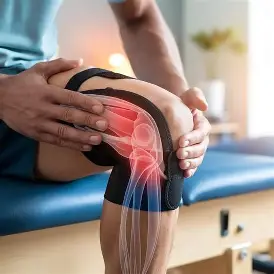
Knee pain can be caused by a variety of factors. Overuse is one common cause, especially in individuals who engage in repetitive activities or sports that put stress on the knees. Injuries are another leading cause of knee pain, with sports-related injuries being particularly common. Additionally, age-related changes in the knee joint can contribute to pain and discomfort.
To prevent knee pain, it is important to take steps to reduce the risk of these common causes. This can include modifying activities that put excessive strain on the knees, wearing protective gear during sports, and maintaining a healthy weight to reduce stress on the joints. Regular exercise and stretching can also help to keep the knees strong and flexible, reducing the likelihood of pain and injury.
In some cases, medical intervention may be necessary to address the underlying causes of knee pain. If you are experiencing persistent or severe knee pain, it is important to consult with a healthcare professional for an accurate diagnosis and appropriate treatment.
Sports Injuries and Knee Pain
Sports injuries are a common cause of knee pain, especially among athletes and active individuals. High-impact sports such as basketball, soccer, and running can put a lot of stress on the knees, leading to injuries like sprains, strains, and tears. It is important to take precautions and engage in proper warm-up exercises before participating in any physical activity to reduce the risk of knee injuries.
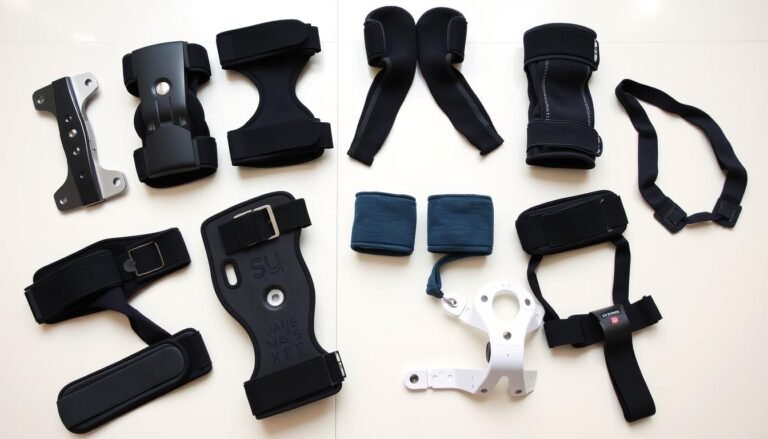
In addition to warm-up exercises, athletes should also consider wearing protective gear such as knee braces or pads to provide extra support and cushioning to the knees. These protective measures can help absorb impact and prevent direct trauma to the knee joint.
Proper technique is another crucial aspect of preventing sports-related knee injuries. Athletes should be mindful of their body mechanics and avoid sudden changes in direction or excessive twisting of the knee. It is also important to listen to the body and take breaks when necessary to avoid overexertion and fatigue.
Age-related Knee Pain
As we age, our bodies undergo natural changes that can contribute to knee pain. Joint degeneration is a common cause of knee pain in older adults. The cartilage in the knee joint may wear down over time, leading to osteoarthritis. This condition can cause pain, stiffness, and swelling in the knee. Additionally, muscle weakness and loss of flexibility can also contribute to knee pain in older individuals.
To manage age-related knee pain, it is important to take steps to maintain joint health. This can include regular exercise to strengthen the muscles around the knee and improve flexibility. Low-impact exercises such as swimming and cycling can be beneficial for older adults as they put less stress on the knee joint. It is also important to maintain a healthy weight to reduce the strain on the knees.
In addition to exercise and weight management, there are other strategies that can help alleviate age-related knee pain. Using assistive devices such as canes or walkers can provide support and reduce stress on the knees. Applying heat or cold to the affected area can also help relieve pain and inflammation. Finally, avoiding activities that put excessive strain on the knees, such as running or jumping, can help prevent further damage.
By taking proactive steps to maintain joint health and manage age-related knee pain, individuals can continue to lead active and pain-free lives as they age.
Preventing Knee Pain through Exercise
Strengthening Exercises for Knee Health
Strengthening exercises are an essential component of maintaining knee health. These exercises help to build the muscles around the knee, providing support and stability. Squats and lunges are two effective exercises that target the quadriceps, hamstrings, and glutes. Leg presses and step-ups are also beneficial for strengthening the lower body.
Regularly performing these exercises can help improve knee function and reduce the risk of injury. It is important to start with light weights or bodyweight and gradually increase the intensity as strength improves.
In addition to these exercises, it is important to incorporate balance and stability exercises into your routine. These exercises, such as single-leg stands and heel-to-toe walks, help improve proprioception and coordination, which are important for knee stability.
Remember to consult with a healthcare professional or a certified trainer before starting any new exercise program.
Stretching and Flexibility Exercises
Stretching and flexibility exercises are an essential part of preventing knee pain. These exercises help improve the range of motion in your knees and reduce the risk of injury. Dynamic stretching is particularly beneficial as it involves moving parts of your body through a full range of motion. This type of stretching can help warm up your muscles and prepare them for physical activity.
In addition to dynamic stretching, static stretching is also important. This involves holding a stretch for a certain period of time, which helps improve flexibility and reduce muscle tension. Some examples of static stretches for the knees include the quadriceps stretch, hamstring stretch, and calf stretch.
To get the most out of your stretching and flexibility exercises, it’s important to follow these tips:
- Warm up before stretching to increase blood flow to the muscles.
- Breathe deeply and relax while stretching to avoid unnecessary tension.
- Avoid bouncing or jerking movements during stretches, as this can lead to injury.
- Listen to your body and stop if you feel any pain or discomfort.
Remember, incorporating stretching and flexibility exercises into your routine can help keep your knees healthy and prevent knee pain.
Low-Impact Exercises for Knee Pain Prevention
Low-impact exercises are a great option for preventing knee pain and maintaining knee health. These exercises are gentle on the joints and can help improve strength, flexibility, and stability. Here are some low-impact exercises that you can incorporate into your routine:
- Swimming: Swimming is an excellent low-impact exercise that provides a full-body workout without putting stress on the knees. It helps strengthen the muscles around the knee joint and improves cardiovascular fitness.
- Cycling: Cycling is another low-impact exercise that is easy on the knees. It helps improve leg strength and endurance while minimizing the risk of knee injuries.
- Yoga: Yoga is a low-impact exercise that focuses on stretching, flexibility, and balance. It can help improve joint mobility and reduce stiffness in the knees.
Remember to start slowly and gradually increase the intensity and duration of your low-impact exercises. Listen to your body and stop if you experience any pain or discomfort. Incorporating these exercises into your routine can help prevent knee pain and keep your knees healthy.
Maintaining a Healthy Weight to Prevent Knee Pain
The Link Between Weight and Knee Pain
Excess weight can put added stress on the knees, leading to pain and discomfort. Maintaining a healthy weight is crucial for preventing knee pain and reducing the risk of developing knee conditions such as osteoarthritis. When the body carries excess weight, the knees have to work harder to support the load, which can lead to wear and tear on the joint. Losing weight can help alleviate knee pain and improve overall knee health.
To manage weight effectively, it’s important to adopt healthy eating habits and engage in regular physical activity. Here are some tips for weight management:
- Eat a balanced diet that includes a variety of fruits, vegetables, whole grains, lean proteins, and healthy fats.
- Limit the consumption of sugary drinks, processed foods, and high-fat snacks.
- Practice portion control and mindful eating.
- Stay hydrated by drinking plenty of water throughout the day.
Remember, maintaining a healthy weight is not only beneficial for knee health but also for overall well-being. By making small lifestyle changes and adopting a balanced approach to nutrition and exercise, you can reduce the risk of knee pain and improve your quality of life.
Tips for Weight Management
Maintaining a healthy weight is crucial for preventing knee pain. Excess weight puts added stress on the knees, increasing the risk of developing knee pain and other related conditions. Here are some tips for weight management:
- Eat a balanced diet: Include a variety of fruits, vegetables, whole grains, lean proteins, and healthy fats in your meals. Avoid excessive consumption of sugary and processed foods.
- Control portion sizes: Be mindful of your portion sizes to prevent overeating. Use smaller plates and bowls to help control your food intake.
- Stay hydrated: Drink plenty of water throughout the day to support overall health and maintain a healthy weight.
Tip: Incorporate regular physical activity into your routine to help burn calories and maintain a healthy weight. Aim for at least 150 minutes of moderate-intensity aerobic exercise or 75 minutes of vigorous-intensity exercise per week.
Remember, maintaining a healthy weight is not only beneficial for your knees but also for your overall well-being.
Healthy Eating for Knee Health
Maintaining a healthy diet is essential for promoting knee health. Eating a balanced diet that includes a variety of fruits, vegetables, whole grains, and lean proteins can help reduce inflammation and support overall joint health. Additionally, incorporating foods rich in omega-3 fatty acids, such as salmon, walnuts, and flaxseeds, can provide anti-inflammatory benefits. It is also important to limit the consumption of processed foods, sugary snacks, and beverages high in added sugars, as they can contribute to inflammation and weight gain.
To further support knee health, consider incorporating the following foods into your diet:
- Turmeric: This spice contains a compound called curcumin, which has anti-inflammatory properties.
- Leafy greens: Spinach, kale, and other leafy greens are rich in antioxidants and vitamins that promote joint health.
- Berries: Blueberries, strawberries, and other berries are packed with antioxidants that can help reduce inflammation.
Tip: When planning your meals, aim for a colorful plate filled with a variety of fruits, vegetables, and lean proteins to ensure you’re getting a wide range of nutrients that support knee health.
Proper Footwear for Knee Pain Prevention
Choosing the Right Shoes for Knee Health
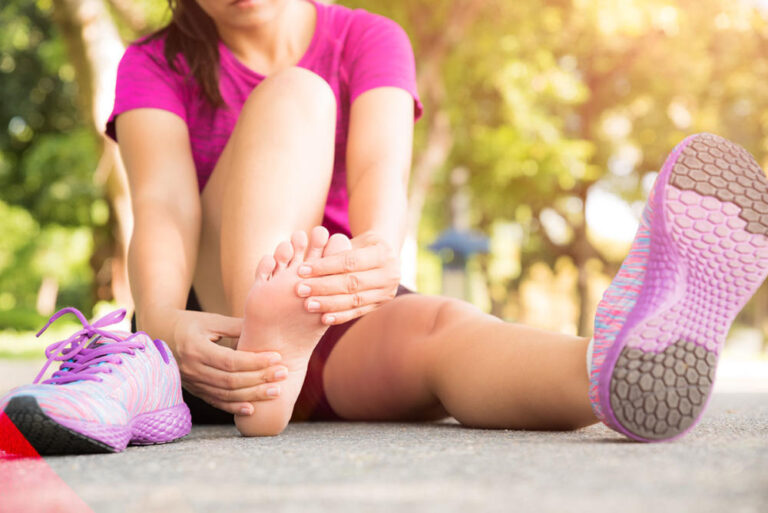
When it comes to preventing knee pain, choosing the right shoes is crucial. Proper footwear can provide the necessary support and cushioning to reduce stress on the knees. Here are some tips to help you select the right shoes:
- Look for shoes with good arch support to maintain proper alignment of the feet and knees.
- Opt for shoes with adequate cushioning to absorb shock and reduce impact on the knees.
- Consider shoes with a stability feature to provide extra support and prevent excessive pronation or supination.
It’s important to remember that everyone’s feet are different, so what works for one person may not work for another. Try on different shoes and walk around to see how they feel. If you have specific foot conditions or concerns, it may be beneficial to consult with a podiatrist or orthopedic specialist for personalized recommendations.
Tip: Don’t forget to replace your shoes regularly, as worn-out shoes can lose their cushioning and support, increasing the risk of knee pain.
Orthotics and Inserts for Knee Pain Relief
Orthotics and inserts are commonly used to provide support and relief for individuals experiencing knee pain. These devices are designed to align the foot and ankle, which can help improve joint mechanics and reduce stress on the knees. By providing cushioning and stability, orthotics and inserts can help alleviate discomfort and promote proper foot biomechanics.
In addition to their supportive role, orthotics and inserts can also help address specific alignment issues that may contribute to knee pain. For example, individuals with overpronation or flat feet may benefit from orthotics that provide arch support and help correct foot posture.
When considering orthotics and inserts for knee pain relief, it is important to consult with a healthcare professional, such as a podiatrist or orthopedic specialist. They can assess your specific needs and recommend the most appropriate type of device for your condition.
Here are some key points to keep in mind when using orthotics and inserts:
-
Ensure proper fit: It is important to choose orthotics and inserts that fit well and provide adequate support. Ill-fitting devices may not effectively alleviate knee pain and could potentially cause further discomfort.
-
Gradual adjustment: It may take some time for your feet and body to adjust to wearing orthotics and inserts. Start by wearing them for short periods and gradually increase the duration as your body adapts.
-
Regular maintenance: Keep your orthotics and inserts clean and in good condition. Follow the manufacturer’s instructions for cleaning and care to ensure optimal performance.
-
Replace as needed: Over time, orthotics and inserts may wear out and lose their effectiveness. It is important to replace them when necessary to continue experiencing the benefits they provide.
Incorporating orthotics and inserts into your daily routine can be a valuable tool in managing knee pain and promoting overall joint health. Remember to consult with a healthcare professional for personalized advice and guidance.
Tips for Proper Shoe Fit
When it comes to choosing the right shoes for knee health, there are a few important factors to consider. Proper fit is crucial to prevent discomfort and potential knee pain. Here are some tips to ensure your shoes fit correctly:
- Measure your feet regularly, as shoe sizes can change over time.
- Try on shoes in the afternoon or evening when your feet are at their largest.
- Make sure there is enough room in the toe box for your toes to move and wiggle.
- Check that the shoes provide adequate arch support to help distribute weight evenly.
Remember, finding the right shoes that fit well can make a significant difference in preventing knee pain and maintaining overall knee health.
Avoiding Overuse and Repetitive Movements
Understanding Overuse Injuries
Overuse injuries occur when a particular joint or muscle is subjected to repetitive stress or strain over a prolonged period of time. Common examples of overuse injuries include tendonitis, bursitis, and stress fractures. These injuries can be caused by activities such as running, jumping, or repetitive motions. It is important to recognize the signs of overuse injuries, which may include pain, swelling, stiffness, and limited range of motion.
To prevent overuse injuries, it is crucial to listen to your body and avoid pushing through pain. Proper warm-up and cool-down exercises can help prepare the muscles and joints for activity and aid in recovery. Cross-training and varying your exercise routine can also reduce the risk of overuse injuries by giving different muscles and joints a chance to rest and recover. Additionally, using proper form and technique during physical activities can help minimize stress on the joints and muscles.
Here are some tips to prevent overuse injuries:
- Gradually increase the intensity and duration of your workouts.
- Take regular breaks and rest days to allow your body to recover.
- Use appropriate equipment and protective gear.
- Incorporate strength training and flexibility exercises into your routine.
Remember, prevention is key when it comes to overuse injuries. By taking the necessary precautions and listening to your body, you can reduce the risk of developing knee pain and other overuse injuries.
Preventing Knee Pain from Repetitive Movements
Repetitive movements can put a lot of strain on your knees, leading to pain and discomfort. It’s important to take steps to prevent knee pain from these types of movements. Here are some tips to help you protect your knees:
-
Modify your movements: If you engage in activities that involve repetitive knee movements, try to modify your technique or find alternative ways to perform the task. This can help reduce the strain on your knees.
-
Take regular breaks: Taking breaks and resting your knees can give them time to recover and reduce the risk of overuse injuries. Make sure to incorporate regular breaks into your routine, especially during activities that require repetitive knee movements.
-
Use proper form: Using proper form and technique when performing repetitive movements can help minimize the stress on your knees. Make sure to maintain good posture and alignment to avoid unnecessary strain.
-
Strengthen your muscles: Strengthening the muscles around your knees can provide added support and stability. Focus on exercises that target the quadriceps, hamstrings, and glutes to help protect your knees.
-
Listen to your body: Pay attention to any signs of discomfort or pain in your knees. If you experience persistent or worsening pain, it’s important to seek medical attention to prevent further damage.
Remember, taking proactive steps to prevent knee pain from repetitive movements can help you maintain healthy and pain-free knees.
Taking Breaks and Resting for Knee Health
Taking breaks and resting is crucial for maintaining knee health. Overuse injuries can occur when the knees are subjected to repetitive movements without adequate rest. It is important to listen to your body and take breaks when you start to feel discomfort or fatigue in your knees. Resting allows the knees to recover and reduces the risk of developing knee pain.
In addition to taking breaks, there are other strategies you can implement to promote knee health:
- Stretching: Incorporate regular stretching exercises into your routine to improve flexibility and reduce muscle tightness around the knees.
- Strengthening: Perform exercises that target the muscles around the knees, such as squats and lunges, to improve stability and support.
- Proper form: When engaging in physical activities or exercises, ensure that you maintain proper form and technique to minimize stress on the knees.
Remember, prevention is key when it comes to knee pain. By taking breaks, incorporating stretching and strengthening exercises, and maintaining proper form, you can reduce the risk of developing knee pain and maintain optimal knee health.
Conclusion
In conclusion, preventing knee pain is essential for maintaining a healthy and active lifestyle. By following the tips and techniques mentioned in this article, such as maintaining a healthy weight, wearing proper footwear, and practicing regular exercise and stretching, individuals can significantly reduce their risk of developing knee pain. It is important to listen to your body and seek medical attention if you experience persistent or severe knee pain. Remember, prevention is key when it comes to maintaining the health and well-being of your knees.
Frequently Asked Questions
What are the most common causes of knee pain?
The most common causes of knee pain include injuries, arthritis, overuse, and age-related wear and tear.
Can sports injuries lead to knee pain?
Yes, sports injuries such as ligament tears, meniscus tears, and strains can lead to knee pain.
How can I prevent knee pain through exercise?
You can prevent knee pain through exercise by performing strengthening exercises, stretching and flexibility exercises, and low-impact exercises.
Is maintaining a healthy weight important for preventing knee pain?
Yes, maintaining a healthy weight is important for preventing knee pain as excess weight puts extra stress on the knees.
What type of footwear is best for preventing knee pain?
Choosing the right shoes that provide proper support and cushioning is important for preventing knee pain.
How can I avoid overuse and repetitive movements that can cause knee pain?
You can avoid overuse and repetitive movements that can cause knee pain by taking breaks, resting, and using proper form during activities.