Tips for Managing Knee Pain When Walking
Knee pain can be a common problem that affects many individuals, especially when walking. It can hinder mobility and make everyday activities challenging. However, by understanding the causes and symptoms of knee pain, as well as implementing preventative measures and managing techniques, it is possible to alleviate discomfort and improve overall knee health. This article will provide valuable tips for managing knee pain when walking, including information on common causes, preventative measures, and modifications to walking techniques.
Key Takeaways
- Proper footwear is essential for preventing knee pain when walking.
- Maintaining a healthy weight can reduce stress on the knees.
- Stretching and strengthening exercises can help alleviate knee pain.
- Using assistive devices, such as knee braces, can provide additional support.
- Applying ice and heat to the knees can help reduce inflammation and pain.
Understanding Knee Pain
Common Causes of Knee Pain
Knee pain can be caused by a variety of factors, including injury, overuse, and arthritis. Injuries such as sprains, strains, or tears in the ligaments or tendons surrounding the knee joint can lead to pain and discomfort. Overuse of the knee joint, especially from activities like running or jumping, can also contribute to knee pain. Additionally, conditions like osteoarthritis or rheumatoid arthritis can cause inflammation and pain in the knee. It’s important to identify the underlying cause of knee pain in order to effectively manage and treat it.
To better understand the common causes of knee pain, refer to the following table:
| Cause | Description |
|---|---|
| Injury | Includes sprains, strains, and tears in the ligaments or tendons surrounding the knee joint. |
| Overuse | Results from repetitive activities that put excessive stress on the knee joint, such as running or jumping. |
| Arthritis | Inflammation and pain in the knee joint, often caused by conditions like osteoarthritis or rheumatoid arthritis. |
It’s important to note that knee pain can have multiple causes, and a proper diagnosis from a healthcare professional is essential for effective treatment.
Types of Knee Pain
There are several types of knee pain that individuals may experience. Osteoarthritis is one common type of knee pain that occurs due to the breakdown of cartilage in the knee joint. This can cause pain, stiffness, and swelling. Patellofemoral pain syndrome is another type of knee pain that is characterized by pain around the kneecap. It is often caused by overuse or misalignment of the patella. Bursitis is a condition where the bursae, small fluid-filled sacs that cushion the knee joint, become inflamed. This can cause pain and swelling in the knee. Tendonitis is another type of knee pain that occurs when the tendons in the knee become inflamed. This can cause pain and difficulty with movement.
Here is a table summarizing the types of knee pain:
| Type of Knee Pain | Description |
|---|---|
| Osteoarthritis | Breakdown of cartilage in the knee joint |
| Patellofemoral pain syndrome | Pain around the kneecap due to overuse or misalignment |
| Bursitis | Inflammation of the bursae in the knee joint |
| Tendonitis | Inflammation of the tendons in the knee |
It’s important to consult with a healthcare professional to determine the specific type of knee pain and develop an appropriate treatment plan.
Symptoms of Knee Pain
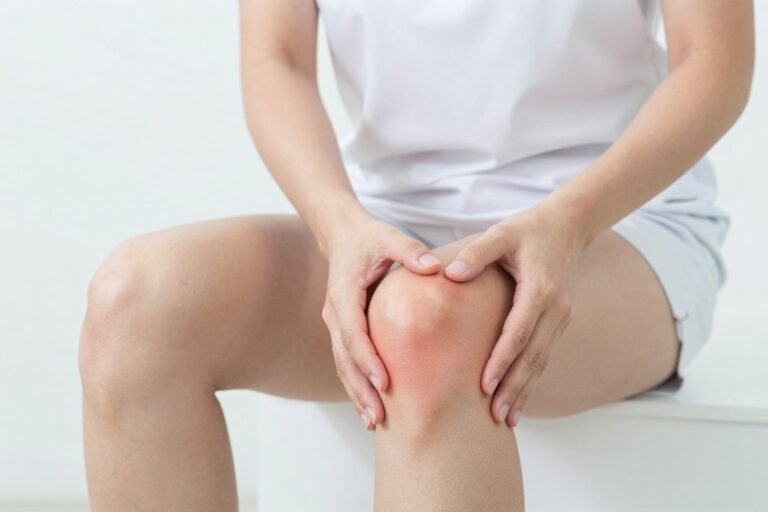
Knee pain can manifest in various ways, with different symptoms indicating different underlying issues. Common symptoms of knee pain include swelling, stiffness, redness, and warmth around the knee joint. Some individuals may also experience difficulty bearing weight on the affected knee or notice a grating or popping sensation when moving the knee. It is important to pay attention to these symptoms as they can provide valuable insights into the cause of the knee pain.
To better understand the symptoms, here is a table summarizing the common symptoms of knee pain:
| Symptom | Description |
|---|---|
| Swelling | Excess fluid accumulation in the knee joint, causing visible enlargement |
| Stiffness | Difficulty moving the knee joint, especially after periods of inactivity |
| Redness | Inflammation of the knee joint, leading to a reddish appearance |
| Warmth | Increased temperature around the knee joint, often accompanied by inflammation |
| Difficulty bearing weight | Inability to put full weight on the affected knee, leading to limping or favoring the other leg |
| Grating or popping sensation | Sensation of grinding or clicking when moving the knee joint |
It is important to note that these symptoms may vary depending on the specific condition causing the knee pain. If you are experiencing any of these symptoms, it is recommended to consult with a healthcare professional for an accurate diagnosis and appropriate treatment.
Preventing Knee Pain
Proper Footwear for Walking
When it comes to managing knee pain while walking, wearing the right footwear is crucial. Here are some tips to help you choose the best shoes:
- Supportive shoes: Look for shoes that provide good arch support and cushioning to reduce the impact on your knees.
- Proper fit: Make sure the shoes fit well and have enough room for your toes to move comfortably.
- Low heel: Opt for shoes with a low heel or no heel at all to minimize strain on your knees.
It’s important to remember that everyone’s feet and walking style are different, so what works for one person may not work for another. If you’re unsure about which shoes are best for you, consider consulting with a podiatrist or orthopedic specialist for personalized recommendations.
Maintaining a Healthy Weight
Maintaining a healthy weight is crucial for managing knee pain when walking. Excess weight puts additional stress on the knees, leading to increased pain and discomfort. Losing weight can help alleviate knee pain and improve mobility.
To achieve and maintain a healthy weight, consider the following:
- Eating a balanced diet: Focus on consuming a variety of nutrient-rich foods, including fruits, vegetables, lean proteins, and whole grains. Limit the intake of processed foods, sugary snacks, and beverages.
- Portion control: Be mindful of portion sizes and avoid overeating. Use smaller plates and bowls to help control portion sizes.
- Regular physical activity: Engage in regular exercise to burn calories and maintain muscle strength. Low-impact activities like swimming, cycling, and yoga can be beneficial for knee health.
By maintaining a healthy weight through proper diet and exercise, you can reduce the strain on your knees and manage knee pain more effectively.
Stretching and Strengthening Exercises
Stretching and strengthening exercises are essential for managing knee pain when walking. These exercises help to improve flexibility, increase muscle strength, and reduce the risk of injury. Here are some recommended exercises:
- Quadriceps Stretch: Stand upright and hold onto a wall or chair for support. Bend one knee and bring your foot towards your buttocks, holding onto your ankle or foot. Hold for 30 seconds and repeat on the other side.
- Hamstring Stretch: Sit on the edge of a chair with one leg extended in front of you. Lean forward from your hips, keeping your back straight, until you feel a stretch in the back of your thigh. Hold for 30 seconds and repeat on the other side.
- Calf Raises: Stand with your feet shoulder-width apart and hold onto a wall or chair for support. Slowly raise your heels off the ground, lifting your body weight onto your toes. Hold for a few seconds and then lower your heels back down.
Remember to start slowly and gradually increase the intensity and duration of the exercises. It’s important to listen to your body and stop if you experience any pain or discomfort. Consult with a healthcare professional before starting any new exercise program.
Managing Knee Pain
Using Assistive Devices
When managing knee pain, using assistive devices can be beneficial. These devices provide support and stability, reducing the strain on the knees while walking. Some common assistive devices include:
- Knee braces: These provide additional support to the knee joint and can help alleviate pain.
- Canes: Canes can help distribute weight away from the affected knee, reducing pressure.
- Crutches: Crutches are useful for individuals who need to completely offload weight from the knee.
It is important to consult with a healthcare professional to determine the most suitable assistive device for your specific condition. They can provide guidance on proper usage and ensure the device is fitted correctly.
Tip: When using assistive devices, make sure to maintain good posture and use them correctly to maximize their effectiveness.
Applying Ice and Heat
Applying ice and heat can help alleviate knee pain and reduce inflammation. Ice is effective in reducing swelling and numbing the area, while heat helps relax the muscles and increase blood flow. It is important to use these treatments correctly to avoid further injury.
When applying ice, wrap a cold pack or a bag of frozen vegetables in a thin towel and apply it to the affected area for about 15-20 minutes at a time. Make sure to keep a barrier between the ice and your skin to prevent frostbite.
Heat can be applied using a heating pad, warm towel, or warm water soak. Apply the heat for about 15-20 minutes at a time. Avoid using heat if there is swelling or acute inflammation, as it can worsen the condition.
Remember to always consult with a healthcare professional before starting any new treatment or if you have any concerns about using ice or heat for your knee pain.
Taking Over-the-Counter Pain Medication
When managing knee pain, taking over-the-counter pain medication can provide temporary relief. Nonsteroidal anti-inflammatory drugs (NSAIDs), such as ibuprofen and naproxen, can help reduce inflammation and alleviate pain. It is important to follow the recommended dosage and consult with a healthcare professional if you have any underlying medical conditions or are taking other medications.
In addition to NSAIDs, acetaminophen can also be effective in relieving knee pain. Acetaminophen is a pain reliever that does not have anti-inflammatory properties, making it a suitable option for individuals who cannot take NSAIDs.
While over-the-counter pain medication can provide relief, it is important to note that it only addresses the symptoms and does not treat the underlying cause of knee pain. Therefore, it is recommended to consult with a healthcare professional for a proper diagnosis and treatment plan.
Modifying Walking Techniques
Using a Walking Aid
When managing knee pain while walking, using a walking aid can provide support and stability. A walking aid, such as a cane or crutches, can help distribute weight off the affected knee and reduce pressure. It is important to choose the right walking aid that suits your needs and provides the necessary support.
In addition to using a walking aid, there are other strategies that can help alleviate knee pain. Maintaining proper posture while walking is essential to reduce strain on the knees. Keep your back straight, shoulders relaxed, and head up. This helps distribute weight evenly and reduces the impact on the knees.
Taking shorter steps can also help manage knee pain. By shortening your stride, you can reduce the stress on your knees. Focus on taking smaller, controlled steps and avoid overextending your legs. This can help minimize discomfort and prevent further aggravation of the knee.
Lastly, it is important to avoid uneven surfaces when walking with knee pain. Uneven surfaces can increase the risk of tripping or falling, which can further injure the knee. Stick to flat, even surfaces whenever possible to ensure a smooth and stable walking experience.
Taking Shorter Steps
When managing knee pain while walking, one effective technique is to take shorter steps. By reducing the length of your stride, you can minimize the impact on your knees and decrease the stress on the joint. This can help alleviate pain and discomfort, especially if you have conditions such as arthritis or tendonitis.
Taking shorter steps also allows for better control and stability while walking. It helps to maintain proper alignment of the lower body and reduces the risk of tripping or falling. Additionally, it can help distribute the weight more evenly, reducing the strain on the knees.
To implement this technique, focus on consciously shortening your stride and maintaining a slightly slower pace. It may feel unnatural at first, but with practice, it can become a habit that promotes better knee health and reduces pain.
Avoiding Uneven Surfaces
When walking, it is important to avoid uneven surfaces as they can increase the risk of knee pain and injury. Uneven surfaces can include uneven pavement, gravel paths, or unstable terrain. Walking on these surfaces can put extra stress on the knees and lead to discomfort. To minimize the impact on your knees, it is recommended to choose smooth and level walking paths whenever possible.
In addition to avoiding uneven surfaces, there are other strategies you can implement to manage knee pain when walking. These include:
- Wearing supportive footwear: Choose shoes that provide adequate cushioning and arch support to help absorb shock and reduce strain on the knees.
- Taking shorter steps: By taking smaller steps, you can reduce the impact on your knees and minimize the risk of pain or injury.
- Maintaining proper posture: Keep your back straight and your head up while walking to maintain proper alignment and reduce stress on the knees.
Remember, it is important to listen to your body and pace yourself when walking. If you experience persistent or worsening knee pain, it is recommended to consult with a healthcare professional for further evaluation and guidance.
Conclusion
In conclusion, managing knee pain when walking requires a combination of proper footwear, strengthening exercises, and moderation. It is important to listen to your body and seek medical advice if the pain persists. By following these tips, you can continue to enjoy walking while minimizing discomfort and maintaining your overall health and well-being.
Frequently Asked Questions
What are the common causes of knee pain?
Common causes of knee pain include arthritis, overuse injuries, ligament tears, and meniscus tears.
How can I prevent knee pain when walking?
You can prevent knee pain when walking by wearing proper footwear, maintaining a healthy weight, and doing stretching and strengthening exercises.
What are some effective ways to manage knee pain?
Some effective ways to manage knee pain include using assistive devices, applying ice and heat, and taking over-the-counter pain medication.
Should I use a walking aid if I have knee pain?
Using a walking aid can help reduce the pressure on your knees and provide support if you have knee pain.
Is it better to take shorter steps when walking with knee pain?
Taking shorter steps can help reduce the impact on your knees and minimize knee pain when walking.
Should I avoid walking on uneven surfaces if I have knee pain?
It is recommended to avoid walking on uneven surfaces if you have knee pain to prevent further strain on your knees.
Related Articles

About the author: Mokhtar Sahraoui
Mokhtar Sahraoui is the founder and editor of Knee Hurt. He researches and writes practical, easy-to-understand guides on knee pain, knee injuries, arthritis and recovery, based on trusted medical sources. Knee Hurt articles are general information and are not a substitute for advice from your doctor or physical therapist.





One Comment