Patella Pain Relief When Knee Bent | Tips & Care
Did you know that over 25% of people experience patella pain when the knee is bent?
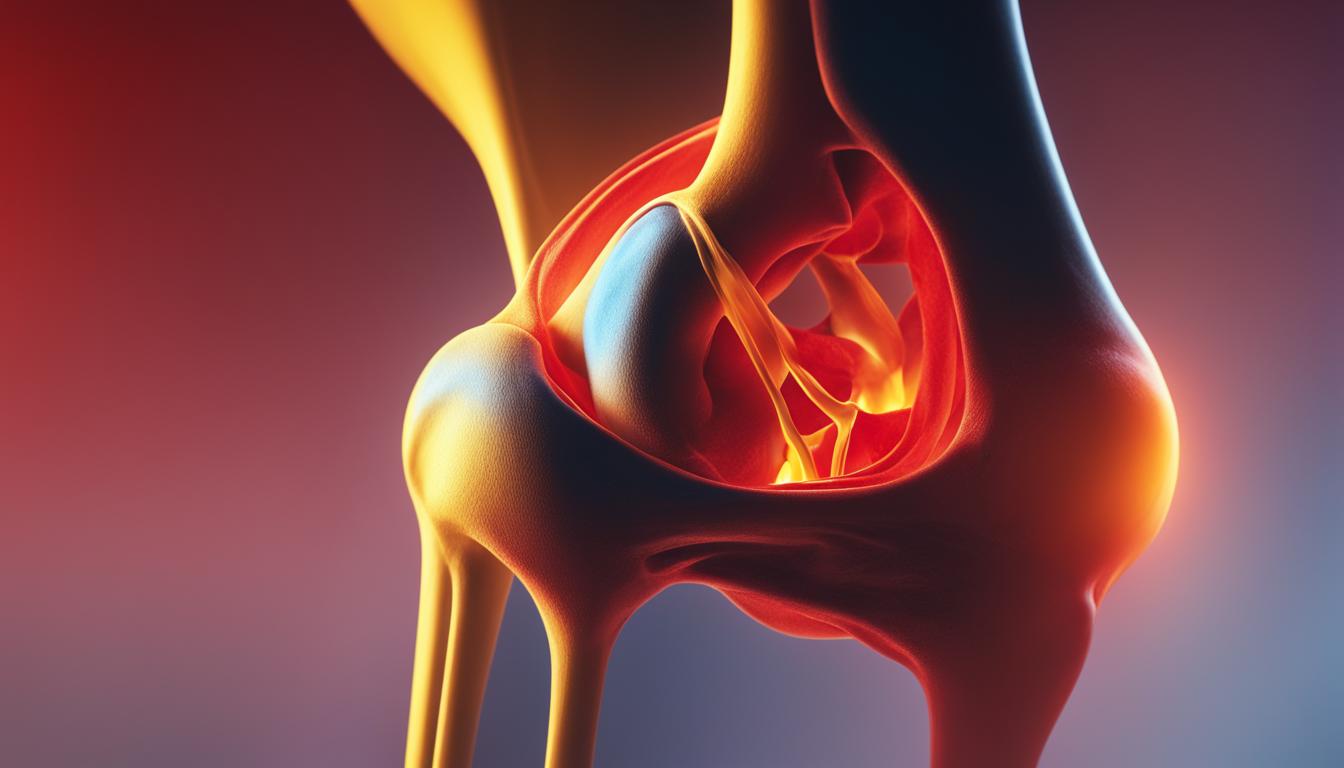
Patella pain, also known as patellofemoral pain syndrome or runner’s knee, can cause discomfort and limit mobility when the knee is flexed. This condition can affect individuals of all ages and activity levels, from athletes to sedentary individuals.
In this article, we will explore the causes, symptoms, diagnosis, treatment, and prevention of patella pain when the knee is bent. Whether you’re an avid runner, a fitness enthusiast, or someone looking for relief from knee pain, we’ve got you covered with expert tips and care strategies to help you alleviate discomfort and improve your knee health.
Causes of Patella Pain When Knee Bent
Patella pain when the knee is bent can be caused by various factors. One possible cause is a structural defect, such as a high position of the kneecap within the knee joint. This misalignment can result in increased pressure on the patella when the knee is flexed.
Another common cause of patella pain is improper walking or running technique. When the feet roll inwards while the thigh muscles pull the kneecap outward, it can lead to excessive stress and irritation on the patellofemoral joint, resulting in pain.
Weakness in the thigh muscles, particularly the quadriceps, can also contribute to patella pain when the knee is bent. When these muscles are weak, the patella may not track properly during movement, leading to abnormal stress on the joint.
Tightness in the hamstrings and Achilles tendons can also be a contributing factor. When these muscles are tight, they can alter the mechanics of the knee joint and increase the strain on the patella when the knee is bent.
Other causes of patella pain when the knee is bent include poor foot support, excessive training or overuse of the knee joint, and previous knee injuries. These factors can further aggravate the patellofemoral joint and lead to pain and discomfort.
In summary, there are several potential causes of patella pain when the knee is bent. Structural defects, improper walking or running technique, weak thigh muscles, tight hamstrings and Achilles tendons, poor foot support, excessive training, and previous knee injuries can all contribute to this type of knee pain. Identifying the underlying cause is crucial in order to implement the appropriate treatment and management strategies.
Symptoms of Patella Pain When Knee Bent
When experiencing patella pain when the knee is bent, several symptoms may manifest, indicating the presence of a knee condition. The most common symptom is a dull pain in and around the kneecap. This discomfort is typically felt during physical activity or after prolonged periods of sitting with the knees bent.
Additional symptoms that individuals may experience include:
- Rubbing, grinding, or clicking sound: Some individuals with patella pain may notice these sounds emanating from the kneecap while moving.
- Tenderness to touch: The kneecap area may feel tender to touch due to inflammation and irritation.
- Weakness or feelings of instability: Individuals may experience a sense of weakness in the knee or feelings of instability when standing or participating in activities.
- Swelling: Inflammation can lead to swelling around the kneecap, exacerbating discomfort.
If you are encountering any of these symptoms, it is crucial to consult with a healthcare provider for a proper diagnosis. They can evaluate your condition and determine the appropriate treatment plan. It is essential to differentiate between patella pain and other health issues that exhibit similar symptoms.

Diagnosis of Patella Pain When Knee Bent
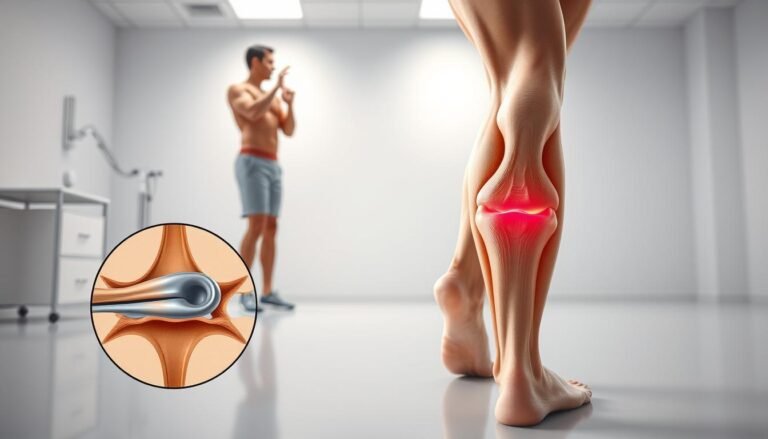
To accurately diagnose patella pain when the knee is bent, a thorough evaluation by a healthcare provider is essential. The diagnostic process typically involves considering the individual’s health history, conducting a physical examination, and, if necessary, using imaging tests.
During the physical examination, the healthcare provider will assess various aspects related to the knee and surrounding areas. This assessment helps in determining the underlying cause of the patella pain. The following evaluations are commonly performed:
- Checking for tenderness in the kneecap area
- Assessing the alignment of the lower leg and kneecap
- Evaluating knee stability and range of motion
- Testing the strength and flexibility of the thigh muscles
In some cases, X-rays may be ordered to provide a more detailed evaluation of the knee joint. X-rays can help identify any structural abnormalities or defects that contribute to the patella pain when the knee is bent. These images assist in differentiating runner’s knee (patellofemoral pain syndrome) from other knee conditions and guide in developing an appropriate treatment plan.
The accurate diagnosis of patella pain when the knee is bent is crucial for effective management and targeted treatment. It allows healthcare providers to tailor interventions specific to individual needs, promoting optimal recovery and long-term knee health.
Treatment for Patella Pain When Knee Bent
The primary goal of treatment for patella pain when the knee is bent is to relieve pain and improve knee function. The recommended treatment plan may vary depending on factors such as age, overall health, pain level, and individual preferences.
Treatment options commonly include:
- Resting from activities that cause pain.
- Using cold packs and compression knee wrap to reduce inflammation.
- Taking nonsteroidal anti-inflammatory drugs (NSAIDs) like ibuprofen for pain relief.
- Performing stretching and strengthening exercises under the guidance of a healthcare professional.
- Using arch support in shoes to provide better foot support.
In severe cases, additional interventions such as viscosupplementation injections or surgery may be considered.

| Treatment Options | Description |
|---|---|
| Resting | Avoiding activities that cause pain allows the knee to heal and reduces further irritation. |
| Cold packs and compression knee wrap | Applying cold packs and using a compression knee wrap helps reduce inflammation and alleviate pain. |
| NSAIDs | Taking nonsteroidal anti-inflammatory drugs like ibuprofen can provide pain relief and reduce inflammation. |
| Stretching and strengthening exercises | Performing specific exercises recommended by a healthcare professional can help improve knee strength and flexibility. |
| Arch support in shoes | Using footwear with arch support can provide better foot stability and support, reducing strain on the knees. |
| Viscosupplementation injections | In severe cases, injections of hyaluronic acid may be used to provide lubrication and cushioning to the knee joint. |
| Surgery | In rare cases when conservative treatments fail, surgical intervention may be necessary to correct any underlying structural issues causing patella pain. |
Prevention of Patella Pain When Knee Bent
Preventing patella pain when the knee is bent is crucial for maintaining knee health and avoiding the discomfort associated with conditions like runner’s knee or patellofemoral pain syndrome. By adopting preventive measures, you can reduce the risk of experiencing knee pain when the knee is bent and enjoy pain-free physical activities. Here are some strategies to help prevent patella pain:
- Maintain a healthy weight: Excess weight puts added strain on the knees, increasing the likelihood of experiencing knee pain when bent. By maintaining a healthy weight through a balanced diet and regular exercise, you can reduce stress on the knees and protect against patella pain.
- Stretch and warm up: Before engaging in physical activities that involve bending the knee, it’s important to stretch and warm up. This helps prepare your muscles for movement, improves flexibility, and reduces the risk of knee injuries and pain.
- Gradually increase activity intensity: If you’re new to exercise or planning to engage in activities that involve knee bending, it’s essential to gradually increase the intensity and duration of your workouts. This gives your knees time to adapt and strengthens the surrounding muscles, reducing the risk of patella pain.
- Wear proper running shoes: Choosing the right footwear is crucial for maintaining optimal knee health. When engaging in activities that involve knee bending, such as running or jogging, make sure to wear shoes that provide adequate support and cushioning to minimize impact on the knees.
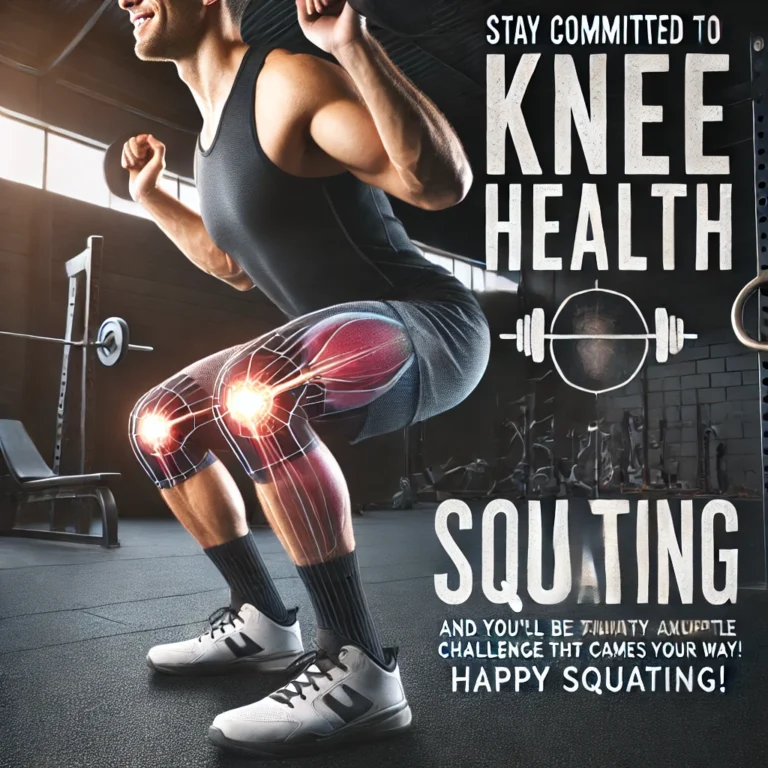
- Practice correct body alignment and movement: Proper body alignment and movement techniques during exercise can help reduce stress on the knees. When engaging in activities that involve knee bending, such as squats or lunges, focus on maintaining proper posture and form to avoid putting excessive strain on the patella.
- Seek guidance from a healthcare professional: If you’re unsure about the right exercises or techniques to prevent knee pain when the knee is bent, consider seeking guidance from a healthcare professional or physical therapist. They can provide personalized advice and recommend exercises tailored to your specific needs.
By implementing these preventive measures, you can significantly reduce the risk of experiencing patella pain when the knee is bent. However, if you do develop knee pain or suspect an underlying condition, it’s essential to consult with a healthcare professional for a proper diagnosis and personalized treatment plan.
| Preventive Measures | Benefits |
|---|---|
| Maintain a healthy weight | Reduces strain on the knees |
| Stretch and warm up | Prepares muscles for movement and reduces the risk of injuries |
| Gradually increase activity intensity | Gives knees time to adapt and strengthens surrounding muscles |
| Wear proper running shoes | Provides adequate support and cushioning to minimize impact |
| Practice correct body alignment and movement | Reduces stress on the knees during exercise |
| Seek guidance from a healthcare professional | Obtain personalized advice and exercise recommendations |
Conclusion
Patella pain when the knee is bent, also known as runner’s knee or patellofemoral pain syndrome, can be a common and bothersome issue. However, with proper care and treatment, relief is possible.
There are several strategies that can help alleviate patella pain when the knee is bent. First and foremost, it is important to rest from activities that cause pain and allow the knee to heal. Additionally, using cold packs and compression can reduce inflammation and provide temporary relief. Taking nonsteroidal anti-inflammatory drugs (NSAIDs) like ibuprofen can also help manage pain and discomfort.
Furthermore, performing specific stretching and strengthening exercises under the guidance of a healthcare professional can help improve knee stability and prevent future pain. Using arch support in shoes can provide better foot support and alleviate stress on the knee joint. It is also important to maintain a healthy weight to reduce the strain on the knees and practice proper warm-up and gradual activity progression to prevent knee pain in the first place.
In conclusion, by following these tips for knee health and implementing the appropriate strategies for patella pain relief, individuals can find relief from knee pain and improve their overall knee health. However, it is always advisable to consult a healthcare provider for a proper diagnosis and personalized treatment plan.
FAQ
What is patellofemoral pain syndrome?
Patellofemoral pain syndrome, also known as runner’s knee, refers to the dull pain felt in the front of the knee (patella) when the knee is bent. It can be caused by various factors, such as a structural defect, improper walking or running technique, weak thigh muscles, tight hamstrings or Achilles tendons, poor foot support, and excessive training.
What are the causes of patella pain when the knee is bent?
Patella pain when the knee is bent can be caused by various factors. It may be due to a structural defect, such as a high kneecap position in the knee joint. Improper walking or running technique, such as feet rolling inwards while the thigh muscles pull the kneecap outward, can also contribute to patella pain. Weak thigh muscles, tight hamstrings, and tight Achilles tendons can put extra strain on the patella when the knee is bent. Other causes include poor foot support, excessive training or overuse of the knee joint, and previous knee injury.
What are the symptoms of patella pain when the knee is bent?
The most common symptom of patella pain when the knee is bent is a dull pain in and around the kneecap. This pain is usually felt during physical activity or after sitting for a long time with the knees bent. Other symptoms may include rubbing, grinding, or clicking sound of the kneecap, tenderness to touch in the kneecap area, weakness or feelings of instability in the knee, and swelling.
How is patella pain when the knee is bent diagnosed?
To diagnose patella pain when the knee is bent, a healthcare provider will typically take into account the individual’s health history and perform a physical examination. During the examination, the provider may check for tenderness in the kneecap area, assess the alignment of the lower leg and kneecap, evaluate knee stability and range of motion, and test the strength and flexibility of the thigh muscles. X-rays may be ordered to evaluate the knee joint.
What are the treatment options for patella pain when the knee is bent?
The primary goal of treatment for patella pain when the knee is bent is to relieve pain and improve knee function. The recommended treatment plan may vary depending on factors such as age, overall health, pain level, and individual preferences. Treatment options commonly include resting from activities that cause pain, using cold packs and compression knee wrap to reduce inflammation, taking nonsteroidal anti-inflammatory drugs (NSAIDs) like ibuprofen for pain relief, performing stretching and strengthening exercises under the guidance of a healthcare professional, and using arch support in shoes to provide better foot support. In severe cases, additional interventions such as viscosupplementation injections or surgery may be considered.
How can patella pain when the knee is bent be prevented?
Preventing patella pain when the knee is bent involves taking proper care of the knees and avoiding activities that put excessive stress on them. Some preventive measures include maintaining a healthy weight to reduce the strain on the knees, stretching and warming up before engaging in physical activities, gradually increasing the intensity and duration of activities to allow the knees to adapt, wearing proper running shoes that provide adequate support and cushioning, and practicing correct body alignment and movement techniques during exercise. Seeking guidance from a healthcare professional or physical therapist can also help in preventing knee pain.
Source Links
- https://www.hopkinsmedicine.org/health/conditions-and-diseases/patellofemoral-pain-syndrome-runners-knee
- https://orthoinfo.aaos.org/en/diseases–conditions/patellofemoral-pain-syndrome/
- https://www.sutterhealth.org/services/orthopedic/kneecap-pain