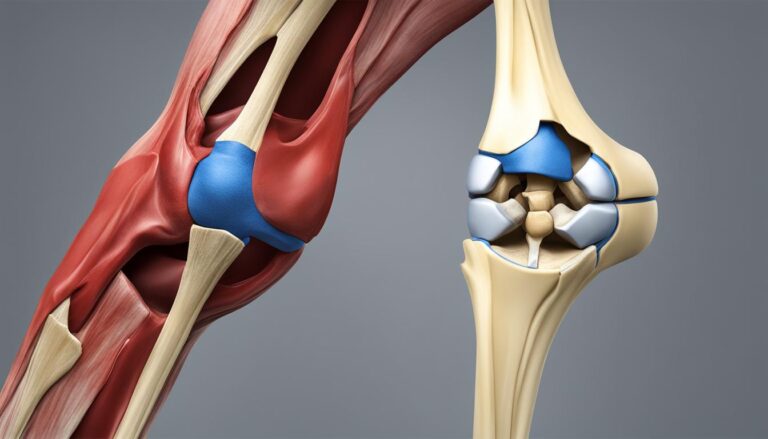
Understanding Knee Pain Causes – Get Answers Now
Did you know that knee pain affects millions of people worldwide? It is one of the most common musculoskeletal problems, causing discomfort and limiting daily activities for individuals of all ages.
Whether you are an athlete, a senior, or simply someone who enjoys an active lifestyle, understanding the causes of knee pain is crucial for effective diagnosis and treatment. From physical trauma to tissue disorders, a variety of factors can contribute to knee pain.
In this article, we will explore the different causes of knee pain, discuss possible treatment options, and provide insight into diagnosing and managing this common condition. By gaining a better understanding of knee pain, you can take control of your knee health and find relief from discomfort.
Let’s dive in and explore the world of knee pain causes so that you can get the answers you need.
Common Causes of Knee Pain
When it comes to knee pain, there are several common causes that can contribute to discomfort and limited mobility. Understanding these causes can help you identify the underlying issue and explore appropriate treatment options for relief and prevention.
1. Meniscus Tears
Ameniscus tear is a common knee injury that can occur due to sudden twisting or impact to the knee joint. It often causes pain, swelling, and stiffness, limiting your ability to move freely.
2. Ligament Tears (such as ACL)
Tears in the ligaments, such as the Anterior Cruciate Ligament (ACL), can cause significant knee pain. These injuries are often a result of sudden stops or changes in direction during physical activities.
3. Osteoarthritis (OA)
Osteoarthritis is a degenerative joint disease that commonly affects the knees. It causes the protective cartilage in the knee joints to wear down, resulting in pain, stiffness, and swelling.
4. Patellar Dislocation
Patellar dislocation occurs when the kneecap slips out of its normal position, causing sharp pain and a sensation of instability in the knee. This can be caused by sudden twists or direct impact to the knee.
5. Osteochondritis Dissecans (OCD)
Osteochondritis dissecans is a condition in which a piece of cartilage and underlying bone become detached from the knee joint. It can cause knee pain, swelling, and difficulty with joint movement.
6. Bursitis
Bursitis refers to inflammation of the bursae, which are small sacs of fluid that cushion the knee joint. It can result from repetitive motions or direct trauma and causes pain and swelling around the knee.
7. Baker’s Cyst
A Baker’s cyst is a fluid-filled sac that forms at the back of the knee. It usually develops as a result of underlying knee conditions like arthritis or meniscal tears. The cyst can cause pain, swelling, and stiffness in the knee joint.
These injuries and conditions can occur due to various factors, including traumatic injuries, repetitive motion, long-term wear and tear, or underlying tissue disorders. It is essential to consult with a healthcare professional to determine the specific cause of your knee pain and explore suitable treatment options.
Treatment options for knee pain may include:
- Medications
- Physical therapy
- Exercise programs
- Arch supports
- Braces
- Injections (such as corticosteroids, hyaluronic acid, or platelet-rich plasma)
- Surgery (such as arthroscopic surgery or knee replacement)
By addressing the underlying cause of knee pain and following a comprehensive treatment plan, you can alleviate pain, improve knee function, and prevent future issues.

| Treatment Option | Description |
|---|---|
| Medications | Prescribed to manage pain and reduce inflammation |
| Physical therapy | Involves targeted exercises and techniques to improve knee strength and flexibility |
| Exercise programs | Customized routines to strengthen the muscles around the knee and improve joint stability |
| Arch supports | Orthotic devices that provide additional support and alignment for the foot and knee |
| Braces | External supports that help stabilize the knee and provide pain relief |
| Injections | Injectable treatments to reduce pain and inflammation in the knee joint |
| Surgery | Medical procedures to repair or replace damaged structures in the knee |
Diagnosing and Treating Knee Pain
The diagnosis of knee pain involves a physical examination by a medical professional to assess the extent of the injury or condition. Imaging tests such as X-rays, CT scans, ultrasound, and MRI may be recommended to evaluate the knee joint and surrounding structures. Lab tests, including blood tests and arthrocentesis (fluid extraction), may be used to check for infection or inflammation.
Treatment options for knee pain vary depending on the underlying cause. Medications, such as pain relievers or disease-specific drugs, may be prescribed to provide knee pain relief. Physical therapy, exercises, braces, and other supportive measures can help manage knee pain and improve mobility. In some cases, injections of corticosteroids, hyaluronic acid, or platelet-rich plasma may be used to alleviate knee pain and promote healing.
Surgery may be necessary for certain conditions that do not respond to conservative treatments. Arthroscopic procedures, which involve small incisions and the use of a camera to visualize and treat the joint, are commonly performed. Partial knee replacement, total knee replacement, or osteotomy may be recommended to replace or realign damaged knee joints and provide long-term relief.
Taking Control of Your Knee Health
Knee pain is a common complaint that can have a significant impact on your daily life. It is essential to understand the symptoms, seek proper diagnosis, and follow appropriate treatment strategies to effectively manage knee pain.
Recognizing the symptoms of knee pain, such as swelling, stiffness, limited range of motion, or difficulty walking, is crucial. Once you have identified these symptoms, consult a healthcare professional who can provide a comprehensive diagnosis and create a personalized treatment plan.
To prevent knee pain, it is important to understand the underlying causes. Traumatic injuries, repetitive motion injuries, long-term wear and tear, and tissue disorders can all contribute to knee pain. By implementing preventative measures such as maintaining a healthy weight, practicing proper body mechanics during physical activities, and engaging in regular low-impact exercises to strengthen the muscles around the knee, you can reduce the risk of developing knee pain.
When it comes to relieving knee pain, there are various strategies that can be effective. These may include over-the-counter or prescription medications, physical therapy exercises, the use of supportive devices like braces, or injections to reduce inflammation. Following the recommended treatment plan and making necessary lifestyle adjustments can help minimize pain, prevent further damage, and improve overall knee function, allowing you to maintain an active and fulfilling lifestyle.
FAQ
Why do people experience knee pain?
There are several reasons why people may experience knee pain, including physical trauma, infections, metabolic problems, and tissue disorders.
What are some common causes of knee pain?
Common causes of knee pain include meniscus tears, ligament tears (such as ACL), osteoarthritis (OA), patellar dislocation, osteochondritis dissecans (OCD), bursitis, and Baker’s cyst.
How is knee pain diagnosed and treated?
Knee pain can be diagnosed through a physical examination and imaging tests such as X-rays, CT scans, ultrasound, and MRI. Treatment options for knee pain may include medications, physical therapy, exercises, braces, and injections.
How can I take control of my knee health?
Taking control of your knee health involves recognizing the symptoms, seeking proper diagnosis and treatment strategies, and implementing prevention techniques such as exercise programs, braces, and injections.
Source Links
- https://www.stoneclinic.com/knee-self-diagnosis
- https://www.mayoclinic.org/diseases-conditions/knee-pain/diagnosis-treatment/drc-20350855
- https://www.medicalnewstoday.com/articles/310653