I woke up super early. I had difficulty sleeping. At first it was a bit warm and the fan is very noisy, but the main problems were 1) another guest was snoring and 2) someone was blaring pop music at 3am. It was one song from Judy, but it woke me up. Now back to the snoring. All quests have the windows open because it is hot and there is no air conditioning. A guest snores or snores so loudly that we can all hear it! It kept waking me up. It was loud! It sounded like someone said “ew.” I don’t know, but I hope it’s milder tonight.
Then I drove to the farmers market and met my friend. It started to rain very hard. I never found my umbrella, so all I had was my windbreaker. We walked around and saw all the little stalls. I bought someone a Christmas present. Then we got in our cars and went to another small market. Between the two markets I was given lettuce, a red pepper and a tomato so I can make sandwiches. The only thing I don’t have is vegan Mayo, but I’ll have to suffer through it.
Family drove to my friend’s house. It’s the first time I’ve seen it in real life and it’s beautiful. It’s the kind of house I’d like to live in. He’s doing some renovations and additions, but he gave me a full tour. We sat outside on his lanai for a few hours and talked.
Then I drove back to Hilo where I stopped at a vegan restaurant to get a sandwich. It started raining really hard and I wanted to eat outside, so I took my sandwich back to my hotel room. Since it was almost four in the afternoon, that’s both my lunch and dinner. I’m so tired and I’m not going to get up very late tonight.
I woke up early this morning and headed to Rainbow Falls. I should have seen a rainbow, but I didn’t. I walked up the rock steps to get to the top and see the hot pools. (I think that’s what they’re called). Walking down was a bit slow.
I returned to find that my friend’s cat wouldn’t be seen at the vet until later that day and our outing was postponed. I went shopping for items like t-shirts and a dream catcher.
I came back to my room for lunch. I have a kitchen in my room so I can make my own food.
After lunch I wrote out some postcards. I was smart to put them in the car because on my next trip I stopped by a post office and was able to mail them. I drove to another waterfall called ‘Akaka. It was so beautiful.
When I got there, the employee told me to take the shortcut. I hate when people tell me what to do, so I did the whole walk. It was a total of half a mile with a lot of stairs. I took a detour to drive along the scenic route.
I got back to my hotel room just in time to meditate with the other members. When I was done, I drove to a restaurant that had vegan food for takeout.
The knee is arguably the most important and complex joint in the human body. It bears our weight, allows movement and flexibility, and absorbs tremendous impact forces. Understanding knee anatomy and function is crucial for keeping your knees healthy and recovering from injury.
This in-depth knee guide covers everything you need to know about knee anatomy, morphology, function, and common problems. Read on to learn how your knees work so you can keep them in top shape!
Knee Joint Anatomy
The knee joint connects three bones: the femur (thighbone), tibia (shinbone), and patella (kneecap). These bone structures provide the foundation of the knee.
Knee joint components:
Femur
Tibia
Patella
Joint capsule
Cartilage
Synovial membrane
Menisci
Ligaments
Tendons
Muscles
Nerves and blood vessels
The ends of the femur and tibia are covered in articular cartilage, a smooth substance that protects the bones and allows them to glide smoothly against each other.
The whole knee joint is surrounded by a joint capsule lined with synovial membrane. This produces synovial fluid that lubricates the joint and reduces friction.
There are two menisci between the femur and tibia – the medial meniscus and lateral meniscus. These C-shaped discs of cartilage act as cushions or shock absorbers in the knee.
Ligaments connect bones and provide stability to the knee:
Tendons connect muscles to bones. The quadriceps and patellar tendons are key structures that straighten the knee.
Powerful muscles like the quadriceps and hamstrings control knee movement. Smaller muscles provide additional support.
Nerves carry messages between the knee and brain to facilitate movement. The knee joint also has a rich blood supply to provide nutrients.
Knee Morphology
Knee morphology refers to the shape and form of the knee joint structures. Here are some key morphological features:
The femur has two rounded condyles that sit on the flat tibial plateau. This shape allows the knee to flex, extend, and rotate.
The patella is a triangular sesamoid bone embedded within the quadriceps tendon. It protects the knee joint and increases quadriceps leverage.
Menisci are crescent-moon shaped discs between the femur and tibia. This distributes body weight and provides congruency.
Collateral ligaments run vertically on the medial and lateral knee to resist side-to-side motion.
Cruciate ligaments cross each other inside the joint to enable rotation while limiting front-to-back translation.
Muscles like the quadriceps have large attachment sites for strong contraction leverage.
Articular cartilage is smooth and dome-shaped over bony surfaces to facilitate gliding.
The synovial membrane lines the joint capsule and folds into crevices for lubrication access.
Understanding the shape and alignment of knee structures is critical when diagnosing injuries or dysfunction.
Knee Joint Function and Biomechanics
The complex anatomy of the knee allows for specialized motions and weight bearing functions.
Main Knee Functions
Flexion and extension for walking, running, and jumping
Slight internal and external rotation for foot positioning
Weight bearing as the body’s central support joint
Shock absorption to reduce impact loading
Knee Flexion and Extension
The femur and tibia rotate against each other to produce knee flexion and extension. This hinge-like motion ranges from 0° when straight to over 140° during deep flexion.
Key structures involved in knee flexion:
Hamstrings – Flex the knee by pulling the tibia posteriorly
Gastrocnemius – Flexes knee through its connection with the hamstrings
Popliteus – Rotates femur internally during flexion
Key structures for knee extension:
Quadriceps – Straighten the knee by pulling the patella and tibia anteriorly
Soleus – Assists knee extension via synergy with the gastrocnemius
Knee Rotation
The knee joint can rotate slightly inward and outward when flexed to position the foot and lower leg. This is mediated by:
Popliteus – Internally rotates the femur
Iliotibial band – Facilitates external femoral rotation
Rotational stability is provided by the cruciate ligaments and collateral ligaments.
Shock Absorption and Impact Reduction
The knee joint structures work together to reduce damaging impact forces:
Menisci – Act as shock absorbers between the femur and tibia
Cartilage – Compresses to cushion bone articulation
Ligaments – Provide dynamic restraint to overloaded joints
Muscles – Eccentrically contract to dissipate energy
Proper knee biomechanics are essential for absorbing up to 6 times your body weight during activities like jogging!
Common Knee Problems and Injuries
Due to its complexity and heavy use, the knee joint is susceptible to various injuries and pathologies. Some of the most common knee problems include:
Sprains and Strains
Medial collateral ligament (MCL) sprain – Overstretching or tearing of the MCL from impact or twisting. Causes inner knee pain and laxity.
Lateral collateral ligament (LCL) sprain – Injury to the LCL from hyperextension or direct trauma. Results in outer knee pain.
Patellar tendon strain – Overload and inflammation where the tendon attaches to the tibia. Causes anterior knee pain.
Quadriceps/hamstring strain – Muscle overuse leading to partial tears and weakness. Hampers knee stability.
Meniscal Injuries
Meniscus tear – Occurs when abruptly twisting or rotating the knee. Torn menisci cause pain, catching, locking, and swelling.
Discoid meniscus – An abnormal thickened meniscus prone to tearing. More common medially.
Degenerative meniscal tear – Fraying and deterioration seen with aging. Associated with osteoarthritis.
Ligament Tears
ACL tear – Sudden change in direction tears the ACL. Instability, pain, and swelling follow.
PCL tear – Hyperextension injury that strains or tears the PCL. Posterior knee pain and laxity result.
Patellofemoral Problems
Patellar dislocation – The patella dislocates laterally from the femoral trochlear. Causes intense pain.
Patellofemoral pain syndrome – Anterior knee pain from improper patellar tracking. Aggravated by climbing stairs.
Patellar tendinitis (jumper’s knee) – Overuse injury of the patellar tendon. Leads to inflammation and localized pain.
Arthritis
Osteoarthritis – Degenerative joint disease causes knee cartilage to thin and wear down. Results in stiffness, swelling, and activity limitations.
Rheumatoid arthritis – Autoimmune condition that inflames the knee joint linings. Manifests as pain, warmth, and joint destruction over time.
Osgood-Schlatter Disease
Tibial tubercle apophysitis – Inflammation where the patellar tendon inserts into the tibial tubercle. Common in adolescents during growth spurts.
Treatment Options for Knee Injuries
Treating knee injuries and conditions aims to reduce pain, resolve any instability, prevent re-injury, and restore function. Treatment options may include:
RICE – Rest, ice, compression, and elevation for acute knee injuries.
Medications – NSAIDs, analgesics, corticosteroid injections to relieve pain and inflammation.
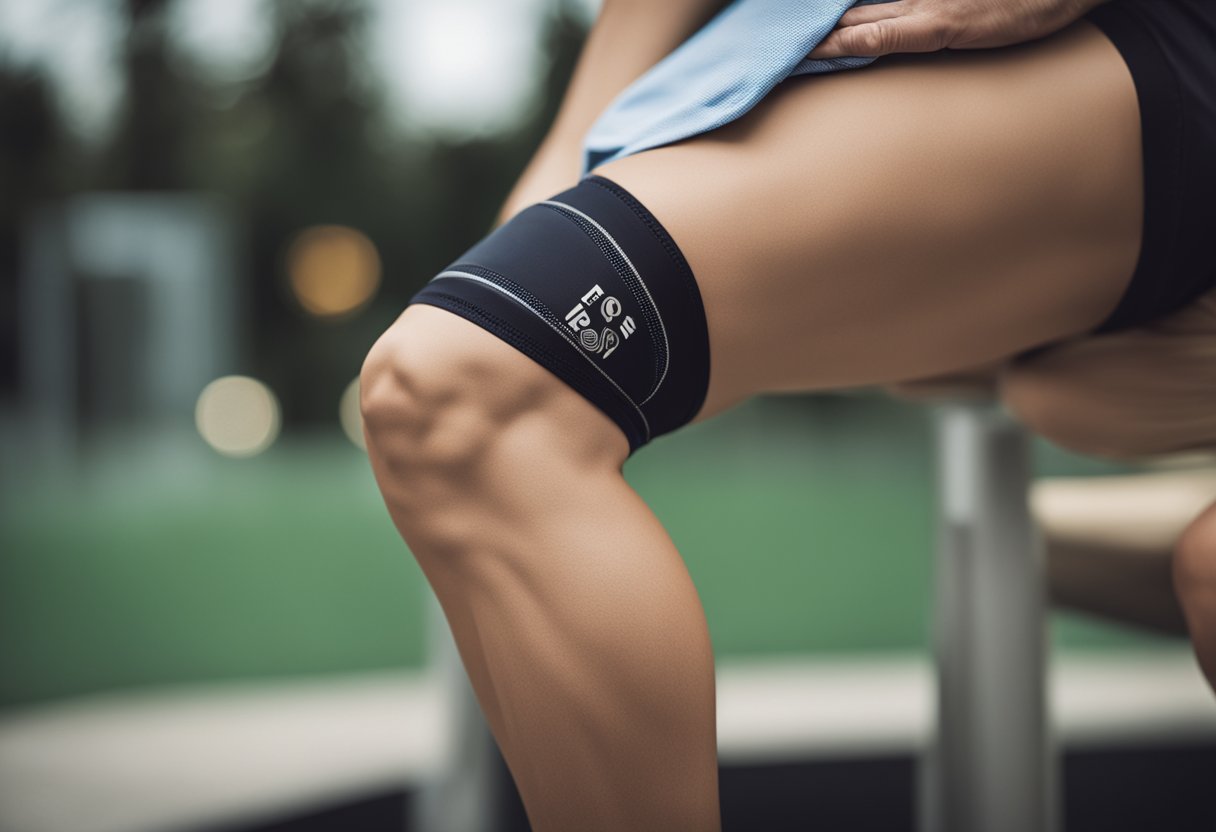
Bracing – Provides external knee support and stability during ligament injuries.
Physical therapy – Stretches, strengthening, neuromuscular retraining, manual therapy, and modalities to facilitate recovery.
Surgery – Necessary for severe ligament/meniscus tears, joint repairs, or realignment procedures.
Alternative medicine – Acupuncture, massage, cryotherapy, prolotherapy injections are complementary options.
The best treatment approach depends on the specific knee condition as well as patient factors like age, activity level, and expectations.
Knee Injury Prevention Tips
You can help avoid many common knee injuries and keep your knees healthy with these proactive prevention measures:
Maintain appropriate strength, flexibility, and endurance through exercise. Emphasize hamstrings, quads, glutes, calves, hip abductors.
Use proper biomechanics and technique when exercising, running, jumping, or performing manual labor. Avoid locking knees fully straight.
Warm up adequately before activities and sports with dynamic stretches. Cool down and stretch afterwards as well.
Wear supportive footwear designed for your sport or workplace conditions. Replace shoes regularly.
Tape or brace knees as needed for extra support during activity. Especially helpful following prior injury.
Lose excess weight to reduce stress on the knees during weight bearing.
Listen to your body pain signals. Rest and recover from activities that aggravate the knees.
The knee joint is formed by the articulation of the femur, tibia, patella, and associated soft tissue structures.
Normal knee function involves flexion/extension, slight rotation, shock absorption, and weight bearing ability.
Key knee structures include bones, articular cartilage, menisci, ligaments, tendons, muscles, and nerves/blood vessels.
Proper knee morphology like rounded condyles and angled ligaments facilitates biomechanics.
Sprains, strains, arthritis, tendinitis, and ligament tears are common knee problems.
Rehab, medications, bracing, surgery, and preventive measures can help manage knee issues.
Protecting your knees through strength, flexibility, proper mechanics, and smart training is crucial for longevity. Understanding fundamental knee anatomy and biomechanics provides great insight into keeping this vital joint healthy!
Frequently Asked Questions About the Knee Joint
Here are answers to some frequently asked questions about knee anatomy, function, injuries, and care:
What are the four bones of the knee?
The four bones that form the knee joint are the femur, tibia, fibula, and patella. The femur is the thigh bone, the tibia is the shin bone, and the patella is the kneecap. The fibula runs parallel to the tibia but does not directly articulate with the knee.
What does the ACL do?
The anterior cruciate ligament (ACL) runs diagonally through the middle of the knee to prevent the tibia from sliding forward in relation to the femur. ACL tears are unfortunately very common knee injuries, especially in sports that involve pivoting.
Why does my knee make a cracking or popping sound sometimes?
Occasional cracking or popping sounds are fairly normal in the knee and generally nothing to worry about. This can occur from tendons sliding over bony bumps or gases releasing from the fluid-filled joint spaces during movement.
What causes knee buckling?
Knee buckling or instability has multiple potential causes, including ligament tears, meniscus tears, knee arthritis, knee cap tracking problems, muscle weakness, and nerve injuries. Having a sudden giving out of the knee should be evaluated by a medical professional.
What are the symptoms of a meniscus tear?
Common symptoms of a torn meniscus include knee pain, swelling, catching or locking during activity, and a feeling that the knee may give out. Tenderness along the joint line and limited range of motion are also possible.
How long does it take to recover from knee surgery?
The recovery time after knee surgery depends on the specific procedure performed. Minor arthroscopic surgery may require only 2-4 weeks for return to normal activities, while major reconstructive surgery can take 4-9 months for full recovery. Following all post-op protocols can optimize results.
What are the best knee exercises?
Some of the best knee exercises to strengthen the structures around the joint include: quad sets, straight leg raises, heel slides, knee extensions, hamstring curls, squats, lunges, and calf raises. Low-impact exercises like swimming and cycling are also great knee-friendly options.
What causes knee osteoarthritis?
Knee osteoarthritis develops from wear and tear to the joint over time. Contributing factors include aging, obesity, joint injury, repetitive impact, muscle weakness, and misalignment. Genetics can also play a role in the degeneration of the knee cartilage, synovium, and underlying bone.
How can I tell if I sprained my MCL?
Symptoms of a grade 1 or 2 MCL knee sprain include pain on the inner knee, swelling, and tenderness over the MCL. There is usually no joint instability. A complete MCL tear can cause significant inner knee instability with valgus force. Imaging or physical exam by a doctor can confirm an MCL sprain.
I hope this comprehensive guide gives you a great overview of knee anatomy, biomechanics, injuries, treatment, and prevention tips to keep your knees in good working order for life! Let me know if you have any other knee-related questions.
Knee Hurts from Inside: Causes and Treatment Options
Knee pain can be a common issue for people of all ages and can be caused by a variety of factors. One type of knee pain that people may experience is inner knee pain, which can be particularly concerning as it may indicate damage to the knee joint. Inner knee pain is a type of pain that is felt on the inside of the knee joint and can range from mild discomfort to severe pain.
Understanding the causes of inner knee pain can be helpful in determining the best course of treatment. Some common causes of inner knee pain include cartilage deterioration, sports injuries, and trauma to the knee. Other factors that can contribute to inner knee pain include overuse of the knee joint, arthritis, and infections. It is important to seek medical attention if you are experiencing inner knee pain, as early diagnosis and treatment can help to prevent further damage to the knee joint.
Key Takeaways
Inner knee pain can be caused by a variety of factors, including cartilage deterioration, sports injuries, and trauma to the knee.
Overuse of the knee joint, arthritis, and infections can also contribute to inner knee pain.
Seeking medical attention for inner knee pain is important for early diagnosis and treatment to prevent further damage to the knee joint.
Understanding Knee Pain
As we age, our knees can become more susceptible to pain and discomfort. Knee pain can be caused by a variety of factors, including injury, overuse, and underlying medical conditions. Understanding the anatomy of the knee joint can help us better understand the causes of knee pain.
The knee joint is made up of bones, cartilage, ligaments, tendons, and muscles. The bones involved in the knee joint are the femur, tibia, and patella. The patella, or kneecap, sits at the front of the knee and connects the quadriceps muscles to the tibia. The cartilage in the knee joint helps to cushion the bones and prevent them from rubbing against each other. The ligaments and tendons in the knee joint provide stability and support.
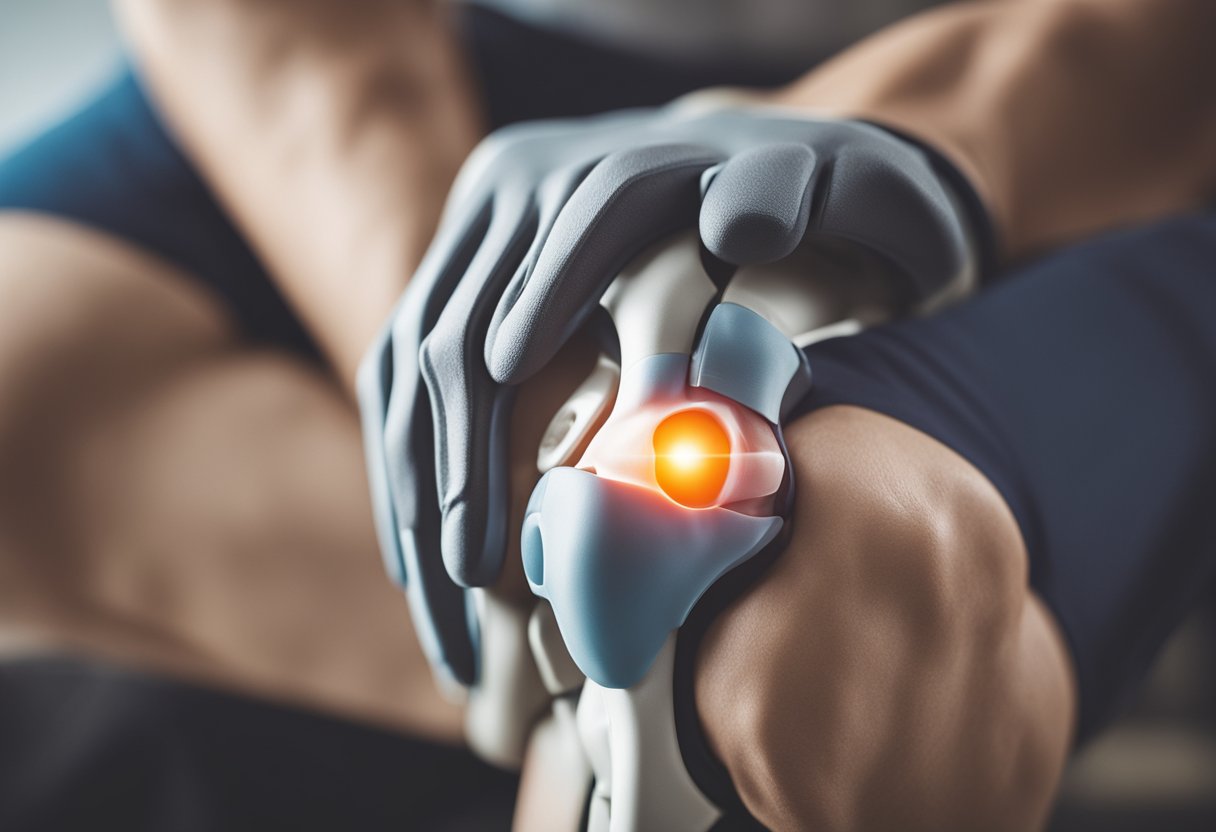
Inner knee pain can be caused by a variety of factors, including injury to the medial meniscus, medial collateral ligament (MCL), or pes anserine bursa. Osteoarthritis and rheumatoid arthritis can also cause inner knee pain. In some cases, inner knee pain may be caused by a problem in another part of the body, such as the hip or lower back.
If you are experiencing inner knee pain, it is important to seek medical attention. Your doctor can help diagnose the cause of your knee pain and recommend appropriate treatment options. Treatment options may include rest, ice, compression, elevation, physical therapy, or surgery.
In summary, knee pain can be caused by a variety of factors, including injury, overuse, and underlying medical conditions. Understanding the anatomy of the knee joint can help us better understand the causes of knee pain. If you are experiencing knee pain, it is important to seek medical attention to determine the cause and appropriate treatment options.
Causes of Inner Knee Pain
Inner knee pain can be caused by a variety of factors, including arthritis, injury, and overuse. In this section, we will discuss some of the most common causes of inner knee pain and their associated symptoms, complications, diagnosis, and treatment options.
Arthritis-Related Knee Pain
Arthritis is a common cause of knee pain, particularly in older adults. Osteoarthritis is the most common type of arthritis that affects the knee joint. It occurs when the protective cartilage that cushions the joint wears down over time, leading to pain, swelling, and stiffness. Rheumatoid arthritis is another type of arthritis that can cause knee pain. It is an autoimmune disorder that causes inflammation and swelling in the joint, leading to pain and stiffness.
Injury-Induced Knee Pain
Injuries are another common cause of knee pain, particularly in athletes. Knee injuries can occur due to direct impact or twisting of the joint. Torn meniscus or torn cartilage is a common knee injury that can cause inner knee pain. Other knee injuries that can cause inner knee pain include iliotibial band syndrome, pes anserine bursitis, and plica syndrome.
Other Causes
Other causes of inner knee pain include bursitis, gout, and infection. Bursitis is the inflammation of the bursa, a small fluid-filled sac that cushions the joint. Gout is a type of arthritis that occurs when uric acid crystals build up in the joint, leading to pain and swelling. Infection can also cause knee pain, particularly if the joint becomes swollen, warm, and tender.
Symptoms and Complications
Symptoms of inner knee pain may include swelling, inflammation, popping, warmth, tenderness, and stiffness. Complications of inner knee pain may include mobility issues, instability, and stiffness.
Diagnosis and Treatment
Diagnosis of inner knee pain may involve a physical exam, x-rays, CT scan, ultrasound, or MRI. Treatment options may include arthroscopy, injections, compression, nonsteroidal anti-inflammatory drugs (NSAIDs), arthroscopic surgery, therapy, physical therapy, surgery, knee brace, ice therapy, rest, and ibuprofen.
Prevention and Self-Care
Prevention and self-care tips for inner knee pain may include managing health, preventing overuse, and avoiding stress on the knee joint. Health tips may include eating a healthy diet, getting regular exercise, and managing weight. Preventing overuse may involve avoiding activities that put excessive stress on the knee joint, such as running or jumping. Avoiding stress on the knee joint may involve walking, bending, extending, jumping, and balancing.
Remember to always consult with a doctor if you experience persistent knee pain or swelling. They can help diagnose the underlying cause of your pain and recommend the appropriate treatment options.
Frequently Asked Questions
What are common causes of knee pain on the inside?
Inner knee pain can be caused by a variety of factors, including injuries to the medial collateral ligament (MCL), medial meniscus, or pes anserine bursa. Other potential causes include rheumatoid arthritis, medial plica irritation, and other injuries. It’s important to see a doctor if you experience persistent pain in your inner knee.
What are some exercises to relieve inner knee pain?
Some exercises that may help relieve inner knee pain include stretching and strengthening exercises for the quadriceps, hamstrings, and calf muscles. Low-impact exercises like swimming and cycling can also be helpful. However, it’s important to consult with a doctor or physical therapist before starting any exercise program.
How can I prevent inner knee pain?
To prevent inner knee pain, it’s important to maintain a healthy weight, wear proper footwear, and avoid activities that put excessive strain on the knee joint. Stretching and strengthening exercises can also help prevent knee injuries.
What are the symptoms of bursitis in the inner knee?
Symptoms of bursitis in the inner knee can include pain, swelling, and tenderness in the area around the pes anserine bursa. You may also experience difficulty bending or straightening your knee.
Is inner knee pain a sign of a serious medical condition?
Inner knee pain can be a symptom of a serious medical condition, such as rheumatoid arthritis or a torn meniscus. It’s important to see a doctor if you experience persistent pain in your inner knee.
Can walking worsen inner knee pain?
Walking can worsen inner knee pain if you have an injury or medical condition that is causing the pain. However, low-impact activities like walking can be helpful for strengthening the muscles around the knee joint and improving overall knee health. It’s important to consult with a doctor or physical therapist before starting any exercise program.
Knee pain is a common complaint that affects people of all ages. If your knees hurt when bending, you may have an injury or another health condition. Depending on the underlying cause, the pain can range in location and intensity. Knee pain can be caused by a variety of factors, such as overuse, injury, or medical conditions like arthritis.
Understanding Knee Pain is crucial in order to prevent further damage. There are several ways to prevent knee pain, such as maintaining a healthy weight, stretching before exercising, wearing proper shoes, and avoiding high-impact activities. Treatment Options for Knee Pain include rest, ice, compression, and elevation. In more severe cases, surgery may be necessary. Living with Knee Pain can be challenging, but there are ways to manage the pain and improve mobility. Physical therapy, pain medication, and assistive devices like braces or crutches can be helpful.
Key Takeaways
Knee pain can be caused by a variety of factors and can range in location and intensity.
Preventing knee pain is important and can be achieved through maintaining a healthy weight, stretching, and avoiding high-impact activities.
Treatment options for knee pain include rest, ice, compression, elevation, and in severe cases, surgery.
Understanding Knee Pain
Knee pain is a common problem that affects people of all ages. It can be caused by a variety of factors, including injuries, overuse, and medical conditions such as osteoarthritis and rheumatoid arthritis. When the knee is injured, the pain can range from mild to severe, and it can make it difficult to perform everyday activities such as walking, climbing stairs, and bending down.
The knee joint is made up of bones, cartilage, tendons, and ligaments, which work together to provide stability and flexibility. When any of these structures are damaged or inflamed, it can cause pain and discomfort. Injuries to the knee joint can include torn ligaments, torn meniscus, and dislocated kneecap. Medical conditions such as osteoarthritis and rheumatoid arthritis can also cause knee pain.
The symptoms of knee pain can vary depending on the cause. Some common symptoms include swelling, redness, stiffness, and a popping noise when the knee is bent. In some cases, the knee may feel unstable or give way when standing or walking. Other symptoms can include fever and pressure around the knee joint.
Diagnosis of knee pain typically involves a physical exam and imaging tests such as X-rays and MRI scans. Treatment options can include rest, ice, compression, and elevation (RICE), as well as medications such as NSAIDs and physical therapy. In some cases, surgery may be necessary to repair damaged structures in the knee joint.
Preventing knee pain can involve stretching and strengthening exercises, maintaining a healthy weight, and warming up before physical activity. It is also important to wear appropriate footwear and use proper techniques when performing activities that put stress on the knee joint.
In summary, knee pain can be caused by a variety of factors, including injuries, overuse, and medical conditions. Diagnosis involves a physical exam and imaging tests, and treatment options can include rest, medications, and physical therapy. Preventing knee pain involves maintaining a healthy weight, stretching and strengthening exercises, and using proper techniques during physical activity.
Preventing Knee Pain
Preventing knee pain is essential for maintaining knee health and avoiding discomfort. Here are some tips to help prevent knee pain:
Active Lifestyle
Staying active is crucial to maintaining healthy knees. Regular exercise can help improve knee strength, flexibility, and range of motion. It is important to choose exercises that are low-impact and easy on the knees, such as swimming, cycling, or walking.
Warm-Up and Range of Motion Exercises
Before starting any exercise or physical activity, it is essential to do a proper warm-up and range of motion exercises. This will help prepare the knees for physical activity and reduce the risk of injury.
Balance and Stability
Improving balance and stability can help prevent knee pain. Simple exercises such as standing on one leg or using a balance board can help improve balance and stability.
Strengthening Exercises
Strengthening exercises can help improve knee strength and reduce the risk of injury. Exercises such as squats, lunges, and leg presses can help strengthen the muscles around the knee joint.
Flexibility
Maintaining flexibility is essential for knee health. Stretching exercises such as hamstring stretches, quad stretches, and calf stretches can help improve knee flexibility and reduce the risk of injury.
Self-Care
Self-care is essential for preventing knee pain. It is important to avoid overuse and to rest the knees when they are sore or tired. Applying ice or heat to the knees can also help reduce pain and inflammation.
Health Tips
Maintaining a healthy weight is essential for knee health. Excess weight can put added stress on the knees, leading to pain and discomfort. Eating a healthy diet and staying hydrated can also help maintain knee health.
By following these tips, we can prevent knee pain and maintain healthy knees.
Treatment Options for Knee Pain
When it comes to treating knee pain, there are a variety of options available. The best treatment option for you will depend on the cause and severity of your knee pain. Here are some of the most common treatment options:
Home Treatment: For mild knee pain, home treatment can often be effective. This includes rest, ice, compression, and elevation (RICE). You can also try using heat, taking over-the-counter pain medications like ibuprofen, and massaging the affected area.
Physical Therapy: Physical therapy can be helpful for knee pain caused by injury or overuse. A physical therapist can develop a personalized exercise program to help strengthen the muscles around your knee and improve your range of motion.
Medications: Your doctor may prescribe medications to help relieve pain and reduce inflammation. Nonsteroidal anti-inflammatory drugs (NSAIDs) are often used for knee pain.
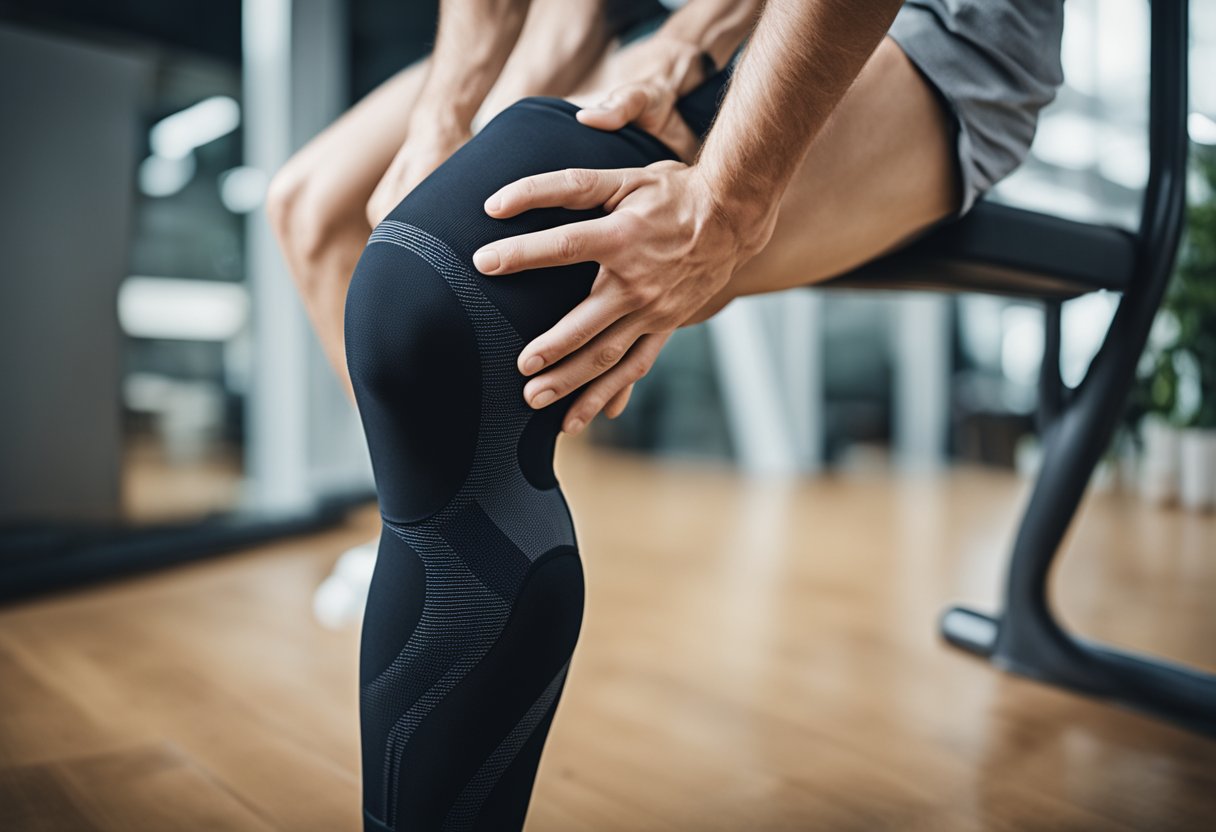
Braces: Knee braces can help support your knee and reduce pain. There are a variety of braces available, including sleeves, wraparound braces, and hinged braces.
Surgery: In some cases, surgery may be necessary to treat knee pain. This may include arthroscopic surgery to repair damaged tissue or joint replacement surgery for severe arthritis.
Physical Exam: A physical exam can help your doctor diagnose the cause of your knee pain. This may include checking for swelling, tenderness, and range of motion.
Recovery Time: The amount of time it takes to recover from knee pain will depend on the cause and severity of your pain. In general, it’s important to rest your knee and avoid activities that aggravate your pain.
Compression and Elevation: Compression and elevation can help reduce swelling and pain. You can use a compression bandage or wrap and elevate your leg above heart level.
In summary, there are a variety of treatment options available for knee pain. Your doctor can help you determine the best treatment plan for you based on the cause and severity of your pain.
Living with Knee Pain
Living with knee pain can be challenging, but there are ways to manage the discomfort and maintain an active lifestyle. It’s important to remember that self-care measures can go a long way in reducing pain and improving knee function.
One way to manage knee pain is to stay active. Exercise can help improve range of motion, strengthen muscles, and promote balance. Low-impact activities such as swimming, cycling, and walking can be great options for those with knee pain. It’s important to consult with a healthcare provider before starting a new exercise routine.
Maintaining a healthy weight is also important for managing knee pain. Excess weight can put additional stress on the knees, leading to pain and discomfort. Eating a balanced diet and engaging in regular exercise can help with weight management.
In addition to exercise and weight management, there are self-care measures that can help alleviate knee pain. Applying ice or heat to the affected area, taking over-the-counter pain medication, and using supportive devices such as knee braces can all be helpful.
It’s important to seek medical expertise on managing knee pain if the pain persists or worsens. A healthcare provider can help diagnose the underlying cause of the pain and recommend appropriate treatment options. They can also provide health tips for managing knee pain and preventing future injuries.
Overall, living with knee pain can be challenging, but there are ways to manage the discomfort and maintain an active lifestyle. By engaging in self-care measures, staying active, and seeking medical expertise when needed, we can improve our knee function and overall health.
Frequently Asked Questions
Why does my inner knee hurt when I bend it?
Inner knee pain when bending can be caused by a variety of factors such as a medial meniscus tear, MCL injury, or arthritis. It is important to see a doctor to get an accurate diagnosis and treatment plan.
What causes sharp pain in the knee when bending?
Sharp pain in the knee when bending can be caused by a number of conditions including patellar tendinitis, patellofemoral pain syndrome, or a meniscus tear. It is important to see a doctor to determine the underlying cause of the pain.
What are the red flags for knee pain?
Red flags for knee pain include severe pain, swelling, redness, warmth, fever, inability to bear weight, and locking or popping of the knee joint. If any of these symptoms are present, seek medical attention immediately.
How do I know if knee pain is serious?
Knee pain can be serious if it is accompanied by any of the red flags mentioned above or if it persists for more than a few days. If you are experiencing knee pain that is interfering with your daily activities, it is important to see a doctor to determine the underlying cause and receive appropriate treatment.
What are some ways to fix knee pain when bending?
Treatment for knee pain when bending depends on the underlying cause. Some treatment options include rest, ice, compression, elevation, physical therapy, and surgery. It is important to see a doctor to determine the best course of treatment for your specific condition.
Can excessive knee bending cause pain?
Yes, excessive knee bending can cause pain and lead to conditions such as patellar tendinitis or patellofemoral pain syndrome. It is important to maintain proper form and technique when performing exercises that involve knee bending to prevent injury.
Knees Hurt from Cold? Here’s What You Need to Know
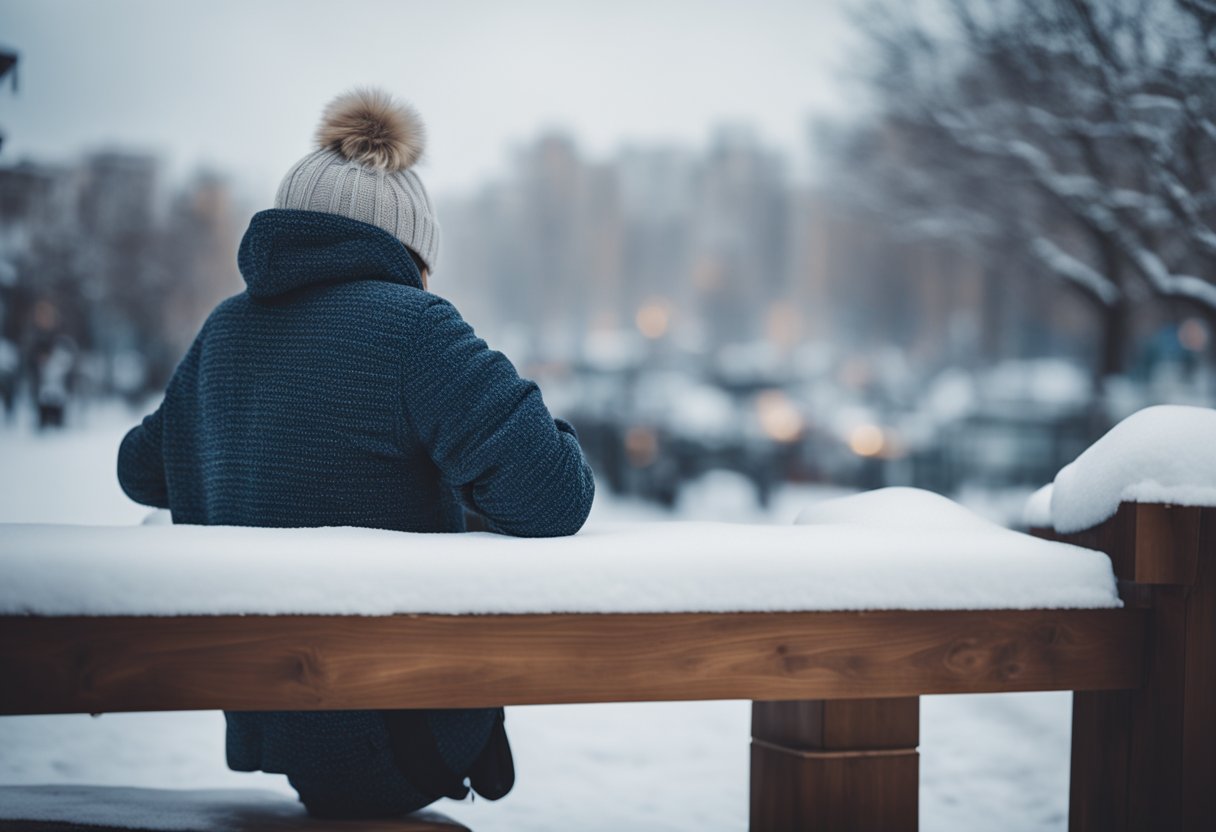
As the temperature drops, many of us may experience an uncomfortable sensation in our knees. Whether it’s a dull ache or sharp pain, cold-induced knee pain can be a frustrating and distracting issue. In this article, we’ll explore the connection between cold weather and knee pain, as well as strategies for preventing and managing this discomfort.
One possible explanation for cold-induced knee pain is the effect of temperature on joint fluid. When the weather gets colder, the fluid inside our joints may become thicker and less effective at lubricating and cushioning the joint. This can lead to increased friction and pressure, causing pain and discomfort. Additionally, cold weather can cause our muscles to contract and tighten, which can further exacerbate knee pain.
If you’re experiencing knee pain in cold weather, there are several steps you can take to alleviate your discomfort. From staying active and stretching regularly to wearing warm, supportive clothing, there are many simple strategies that can help you manage cold-induced knee pain. However, it’s important to note that if your pain is severe or persistent, it may be a sign of a more serious underlying condition. In these cases, it’s important to consult with a healthcare provider to determine the best course of treatment.
Key Takeaways
Cold weather can cause joint fluid to become thicker and less effective, leading to knee pain.
Strategies for preventing and managing cold-induced knee pain include staying active, stretching, and wearing warm, supportive clothing.
If knee pain is severe or persistent, it may be a sign of a more serious underlying condition and should be evaluated by a healthcare provider.
Understanding the Connection Between Cold Weather and Knee Pain
When temperatures drop, many people experience pain and discomfort in their knees. While the exact cause of this phenomenon is not fully understood, there are several factors that may contribute to cold weather-related knee pain.
Effects of Cold on Joints and Knees
Cold weather can cause joints and knees to become stiff and achy. This is because cold temperatures can cause joint fluid to thicken, which can make it more difficult for joints to move smoothly. Additionally, cold weather can cause nerve sensitivity, which can lead to increased pain and discomfort in the knees.
Role of Arthritis and Injuries
Arthritis is a common cause of knee pain, and cold weather may exacerbate symptoms associated with this condition. Arthritis is an inflammatory condition, and cold temperatures can cause inflammation to worsen. Additionally, people who have experienced knee injuries may be more susceptible to pain and discomfort in cold weather.
Influence of Weight and Nutrition
Maintaining a healthy weight and getting proper nutrition can help reduce the risk of knee pain in cold weather. Extra pounds can put added pressure on the knees, making them more susceptible to pain and discomfort. Additionally, getting enough vitamin D and other nutrients can help keep joints healthy and reduce the risk of inflammation and swelling.
Impact of Mood and Weather Changes
Changes in mood and weather can also play a role in cold weather-related knee pain. People who suffer from depression or other mood disorders may be more likely to experience pain and discomfort in cold weather. Additionally, changes in atmospheric pressure can cause joint pain and discomfort, especially in people with arthritis.
In summary, cold weather-related knee pain is a common issue that can be caused by a variety of factors, including joint stiffness, nerve sensitivity, arthritis, injuries, excess weight, poor nutrition, and changes in mood and weather. By taking steps to maintain joint health, manage pain, and stay active, people can reduce their risk of experiencing knee pain in cold weather.
Prevention and Management of Cold-Induced Knee Pain
If you are someone who experiences knee pain during colder months, there are steps you can take to prevent and manage discomfort. Below are some tips:
Exercise and Physical Therapy
Staying active is crucial for maintaining healthy knees. Regular exercise helps increase blood flow, strengthens muscles, and improves joint mobility. Physical therapy can also be beneficial for those with knee problems. A physical therapist can create a personalized exercise plan to help alleviate knee pain and prevent further strain.
Heat Therapy and Warm Environment
Applying heat to the affected area can help reduce pain and stiffness. A heating pad, warm showers, or a warm bath can provide relief. It’s also important to stay warm in cold weather. Dressing in layers, using an electric blanket, and staying indoors can help prevent knee discomfort.
Proper Rest and Medication
Proper rest is essential for knee health. Getting enough sleep and avoiding activities that cause knee strain can help prevent pain. Over-the-counter pain medication, such as ibuprofen, can also be used for pain management. However, it’s important to consult with a healthcare professional before taking any medication.
In addition to the above tips, there are other ways to prevent and manage cold-induced knee pain. Yoga and swimming are low-impact exercises that can help improve knee mobility and reduce strain. Drinking enough water is also important for joint health.
Overall, taking care of your knees during colder months is crucial for preventing discomfort. By staying active, applying heat therapy, and getting enough rest, you can help maintain healthy knees and reduce pain.
When to Consult a Doctor
If you experience knee pain in cold weather, it is important to consult a doctor if the pain is severe or persistent. While some discomfort is normal, excessive pain can be a sign of a serious condition that requires medical attention.
If you notice any of the following symptoms, you should make an appointment with a doctor:
Fever
Deformity
Disability
Weakness
Infections
A doctor can perform a thorough examination and diagnosis to determine the underlying cause of your knee pain. In some cases, surgery may be necessary to correct the problem.
If you have knee bursitis, dislocated knee, or runner’s knee, a doctor may recommend wearing a knee brace to provide support and stability to the joint. Patellar tendonitis may require physical therapy or other forms of treatment to help relieve pain and strengthen the knee.
It is important to seek medical attention if you experience any of these symptoms, as delaying treatment can lead to further damage and complications.
Frequently Asked Questions
Why do my legs hurt when cold air hits them?
Cold air can cause the blood vessels in your legs to constrict, which reduces blood flow to the area. This can cause discomfort and pain in your legs. Additionally, the cold can cause the fluid in your joints to thicken, which can lead to stiffness and limited mobility.
Why do my knees get cold at night?
Your knees may get cold at night because they are less insulated than other parts of your body. Additionally, if you sleep in a cold room or with a window open, the cold air can cause your knees to feel chilly.
Is it normal for my knees to hurt in the cold?
Yes, it is normal for your knees to hurt in the cold. Cold weather can exacerbate joint pain and stiffness, particularly if you have arthritis or other joint-related conditions.
What helps knee pain in cold weather?
There are several things you can do to help alleviate knee pain in cold weather. Staying active and exercising regularly can help keep your joints flexible and reduce stiffness. Wearing warm clothing and staying in a warm environment can also help. Additionally, taking over-the-counter pain relievers, such as ibuprofen or acetaminophen, can help reduce pain and inflammation.
How do you stop joint pain from a cold?
To stop joint pain from a cold, it is important to stay warm and keep your joints moving. Exercise and stretching can help keep your joints flexible and reduce stiffness. Wearing warm clothing and staying in a warm environment can also help. Additionally, taking over-the-counter pain relievers, such as ibuprofen or acetaminophen, can help reduce pain and inflammation.
Can you get arthritis from cold knees?
No, you cannot get arthritis from cold knees. However, cold weather can exacerbate joint pain and stiffness, particularly if you have arthritis or other joint-related conditions. It is important to stay warm and keep your joints moving to help alleviate these symptoms.
Kneeling is a common posture that is often required in activities such as gardening, cleaning, and praying. However, for some people, kneeling can be painful and uncomfortable, especially in the knees. Knee pain when kneeling can be caused by a variety of factors, including injury, overuse, and medical conditions like arthritis and bursitis.
Understanding the causes of knee pain from kneeling is important to prevent or manage the condition. Some people may experience mild discomfort or soreness after kneeling for a long time, while others may have sharp, shooting pain that limits their mobility. In some cases, knee pain when kneeling can be a sign of a more serious underlying condition that requires medical attention.
In this article, we will explore the causes, risk factors, diagnosis, and treatment options for knee pain when kneeling. We will also provide some tips on how to prevent knee pain when kneeling and maintain good knee health.
Understanding Knee Pain from Kneeling
Kneeling is a common activity that can cause knee pain. If you experience discomfort or pain in your knees after kneeling, it is important to understand why and what you can do to alleviate the pain.
Knee pain from kneeling can be caused by overuse or injury to the tendons, muscles, kneecap, knee joint, bones, skin, cartilage, or bursa. The prepatellar bursa, which is a small fluid-filled sac located in front of the kneecap, can become inflamed and swollen from repeated kneeling. The tibia or shinbone, and the ligaments that connect the bones in the knee joint, can also be affected.
Symptoms of knee pain from kneeling include inflammation, swelling, tenderness, redness, instability, popping, and pressure. The location and severity of the pain may vary depending on the cause of the problem.
To alleviate knee pain from kneeling, rest your knee and avoid intense activity. Ice your knee for 15 to 20 minutes every 3 to 4 hours to curb pain and swelling. You can also take over-the-counter pain medication, such as ibuprofen or acetaminophen, to help alleviate the pain.
If your knee pain from kneeling persists or worsens, it is important to seek medical attention. Your doctor can diagnose the problem and recommend appropriate treatment, which may include physical therapy, knee braces, or surgery.
In conclusion, knee pain from kneeling can be caused by a variety of factors and can be treated with rest, ice, and over-the-counter pain medication. If the pain persists or worsens, seek medical attention to receive appropriate treatment.
Causes and Risk Factors
Knee pain when kneeling can be caused by a variety of factors. Here are some of the most common causes and risk factors:
Arthritis
Arthritis is a common cause of knee pain. Osteoarthritis and rheumatoid arthritis are the two most common types of arthritis that can affect the knee joint. Osteoarthritis is a degenerative joint disease that occurs when the cartilage that cushions the joint wears down over time. Rheumatoid arthritis is an autoimmune disorder that causes inflammation in the joints.
Bursitis
Bursitis occurs when the bursae, small fluid-filled sacs that cushion the joints, become inflamed. Knee bursitis can cause swelling, pressure, and discomfort in the knee.
Tendinitis
Tendinitis is the inflammation of a tendon, which is the tissue that connects muscle to bone. Patellar tendinitis, also known as jumper’s knee, is a common type of tendinitis that affects the knee.
Meniscus Tear
A meniscus tear is a common knee injury that can cause pain when kneeling. The meniscus is a piece of cartilage that cushions the knee joint. A tear in the meniscus can cause pain, swelling, and stiffness in the knee.
Iliotibial Band Syndrome
Iliotibial band syndrome is a common overuse injury that affects runners and other athletes. It occurs when the iliotibial band, a thick band of tissue that runs from the hip to the knee, becomes inflamed.
Dislocated Kneecap
A dislocated kneecap occurs when the patella, or kneecap, slips out of place. This can cause pain and swelling in the knee.
Gout
Gout is a type of arthritis that occurs when uric acid crystals build up in the joints. It can cause sudden and severe pain in the knee.
Infections
Infections can also cause knee pain. If you have a fever or notice redness and warmth around the knee, it could be a sign of an infection.
Other Risk Factors
Other risk factors for knee pain when kneeling include being overweight, aging, stress on the knee joint from activities like squatting or sitting for long periods of time, and overuse injuries from activities like running. Physical therapy and staying active can help prevent knee pain and improve knee function.
Diagnosis and Treatment Options
If you are experiencing knee pain from kneeling, it is important to seek medical attention to determine the cause of your pain. A doctor can perform a physical exam to evaluate the integrity of the structures in your knee, including checking for swelling, pain, tenderness, warmth, and visible bruising. They may also push or pull on the joint to assess its function.
Imaging tests, such as X-rays, MRIs, CT scans, or bone scans, may be ordered to help diagnose the cause of your knee pain. If an infection is suspected, antibiotics may be prescribed. Pain medications, such as acetaminophen or NSAIDs, may also be recommended to manage pain and inflammation.
In some cases, surgery may be necessary to correct the underlying issue causing knee pain. Knee replacement surgery may be considered if the knee joint is severely damaged. Physical therapy may also be recommended to improve knee mobility and strength. A physical therapist can create a personalized exercise plan to help you recover from knee pain.
In addition to medical treatment, there are also some self-care techniques that can help manage knee pain. Resting the knee and avoiding activities that exacerbate pain can help reduce inflammation and promote healing. Applying ice or heat, using compression, and elevating the knee may also help alleviate pain and swelling. Stretching and gradually increasing mobility can also help improve knee function. Knee braces may also be recommended to provide support and stability during activity.
Overall, there are many different treatment options available for knee pain from kneeling. By working with a medical professional and following a personalized treatment plan, individuals can manage their knee pain and improve their quality of life.
Prevention and Health Tips
Preventing knee pain from kneeling is essential to maintaining healthy joints. Here are some tips to keep your knees healthy and pain-free:
Stretch before and after kneeling: Stretching can help prevent knee pain by loosening up the muscles and tendons in the knee area. Try stretching your hamstrings, quadriceps, and calves before and after kneeling.
Rest and take breaks: Resting and taking breaks can help prevent knee pain from overuse. Take frequent breaks when kneeling for extended periods and avoid kneeling on hard surfaces for too long.
Apply warm or cold compresses: Applying warm or cold compresses to your knees can help relieve pain and reduce swelling. Use a warm compress for stiff or sore muscles and joints and a cold compress for acute injuries.
Use compression and elevation: Compression and elevation can help reduce swelling and pain in the knee area. Use a compression wrap or bandage on the knee and elevate your leg above your heart to reduce swelling.
Consider physical therapy: Physical therapy can help prevent knee pain by strengthening the muscles around the knee joint. A physical therapist can create a tailored exercise program to help you maintain healthy knees.
Wear kneepads: Wearing kneepads can help prevent knee pain from kneeling on hard surfaces. Choose kneepads with adequate cushioning and support.
Maintain a healthy weight: Being overweight can put excess stress on your knees, leading to knee pain and other joint problems. Maintaining a healthy weight can help prevent knee pain and improve overall joint health.
Research advancements in knee pain prevention and treatment are ongoing. Consult with a healthcare professional if you experience persistent knee pain or have any concerns about your knee health. According to the Mayo Clinic, early diagnosis and treatment can help prevent long-term knee problems.
Frequently Asked Questions
What causes sudden, sharp knee pain when kneeling?
Sudden, sharp knee pain when kneeling can be caused by a number of conditions, such as patellar tendonitis, bursitis, or arthritis. It can also be caused by an injury or overuse of the knee joint. If you experience sudden, sharp knee pain when kneeling, it is important to consult with a healthcare professional to determine the underlying cause and appropriate treatment.
How can I treat burning knee pain when kneeling?
Burning knee pain when kneeling can be treated with rest, ice, compression, and elevation (RICE). Over-the-counter pain medications such as ibuprofen or acetaminophen can also help alleviate pain. If the pain persists, it is important to consult with a healthcare professional to determine the underlying cause and appropriate treatment.
What are some common treatments for knee bursitis?
Common treatments for knee bursitis include rest, ice, compression, and elevation (RICE), as well as over-the-counter pain medications such as ibuprofen or acetaminophen. In some cases, a healthcare professional may recommend physical therapy, corticosteroid injections, or even surgery.
What is the best way to alleviate knee pain from kneeling?
The best way to alleviate knee pain from kneeling is to avoid kneeling altogether. If kneeling cannot be avoided, it is important to use knee pads or a cushioned surface to reduce pressure on the knee joint. Additionally, stretching and strengthening exercises can help improve knee joint function and reduce pain.
How can I prevent knee pain when kneeling after a fall?
To prevent knee pain when kneeling after a fall, it is important to wear appropriate footwear with good traction and to be cautious when walking on slippery or uneven surfaces. Additionally, stretching and strengthening exercises can help improve knee joint function and reduce the risk of injury.
What are some effective ways to treat housemaid’s knees?
Effective ways to treat housemaid’s knees include rest, ice, compression, and elevation (RICE), as well as over-the-counter pain medications such as ibuprofen or acetaminophen. In some cases, a healthcare professional may recommend physical therapy, corticosteroid injections, or even surgery. It is also important to avoid activities that aggravate the knee joint and to use knee pads or a cushioned surface when kneeling.
Knee Hurts Fully Extended: Causes and Treatment Options
When our knee hurts when fully extended, it can be a frustrating and painful experience. The knee joint is one of the largest and most complex joints in the body, and it is responsible for supporting our body weight and allowing us to move freely. When we experience pain in the knee, it can be a sign of an underlying issue that needs attention.
Understanding Knee Pain When Fully Extended is the first step in finding relief and preventing further injury. Pain in the knee when fully extended can be caused by a variety of factors, including injury, overuse, and underlying medical conditions. Common symptoms include sharp pain, swelling, stiffness, and difficulty walking or bearing weight on the affected leg.
If you are experiencing knee pain when fully extended, it is important to seek medical attention to determine the cause of your pain and develop an appropriate treatment plan. In this article, we will explore the common causes of knee pain when fully extended, treatment options, and prevention strategies to help you maintain healthy knees.
Key Takeaways
Knee pain when fully extended can be caused by injury, overuse, or underlying medical conditions.
Common symptoms include sharp pain, swelling, stiffness, and difficulty walking or bearing weight on the affected leg.
Seeking medical attention, proper treatment, and prevention strategies can help alleviate knee pain and maintain healthy knees.
Understanding Knee Pain When Fully Extended
When our knee hurts when fully extended, it can be a sign of an underlying issue. The knee joint is made up of the femur, tibia, and patella, and is surrounded by muscles, tendons, and ligaments that help it move and provide support. Knee pain can occur due to various reasons, including injury, overuse, or medical conditions like arthritis.
One of the most common causes of knee pain when fully extended is hyperextension. Hyperextension occurs when the knee joint is bent backward beyond its usual range of motion, causing strain on the connective tissues that hold it in place. This injury is common in sports that involve sudden stops and changes of direction, such as basketball and soccer.
Another cause of knee pain when fully extended is patellar tendinitis, which is an inflammation of the tendon that connects the patella to the tibia. This condition is common in athletes who frequently jump and land on hard surfaces, such as basketball players.
Location is also an important factor in understanding knee pain. Pain in the front of the knee, around the kneecap, is often caused by issues with the patella, while pain on the sides of the knee can be due to problems with the ligaments or meniscus. Pain in the back of the knee can be caused by issues with the hamstring muscles or the popliteal tendon.
It is important to seek medical attention if knee pain persists or is severe, as it could be a sign of a more serious injury or medical condition. Treatment options for knee pain include rest, ice, compression, and elevation, as well as physical therapy and medication. In some cases, surgery may be necessary to repair damage to the knee joint or surrounding tissues.
In summary, knee pain when fully extended can be caused by a range of issues, including hyperextension, patellar tendinitis, and problems with the ligaments or meniscus. It is important to seek medical attention if pain persists or is severe, and to follow recommended treatment options to prevent further injury or damage.
Common Causes and Symptoms
When our knee hurts when fully extended, it can be due to a variety of causes. Injuries are a common cause of knee pain, especially in men. A sudden force or trauma to the knee joint can cause ligaments and tendons to tear, resulting in pain and swelling. A popping or twisting sensation in the knee can be a sign of a torn ACL (anterior cruciate ligament) or meniscus, which are common knee injuries.
Age and wear and tear can also cause knee pain. Osteoarthritis is a common form of arthritis that affects the knee joint and can cause stiffness, weakness, and pain. Rheumatoid arthritis is another type of arthritis that can cause knee pain and swelling.
Overuse and repetitive motions can also cause knee pain. Patellofemoral pain syndrome, also known as runner’s knee, is a common overuse injury that causes pain in the front of the knee. Tendonitis, which is inflammation of the tendons, can also cause knee pain.
A hyperextended knee can also cause knee pain when fully extended. This occurs when the knee joint is forced beyond its normal range of motion, causing pain, swelling, and instability. Other symptoms of a hyperextended knee can include bruising, redness, and warmth in the leg.
Knee bursitis and Baker’s cysts are other conditions that can cause knee pain. Knee bursitis is inflammation of the bursae, small fluid-filled sacs that cushion the knee joint. Baker’s cysts are fluid-filled sacs that form behind the knee and can cause pain and stiffness.
If you experience knee pain, it is important to see a doctor to diagnose the underlying cause. Symptoms such as redness, fever, and swelling can be signs of a more serious condition and should be evaluated by a medical professional.
Treatment and Recovery
If you have a hyperextended knee and experience pain, swelling, or stiffness, there are several treatment options available. The most common approach is to follow the RICE protocol, which stands for Rest, Ice, Compression, and Elevation.
Rest is essential to allow the injured knee to heal, and it is crucial to avoid activities that could further damage the knee. Ice can help reduce swelling and inflammation. Apply ice to the affected knee for 15 minutes several times a day. Wrap a towel or cloth around the ice pack to prevent direct contact with your skin.
Compression can help reduce swelling and provide support for the knee. You can use an elastic bandage or knee brace to compress the knee. Make sure the compression is not too tight, as this can cause additional problems. Elevation can also help reduce swelling by allowing fluids to drain away from the knee.
If the injury is severe, surgery may be necessary to repair damaged ligaments or cartilage. Physical therapy may also be recommended to help restore strength and range of motion to the knee. Recovery time will vary depending on the severity of the injury and the treatment approach.
If you suspect a knee injury, it is essential to seek medical attention promptly. An X-ray or MRI may be necessary to determine the extent of the damage. Injuries to the anterior cruciate ligament (ACL) or posterior cruciate ligament (PCL) may require more intensive treatment and longer recovery times.
In summary, treatment for a hyperextended knee typically involves rest, ice, compression, and elevation. Recovery time will depend on the severity of the injury and the treatment approach. Surgery and physical therapy may be necessary for more severe injuries. It is crucial to seek medical attention promptly to ensure proper diagnosis and treatment.
Prevention and Maintenance
When it comes to preventing knee pain from fully extending, there are several steps we can take. First and foremost, maintaining a healthy weight can reduce the risk of knee injury. Being overweight puts extra stress on our knees, which can cause pain and inflammation.
Athletes and those who engage in sports should take extra precautions to prevent knee injuries. Warming up before exercise is crucial for preventing sprains and strains. Proper technique and form can also help reduce the risk of injury, especially in contact sports like basketball, football, and soccer.
Stretching is another important aspect of knee injury prevention. Incorporating stretching exercises into our daily routine can help improve flexibility and reduce the risk of knee pain. Swimming and other low-impact exercises can also be beneficial for maintaining knee health.
Inflammation can also contribute to knee pain and injury. To help reduce inflammation, we can incorporate anti-inflammatory foods into our diet, such as fruits, vegetables, and whole grains. Additionally, taking breaks and avoiding overuse of the knees can help prevent inflammation and pain.
Regular physical exams can also help identify any potential knee issues early on, allowing for prompt treatment and prevention of further injury. Using proper footwear and cushioning can also help reduce the impact on our knees during daily activities like walking and running.
Overall, taking steps to prevent knee injury and maintain knee health can help us avoid the pain and discomfort of knee pain from fully extending. By incorporating stretching, warm-up exercises, proper technique, and healthy habits into our daily routine, we can keep our knees healthy and pain-free.
Frequently Asked Questions
What causes knee pain when straightening the leg after sitting?
Knee pain when straightening the leg after sitting can be caused by a variety of factors such as overuse, injury, or underlying medical conditions like arthritis. It can also be caused by tight muscles or tendons around the knee joint.
What are some treatments for knee pain when straightening the leg?
Treatments for knee pain when straightening the leg include rest, ice, compression, and elevation (RICE), physical therapy, and medication. In some cases, surgery may be necessary. It is important to consult a healthcare professional to determine the best course of treatment.
How can I relieve knee cap pain when straightening my leg?
To relieve knee cap pain when straightening the leg, you can try exercises that strengthen the quadriceps muscles, such as straight leg raises. It is also important to stretch the muscles around the knee joint and use proper form during physical activity.
What are some common reasons for knee pain when fully extending the leg?
Common reasons for knee pain when fully extending the leg include ligament injuries, meniscus tears, patellar tendonitis, and arthritis. It is important to consult a healthcare professional for an accurate diagnosis and treatment plan.
How can I prevent knee pain when straightening my leg?
To prevent knee pain when straightening the leg, it is important to maintain proper form during physical activity, wear proper footwear, and gradually increase the intensity of physical activity. Stretching before and after exercise can also help prevent knee pain.
What are some exercises to help with knee pain when straightening the leg?
Exercises that can help with knee pain when straightening the leg include straight leg raises, hamstring curls, and leg presses. It is important to consult a healthcare professional or physical therapist to determine the best exercises for your specific condition.
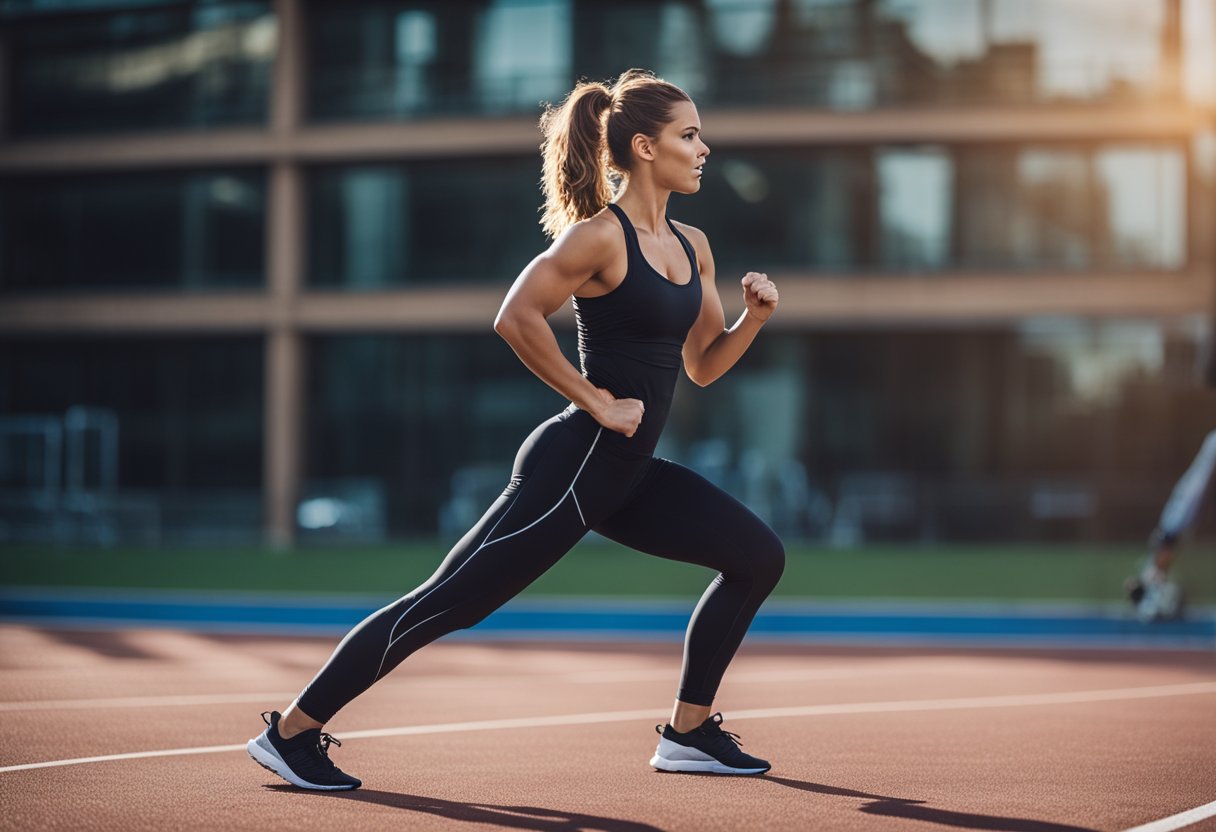
Knee pain during lunges is a common issue that many people experience. The pain can be caused by improper form or muscle imbalances. Lunges are a great exercise for strengthening the lower body, but if done incorrectly, they can put unnecessary stress on the knees.
Understanding the reasons for knee pain during lunges is essential to prevent further injury. Proper form and technique are crucial in avoiding knee pain during lunges. Engaging the correct muscles and maintaining a stable core can help distribute the weight evenly and reduce the strain on the knees. Additionally, muscle imbalances can also cause knee pain during lunges. Strengthening the weaker muscles and stretching the tighter ones can help alleviate knee pain during lunges.
Key Takeaways
Knee pain during lunges is a common issue caused by improper form or muscle imbalances.
Proper form and technique, as well as muscle engagement, are essential in avoiding knee pain during lunges.
Strengthening weaker muscles and stretching tighter ones can help alleviate knee pain during lunges.
Understanding Knee Pain During Lunges
When performing lunges, it is common to experience knee pain or discomfort. This can be due to a variety of reasons, including improper form, muscle imbalances, or pre-existing knee injuries.
One common cause of knee pain during lunges is performing the exercise incorrectly. This can involve using improper form, such as leaning too far forward or allowing the knee to extend past the toes. When lunging incorrectly, the knee joint can become compromised, leading to added pressure and discomfort.
Another cause of knee pain from lunges is performing the exercise at extreme angles. For example, performing a lunge with the front foot turned out too far can place added stress on the knee joint, leading to discomfort or injury.
It is important to note that knee pain during lunges can also be a sign of pre-existing knee injuries or muscle imbalances. If you experience persistent knee pain or discomfort during lunges, it is important to consult with a medical professional to determine the underlying cause and develop an appropriate treatment plan.
To prevent knee pain during lunges, it is important to focus on proper form and technique. This includes keeping the knee in line with the toes, maintaining a neutral spine, and engaging the core and glutes to provide support and stability.
In summary, knee pain during lunges can be caused by a variety of factors, including improper form, extreme angles, and pre-existing knee injuries or imbalances. By focusing on proper form and consulting with a medical professional as needed, it is possible to prevent and manage knee pain during lunges.
Proper Form and Technique for Lunges
When performing lunges, proper form and technique are crucial to avoid knee pain and injury. Here are some tips to ensure proper form and technique for different types of lunges:
Forward Lunge
Stand with feet hip-width apart, engage core muscles and keep your back straight.
Take a big step forward with one foot, keeping your knee above your ankle.
Lower your hips towards the ground until your front thigh is parallel to the ground, and your back knee is just above the floor.
Push through your front heel to return to the starting position.
Static Lunge
Start with feet hip-width apart, engage core muscles and keep your back straight.
Take a big step forward with one foot, keeping your knee above your ankle.
Lower your hips towards the ground until your front thigh is parallel to the ground, and your back knee is just above the floor.
Hold the position for a few seconds, then push through your front heel to return to the starting position.
Walking Lunge
Stand with feet hip-width apart, engage core muscles and keep your back straight.
Take a big step forward with one foot, keeping your knee above your ankle.
Lower your hips towards the ground until your front thigh is parallel to the ground, and your back knee is just above the floor.
Push through your front heel to bring your back foot forward and take another step.
Repeat the movement, alternating legs.
Back Lunge
Stand with feet hip-width apart, engage core muscles and keep your back straight.
Take a big step backward with one foot, keeping your knee above your ankle.
Lower your hips towards the ground until your back knee is just above the floor.
Push through your front heel to return to the starting position.
When performing any type of lunge, it’s important to maintain proper alignment and posture. Keep your shoulders back and down, your chest lifted, and your gaze forward. Avoid leaning forward or rounding your shoulders.
Remember to also engage your core muscles throughout the movement to help stabilize your body and protect your knees. By following these tips, you can perform lunges with proper form and technique, reducing the risk of knee pain and injury.
Muscle Engagement and Imbalances
When performing lunges, it is important to engage the correct muscles to avoid pain and injury. The primary muscle groups involved in lunges are the glutes, hamstrings, quadriceps, and core. Proper engagement of these muscles helps to stabilize the hip and knee joints, ensuring safe and effective movement.
However, muscle imbalances can occur when one muscle group is stronger than another. This can cause pain in the knees and other joints. For example, if the quadriceps are stronger than the hamstrings, it can put extra strain on the knee joint.
To address muscle imbalances, it is important to include exercises that target both the weaker and stronger muscle groups. Strengthening exercises such as glute bridges, modified bridges, clamshells, and hip rotations can help to balance out the muscles in the lower body. Chair squats and high knee walks can also help to improve neuromuscular control and balance.
In addition to strengthening exercises, mobility and flexibility exercises can help to address tight muscles that may be contributing to muscle imbalances. Foam rolling and stretching can help to release tension in the muscles and improve range of motion.
It is also important to pay attention to proper form when performing lunges and other exercises. Maintaining proper alignment and avoiding compensation can help to prevent muscle imbalances and reduce the risk of injury. This includes keeping the knees aligned with the ankles and avoiding excessive forward lean or rounding of the spine during lunges.
Incorporating a variety of exercises into your workout routine can help to address muscle imbalances and improve overall muscle endurance and strength. By focusing on proper muscle engagement and addressing imbalances, we can perform lunges and other exercises safely and effectively.
Alternatives and Modifications for Lunges
If lunges hurt your knees, don’t worry. There are alternatives and modifications you can make to still get the benefits of this exercise without discomfort or injury. Here are some options to consider:
Alternatives
Step-ups: This exercise is a great alternative to lunges because it targets the same muscles without putting as much pressure on your knees. Simply step up onto a platform or bench with one foot and then step down. Repeat with the other foot.
Modified Bridge: Lie on your back with your knees bent and your feet flat on the ground. Lift your hips up towards the ceiling and squeeze your glutes. This exercise is a great way to strengthen your lower body without putting pressure on your knees.
Clamshells: Lie on your side with your knees bent and your feet together. Lift your top knee up while keeping your feet together. This exercise targets your glutes and outer thighs without putting pressure on your knees.
Back Lunges: This exercise is a great alternative to forward lunges because it puts less pressure on your knees. Step back with one foot and lower your body down until your front knee is at a 90-degree angle. Repeat with the other foot.
Modifications
Static Lunges: Instead of stepping forward and back, simply hold a lunge position with one foot in front of the other. This modification reduces the range of motion and can help alleviate discomfort.
Reverse Lunges: Instead of stepping forward with one foot, step back with one foot. This modification can also reduce pressure on your knees.
90-Degree Angle: When performing lunges, make sure your front knee does not go past your toes. This can help reduce pressure on your knees.
Deload the Movement: Use lighter weights or no weights at all to reduce the pressure on your knees.
Jump Lunges: Avoid doing jump lunges if you have bad knees as this exercise can be hard on your joints.
It’s important to note that if you have bad knees, it’s always a good idea to consult with a fitness trainer or physical therapist before starting any new workout program. They can help you determine which exercises are safe and appropriate for you and can provide support and modifications as needed. Remember to listen to your body and only do what feels comfortable and within your tolerance level.
Frequently Asked Questions
What are some common injuries that can result from lunges?
Lunges are a great exercise for strengthening your lower body, but they can also cause injuries if not done properly. Some common injuries that can result from lunges include knee pain, hip pain, and lower back pain. These injuries can be caused by poor form, overuse, or muscle imbalances.
How can I relieve soreness in my knees after doing lunges?
If you experience soreness in your knees after doing lunges, there are several things you can do to relieve the discomfort. Resting and icing your knees can help reduce inflammation and swelling. Stretching your leg muscles can also help relieve soreness and improve flexibility. Additionally, taking over-the-counter pain medication can help alleviate pain and discomfort.
Are reverse lunges a good option for those experiencing knee pain?
Reverse lunges can be a good option for those experiencing knee pain, as they put less stress on the knee joint than traditional lunges. However, it is important to maintain proper form and avoid overuse to prevent further injury.
Can jumping lunges be harmful to your knees?
Jumping lunges can be harmful to your knees if done improperly or if you have pre-existing knee injuries. It is important to start with low-impact exercises and gradually work your way up to more advanced movements. Additionally, proper form and technique are crucial to prevent injury.
What are some ways to treat knee pain caused by lunges?
If you experience knee pain caused by lunges, there are several ways to treat the discomfort. Resting and icing your knees can help reduce inflammation and swelling. Stretching your leg muscles can also help relieve soreness and improve flexibility. Additionally, taking over-the-counter pain medication can help alleviate pain and discomfort.
Why do my knees hurt after doing squats and lunges?
Knee pain after doing squats and lunges can be caused by a variety of factors, including poor form, muscle imbalances, and overuse. It is important to maintain proper form and technique to prevent injury. Additionally, incorporating exercises that target your leg muscles and improve flexibility can help prevent knee pain.
Knees Hurt from Standing All Day? Here’s What You Need to Know
If you’ve ever spent a full day on your feet, you know how exhausting it can be. Not only can standing for long periods of time make you feel tired, but it can also cause discomfort in your knees. Knee pain from standing all day is a common issue that affects people of all ages, but it can be especially problematic for those who work in jobs that require them to stand for extended periods.
Understanding knee pain is the first step in finding relief. Knee pain from standing can be caused by a variety of factors, including overuse, injury, or underlying health conditions like arthritis. It’s important to identify the root cause of your knee pain so that you can take the appropriate steps to alleviate it.
If you’re experiencing knee pain from standing all day, you’re not alone. In this article, we’ll explore the causes of knee pain, answer some frequently asked questions, and provide tips for preventing and treating knee pain from standing. By the end of this article, you’ll have a better understanding of how to keep your knees healthy and pain-free.
Key Takeaways
Knee pain from standing can be caused by a variety of factors, including overuse, injury, or underlying health conditions like arthritis.
Identifying the root cause of your knee pain is important for finding relief.
There are several steps you can take to prevent and treat knee pain from standing, including wearing supportive shoes and taking regular breaks to rest your feet and legs.
Understanding Knee Pain
Knee pain is a common complaint among people who stand for long periods of time. It can be caused by a variety of factors, including injury, trauma, medical conditions, and excess weight. In this section, we will discuss the anatomy of the knee, common causes of knee pain, symptoms and diagnosis, risk factors and complications, and medical research and studies.
Anatomy of the Knee
The knee is a complex joint that is composed of bones, ligaments, cartilage, and tendons. The kneecap, or patella, is a small, triangular bone that sits in front of the knee joint. The ligaments are tough bands of tissue that connect the bones and provide stability to the joint. The cartilage is a smooth, rubbery material that covers the ends of the bones and allows them to glide smoothly over each other. The meniscus is a C-shaped piece of cartilage that acts as a shock absorber between the bones. The tendons are the bands of tissue that connect the muscles to the bones.
Common Causes of Knee Pain
Some common causes of knee pain include osteoarthritis, arthritis, injury, trauma, bursitis, tendinitis, torn meniscus, anterior cruciate ligament (ACL) injury, and patellar tendinitis. These conditions can cause swelling, redness, pain, popping, stiffness, and weakness in the knee joint.
Symptoms and Diagnosis
The symptoms of knee pain can vary depending on the cause of the pain. Some common symptoms include intense pain, swelling, redness, tenderness, popping sound, weakness, and instability. To diagnose the cause of knee pain, a medical history and physical examination are usually performed. The McMurray test is a common diagnostic test used to detect meniscal tears. In some cases, imaging tests such as X-rays, MRIs, or CT scans may be ordered.
Risk Factors and Complications
Some risk factors for knee pain include running, age, excess weight, and obesity. Lifestyle changes such as losing weight, wearing supportive shoes, and avoiding high-impact activities can help reduce the risk of knee pain. Complications of knee pain can include chronic pain, disability, and decreased quality of life.
Medical Research and Studies
Medical research and studies have shown that exercise, physical therapy, and surgery can be effective treatments for knee pain. In some cases, medications such as nonsteroidal anti-inflammatory drugs (NSAIDs) or corticosteroids may be prescribed to reduce pain and inflammation. Other treatments such as acupuncture, massage, and chiropractic care may also be helpful for some people. It is important to speak with a healthcare provider to determine the best treatment plan for your individual needs.
In summary, knee pain can be caused by a variety of factors and can have a significant impact on daily life. Understanding the anatomy of the knee, common causes of knee pain, symptoms and diagnosis, risk factors and complications, and medical research and studies can help individuals make informed decisions about their healthcare and treatment options.
Frequently Asked Questions
What is the fastest way to relieve knee pain?
The fastest way to relieve knee pain is to rest and elevate your legs. Applying ice to the affected area for 20 minutes at a time can also help. Over-the-counter pain medication such as ibuprofen or acetaminophen can also be effective in reducing pain and inflammation.
What helps knee pain from standing all day?
Wearing comfortable shoes with good support and taking frequent breaks to sit or lie down and elevate your feet can help alleviate knee pain from standing all day. Additionally, using a knee support or brace can help take the pressure off of your knees and reduce pain.
Is it normal for knees to hurt after standing all day?
It is not uncommon for knees to hurt after standing all day, especially if you have not built up the necessary strength or endurance to handle prolonged standing. However, if the pain is severe or persists for an extended period of time, it may be a sign of an underlying condition and you should consult a healthcare professional.
Why do my knees hurt when I stand up after sitting?
When you sit for an extended period of time, your knees can become stiff and may experience reduced blood flow. When you stand up, this can cause a sudden increase in pressure in your knees, leading to pain. This is often referred to as “start-up” pain and can be alleviated by stretching and moving your legs before standing up.
How can I prevent knee pain from standing all day?
To prevent knee pain from standing all day, it is important to wear comfortable shoes with good support and take frequent breaks to sit or lie down and elevate your feet. Additionally, performing exercises that strengthen the muscles around your knees can help prevent pain and injury.
What are some exercises that can help with knee pain?
Exercises such as leg lifts, squats, and lunges can help strengthen the muscles around your knees and reduce pain. Low-impact exercises such as swimming, cycling, and yoga can also be effective in reducing knee pain while improving overall strength and flexibility.