Knee Hurts in the Rain
Knee Hurts in the Rain: Causes and Remedies
Knee pain is a common problem that many people experience, and it can be caused by a variety of factors. One factor that has been linked to knee pain is changes in the weather, particularly rainy weather. Many people report increased knee pain and stiffness on cold, rainy days, and while the exact cause of this phenomenon is not fully understood, there are several theories that may help explain why knee pain is more common during certain weather conditions.
Understanding the factors that contribute to knee pain during rainy weather can help individuals manage and treat their symptoms more effectively. There are several potential causes of knee pain during rainy weather, including changes in barometric pressure, temperature, and humidity. While the exact relationship between these factors and knee pain is still being studied, there are several strategies that individuals can use to manage their symptoms and improve their overall quality of life.
Key Takeaways
- Knee pain is a common problem that many people experience, and it can be caused by a variety of factors.
- Changes in the weather, particularly rainy weather, have been linked to increased knee pain and stiffness.
- Understanding the factors that contribute to knee pain during rainy weather can help individuals manage and treat their symptoms more effectively.
Understanding Knee Pain
Knee pain is a common issue that affects many people, especially as they age. Knee pain can be caused by a variety of factors, including injury, arthritis, and inflammation. In this section, we will discuss the most common causes of knee pain and how they can be treated.
Arthritis and Knee Pain
Arthritis is a common cause of knee pain, especially in older adults. There are two main types of arthritis that can affect the knee: osteoarthritis and rheumatoid arthritis.
Osteoarthritis is a degenerative joint disease that occurs when the cartilage in the knee joint wears down over time. This can cause pain, stiffness, and swelling in the knee. Rheumatoid arthritis, on the other hand, is an autoimmune condition that causes inflammation in the joints. This can also lead to pain, stiffness, and swelling in the knee.
If you are experiencing knee pain due to arthritis, your doctor may recommend a variety of treatments, including pain medication, physical therapy, and surgery.
Injury and Knee Pain
Injury is another common cause of knee pain. Knee injuries can occur during sports, exercise, or other physical activities. Common knee injuries include patellar tendinitis, knee bursitis, and patellofemoral pain syndrome.
Patellar tendinitis is an injury to the tendon that connects the kneecap to the shinbone. Knee bursitis is an inflammation of the bursa, a fluid-filled sac that cushions the knee joint. Patellofemoral pain syndrome is a condition that causes pain in the front of the knee.
If you have experienced a knee injury, your doctor may recommend rest, ice, compression, and elevation (RICE) to reduce swelling and pain. They may also recommend physical therapy or surgery, depending on the severity of the injury.
In conclusion, knee pain can be caused by a variety of factors, including injury, arthritis, and inflammation. If you are experiencing knee pain, it is important to talk to your doctor to determine the underlying cause and develop an appropriate treatment plan.
Weather Impact on Knee Pain
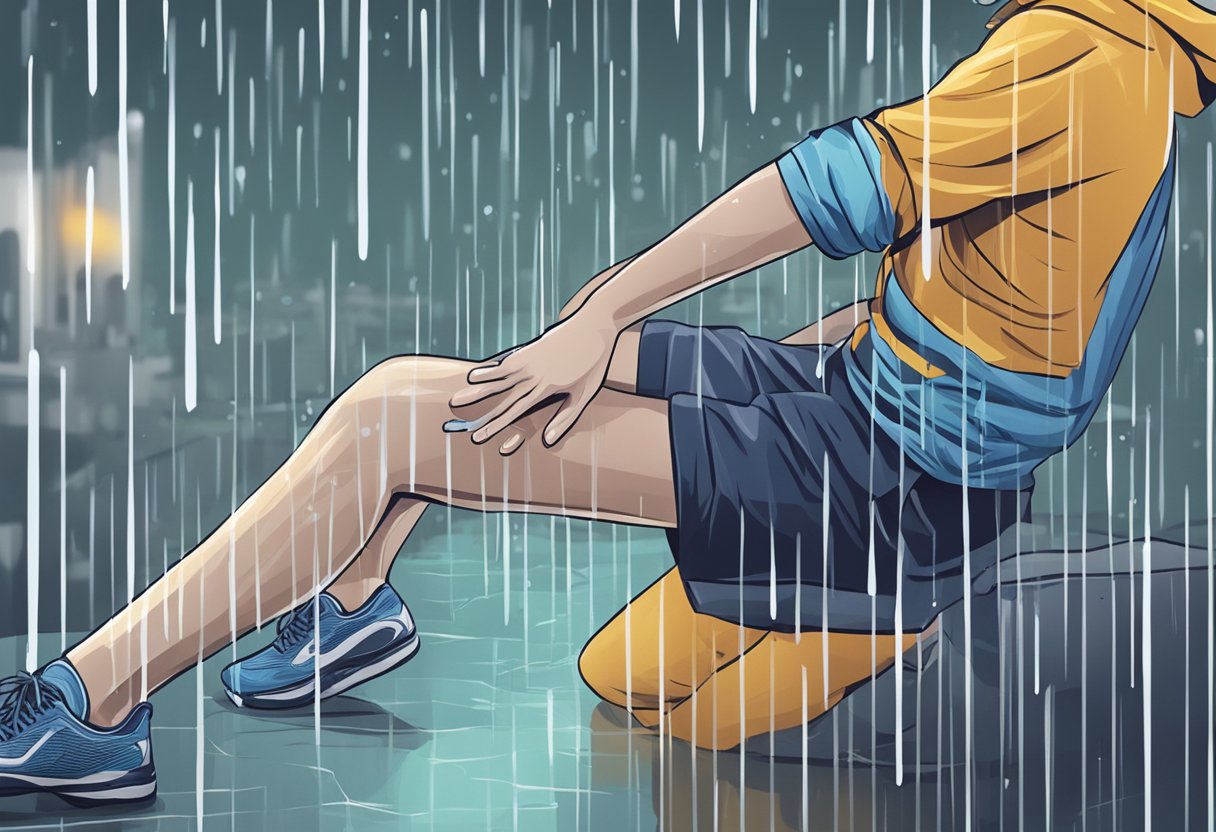
As we age, knee pain becomes a common problem. Many factors can contribute to knee pain, including weather conditions. In this section, we will discuss how weather affects knee pain.
Cold Weather and Knee Pain
Cold weather can cause knee pain. During colder temperatures, the body restricts blood flow to the extremities to keep the core warm. This can cause the muscles and joints to stiffen, leading to knee pain. Additionally, the barometric pressure drops during colder temperatures, which can cause the tissues around the knee to expand, leading to pain and discomfort.
Humidity and Knee Pain
Humidity can also impact knee pain. When the air is damp, it can cause the tissues around the knee to swell, leading to pain and discomfort. Additionally, humidity can make the knee joint feel stiff and difficult to move.
While some studies have shown a relationship between weather-related joint pain and precipitation, temperature, and barometric pressure, other studies have found inconsistent results. Therefore, it is essential to listen to your body and take steps to manage knee pain, regardless of the weather.
To manage knee pain during cold weather, we can take steps such as wearing warm clothing, staying active, and performing exercises to keep the muscles and joints flexible. To manage knee pain during damp or rainy weather, we can take steps such as staying indoors, using a heating pad, and performing gentle stretching exercises.
In conclusion, weather conditions can impact knee pain, and it is essential to take steps to manage knee pain, regardless of the weather. By staying active, wearing appropriate clothing, and performing exercises to keep the muscles and joints flexible, we can manage knee pain and improve our quality of life.
Managing and Treating Knee Pain

If you’re experiencing knee pain during rainy weather, there are steps you can take to manage and reduce the discomfort. Here are some tips and techniques that can help:
Exercise and Knee Pain
Regular exercise can help alleviate knee pain and stiffness. Low-impact exercises like swimming, yoga, and walking can help strengthen the muscles around the knee joint, improve flexibility, and increase blood flow to the area. This can help reduce inflammation and promote healing. However, it’s important to avoid high-impact activities like running or jumping, as these can exacerbate knee pain and cause further injury.
Medication for Knee Pain
Over-the-counter pain medications like acetaminophen or non-steroidal anti-inflammatory drugs (NSAIDs) can help relieve knee pain and reduce inflammation. If your knee pain is severe or persistent, your doctor may prescribe stronger pain medications or recommend injections of corticosteroids to reduce inflammation. However, it’s important to use these medications as directed and to avoid overuse, as they can have side effects and may not be appropriate for everyone.
Other tips for managing knee pain during rainy weather include:
- Using a heating pad or warm shower to soothe aches and pains
- Doing stretches and exercises recommended by a physical therapist to improve knee joint motion and flexibility
- Getting enough sleep to allow your body to heal and recover
- Dressing in layers to stay warm and prevent joint pain flare-ups
- Eating a healthy, balanced diet to maintain a healthy weight and reduce the risk of gout and other inflammatory conditions
By taking these steps, you can help manage knee pain and improve your overall joint health. If you’re experiencing persistent or severe knee pain, talk to your doctor about other treatment options like physical therapy or surgery.
The Science Behind Knee Pain and Weather

We’ve all heard someone say that they can predict the weather based on the pain in their knees. But is there any truth to this claim? According to medical professionals, the relationship between knee pain and weather is a complex one that is still not fully understood.
Research has shown that there may be a cause-and-effect relationship between changes in weather and knee pain. A study conducted in the United Kingdom found that changes in barometric pressure were associated with an increase in knee pain. Specifically, a drop in barometric pressure was found to aggravate knee pain in patients with osteoarthritis.
However, it’s important to note that not all patients with knee pain experience worsening symptoms during changes in weather. In fact, some patients may experience relief from their symptoms during certain weather conditions.
While the exact mechanism behind the relationship between weather and knee pain is not fully understood, medical professionals believe that changes in temperature, humidity, and atmospheric pressure may play a role.
If you experience knee pain during changes in weather, there are a few things you can do to alleviate your symptoms. Taking warm showers or baths, using heating pads or warm compresses, and staying active can all help to reduce knee pain.
It’s also important to seek medical attention if your knee pain is severe or persistent. Medicare visits with a medical professional can help to identify the underlying cause of your knee pain and develop a treatment plan to manage your symptoms.
Frequently Asked Questions
What are some remedies for cold weather joint pain?
Cold weather can cause joint pain, especially in those with arthritis. To relieve the pain, try staying warm by dressing in layers, using heating pads, or taking warm baths. Exercise can also help, as it can increase blood flow and reduce stiffness. Low-impact exercises such as yoga or walking can be particularly helpful.
How does barometric pressure affect joint pain?
Barometric pressure, or changes in atmospheric pressure, can affect joint pain. When the pressure drops, it can cause tissues to expand, putting pressure on the joints and causing pain. To relieve this pain, try using heat or cold therapy, taking over-the-counter pain medication, or doing gentle exercises.
Why do old broken bones hurt when it rains?
Old broken bones can hurt when it rains due to changes in atmospheric pressure. The pressure changes can cause the metal pins or screws used to repair the bone to expand or contract, putting pressure on the surrounding tissues and causing pain.
How can joint pain from barometric pressure be relieved?
To relieve joint pain from barometric pressure, try using heat or cold therapy, taking over-the-counter pain medication, or doing gentle exercises. You can also try using a brace or compression sleeve to support the joint.
Why does bad weather cause knee pain?
Bad weather, particularly rainy or cold weather, can cause knee pain in those with arthritis. The cold can cause tissues to tighten up, while the rain can cause tissues to expand, putting pressure on the joints and causing pain.
Can ACL pain be affected by weather changes?
There is no clear evidence that weather changes can affect ACL pain specifically. However, changes in atmospheric pressure can affect joint pain in general, so it is possible that ACL pain could be indirectly affected by weather changes.