Knee Injury Recovery Time: What You Need to Know
Knee injuries can be painful and debilitating, affecting daily activities such as walking, running, and even standing. Recovery time for knee injuries can vary depending on the severity of the injury, the type of injury, and the treatment received. Understanding the recovery process is essential to ensure a successful recovery and to prevent future knee injuries.

When it comes to knee injuries, there are different types of injuries that can occur, such as a torn meniscus, medial collateral ligament (MCL) tear, or patellar tendinitis. Injuries can be caused by a variety of reasons, such as sports-related activities, falls, and overuse. Proper diagnosis and evaluation are crucial to determine the extent of the injury and the appropriate treatment plan.
Treatment and recovery for knee injuries can involve a combination of rest, physical therapy, medication, and in some cases, surgery. The recovery process can take anywhere from a few weeks to several months, depending on the severity of the injury and the type of treatment received. It’s important to follow the recommended treatment plan and to take the necessary precautions to prevent further injury during the recovery process.
Key Takeaways
- Knee injuries can vary in severity and type, affecting recovery time and treatment options.
- Proper diagnosis and evaluation are crucial to determine the extent of the injury and the appropriate treatment plan.
- Recovery for knee injuries can take anywhere from a few weeks to several months, and following the recommended treatment plan is essential for a successful recovery.
Understanding Knee Injuries
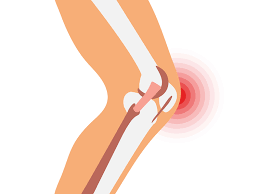
Knee injuries can be debilitating and painful. They can occur due to overuse, trauma, or degenerative conditions. The knee joint is a complex structure that consists of bones, cartilage, tendons, and ligaments. Knee injuries can affect any of these structures and cause knee pain, swelling, and stiffness.
There are several types of knee injuries that can occur. Some of the most common knee injuries include sprains, bone fractures, cartilage tears, and ligament tears. Knee injuries can also cause damage to the meniscus, which is a piece of cartilage that acts as a cushion between the shinbone and thighbone. Torn meniscus and meniscus tears are common knee injuries that can be caused by twisting, pivoting, or sudden stops.
Anterior cruciate ligament (ACL) tears are another common knee injury that can occur during sports or other physical activities. ACL injuries can cause knee pain, swelling, and instability.
Treatments for knee injuries depend on the type and severity of the injury. Mild knee injuries may only require rest, ice, and physical therapy. More severe knee injuries may require surgery and a longer recovery time.
Preventing knee injuries is important for maintaining knee health. Some ways to prevent knee injuries include wearing proper footwear, warming up before physical activity, and maintaining a healthy weight. Strengthening the muscles around the knee joint can also help prevent knee injuries.
In conclusion, knee injuries can be painful and debilitating. They can occur due to overuse, trauma, or degenerative conditions. Understanding the different types of knee injuries and their causes is important for preventing knee injuries and maintaining knee health.
Diagnosis and Evaluation

When it comes to knee injuries, a proper diagnosis is crucial for effective treatment and recovery. If you are experiencing swelling, pain, or limited range of motion in your knee, it is important to see a doctor right away. A physical exam will be performed to evaluate the extent of the injury, which may include checking for tenderness, bruising, or other symptoms.
In some cases, imaging tests such as X-rays or MRIs may be necessary to get a better look at the injury. These tests can help diagnose conditions such as arthritis, gout, or inflammation, which may be contributing to the knee pain.
During the physical exam, your doctor may also assess your knee’s range of motion and perform other tests to evaluate your knee’s stability. Depending on the severity of the injury, treatment options may include rest, physical therapy, or even surgery.
In some cases, a small amount of fluid may be removed from your knee joint with a needle in a procedure called arthrocentesis. This fluid will be sent to a laboratory for analysis to help diagnose any underlying conditions that may be contributing to your knee pain.
Overall, a proper diagnosis is essential for effective knee injury recovery. If you are experiencing knee pain or other symptoms, don’t hesitate to seek medical attention to get an accurate diagnosis and start on the path to recovery.
Treatment and Recovery

When it comes to knee injuries, treatment and recovery can vary depending on the severity of the injury. In some cases, surgery may be necessary, while in others, conservative treatment methods may suffice.
One of the most important aspects of knee injury recovery is rest. Giving the knee time to heal is crucial, and this may involve taking a break from certain activities or even using crutches to avoid putting weight on the affected knee. In addition to rest, the RICE method (rest, ice, compression, and elevation) can be helpful in reducing pain and inflammation.
Physical therapy can also be a key component of knee injury recovery. This may involve exercises to strengthen the muscles around the knee, as well as stretching and range of motion exercises. In some cases, a knee brace may be recommended to provide additional support during the healing process.
Medications such as nonsteroidal anti-inflammatory drugs (NSAIDs) and pain relievers may be used to manage pain and inflammation. Injections, such as corticosteroids, may also be used for this purpose.
For more severe injuries, surgery may be necessary. Arthroscopic surgery is a common procedure used to repair soft tissue knee injuries, while reconstructive surgery may be necessary for more extensive damage. Orthopedic surgeons are often involved in these types of procedures.
Recovery time can vary depending on the nature of the injury and the treatment plan. Mild injuries may heal within a few weeks, while more severe injuries may take several months or longer to fully heal. Rehabilitation, including physical therapy, is often necessary to help patients regain strength and mobility.
Overall, treatment and recovery for knee injuries require a comprehensive approach that takes into account the specific nature of the injury and the needs of the patient. By working closely with healthcare providers and following a carefully developed treatment plan, patients can maximize their chances of a successful recovery.
Post-Recovery and Prevention

After recovering from a knee injury, it is important to take steps to prevent future injuries. We can start by ensuring that we maintain good knee strength and overall fitness. This can be achieved through regular workouts and exercises that focus on strengthening the muscles in and around the knee.
It is also important to maintain a healthy lifestyle, including a balanced diet and regular exercise. This can help prevent joint disease and flare-ups of pain. We should also be aware of the risks associated with contact sports and take necessary precautions to avoid knee injuries.
Athletes, especially football players and runners, are at a higher risk of knee injuries due to the nature of their activities. They should work with sports medicine professionals to develop a plan for knee injury rehabilitation and prevention. This may include strengthening exercises and balance training.
If we experience knee pain during workouts or other activities, it is important not to push through the pain. This can lead to further tissue damage and prolong the recovery process. Instead, we should take a break and seek advice from a rheumatologist or sports medicine professional.
The Aaptiv app offers a variety of workouts and exercises that can help improve knee strength and prevent future injuries. We can also incorporate stretching and foam rolling into our routines to help reduce the risk of knee sprains and strains.
Overall, by taking steps to maintain good knee health and prevent future injuries, we can continue to enjoy an active lifestyle without the risk of knee pain and injury.
Frequently Asked Questions
What are the common symptoms of a knee injury?
Knee injuries can cause a range of symptoms, including pain, swelling, stiffness, and difficulty moving the knee. You may also experience a popping or snapping sensation in the knee, or feel like your knee is giving out or locking up. If you have a knee injury, it’s important to see a doctor to get an accurate diagnosis and appropriate treatment.
What are the different types of knee injuries?
There are many different types of knee injuries, including sprains, strains, fractures, dislocations, and ligament tears. Some knee injuries are caused by sudden trauma, such as a fall or a sports injury, while others develop over time due to overuse or degeneration.
How long does it take to recover from a knee sprain?
Recovery time for a knee sprain can vary depending on the severity of the injury. Mild sprains may only take a few days to a week to heal, while more severe sprains can take several weeks or even months. Rest, ice, compression, and elevation (RICE) can help speed up the healing process.
What is the recovery time for a knee ligament injury?
Recovery time for a knee ligament injury can also vary depending on the severity of the injury and the type of treatment you receive. Mild to moderate ligament injuries may take several weeks to a few months to heal, while more severe injuries may require surgery and a longer recovery period.
What exercises can help with soft tissue knee injuries?
Physical therapy exercises can help strengthen the muscles around the knee and promote healing of soft tissue injuries. Examples of exercises that may be recommended include leg raises, hamstring curls, and calf raises. Your physical therapist can develop a customized exercise program based on your specific injury and needs.
Is it safe to walk on an injured knee?
It depends on the severity of the injury. In general, it’s best to rest the knee and avoid putting weight on it until you have received a proper diagnosis and treatment plan from a doctor. Walking on an injured knee can make the injury worse and delay healing.