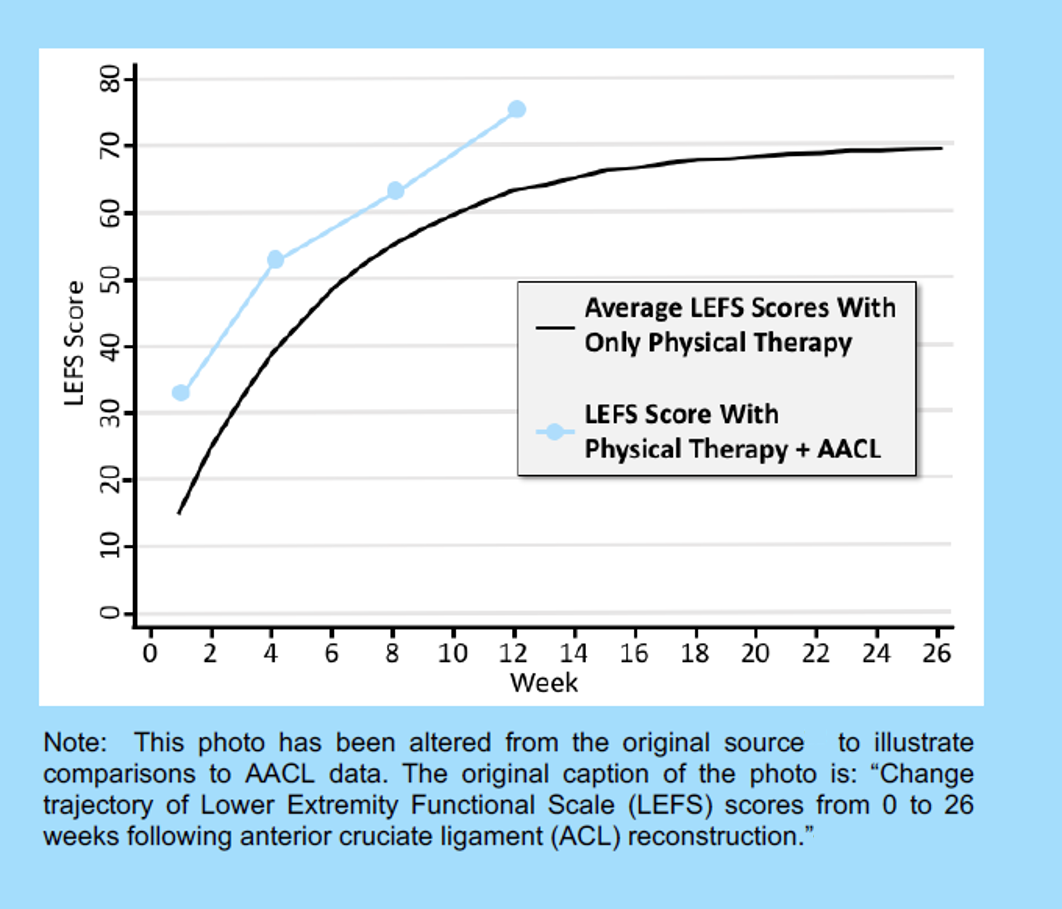
For example, twelve weeks later one of our clients, a 39-year-old CrossFit athlete named Josh, scored a 75/80 on the LEFS. Comparing this result to the graph, he is almost 20% ahead of the average ACL recovery.
His PT was extremely impressed with his progress and offered the following thoughts:
“By combining my physical therapy care with Accelerate ACL protocols at home, my patient experienced an increase in range of motion, increase in strength, and an overall decrease in pain. Three months postoperatively, his daily functional activity scores were 94%. He has set a new standard for our ACL recovery.”
Remember, this is just one example. Other athletes may find that they fall a little below the curve. That’s okay – keep working at it and you’ll get there. Ultimately, we hope you can use this information to start a conversation with your doctor, PT, or trainer about where you are in the ACL recovery process. As is the case with most things in life, try not to be ‘too high’ or ‘too low’ about what the score is telling you.
No matter what happens, your goal for tomorrow is the same. Be consistent, stay disciplined in your approach and work hard.
TAMPERE, Finland, October 20, 2023 /PRNewswire/ — “CORRECTION: Bioretec Ltd is correcting the company announcement published today, October 20, 2023, at 1:00 PM. There was an error in the English version of the release. According to the English version of the press release, the subscription price for a share subscribed with one option right was EUR 2.48. The correct subscription price is 2.84 euros per share. This corrected subscription price has been updated to the announcement below and the attached option plan document 2023-1.
The Board of Directors of Bioretec Ltd decided on October 20, 2023, based on the authorization received from the annual general meeting of the company on May 26, 2023, to introduce a new option program as an incentive scheme for the employees, consultants and members of Bioretec Ltd. the Key Opinion Leader group of the company and its subsidiaries. There is a compelling financial reason for issuing option rights, as the option program is part of the incentive and commitment program of the employees, consultants and members of the Key Opinion Leader group of the company and its subsidiaries.
A total of up to 1,000,000 option rights will be issued, entitling their owners to subscribe to a total of up to 1,000,000 new shares of the company. The option rights are issued free of charge. Based on the option rights, shares can be subscribed as follows:
25% of the option rights granted to the holder of the option right: The subscription period for shares starts on the first anniversary of the decision of the Board of Directors to grant the option rights to the holder of the option right;
the remaining 75% of the option rights given to the option right holder: The share subscription period begins monthly in installments of 1/36th per month on the last day of each month, such that the share subscription period for the first 1/3 The 36th installment commences on the last day of the month following the first anniversary of the decision of the Board of Directors to grant the option rights to the holder of the option right.
The subscription period for the shares ends on December 31, 2029.
After any subscriptions to shares, the shares subscribed for with option rights to be issued will amount to a maximum of approximately 4.9% of all shares and votes of the company. As a result of the subscriptions for shares with option rights, the number of shares in the company can increase by a total of up to 1,000,000 shares.
The subscription price for a share subscribed with one option right is EUR 2.84, which is the trading volume weighted average quotation of the share on Nasdaq Helsinki Ltd, maintained Nasdaq First North Growth Market Finland marketplace from July 19, 2023 to 19 October 2023, increased by 10%.
The subscription price for the shares will be added to the company’s reserve for invested unrestricted equity. The amount of dividends and distribution of assets per share paid will be deducted from the subscription price of the shares.
The theoretical market value of one option right is approximately €1,283 and the theoretical market value of all option rights together is approximately €1,283,357. The theoretical market value of an option right has been calculated using the Black & Scholes valuation model for stock options with the following input factors: valuation date October 19, 2023, share price EUR 2.45, share subscription price EUR 2.84, risk-free interest rate 3.46%, term of option rights 6.21 years and volatility 55.17%.
The target group of the stock option plan includes approximately 35 people. The terms and conditions of the option program are attached to this announcement.
Other questions
Timo Lehtonen, CEO, +358 50 433 8493
Johanna Salko, CFO, +358 40 754 8172
Certified advisor
Nordic certified advisor AB, +46 70 551 67 29
Information about Bioretec
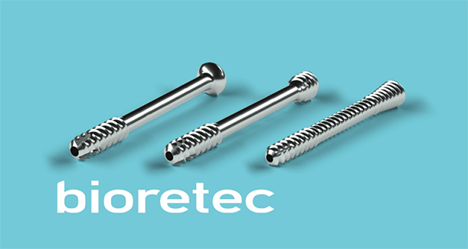
Bioretec is a global Finnish medical device company that continues to pioneer the use of biodegradable orthopedic implants. The company has built up unique competencies at the biological interface of active implants to improve bone growth and accelerate fracture healing after orthopedic surgery. The products developed and manufactured by Bioretec are used in approximately 40 countries worldwide.
Bioretec is developing the new RemeOs™ product line based on magnesium alloy and hybrid composite, introducing a new generation of strong biodegradable materials for improved surgical results. The RemeOs™ implants are absorbed and replaced by bone, eliminating the need for removal surgery and facilitating fracture healing. The combination has the potential to eliminate the need for titanium implants and help clinics achieve their Value-Based Healthcare goals while focusing on value for patients through efficient healthcare delivery. The first market authorization for the RemeOs™ product was received in the US in March 2023, and in Europe the CE mark is expected to be received in the first quarter of 2024. Bioretec is positioning itself to enter the over $7 billion addressable global orthopedic trauma space. market and become a game changer in the surgical treatment of bone fractures.
“The foot feels the foot when it feels the ground.” – The Buddha
Now that winter is finally over – after what seems like forever – more and more of us are going outside and being active. It is a time when I like to go for a walk and watch the world awaken from its long sleep.
Walking is one of the most useful exercises we have because it offers us So many important health benefits, as listed by many, many studies:
Even one hour per week at an average pace reduces the risk of hip fracture by 6% in postmenopausal women, while at least four hours of walking per week is associated with a 41% lower risk of fracture (Feskanich et al., 2002).
Walking reduces the tendency for high blood pressure, the risk of blood clots and stroke, and multiple cardiovascular risk factors (Murtagh et al., 2015).
In older adults, more walking correlates with a lower risk of depression and a higher quality of life (Arrieta et al., 2018).
Brisk walking improves oxygen intake, cardiovascular fitness and muscle tone while alkalizing the body.
But I would say that simply hopping on a treadmill for 10 to 15 minutes every other day, while providing all these benefits and more, somewhat misses the point. To walk outdoors gives us the chance to reconnect with the world around us – ideally in a soothing natural setting such as a park or trail, or at least a tree-lined sidewalk. Research shows that people who walk in parks tend to gain more benefits because they have fewer interruptions when walking due to traffic or other hazards to overcome [Sellers et al., 2012]).
When we walk outside, we can enjoy the wind, the rain, the sun, the leaves – everything the world has to offer. And it reconnects us ourselves in a very useful way: walking upright on two legs is the trait that defines human ancestry. Although today we are more accustomed to sitting than standing, regular walking on two legs is considered a unique human trait. Taking the time to walk—to put our feet on the ground and feel them, as the Buddhist saying goes—can offer us a kind of inner realignment that few other methods of practice offer.
As we approach summer, we have the opportunity to celebrate all the positive things that walking brings us. If you can, take that opportunity in a park or garden path; let your feet touch the ground, aware of all the good that walking in the open air can bring you.
But if you can’t, don’t worry! It doesn’t matter how you want to do it – in groups, alone, fast or slow, listening to music or meditating – just walk. Do it on a regular basis. Do it 30 minutes a day, add some weight from a weighted vest or weighted belt for even more impact and your bones and entire body will thrive.
References
Arrieta H, Rezola-Pardo C, Echevarria I, et al. Physical activity and fitness are associated with verbal memory, quality of life, and depression among nursing home residents: preliminary data from a randomized controlled trial. BMC Geriatr. March 27, 2018;18(1):80. doi:10.1186/s12877-018-0770-y.
Feskanich D1, Willett W, Colditz G. Walking and leisure activities and risk of hip fracture in postmenopausal women. JAMA. November 13, 2002; 288(18):2300-2306.
Murtagh EM, Nichols L, Mohammed MA, et al. The effect of walking on cardiovascular disease risk factors: an updated systematic review and meta-analysis of randomized control trials. Previous Med. March 2015; 72:34-43.
Sellers CE, Grant PM, Ryan CG, et al. Taking a walk in the park? A crossover pilot trial comparing brisk walking in two different environments: park and city. Previous Med. 2012 Nov;55(5):438-43.
I am Dr. Susan E. Brown. I am a clinical nutritionist, medical anthropologist, writer and motivational person speaker. Learn my proven 6-step natural approach to bone health in my online courses.
Neuropathological and clinical findings in young contact athletes exposed to repetitive head impacts
McKee AC, Mez J, Abdulmohammad B, et al. JAMA Neurology. Published online 2023. doi:10.1001/jamaneurol.2023.2907
Full article available for free
Take home message
Less than half of young adults exposed to repetitive head impacts through sports and who suffered from mental health and cognitive disorders before death met clinical criteria for a diagnosis of chronic traumatic encephalopathy (CTE). Other factors may contribute to CTE-like symptoms in this group.
Background
The sports community is increasingly concerned about the long-term consequences of repetitive head impacts (e.g. CTE). CTE can cause cognitive impairment, mental health problems and mood disorders. Very few studies have examined the presence of CTE in a large group of young adults, which could provide insight into CTE in former youth athletes without other age-related brain changes.
Study aim
The authors sought to understand the pathological brain changes and symptoms of former contact athletes under the age of 30 at death.
Methods
The authors used donated brains from 152 young individuals (13 to 29 years) with a known history of repeated head impacts. These brains come from the Brain Bank Understanding Neurologic Injury and Traumatic Encephalopathy (UNITE). Researchers contacted next of kin to conduct cognitive and mental health assessments of the donor. A team of four neuropathologists diagnosed CTE or other neurodegenerative diseases based on established evaluation criteria.
Results
Overall, based on the 152 brain samples, 41% of donors had CTE. Of these, all but three brains had only mild CTE. Older donors and former American football athletes with a longer history of participation in contact sports were more likely to develop CTE. Clinical cognitive and mental health problems were common among participants regardless of CTE diagnosis.
Viewpoints
The authors found that ~41% of people under the age of 30 with a history of contact sports and cognitive and mental health problems have CTE. Thus, for individuals under age 30 at death, their cognitive and mental health problems may be caused by something other than CTE (e.g., life stressors, genetics, and other underlying mental health problems). It is important to avoid applying these findings to the broader athletic population because most, if not all, brains were donated due to observed pathology before death. Additionally, this study group was predominantly male (93%) and white (73%), further limiting interpretation.
Clinical implications
In practice, this research suggests that CTE may be just one of many causes of cognitive and mental health problems after exposure to repetitive head impacts through sports. As a result, physicians must be prepared to support patients with mental health needs and promote timely referral to mental health professionals for further care. We must also educate our patients that not all cognitive and mental health problems in athletes are due to CTE and that it remains unknown how many people have CTE among those with or without a history of sports participation.
Questions for discussion
What other factors may contribute to CTE-like symptoms in former contact athletes? What experiences have you had with former/current athletes suffering from CTE or CTE-like symptoms?
related posts
Few definitive CTE cases have been detected with and without history of brain injury and collision sports
Most military service members don’t have to worry about CTE
Treatable conditions should be explored in former athletes with CTE-like symptoms
Carpal tunnel, also called carpal tunnel syndrome, is a condition that affects the connective tissue and joints of the wrist. It can cause tingling, numbness, weakness, pain and even swelling. You’ve probably heard of carpal tunnel syndrome and its connection to things like typing or using a computer for too long. However, carpal tunnel syndrome is much more complex than that. Let’s explore the common causes of carpal tunnel syndrome so you understand your carpal tunnel treatment options.
What causes carpal tunnel?
To understand why these different things cause carpal tunnel syndrome, it’s best to understand what causes the symptoms to occur. Carpal tunnel occurs when pressure is placed on the median nerve. Pinching or compressing these nerves leads to the symptoms people are familiar with. Irritating or inflaming the surrounding connective tissue causes the tissue to swell. This can compress the median nerve. Basically, the cause of carpal tunnel is anything that irritates the connective tissue surrounding the median nerve. Let’s look at the most common causes of that irritation.
Sex
As a woman, you are biologically susceptible to carpal tunnel syndrome. This is because the area through which the median nerve passes is much smaller compared to men. This allows irritated tissue to compress the nerve more easily.
Injury
Any type of injury, such as a wrist fracture, drastically increases your chance of experiencing carpal tunnel. This is because the connective tissue is probably already inflamed or swollen. You will likely experience carpal tunnel due to a wrist injury, especially if you further irritate the wrist.
Repetitive wrist movements
Repetitive wrist movements can place disproportionate pressure and strain on a particular ligament or tendon in your wrist. This leads to irritation for extended periods of time and can compress the median nerve. This is where the stereotype of typing or using a mouse causing carpal tunnel comes from. It is entirely possible to develop carpal tunnel from using a mouse and keyboard for extended periods of time.
Seek treatment
Carpal tunnel often goes away on its own over time. However, chronic carpal tunnel may be present if the irritation persists. Fortunately, our staff at the Bone and Joint Specialists can help you with carpal tunnel treatment. Our team of doctors consists of experts in their field who can help you determine the cause of your wrist irritation and treat it at the source. If you are suffering from carpal tunnel, contact Bone and Joint Specialists today at 219-795-3360.
After anterior cruciate ligament surgery or ACL surgery, you experience loss of muscle mass. You may have spent a few weeks or months building up your muscles after your ACL injury, so you may have assumed that your muscles would be strong and healthy after surgery. However, there are many reasons why you may lose muscle mass after ACL surgery. When you first wake up after your ACL surgery, you may notice that the muscles around your surgical leg already look smaller! The main reasons for this are that your activity level has generally decreased, your nervous system reduces the contraction of the muscles around the knee, and new swelling occurs in your knee joint as a result of the surgery. Read this blog for more information about muscle loss after ACL surgery.
Listen to Andrew Veley, physiotherapist, explain why muscle loss occurs after ACL surgery.
After watching the video above, you may be wondering if there is a way to track your progress as you regain muscle mass after ACL surgery. A simple method called “thigh circumference measurements”, which you can learn more about by reading this blog on how to measure the difference between your two legs by taking a thigh circumference measurement. If you need a video explanation of what thigh circumference measurements are and how they can be used to track your progress, watch this short video.
Here is Andrew’s full blog on muscle loss after ACL surgery.
Read all 6 Andrew’s blogs here!
If you are recovering from an ACL injury or ACL surgery and want to regain your muscle mass, download our Curovate physiotherapy app from the links below. Curovate offers daily video-guided strength exercises, the ability to measure knee range of motion, in-app chat with a physical therapist to answer your questions about surgery and recovery, and educational blogs and webinars.
If you need more tailored help during your ACL recovery, check out our Virtual Physiotherapy page to book your 1-on-1 video session with a physiotherapist.
Other blogs related to ACL surgery and rehabilitation
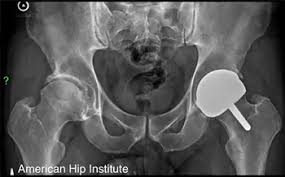
Description: American Hip Institute is a successful sports medicine practice supported by a very active Research Foundation led by Dr. Dumb. As a Clinical Research Intern you will have the opportunity to be responsible for a variety of clinical, surgical and research roles including: maintaining a comprehensive surgical database, writing or acting as a medical assistant in the clinic, assisting with the writing of research studies and supporting research processes such as journal publication, conference submissions and prospective study management. The skills acquired in clinical, surgical and research environments offered at this institute provide participants with an excellent foundation for their medical career.
Duration and reimbursement: This position is offered for a period of 10 months and includes a stipend of $800 per month. Clinical Research Assistants are asked to begin immediately in Summer 2023 and end in July 2024.
If you are interested in applying, you can send a motivation letter and CV to:
Benjamin Hill, MD This email address is being protected from spambots. You need JavaScript enabled to view it.
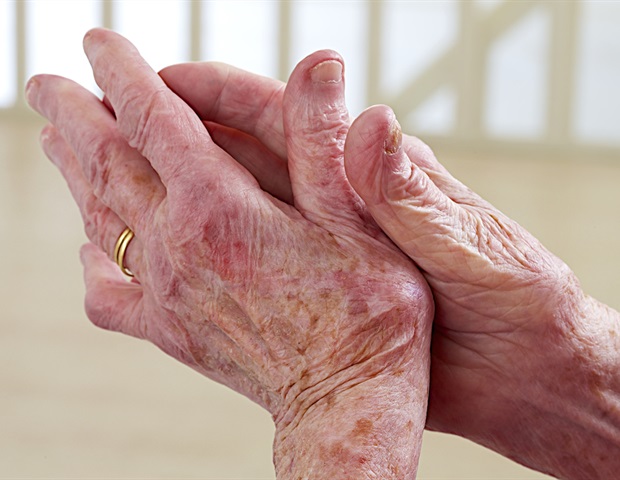
Researchers from Keele University’s School of Medicine have found that painkilling drugs – commonly known as ‘analgesics’ – are being widely prescribed across England to people with inflammatory arthritis, despite little research evidence that they improve pain in these patients, and studies which show that they can cause serious side effects. -Effects.
The study, funded by the National Institute for Health and Care Research (NIHR) and published in the journal RheumatologyResearch found that all types of painkillers were widely prescribed: About two-thirds of patients with inflammatory arthritis received a prescription painkiller in 2020, and one in four patients received long-term prescription opioids. Many of these long-term prescriptions for opioids started around the time people were diagnosed with inflammatory arthritis.
Worryingly, many types of painkillers were more likely to be prescribed to people with inflammatory arthritis who were older (and therefore most at risk of side effects from medicines), were women, lived in deprived areas and in the north of England. This suggests there is unfairness about pain, or the way pain is managed in people with inflammatory arthritis in the NHS.
Inflammatory arthritis groups together conditions that cause joint pain and swelling. Its three main types – rheumatoid arthritis, psoriatic arthritis and axial spondyloarthritis – affect more than 1% of adults in England. Pain is a major challenge for patients with inflammatory arthritis, with most patients suffering daily pain and viewing pain as the area of their health they most want to see improved.
The crucial first step in improving NHS pain care for these patients is understanding how it is managed. To address this, the research team looked at data from a large GP database – the Clinical Practice Research Datalink Aurum – which currently contains information from more than 1,400 GP practices across England.
They looked at data from 2004 to 2020 to understand how different types of painkillers are prescribed to patients with inflammatory arthritis, and how this varies between people based on their age, gender, ethnicity and where they live.
Lead author Dr Ian Scott said the findings show there is an urgent need to improve the way pain is treated in patients with inflammatory arthritis in the English NHS. He described the fact that one in four patients were prescribed long-term opioids, and in 2020, one in ten patients were prescribed gabapentinoids, despite these medications having many potential side effects and no clinical trials showing they help when taken on be used this way. , as “very worrying”.
There are better ways to treat pain in patients with inflammatory arthritis that have been shown to help in clinical trials. These include reducing joint inflammation using specialized disease-modifying medications and exercise. We need to shift the focus of pain care from the long-term use of ineffective painkillers to the use of treatments that have been shown to help.”
Dr. Ian Scott, lead author
Source:
Magazine reference:
Scott, I.C., et al. (2023) Painkiller prescribing in patients with inflammatory arthritis in England: observational studies in the Clinical Practice Research Datalink. Rheumatology. doi.org/10.1093/rheumatology/kead463.
My gift to my community is the easy-to-navigate, clickable transcript.
Bone turnover markers:
“Therapeutic targets provide medical information that a physician can use to monitor physiological improvements with repeated testing. These can improve assessment of bone loss and are critical to management of therapy. Just as you would practice hitting the bullseye To improve your skills as a competitive shooter, we can refine treatment by targeting abnormal physical signs, symptoms and laboratory test results and then applying therapy to correct those abnormal findings.”
R. Keith McCormick, DC from his upcoming book: Great Bones: Control Your Osteoporosis.
This transcript will be your guide in understanding the need for bone turnover markers, what they are, and the importance of “test, don’t guess.” These tests can be done in between your bone density testing (DXA). The Bone Marker PDF is a clickable guide to make navigating the document easier.
Strongly recommended:
Click below to get a copy of my PDF guide to bot turnover marking.
The link asks for your email address so the guide can be emailed to your inbox.
This promotion will add your name to my email list that I email bi-monthly at “All things bone related”.
You can unsubscribe at any time.
Please enjoy the transcription below.
Interview PDF
This PDF is clickable. You can select a bone marker you want to learn more about and then return to the table of contents.
Do you already know you want to work with my team?
It is best to start with a comprehensive private session where a plan is designed specifically for you and your bones.
Investment in your bones:
$200, includes next steps and follow-up notes via email.
Let me support your bones
Receive an in-depth, tailor-made private session
Book a Private Coaching with Irma
Join our amazing Bone Tribe community
Get the support and information you need to live fearlessly with your bone diagnosis
Are you one of the 80% of adults suffer from adrenal fatigue?
Worried about how stress can silently sabotage your bones and contribute to osteoporosis?
Ready to discover one groundbreaking, cost-free strategy that would revolutionize your bone health?
Then you shouldn’t miss this episode!
Come with me as I sit down Dr. Tricia Pingel, a licensed naturopathic doctor known as the Adrenal Whisperer. Delve deep into the mysteries of adrenal gland healthdiscover the surprising ties with stress and osteoporosisand find out how restore your bone strength andrevive your vitality.
Episode timeline
0:00 – Episode begins
1:37 – Introduction to Dr. Tricia Pingel
3:08 – Dr. Pingel’s journey to tackling adrenal fatigue and stress
5:06 – Identifying adrenal gland problems in men and women aged 50-70+ with osteopenia and osteoporosis
6:40 – Recommended tests for suspected adrenal gland problems
8:15 – The link between stress, adrenal glands and bone health
11:39 – Everyday stressors that affect health
15:14 – Actionable steps for self-assessment and improvement
17:54 – The profound impact of intentional breathing on reducing stress, improving bone health and promoting overall well-being
20:15 – Connection between thyroid and bone health
24:02 – Dancing for healthier bones and better mental health
30:05 – Simple ways to return to the present moment
34:30 – Where to meet Dr. Pingel and how she can help you on your journey to better bone health
Below you will find resources from Dr. Tricia Pingel!
>> Read more about Dr. here. Tricia on her website!
>> Connect with Dr. Tricia on Facebook
>> Follow Dr. Tricia on Instagram
>> Follow Dr. Tricia on TikTok
>> Connect with Dr. Tricia on LinkedIn
What can you do to support your bone health and this podcast?
1. Press the “Subscribe” button on your respective podcast player (i.e. Apple, Google, Spotify, Stitcher, iHeart Radio and TuneIn). Never miss an episode that can help improve your bone health.
2. Leave a review. The more positive ratings and reviews and the more subscribers we have, the more people can find us and get the answers to the questions they need. Thank you! 🙂
3. Tell a friend about The Bone Coach Podcast or share via text, email or social. Do you know of a Facebook group where people can benefit from this information? Feel free to hit any of the share buttons below.
About Dr. Tricia Pingel:
Dr. Pingel, a certified naturopathic doctor, is known as the Adrenal Whisperer. She has dedicated almost 15 years of her career as an adrenal gland and stress expert.
She helps Rockstar women look and feel great by restoring their adrenal glands without the use of drugs. Her specialty is identifying the cause of health problems and restoring health and youthful energy.
Since learning that she was one of the 80% of adults suffering from adrenal fatigue, Dr. Pingel passionately taught about the impact that stress has on the adrenal glands. She has helped thousands of people restore their adrenal glands, resulting in the reversal of many other health symptoms, including perimenopause. Her greatest joy is guiding people to return to their happy, vibrant and energetic selves.
Dr. Pingel has appeared in nearly a dozen television shows, including: The Dr. Ax Show, Ask the Expert with JJ Virgin, Good Morning Arizona, The Arizona Daily Mix with Brad Perry and many others.
She has contributed to many publications, most notably: Mind Body Green, Prevention Magazine, Yoga Journal, Eat This Not That, MSN.com, Vitamin Shoppe, Health Central, Birdie and Livestrong.
Dr. Pingel, affectionately known as The Hip Hop Adrenal Doc, can often be found on social media cheering on her two boys at soccer, making healthy vegan recipes in her kitchen, and cuddling her three dogs and cats at home with her husband. Phoenix, Ariz.
Medical disclaimer
The information shared above is for informational purposes only and is not intended as medical or nutritional therapy advice; it does not diagnose, treat or cure any disease or condition; it should not be used as a substitute or substitute for medical advice from physicians and trained medical professionals. If you are under the care of a healthcare professional or are currently taking prescription medications, you should discuss any changes in your diet and lifestyle or possible use of nutritional supplements with your doctor. You should not stop prescribed medications without first consulting your doctor.

 I am Dr. Susan E. Brown. I am a clinical nutritionist, medical anthropologist, writer and motivational person speaker. Learn my proven 6-step natural approach to