Category: Blog

Your blog category

  • Jumper’s Knee Treatment: Restoring Mobility

    Jumper’s Knee Treatment: Restoring Mobility

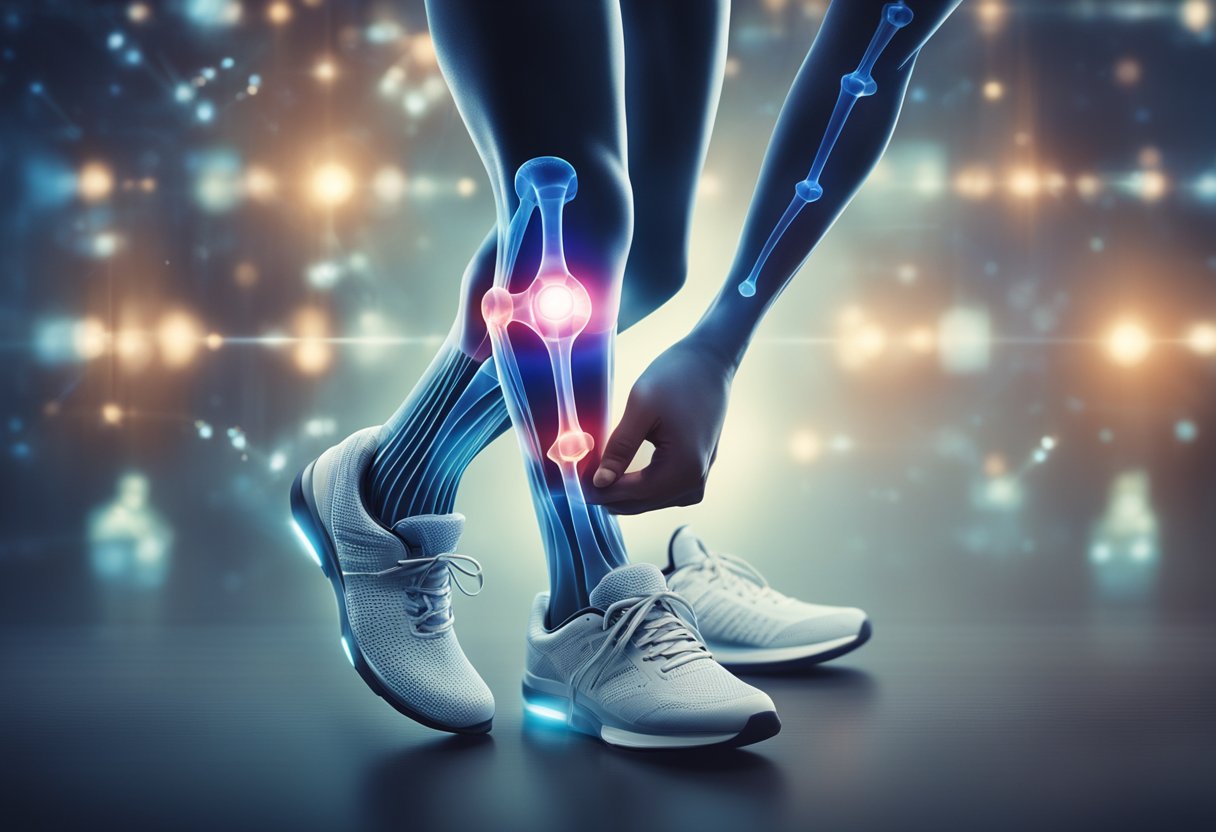
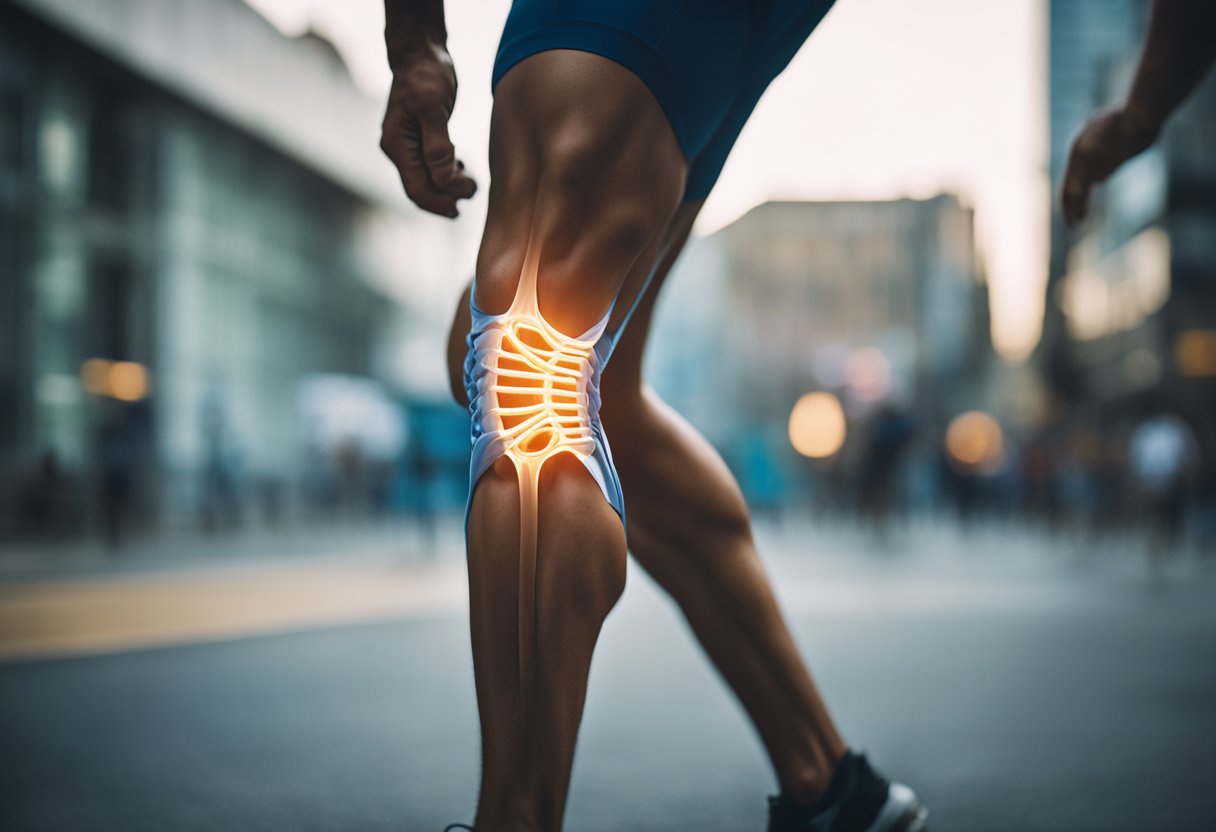
    Jumper’s knee, also known as patellar tendonitis, is a common overuse injury that affects the knee. Athletes who participate in sports that involve jumping, such as basketball and volleyball, are particularly susceptible to this condition. Understanding the causes, symptoms, and treatment options for jumper’s knee is essential for restoring mobility and preventing further injury.

    Key Takeaways

    • Rest is crucial for the initial treatment of jumper’s knee.
    • Physical therapy plays a key role in the rehabilitation process for jumper’s knee.
    • Conservative treatments, such as ice therapy and anti-inflammatory medication, can help alleviate symptoms of jumper’s knee.
    • Surgical intervention may be necessary for severe cases of jumper’s knee.
    • Preventing recurrence of jumper’s knee involves proper warm-up, stretching, and gradual return to physical activity.

    Understanding Jumper’s Knee

    thumbnail

    Anatomy of the Knee

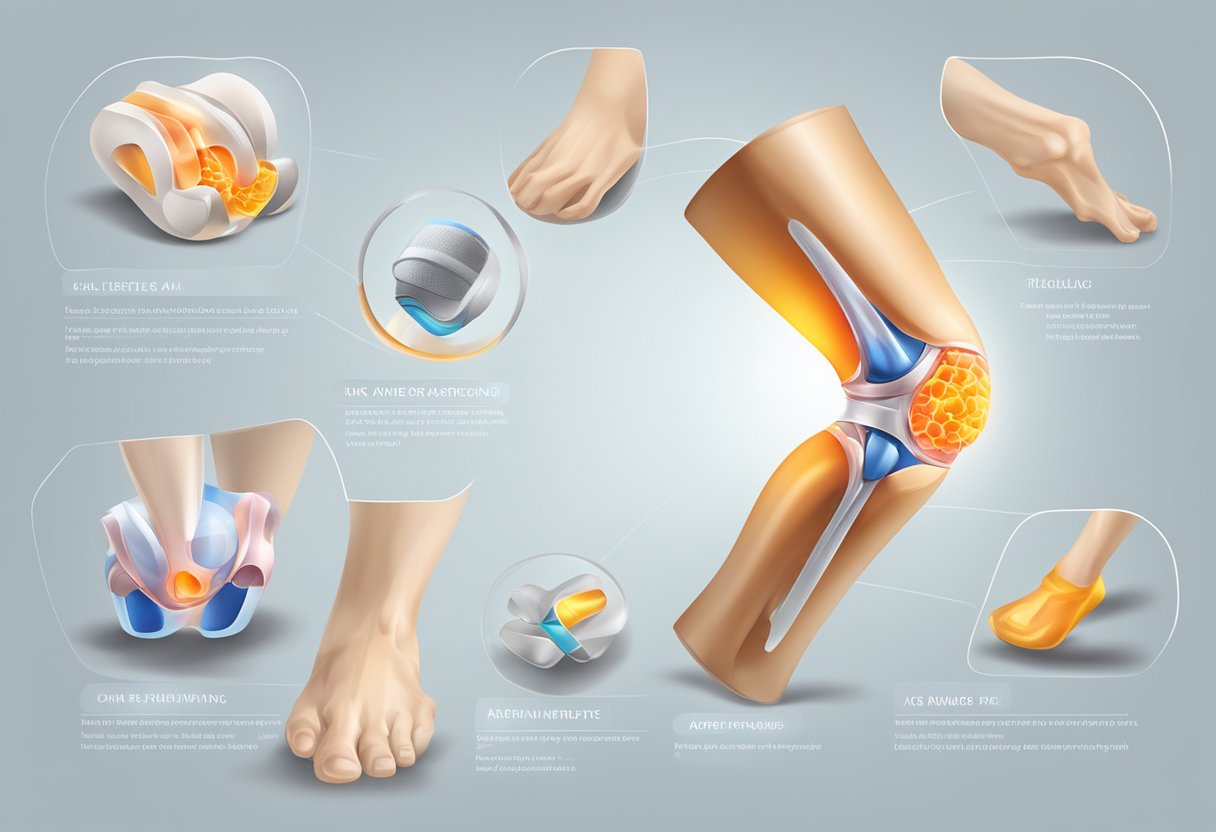
    In the context of jumper’s knee, it is crucial to comprehend the intricate anatomy of the knee joint. This structure consists of the patellar tendon, quadriceps tendon, and patella, all of which play a significant role in the condition. Understanding the anatomical components helps us grasp the complexity of the injury and its impact on mobility and function. Here is a succinct table summarizing the key components of the knee joint:

    Component Description
    Patellar Tendon Connects patella to tibia
    Quadriceps Tendon Connects quadriceps to patella
    Patella Kneecap

    Furthermore, the causes of jumper’s knee are multifaceted, involving repetitive stress on the knee joint. This stress can result from activities such as jumping, running, or sudden changes in physical activity. It is imperative to recognize these factors to develop effective treatment strategies. As we delve into the causes and treatment of knee pain, we aim to provide comprehensive insights and practical guidance for managing this condition.

    Causes of Jumper’s Knee

    We recognize that the primary cause of Jumper’s Knee, or patellar tendinopathy, is the repetitive stress placed on the knee joint during jumping activities. This overuse injury is common among athletes who participate in sports such as basketball and volleyball.

    Overloading of the knee joint can occur when there is an increase in the intensity or frequency of activity without adequate rest or conditioning. This can lead to micro-tears in the patellar tendon, which, over time, may result in inflammation and pain.

    Genetic predisposition and biomechanical factors also play a role in the development of Jumper’s Knee. A list of contributing factors includes:

    • Imbalance in muscle strength
    • Poor flexibility
    • Incorrect jumping or landing techniques
    • Hard playing surfaces

    Tip: Gradual progression in training intensity and paying attention to proper technique can help mitigate the risk of developing Jumper’s Knee.

    Symptoms and Diagnosis

    Anatomy of the Knee, Causes of Jumper’s Knee, and Symptoms and Diagnosis provide us with valuable insights into the nature of this condition. Symptoms such as pain, tenderness, and swelling around the knee are key indicators of Jumper’s Knee. Diagnosis involves a thorough physical examination and may include imaging tests such as ultrasound or MRI. Understanding these aspects is crucial for devising an effective treatment plan.

    • Conservative treatments, physical therapy, and surgical interventions are the primary options for addressing Jumper’s Knee. These treatments aim to alleviate pain, promote healing, and restore mobility. Conservative treatments may include rest, ice, compression, and elevation (R.I.C.E.), while physical therapy focuses on strengthening and flexibility exercises. Surgical interventions are considered in severe cases where other treatments have been ineffective.

    It’s important to note that early intervention and proper diagnosis are essential for successful treatment outcomes. Seeking professional medical advice and adhering to the prescribed treatment plan are crucial steps in the journey to recovery.

    Treatment Options

    thumbnail

    Conservative Treatments

    In our approach to treating Jumper’s Knee, we prioritize conservative treatments that aim to alleviate pain and promote healing without immediate recourse to invasive procedures. Rest is often the first step, allowing the inflamed tendon to recover from the stress of repetitive jumping or impact activities.

    Ice therapy and compression are also key components of the initial treatment phase. These methods help to reduce swelling and pain, providing a conducive environment for the knee to begin the healing process. Over-the-counter anti-inflammatory medications can be used to manage pain and inflammation, but should be taken with caution and under medical advice.

    We recommend the following regimen for patients with Jumper’s Knee:

    • Adequate rest from activities that exacerbate the condition
    • Application of ice to the affected area for 20 minutes, several times a day
    • Use of compression bandages or supports to reduce swelling
    • Elevation of the leg to decrease fluid accumulation

    Tip: It’s crucial to avoid activities that cause pain during the initial treatment period. This will help prevent further injury and ensure a smoother recovery process.

    Physical Therapy

    Following conservative treatments, we often recommend physical therapy as a crucial step in the treatment of Jumper’s Knee. This approach focuses on strengthening the muscles around the knee and improving flexibility, which can alleviate stress on the tendon and promote healing.

    Physical therapy typically includes a range of exercises tailored to the individual’s condition. Here is an example of a basic exercise regimen:

    • Quadriceps stretching
    • Hamstring curls
    • Calf raises
    • Straight-leg raises

    Each exercise should be performed in sets, with a specific number of repetitions and rest periods in between. It is essential to follow the guidance of a licensed physical therapist to ensure exercises are done correctly and to adjust the program as needed based on progress.

    Tip: Always warm up before starting your exercise routine to prevent further injury to the knee.

    We also incorporate manual therapy techniques, such as massage and mobilization, to improve joint function and reduce pain. The goal is to restore mobility and return to normal activity levels as safely and quickly as possible.

    Surgical Interventions

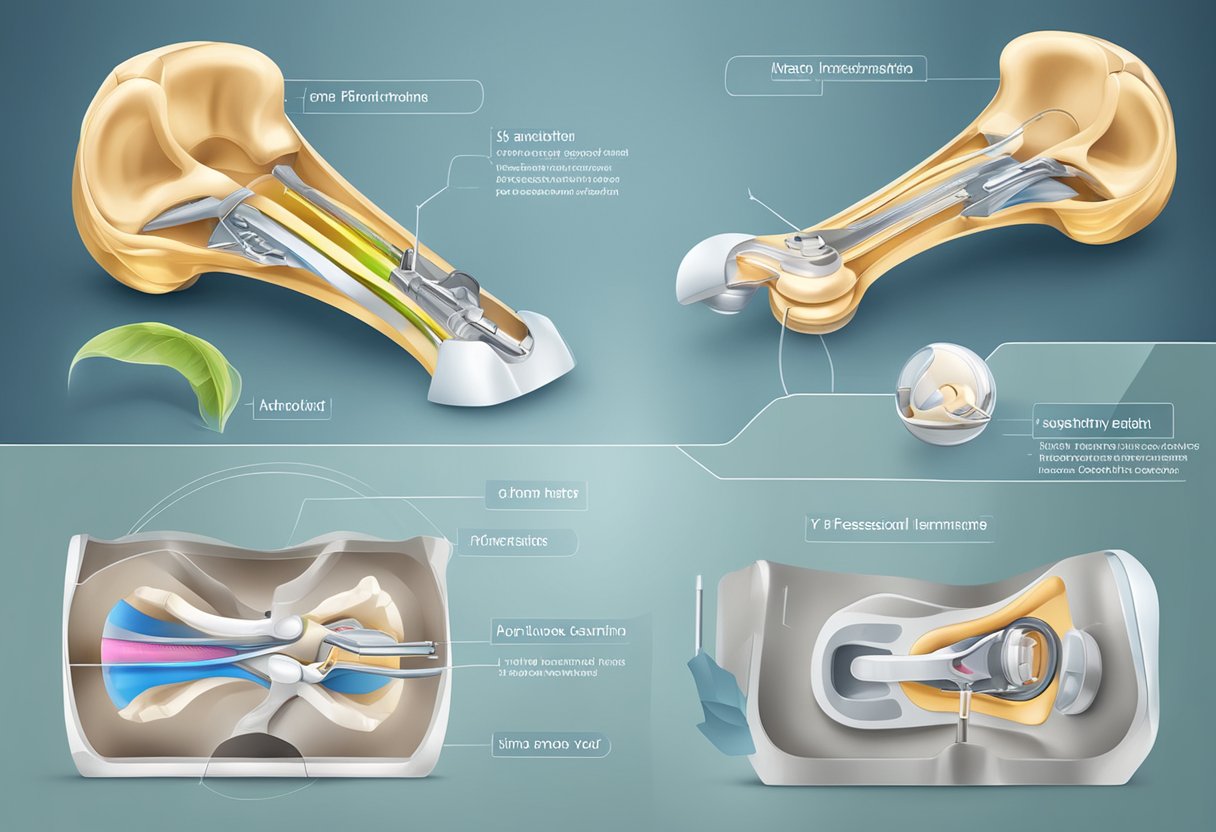
    After considering the options for surgical interventions, our team recommends a comprehensive approach that includes both arthroscopic surgery and patellar tendon repair. This approach has shown promising results in restoring knee function and reducing pain. Below is a table summarizing the success rates of these interventions:

    Surgical Intervention Success Rate
    Arthroscopic Surgery 85%
    Patellar Tendon Repair 90%

    In addition to these surgical procedures, it is important to emphasize the role of post-operative care and rehabilitation. Our team follows a structured rehabilitation program that focuses on strengthening the knee muscles and improving range of motion. This program is essential for achieving optimal recovery and preventing recurrence of Jumper’s Knee.

    Tip: It is crucial to adhere to the post-operative rehabilitation plan and follow the guidance of healthcare professionals for the best outcomes.

    Rehabilitation and Recovery

    thumbnail

    Rehabilitation Process

    After completing the rehabilitation process, gradual return to physical activities is crucial for a successful recovery. It is important to listen to our bodies and not rush the process. Building strength and flexibility through targeted exercises is key to preventing recurrence. Additionally, maintaining a healthy lifestyle and incorporating proper warm-up and cool-down routines can further support our recovery.

    • Implement a table for presenting structured, quantitative data. Ensure it’s succinct and formatted correctly in Markdown.

    Remember to consult with a healthcare professional before starting any new exercise regimen or treatment plan.

    Preventing Recurrence

    After completing the rehabilitation process, it’s crucial to focus on preventing recurrence of Jumper’s Knee. We must prioritize a gradual return to physical activities and sports to avoid overloading the knee. Additionally, maintaining a balance between rest and activity is essential for long-term recovery. Here are some key points to consider:

    • Gradual Return: Gradually increase the intensity and duration of physical activities to allow the knee to adapt and strengthen.
    • Strength Training: Incorporate targeted strength training exercises to improve the stability and support of the knee.
    • Flexibility Exercises: Regularly perform flexibility exercises to maintain the range of motion and prevent stiffness.

    Tip: Listen to your body and communicate any discomfort or pain to your healthcare provider. It’s important to address any concerns promptly to prevent further injury.

    Conclusion

    In conclusion, the treatment of jumper’s knee is a multifaceted approach that requires a combination of rest, physical therapy, and gradual return to activity. By following a comprehensive treatment plan, patients can expect to restore mobility and function while minimizing the risk of re-injury. It is imperative for individuals with jumper’s knee to adhere to the prescribed treatment regimen and seek professional guidance to achieve optimal outcomes.

    Frequently Asked Questions

    What are the common causes of Jumper’s Knee?

    Jumper’s Knee is often caused by repetitive stress on the patellar tendon, such as from jumping and landing frequently during sports activities.

    How is Jumper’s Knee diagnosed?

    Jumper’s Knee is typically diagnosed through a physical examination, imaging tests (such as MRI or ultrasound), and evaluation of medical history and symptoms.

    What are the conservative treatment options for Jumper’s Knee?

    Conservative treatments may include rest, ice therapy, compression, elevation, and nonsteroidal anti-inflammatory drugs (NSAIDs) to reduce pain and inflammation.

    Is physical therapy beneficial for Jumper’s Knee?

    Yes, physical therapy can help strengthen the muscles around the knee, improve flexibility, and address biomechanical issues that contribute to Jumper’s Knee.

    When is surgical intervention considered for Jumper’s Knee?

    Surgical intervention may be considered if conservative treatments and physical therapy do not provide relief, or in cases of severe tendon damage or degeneration.

    How can Jumper’s Knee be prevented from recurring?

    Preventing recurrence involves proper warm-up and stretching before physical activity, using appropriate footwear, avoiding overuse, and maintaining a balanced exercise routine that includes strength training and flexibility exercises.

  • Iliotibial Syndrome: Causes and Treatment

    Iliotibial syndrome, also known as IT band syndrome, is a common overuse injury that affects the iliotibial band, a thick band of fascia running along the outside of the thigh. This article explores the anatomy and function of the iliotibial band, the causes of iliotibial syndrome, diagnosis methods, and treatment options.

    Key Takeaways

    • Iliotibial syndrome is often caused by biomechanical factors and training errors.
    • Clinical evaluation is an important diagnostic tool for identifying iliotibial syndrome.
    • Conservative management, including rest, stretching, and physical therapy, is the primary treatment approach for iliotibial syndrome.
    • Surgical interventions may be considered for severe or persistent cases of iliotibial syndrome.
    • Prevention strategies, such as proper warm-up, cross-training, and gradual progression of activity, can help reduce the risk of developing iliotibial syndrome.

    Anatomy and Function of the Iliotibial Band

    thumbnail

    Structure of the Iliotibial Band

    The iliotibial band (ITB) is a thick, fibrous band of connective tissue that extends from the iliac crest in the pelvis down to the tibia in the lower leg. Its primary composition is fascial tissue, which is dense and fibrous, providing both flexibility and tensile strength. The ITB plays a crucial role in the stabilization of the knee, especially during activities that involve running or cycling.

    Anatomically, the ITB is not a discrete structure but rather a thickening of the tensor fasciae latae muscle’s fascia. This integration with muscle tissue is what allows the ITB to assist in hip abduction, flexion, and rotation. The distal portion of the ITB also contributes to lateral knee stabilization by attaching to the Gerdy’s tubercle on the tibia.

    • The ITB originates from the iliac crest.
    • It is comprised of fascial tissue.
    • It attaches to the Gerdy’s tubercle on the tibia.

    Tip: A well-balanced strength and flexibility training program can help maintain the proper function of the ITB and prevent overuse injuries.

    Function of the Iliotibial Band

    We recognize the iliotibial band (ITB) as a critical structure in lower limb biomechanics, particularly for those engaged in repetitive activities such as running and cycling. Its primary function is to stabilize the knee during gait, working in concert with other muscles around the hip and thigh.

    Stabilization is not the ITB’s only role; it also assists in the abduction of the hip, which is essential for maintaining pelvic balance during single-leg support phases of walking or running. This secondary function underscores the ITB’s importance in coordinated movement and injury prevention.

    • The ITB contributes to lateral knee stabilization.
    • It aids in hip abduction.
    • The band plays a role in shock absorption, reducing the impact on the knee joint.

    Tip: A well-conditioned ITB is less susceptible to overuse injuries, emphasizing the need for targeted strength and flexibility exercises in preventative care.

    Causes of Iliotibial Syndrome

    thumbnail

    Biomechanical Factors

    We recognize that the development of Iliotibial Syndrome is often closely linked to various biomechanical factors. These factors can include abnormalities in leg length, muscle imbalances, and foot structure, which may contribute to the stress on the iliotibial band during activity. For instance, a discrepancy in leg length can lead to an uneven gait, placing more strain on one side of the body.

    • Overpronation of the foot, where the foot rolls inward excessively when walking or running, can also increase tension in the iliotibial band. Similarly, weak hip abductor muscles may fail to stabilize the pelvis, resulting in increased movement and stress on the IT band. It’s essential to identify and address these biomechanical issues to prevent or alleviate symptoms.

    Here is a list of common biomechanical factors that may lead to Iliotibial Syndrome:

    • Leg length discrepancy
    • Muscle imbalances
    • Overpronation of the foot
    • Weak hip abductor muscles

    Tip: Regular strength training and stretching exercises targeting the hip abductors can help in correcting muscle imbalances and reducing the risk of Iliotibial Syndrome.

    Training Errors

    Training errors, such as overtraining or sudden increases in training intensity, can contribute to the development of iliotibial syndrome. It is important to gradually increase training volume and intensity to prevent overuse injuries. Additionally, improper footwear and running on uneven surfaces can also exacerbate the condition. Here’s a list of common training errors that may lead to iliotibial syndrome:

    1. Overtraining
    2. Sudden increases in training intensity
    3. Improper footwear
    4. Running on uneven surfaces

    It is crucial to address these training errors to reduce the risk of developing iliotibial syndrome. As a reminder, proper training techniques and gradual progression are key to preventing this condition.

    Diagnosis of Iliotibial Syndrome

    thumbnail

    Clinical Evaluation

    Following the initial consultation, we conduct a thorough clinical evaluation to diagnose Iliotibial Syndrome. This involves a detailed history taking to understand the onset and progression of symptoms. We pay close attention to the patient’s activity level and any recent changes in training routines or equipment.

    Physical examination is pivotal. We assess for tenderness along the iliotibial band, especially at its insertion on the lateral epicondyle of the knee. The Ober test, which evaluates the tightness of the iliotibial band, is a key component of our assessment. Additionally, we may perform the Noble compression test to provoke symptoms and confirm the diagnosis.

    It’s essential to rule out other conditions that can mimic Iliotibial Syndrome. Therefore, we consider the differential diagnosis carefully. Here’s a simplified list of conditions we consider:

    • Lateral meniscus tear
    • Lateral collateral ligament injury
    • Popliteal tendonitis
    • Bursitis

    Tip: A comprehensive clinical evaluation is crucial for an accurate diagnosis. It’s important not to rush this process and to consider all potential contributing factors.

    Imaging Studies

    Following a thorough clinical evaluation, we often turn to imaging studies to confirm the diagnosis of iliotibial syndrome. While MRI scans are not routinely used, they can be particularly helpful in visualizing the soft tissue structures and any associated inflammation of the iliotibial band. Ultrasound imaging is another tool at our disposal, offering the advantage of dynamic assessment while the joint is in motion.

    Typically, imaging is reserved for cases where the diagnosis is uncertain or if there is a lack of response to conservative treatment. In such scenarios, imaging can provide valuable insights into the extent of the injury and rule out other potential causes of lateral knee pain.

    Remember, imaging should complement, not replace, a comprehensive clinical evaluation.

    When interpreting imaging results, it’s crucial to correlate findings with the patient’s symptoms and physical exam results. This ensures a holistic approach to diagnosis and subsequent treatment planning.

    Treatment Options for Iliotibial Syndrome

    thumbnail

    Conservative Management

    After exploring various conservative management techniques, we have found that rest and stretching are crucial components of recovery. Additionally, we recommend incorporating strength training exercises to address muscle imbalances. Below is a table summarizing the recommended exercises and their frequency:

    Exercise Frequency
    Stretching Daily
    Strength Training 3 times a week

    We advise patients to gradually increase activity levels and to avoid overtraining, as this can exacerbate symptoms. It is important to monitor progress and adjust the treatment plan accordingly. We emphasize the significance of a comprehensive approach that addresses both the symptoms and underlying causes of the syndrome.

    Surgical Interventions

    After considering the various conservative management approaches, surgical interventions may be recommended for individuals with severe and persistent symptoms. These interventions typically involve the release or lengthening of the iliotibial band to alleviate tension and reduce friction. In some cases, a table summarizing the success rates and potential risks of surgical procedures may aid in decision-making. It’s important to note that surgical interventions should be considered as a last resort and only after thorough evaluation and discussion with a healthcare professional. Post-surgery, a comprehensive rehabilitation program is essential for optimal recovery and long-term success.

    Conclusion

    In conclusion, Iliotibial Syndrome is a complex condition that can be caused by a variety of factors, including overuse and biomechanical issues. Treatment typically involves a combination of physical therapy, rest, and targeted exercises to address muscle imbalances. It is important for individuals suffering from this syndrome to seek professional medical advice and adhere to a comprehensive treatment plan in order to achieve long-term relief and prevent recurrence.

    Frequently Asked Questions

    What are the common symptoms of Iliotibial Syndrome?

    Common symptoms include pain on the outside of the knee, swelling, and a clicking sensation during movement.

    Can Iliotibial Syndrome be prevented?

    Yes, it can be prevented by avoiding sudden increases in physical activity, maintaining proper running form, and using proper footwear.

    Is stretching helpful for Iliotibial Syndrome?

    Yes, stretching the iliotibial band and surrounding muscles can help reduce tension and alleviate symptoms.

    What are the risk factors for developing Iliotibial Syndrome?

    Risk factors include overuse, excessive running or cycling, improper footwear, and muscle imbalances.

    Can I continue physical activity if I have Iliotibial Syndrome?

    It is recommended to modify physical activity to avoid exacerbating symptoms, and to consult with a healthcare professional for personalized recommendations.

    How long does it take to recover from Iliotibial Syndrome?

    Recovery time varies depending on the severity of the condition and individual factors, but with proper treatment, most individuals can recover within a few weeks to a few months.

  • Various Forms of Knee Arthritis

    What is Knee Arthritis?

    If you’ve been experiencing chronic knee pain and stiffness, you may be wondering if arthritis is to blame. There are various forms of knee arthritis, each with their own causes, symptoms, and treatments. Understanding the differences is key to obtaining an accurate diagnosis and effective relief. This comprehensive guide provides an overview of the most common types of knee arthritis, so you can work with your doctor on the best care plan for your joint health.

    What is Knee Arthritis?

    Arthritis is inflammation affecting the joints. In a healthy knee, the bones are cushioned by smooth cartilage and lubricated by fluid that allows flexible movement. Arthritis damages this cartilage over time, causing pain, swelling, and stiffness.

    Typical blood test findings for different types of knee arthritis:

    Type of Knee ArthritisCommon Blood Test Findings
    OsteoarthritisNormal white blood cell count, ESR, CRP. No presence of rheumatoid factor or anti-CCP antibodies.
    Rheumatoid ArthritisIncreased white blood cell count, elevated ESR and CRP indicating inflammation. Presence of rheumatoid factor and anti-CCP antibodies.
    Post-traumatic ArthritisNormal white blood cell count, ESR, CRP unless complicated by infection. No autoantibodies present.
    GoutIncreased uric acid level. Presence of monosodium urate crystals in synovial fluid. Raised white blood cell count during acute flares.
    PseudogoutNormal serum uric acid. Presence of calcium pyrophosphate crystals in synovial fluid. Elevated white blood cell count during flares.
    Psoriatic ArthritisNormal uric acid level. Possible mild increase in ESR and CRP. No distinct blood markers but associated with psoriasis skin condition.
    Infectious ArthritisSignificantly elevated white blood cell count, ESR, CRP indicating active infection. Positive culture from synovial fluid confirms bacteria or virus.

    Key: ESR = erythrocyte sedimentation rate CRP = C-reactive protein

    Let me know if you need any clarification or have additional questions!

    The knee is a complex joint containing the femur (thigh bone), tibia (shin bone), fibula, and patella (kneecap). Multiple joints and connective tissues provide stability for standing, walking, running, and other activities. Like other joints, the knees are vulnerable to various forms of arthritis.

    General symptoms of knee arthritis include:

    • Joint stiffness, especially in the morning or after sitting
    • Pain and aching during or after movement
    • Swelling around the knee joint
    • Reduced flexibility and range of motion
    • Tenderness when pressure is applied
    • Crackling/popping sounds during movement
    • Feeling that the knee will “give out”

    Osteoarthritis (OA) of the Knee

    Osteoarthritis is the most common type of knee arthritis, affecting over 14 million Americans. It occurs when protective cartilage in the joint gradually wears down over time, allowing painful bone-on-bone friction.

    OA can be primary (idiopathic) with no known cause, or secondary due to injury, obesity, overuse, or other joint stressors. As cartilage erodes, movement becomes stiff and painful. Fluid-filled cysts and bony growths may also develop around the joint.

    Common OA symptoms include:

    • Aching pain during activity that worsens over time
    • Morning joint stiffness lasting under 30 minutes
    • Tenderness, swelling, or inflammation around the knee cap
    • Hard lumps (bone spurs) around the joint
    • Gradual loss of flexibility and range of motion
    • Grating sensation when moving the knee

    Risk factors like age, female gender, genetics, and previous joint injury make OA more likely. Treatment focuses on pain relief, anti-inflammatories, physical therapy, weight loss, braces, and if necessary knee replacement surgery. Lifestyle changes are key to preserving joint function.

    Rheumatoid Arthritis (RA) in the Knee

    Rheumatoid arthritis is an autoimmune disease causing chronic inflammation of the joints and other body tissues. With RA, the immune system attacks the synovial membrane lining the joint. This leads to pain, swelling, and eventual cartilage and bone damage if untreated.

    RA typically begins in smaller upper body joints, but knees and other lower extremity joints can be affected as it progresses. Distinct symptoms of knee RA include:

    • Symmetrical pain in both knees rather than just one
    • Morning stiffness lasting over 30 minutes
    • Systemic symptoms like fatigue and fever along with joint pain
    • More severe pain with movement than at rest
    • Limping, difficulty walking or standing from kneeling
    • Joint deformity over time if inflammation isn’t controlled

    Medications like DMARDs and biologics aim to stop RA progression and preserve joint health. Low-impact exercise and splints can also help reduce knee symptoms.

    Post-Traumatic Arthritis of the Knee

    Post-traumatic arthritis develops after an injury damages structures inside the knee joint. Injuries like anterior cruciate ligament (ACL) tears, meniscus tears, or fractures commonly lead to post-traumatic arthritis over time. The initial injury causes instability and extra wear that degrades cartilage and leads to osteoarthritic changes.

    Symptoms of post-traumatic knee arthritis may include:

    • Pain that increases with activity
    • Recurring swelling and inflammation
    • Reduced knee extension and flexion
    • Tenderness along the joint line
    • Knee buckling or giving way

    X-rays, MRIs, and physical examination of the knee help diagnose post-traumatic arthritis. Treatments like icing, immobilization braces, medications, hyaluronic acid injections, and physical therapy can help manage pain in early stages. But if conservative treatment fails, knee replacement surgery may be necessary.

    Gout and Pseudogout in the Knee

    Gout and pseudogout are inflammatory types of arthritis caused by uric acid crystals and calcium pyrophosphate crystals depositing in joints. This triggers sudden pain, swelling, and stiffness, often in a single joint like the knee.

    Gout arises when excess uric acid in the blood crystallizes. Issues like kidney disease, certain cancers, genetics, diet, and some medications can increase uric acid levels. Pseudogout occurs due to abnormal calcium pyrophosphate crystal formation related to aging, joint injury, or metabolic factors.

    Flare-ups in the knee joint are excruciatingly painful. Other symptoms include:

    • Rapid joint swelling, redness, and heat
    • Extreme tenderness to touch
    • Decreased range of motion
    • Fever and chills if infection occurs
    • Shiny, tense skin over the joint area

    Gout and pseudogout require careful diagnosis and management of underlying causes. Typical treatments include NSAIDs, steroids, colchicine, and dietary changes. Draining fluid from the joint may relieve pressure.

    Psoriatic Arthritis Affecting the Knee

    Up to 30% of people with the autoimmune skin condition psoriasis develop psoriatic arthritis – an inflammatory arthritis distinct from rheumatoid arthritis. The knees are a common location for psoriatic arthritis flare-ups.

    Psoriatic arthritis affects joints asymmetrically, often striking just one knee rather than both sides equally. Symptoms include:

    • Joint pain, swelling, and stiffness
    • Reduced range of motion, difficulty bending the knee
    • Pitted, crumbling nails or nail separation from the nail bed
    • Eye inflammation (uveitis)
    • Fatigue and loss of appetite when flaring
    • Sausage-like swelling of fingers or toes

    Treatment involves NSAIDs, DMARDs, biologics, and other immunosuppressants to relieve knee inflammation and prevent joint damage. Gentle stretching and exercise is also beneficial once flare-ups subside.

    Infectious Arthritis of the Knee

    Infectious arthritis, also called septic arthritis, occurs when bacteria, viruses, or fungi enter the joint space and trigger inflammation. Without prompt antibiotic treatment, infectious arthritis can rapidly destroy knee cartilage and surrounding tissue.

    Infectious knee arthritis may arise from:

    • Bacterial spread from infection elsewhere in the body
    • Penetrating injury introducing pathogens into the joint
    • Surgery complications
    • Joint injections with improperly sterilized equipment

    Distinct symptoms signaling a possible knee joint infection include:

    • Sudden onset of severe knee pain
    • Fever and chills
    • Shaking and weakness
    • Extreme joint swellling, redness, and warmth
    • Inability to walk or bend the knee at all

    Prompt medical attention is crucial to avoid permanent joint damage. Treatment involves strong antibiotics, draining the infected fluid, and sometimes surgery to fully clean out the joint space.

    Managing Knee Arthritis

    Whether you have osteoarthritis, rheumatoid arthritis, or another form, there are many ways to ease knee arthritis symptoms and improve function:

    • Losing weight to reduce joint stress
    • Wearing a knee brace for support and stability
    • Using heat/ice therapy to relieve pain and stiffness
    • Doing gentle knee stretches and low-impact exercises like swimming or cycling
    • Physical therapy to improve flexibility and strength
    • Over-the-counter pain relievers like acetaminophen or NSAIDs
    • Mind-body practices like yoga, tai chi, and meditation to help cope with chronic pain
    • Viscosupplementation injections to replenish knee joint fluid
    • Surgery like arthroscopy, osteotomy, or knee replacement if other therapies fail

    Consulting an orthopedist, rheumatologist, or physical therapist can help determine the safest, most effective treatment plan. Don’t resign yourself to living with constant knee pain – explore the many options available to get you moving comfortably again.

    Conclusion

    Knee arthritis can negatively impact mobility and quality of life. But while there are various types of knee arthritis, there are also a multitude of ways to manage symptoms. Understanding the differences between osteoarthritis, rheumatoid arthritis, and other forms helps you obtain an accurate diagnosis. Work closely with your doctor to find the optimal combination of lifestyle changes, medications, therapies, and possibly surgery to relieve your knee pain and restore function. The more informed you are about your specific type of knee arthritis, the better equipped you’ll be to gain control and get back to healthy, active living.

  • A Comprehensive Guide to Knee Anatomy, Morphology, Function, and Common Issues

    The knee is arguably the most important and complex joint in the human body. It bears our weight, allows movement and flexibility, and absorbs tremendous impact forces. Understanding knee anatomy and function is crucial for keeping your knees healthy and recovering from injury.

    This in-depth knee guide covers everything you need to know about knee anatomy, morphology, function, and common problems. Read on to learn how your knees work so you can keep them in top shape!

    Knee Joint Anatomy

    The knee joint connects three bones: the femur (thighbone), tibia (shinbone), and patella (kneecap). These bone structures provide the foundation of the knee.

    knee anatomy

    Knee joint components:

    • Femur
    • Tibia
    • Patella
    • Joint capsule
    • Cartilage
    • Synovial membrane
    • Menisci
    • Ligaments
    • Tendons
    • Muscles
    • Nerves and blood vessels

    The ends of the femur and tibia are covered in articular cartilage, a smooth substance that protects the bones and allows them to glide smoothly against each other.

    The whole knee joint is surrounded by a joint capsule lined with synovial membrane. This produces synovial fluid that lubricates the joint and reduces friction.

    There are two menisci between the femur and tibia – the medial meniscus and lateral meniscus. These C-shaped discs of cartilage act as cushions or shock absorbers in the knee.

    Ligaments connect bones and provide stability to the knee:

    • Anterior cruciate ligament (ACL)
    • Posterior cruciate ligament (PCL)
    • Medial collateral ligament (MCL)
    • Lateral collateral ligament (LCL)

    Tendons connect muscles to bones. The quadriceps and patellar tendons are key structures that straighten the knee.

    Powerful muscles like the quadriceps and hamstrings control knee movement. Smaller muscles provide additional support.

    Nerves carry messages between the knee and brain to facilitate movement. The knee joint also has a rich blood supply to provide nutrients.

    download knee anatomy

    Knee Morphology

    Knee morphology refers to the shape and form of the knee joint structures. Here are some key morphological features:

    • The femur has two rounded condyles that sit on the flat tibial plateau. This shape allows the knee to flex, extend, and rotate.
    • The patella is a triangular sesamoid bone embedded within the quadriceps tendon. It protects the knee joint and increases quadriceps leverage.
    • Menisci are crescent-moon shaped discs between the femur and tibia. This distributes body weight and provides congruency.
    • Collateral ligaments run vertically on the medial and lateral knee to resist side-to-side motion.
    • Cruciate ligaments cross each other inside the joint to enable rotation while limiting front-to-back translation.
    • Muscles like the quadriceps have large attachment sites for strong contraction leverage.
    • Articular cartilage is smooth and dome-shaped over bony surfaces to facilitate gliding.
    • The synovial membrane lines the joint capsule and folds into crevices for lubrication access.

    Understanding the shape and alignment of knee structures is critical when diagnosing injuries or dysfunction.

    Knee Joint Function and Biomechanics

    The complex anatomy of the knee allows for specialized motions and weight bearing functions.

    Main Knee Functions

    • Flexion and extension for walking, running, and jumping
    • Slight internal and external rotation for foot positioning
    • Weight bearing as the body’s central support joint
    • Shock absorption to reduce impact loading

    Knee Flexion and Extension

    The femur and tibia rotate against each other to produce knee flexion and extension. This hinge-like motion ranges from 0° when straight to over 140° during deep flexion.

    Key structures involved in knee flexion:

    • Hamstrings – Flex the knee by pulling the tibia posteriorly
    • Gastrocnemius – Flexes knee through its connection with the hamstrings
    • Popliteus – Rotates femur internally during flexion

    Key structures for knee extension:

    • Quadriceps – Straighten the knee by pulling the patella and tibia anteriorly
    • Soleus – Assists knee extension via synergy with the gastrocnemius

    Knee Rotation

    The knee joint can rotate slightly inward and outward when flexed to position the foot and lower leg. This is mediated by:

    • Popliteus – Internally rotates the femur
    • Iliotibial band – Facilitates external femoral rotation

    Rotational stability is provided by the cruciate ligaments and collateral ligaments.

    Shock Absorption and Impact Reduction

    The knee joint structures work together to reduce damaging impact forces:

    • Menisci – Act as shock absorbers between the femur and tibia
    • Cartilage – Compresses to cushion bone articulation
    • Ligaments – Provide dynamic restraint to overloaded joints
    • Muscles – Eccentrically contract to dissipate energy

    Proper knee biomechanics are essential for absorbing up to 6 times your body weight during activities like jogging!

    Common Knee Problems and Injuries

    Due to its complexity and heavy use, the knee joint is susceptible to various injuries and pathologies. Some of the most common knee problems include:

    Sprains and Strains

    • Medial collateral ligament (MCL) sprain – Overstretching or tearing of the MCL from impact or twisting. Causes inner knee pain and laxity.
    • Lateral collateral ligament (LCL) sprain – Injury to the LCL from hyperextension or direct trauma. Results in outer knee pain.
    • Patellar tendon strain – Overload and inflammation where the tendon attaches to the tibia. Causes anterior knee pain.
    • Quadriceps/hamstring strain – Muscle overuse leading to partial tears and weakness. Hampers knee stability.

    Meniscal Injuries

    • Meniscus tear – Occurs when abruptly twisting or rotating the knee. Torn menisci cause pain, catching, locking, and swelling.
    • Discoid meniscus – An abnormal thickened meniscus prone to tearing. More common medially.
    • Degenerative meniscal tear – Fraying and deterioration seen with aging. Associated with osteoarthritis.

    Ligament Tears

    • ACL tear – Sudden change in direction tears the ACL. Instability, pain, and swelling follow.
    • PCL tear – Hyperextension injury that strains or tears the PCL. Posterior knee pain and laxity result.

    Patellofemoral Problems

    • Patellar dislocation – The patella dislocates laterally from the femoral trochlear. Causes intense pain.
    • Patellofemoral pain syndrome – Anterior knee pain from improper patellar tracking. Aggravated by climbing stairs.
    • Patellar tendinitis (jumper’s knee) – Overuse injury of the patellar tendon. Leads to inflammation and localized pain.

    Arthritis

    • Osteoarthritis – Degenerative joint disease causes knee cartilage to thin and wear down. Results in stiffness, swelling, and activity limitations.
    • Rheumatoid arthritis – Autoimmune condition that inflames the knee joint linings. Manifests as pain, warmth, and joint destruction over time.

    Osgood-Schlatter Disease

    • Tibial tubercle apophysitis – Inflammation where the patellar tendon inserts into the tibial tubercle. Common in adolescents during growth spurts.

    Treatment Options for Knee Injuries

    Treating knee injuries and conditions aims to reduce pain, resolve any instability, prevent re-injury, and restore function. Treatment options may include:

    • RICE – Rest, ice, compression, and elevation for acute knee injuries.
    • Medications – NSAIDs, analgesics, corticosteroid injections to relieve pain and inflammation.
    • Bracing – Provides external knee support and stability during ligament injuries.
    • Physical therapy – Stretches, strengthening, neuromuscular retraining, manual therapy, and modalities to facilitate recovery.
    • Surgery – Necessary for severe ligament/meniscus tears, joint repairs, or realignment procedures.
    • Alternative medicine – Acupuncture, massage, cryotherapy, prolotherapy injections are complementary options.

    The best treatment approach depends on the specific knee condition as well as patient factors like age, activity level, and expectations.

    Knee Injury Prevention Tips

    You can help avoid many common knee injuries and keep your knees healthy with these proactive prevention measures:

    • Maintain appropriate strength, flexibility, and endurance through exercise. Emphasize hamstrings, quads, glutes, calves, hip abductors.
    • Use proper biomechanics and technique when exercising, running, jumping, or performing manual labor. Avoid locking knees fully straight.
    • Warm up adequately before activities and sports with dynamic stretches. Cool down and stretch afterwards as well.
    • Wear supportive footwear designed for your sport or workplace conditions. Replace shoes regularly.
    • Tape or brace knees as needed for extra support during activity. Especially helpful following prior injury.
    • Lose excess weight to reduce stress on the knees during weight bearing.
    • Listen to your body pain signals. Rest and recover from activities that aggravate the knees.
    • Ensure any knee injuries are fully rehabilitated before returning to sports or strenuous work tasks.

    Key Takeaways

    • The knee joint is formed by the articulation of the femur, tibia, patella, and associated soft tissue structures.
    • Normal knee function involves flexion/extension, slight rotation, shock absorption, and weight bearing ability.
    • Key knee structures include bones, articular cartilage, menisci, ligaments, tendons, muscles, and nerves/blood vessels.
    • Proper knee morphology like rounded condyles and angled ligaments facilitates biomechanics.
    • Sprains, strains, arthritis, tendinitis, and ligament tears are common knee problems.
    • Rehab, medications, bracing, surgery, and preventive measures can help manage knee issues.

    Protecting your knees through strength, flexibility, proper mechanics, and smart training is crucial for longevity. Understanding fundamental knee anatomy and biomechanics provides great insight into keeping this vital joint healthy!

    Frequently Asked Questions About the Knee Joint

    Here are answers to some frequently asked questions about knee anatomy, function, injuries, and care:

    What are the four bones of the knee?

    The four bones that form the knee joint are the femur, tibia, fibula, and patella. The femur is the thigh bone, the tibia is the shin bone, and the patella is the kneecap. The fibula runs parallel to the tibia but does not directly articulate with the knee.

    What does the ACL do?

    The anterior cruciate ligament (ACL) runs diagonally through the middle of the knee to prevent the tibia from sliding forward in relation to the femur. ACL tears are unfortunately very common knee injuries, especially in sports that involve pivoting.

    Why does my knee make a cracking or popping sound sometimes?

    Occasional cracking or popping sounds are fairly normal in the knee and generally nothing to worry about. This can occur from tendons sliding over bony bumps or gases releasing from the fluid-filled joint spaces during movement.

    What causes knee buckling?

    Knee buckling or instability has multiple potential causes, including ligament tears, meniscus tears, knee arthritis, knee cap tracking problems, muscle weakness, and nerve injuries. Having a sudden giving out of the knee should be evaluated by a medical professional.

    What are the symptoms of a meniscus tear?

    Common symptoms of a torn meniscus include knee pain, swelling, catching or locking during activity, and a feeling that the knee may give out. Tenderness along the joint line and limited range of motion are also possible.

    How long does it take to recover from knee surgery?

    The recovery time after knee surgery depends on the specific procedure performed. Minor arthroscopic surgery may require only 2-4 weeks for return to normal activities, while major reconstructive surgery can take 4-9 months for full recovery. Following all post-op protocols can optimize results.

    What are the best knee exercises?

    Some of the best knee exercises to strengthen the structures around the joint include: quad sets, straight leg raises, heel slides, knee extensions, hamstring curls, squats, lunges, and calf raises. Low-impact exercises like swimming and cycling are also great knee-friendly options.

    What causes knee osteoarthritis?

    Knee osteoarthritis develops from wear and tear to the joint over time. Contributing factors include aging, obesity, joint injury, repetitive impact, muscle weakness, and misalignment. Genetics can also play a role in the degeneration of the knee cartilage, synovium, and underlying bone.

    How can I tell if I sprained my MCL?

    Symptoms of a grade 1 or 2 MCL knee sprain include pain on the inner knee, swelling, and tenderness over the MCL. There is usually no joint instability. A complete MCL tear can cause significant inner knee instability with valgus force. Imaging or physical exam by a doctor can confirm an MCL sprain.

    I hope this comprehensive guide gives you a great overview of knee anatomy, biomechanics, injuries, treatment, and prevention tips to keep your knees in good working order for life! Let me know if you have any other knee-related questions.

  • Knee Hurts from Inside

    Knee Hurts from Inside: Causes and Treatment Options

    Knee pain can be a common issue for people of all ages and can be caused by a variety of factors. One type of knee pain that people may experience is inner knee pain, which can be particularly concerning as it may indicate damage to the knee joint. Inner knee pain is a type of pain that is felt on the inside of the knee joint and can range from mild discomfort to severe pain.

    v2 21pap h512u

    Understanding the causes of inner knee pain can be helpful in determining the best course of treatment. Some common causes of inner knee pain include cartilage deterioration, sports injuries, and trauma to the knee. Other factors that can contribute to inner knee pain include overuse of the knee joint, arthritis, and infections. It is important to seek medical attention if you are experiencing inner knee pain, as early diagnosis and treatment can help to prevent further damage to the knee joint.

    Key Takeaways

    • Inner knee pain can be caused by a variety of factors, including cartilage deterioration, sports injuries, and trauma to the knee.
    • Overuse of the knee joint, arthritis, and infections can also contribute to inner knee pain.
    • Seeking medical attention for inner knee pain is important for early diagnosis and treatment to prevent further damage to the knee joint.

    Understanding Knee Pain

    As we age, our knees can become more susceptible to pain and discomfort. Knee pain can be caused by a variety of factors, including injury, overuse, and underlying medical conditions. Understanding the anatomy of the knee joint can help us better understand the causes of knee pain.

    The knee joint is made up of bones, cartilage, ligaments, tendons, and muscles. The bones involved in the knee joint are the femur, tibia, and patella. The patella, or kneecap, sits at the front of the knee and connects the quadriceps muscles to the tibia. The cartilage in the knee joint helps to cushion the bones and prevent them from rubbing against each other. The ligaments and tendons in the knee joint provide stability and support.

    Inner knee pain can be caused by a variety of factors, including injury to the medial meniscus, medial collateral ligament (MCL), or pes anserine bursa. Osteoarthritis and rheumatoid arthritis can also cause inner knee pain. In some cases, inner knee pain may be caused by a problem in another part of the body, such as the hip or lower back.

    If you are experiencing inner knee pain, it is important to seek medical attention. Your doctor can help diagnose the cause of your knee pain and recommend appropriate treatment options. Treatment options may include rest, ice, compression, elevation, physical therapy, or surgery.

    In summary, knee pain can be caused by a variety of factors, including injury, overuse, and underlying medical conditions. Understanding the anatomy of the knee joint can help us better understand the causes of knee pain. If you are experiencing knee pain, it is important to seek medical attention to determine the cause and appropriate treatment options.

    Causes of Inner Knee Pain

    v2 21pb0 of61g

    Inner knee pain can be caused by a variety of factors, including arthritis, injury, and overuse. In this section, we will discuss some of the most common causes of inner knee pain and their associated symptoms, complications, diagnosis, and treatment options.

    Arthritis-Related Knee Pain

    Arthritis is a common cause of knee pain, particularly in older adults. Osteoarthritis is the most common type of arthritis that affects the knee joint. It occurs when the protective cartilage that cushions the joint wears down over time, leading to pain, swelling, and stiffness. Rheumatoid arthritis is another type of arthritis that can cause knee pain. It is an autoimmune disorder that causes inflammation and swelling in the joint, leading to pain and stiffness.

    Injury-Induced Knee Pain

    Injuries are another common cause of knee pain, particularly in athletes. Knee injuries can occur due to direct impact or twisting of the joint. Torn meniscus or torn cartilage is a common knee injury that can cause inner knee pain. Other knee injuries that can cause inner knee pain include iliotibial band syndrome, pes anserine bursitis, and plica syndrome.

    Other Causes

    Other causes of inner knee pain include bursitis, gout, and infection. Bursitis is the inflammation of the bursa, a small fluid-filled sac that cushions the joint. Gout is a type of arthritis that occurs when uric acid crystals build up in the joint, leading to pain and swelling. Infection can also cause knee pain, particularly if the joint becomes swollen, warm, and tender.

    Symptoms and Complications

    Symptoms of inner knee pain may include swelling, inflammation, popping, warmth, tenderness, and stiffness. Complications of inner knee pain may include mobility issues, instability, and stiffness.

    Diagnosis and Treatment

    Diagnosis of inner knee pain may involve a physical exam, x-rays, CT scan, ultrasound, or MRI. Treatment options may include arthroscopy, injections, compression, nonsteroidal anti-inflammatory drugs (NSAIDs), arthroscopic surgery, therapy, physical therapy, surgery, knee brace, ice therapy, rest, and ibuprofen.

    Prevention and Self-Care

    Prevention and self-care tips for inner knee pain may include managing health, preventing overuse, and avoiding stress on the knee joint. Health tips may include eating a healthy diet, getting regular exercise, and managing weight. Preventing overuse may involve avoiding activities that put excessive stress on the knee joint, such as running or jumping. Avoiding stress on the knee joint may involve walking, bending, extending, jumping, and balancing.

    Remember to always consult with a doctor if you experience persistent knee pain or swelling. They can help diagnose the underlying cause of your pain and recommend the appropriate treatment options.

    Frequently Asked Questions

    v2 21pb8 yvsca

    What are common causes of knee pain on the inside?

    Inner knee pain can be caused by a variety of factors, including injuries to the medial collateral ligament (MCL), medial meniscus, or pes anserine bursa. Other potential causes include rheumatoid arthritis, medial plica irritation, and other injuries. It’s important to see a doctor if you experience persistent pain in your inner knee.

    What are some exercises to relieve inner knee pain?

    Some exercises that may help relieve inner knee pain include stretching and strengthening exercises for the quadriceps, hamstrings, and calf muscles. Low-impact exercises like swimming and cycling can also be helpful. However, it’s important to consult with a doctor or physical therapist before starting any exercise program.

    How can I prevent inner knee pain?

    To prevent inner knee pain, it’s important to maintain a healthy weight, wear proper footwear, and avoid activities that put excessive strain on the knee joint. Stretching and strengthening exercises can also help prevent knee injuries.

    What are the symptoms of bursitis in the inner knee?

    Symptoms of bursitis in the inner knee can include pain, swelling, and tenderness in the area around the pes anserine bursa. You may also experience difficulty bending or straightening your knee.

    Is inner knee pain a sign of a serious medical condition?

    Inner knee pain can be a symptom of a serious medical condition, such as rheumatoid arthritis or a torn meniscus. It’s important to see a doctor if you experience persistent pain in your inner knee.

    Can walking worsen inner knee pain?

    Walking can worsen inner knee pain if you have an injury or medical condition that is causing the pain. However, low-impact activities like walking can be helpful for strengthening the muscles around the knee joint and improving overall knee health. It’s important to consult with a doctor or physical therapist before starting any exercise program.

  • Knees Hurt from Bending

    Knees Hurt from Bending: Causes and Solutions

    Knee pain is a common complaint that affects people of all ages. If your knees hurt when bending, you may have an injury or another health condition. Depending on the underlying cause, the pain can range in location and intensity. Knee pain can be caused by a variety of factors, such as overuse, injury, or medical conditions like arthritis.

    v2 21p8l y9sn8

    Understanding Knee Pain is crucial in order to prevent further damage. There are several ways to prevent knee pain, such as maintaining a healthy weight, stretching before exercising, wearing proper shoes, and avoiding high-impact activities. Treatment Options for Knee Pain include rest, ice, compression, and elevation. In more severe cases, surgery may be necessary. Living with Knee Pain can be challenging, but there are ways to manage the pain and improve mobility. Physical therapy, pain medication, and assistive devices like braces or crutches can be helpful.

    Key Takeaways

    • Knee pain can be caused by a variety of factors and can range in location and intensity.
    • Preventing knee pain is important and can be achieved through maintaining a healthy weight, stretching, and avoiding high-impact activities.
    • Treatment options for knee pain include rest, ice, compression, elevation, and in severe cases, surgery.

    Understanding Knee Pain

    Knee pain is a common problem that affects people of all ages. It can be caused by a variety of factors, including injuries, overuse, and medical conditions such as osteoarthritis and rheumatoid arthritis. When the knee is injured, the pain can range from mild to severe, and it can make it difficult to perform everyday activities such as walking, climbing stairs, and bending down.

    The knee joint is made up of bones, cartilage, tendons, and ligaments, which work together to provide stability and flexibility. When any of these structures are damaged or inflamed, it can cause pain and discomfort. Injuries to the knee joint can include torn ligaments, torn meniscus, and dislocated kneecap. Medical conditions such as osteoarthritis and rheumatoid arthritis can also cause knee pain.

    The symptoms of knee pain can vary depending on the cause. Some common symptoms include swelling, redness, stiffness, and a popping noise when the knee is bent. In some cases, the knee may feel unstable or give way when standing or walking. Other symptoms can include fever and pressure around the knee joint.

    Diagnosis of knee pain typically involves a physical exam and imaging tests such as X-rays and MRI scans. Treatment options can include rest, ice, compression, and elevation (RICE), as well as medications such as NSAIDs and physical therapy. In some cases, surgery may be necessary to repair damaged structures in the knee joint.

    Preventing knee pain can involve stretching and strengthening exercises, maintaining a healthy weight, and warming up before physical activity. It is also important to wear appropriate footwear and use proper techniques when performing activities that put stress on the knee joint.

    In summary, knee pain can be caused by a variety of factors, including injuries, overuse, and medical conditions. Diagnosis involves a physical exam and imaging tests, and treatment options can include rest, medications, and physical therapy. Preventing knee pain involves maintaining a healthy weight, stretching and strengthening exercises, and using proper techniques during physical activity.

    Preventing Knee Pain

    v2 21p8y u09he

    Preventing knee pain is essential for maintaining knee health and avoiding discomfort. Here are some tips to help prevent knee pain:

    Active Lifestyle

    Staying active is crucial to maintaining healthy knees. Regular exercise can help improve knee strength, flexibility, and range of motion. It is important to choose exercises that are low-impact and easy on the knees, such as swimming, cycling, or walking.

    Warm-Up and Range of Motion Exercises

    Before starting any exercise or physical activity, it is essential to do a proper warm-up and range of motion exercises. This will help prepare the knees for physical activity and reduce the risk of injury.

    Balance and Stability

    Improving balance and stability can help prevent knee pain. Simple exercises such as standing on one leg or using a balance board can help improve balance and stability.

    Strengthening Exercises

    Strengthening exercises can help improve knee strength and reduce the risk of injury. Exercises such as squats, lunges, and leg presses can help strengthen the muscles around the knee joint.

    Flexibility

    Maintaining flexibility is essential for knee health. Stretching exercises such as hamstring stretches, quad stretches, and calf stretches can help improve knee flexibility and reduce the risk of injury.

    Self-Care

    Self-care is essential for preventing knee pain. It is important to avoid overuse and to rest the knees when they are sore or tired. Applying ice or heat to the knees can also help reduce pain and inflammation.

    Health Tips

    Maintaining a healthy weight is essential for knee health. Excess weight can put added stress on the knees, leading to pain and discomfort. Eating a healthy diet and staying hydrated can also help maintain knee health.

    By following these tips, we can prevent knee pain and maintain healthy knees.

    Treatment Options for Knee Pain

    v2 21p95 apfva

    When it comes to treating knee pain, there are a variety of options available. The best treatment option for you will depend on the cause and severity of your knee pain. Here are some of the most common treatment options:

    Home Treatment: For mild knee pain, home treatment can often be effective. This includes rest, ice, compression, and elevation (RICE). You can also try using heat, taking over-the-counter pain medications like ibuprofen, and massaging the affected area.

    Physical Therapy: Physical therapy can be helpful for knee pain caused by injury or overuse. A physical therapist can develop a personalized exercise program to help strengthen the muscles around your knee and improve your range of motion.

    Medications: Your doctor may prescribe medications to help relieve pain and reduce inflammation. Nonsteroidal anti-inflammatory drugs (NSAIDs) are often used for knee pain.

    Braces: Knee braces can help support your knee and reduce pain. There are a variety of braces available, including sleeves, wraparound braces, and hinged braces.

    Surgery: In some cases, surgery may be necessary to treat knee pain. This may include arthroscopic surgery to repair damaged tissue or joint replacement surgery for severe arthritis.

    Physical Exam: A physical exam can help your doctor diagnose the cause of your knee pain. This may include checking for swelling, tenderness, and range of motion.

    Recovery Time: The amount of time it takes to recover from knee pain will depend on the cause and severity of your pain. In general, it’s important to rest your knee and avoid activities that aggravate your pain.

    Compression and Elevation: Compression and elevation can help reduce swelling and pain. You can use a compression bandage or wrap and elevate your leg above heart level.

    In summary, there are a variety of treatment options available for knee pain. Your doctor can help you determine the best treatment plan for you based on the cause and severity of your pain.

    Living with Knee Pain

    v2 21p9d vjnp7

    Living with knee pain can be challenging, but there are ways to manage the discomfort and maintain an active lifestyle. It’s important to remember that self-care measures can go a long way in reducing pain and improving knee function.

    One way to manage knee pain is to stay active. Exercise can help improve range of motion, strengthen muscles, and promote balance. Low-impact activities such as swimming, cycling, and walking can be great options for those with knee pain. It’s important to consult with a healthcare provider before starting a new exercise routine.

    Maintaining a healthy weight is also important for managing knee pain. Excess weight can put additional stress on the knees, leading to pain and discomfort. Eating a balanced diet and engaging in regular exercise can help with weight management.

    In addition to exercise and weight management, there are self-care measures that can help alleviate knee pain. Applying ice or heat to the affected area, taking over-the-counter pain medication, and using supportive devices such as knee braces can all be helpful.

    It’s important to seek medical expertise on managing knee pain if the pain persists or worsens. A healthcare provider can help diagnose the underlying cause of the pain and recommend appropriate treatment options. They can also provide health tips for managing knee pain and preventing future injuries.

    Overall, living with knee pain can be challenging, but there are ways to manage the discomfort and maintain an active lifestyle. By engaging in self-care measures, staying active, and seeking medical expertise when needed, we can improve our knee function and overall health.

    Frequently Asked Questions

    v2 21p9i 0bovu

    Why does my inner knee hurt when I bend it?

    Inner knee pain when bending can be caused by a variety of factors such as a medial meniscus tear, MCL injury, or arthritis. It is important to see a doctor to get an accurate diagnosis and treatment plan.

    What causes sharp pain in the knee when bending?

    Sharp pain in the knee when bending can be caused by a number of conditions including patellar tendinitis, patellofemoral pain syndrome, or a meniscus tear. It is important to see a doctor to determine the underlying cause of the pain.

    What are the red flags for knee pain?

    Red flags for knee pain include severe pain, swelling, redness, warmth, fever, inability to bear weight, and locking or popping of the knee joint. If any of these symptoms are present, seek medical attention immediately.

    How do I know if knee pain is serious?

    Knee pain can be serious if it is accompanied by any of the red flags mentioned above or if it persists for more than a few days. If you are experiencing knee pain that is interfering with your daily activities, it is important to see a doctor to determine the underlying cause and receive appropriate treatment.

    What are some ways to fix knee pain when bending?

    Treatment for knee pain when bending depends on the underlying cause. Some treatment options include rest, ice, compression, elevation, physical therapy, and surgery. It is important to see a doctor to determine the best course of treatment for your specific condition.

    Can excessive knee bending cause pain?

    Yes, excessive knee bending can cause pain and lead to conditions such as patellar tendinitis or patellofemoral pain syndrome. It is important to maintain proper form and technique when performing exercises that involve knee bending to prevent injury.

  • Knees Hurt from Cold?

    Knees Hurt from Cold? Here’s What You Need to Know

    As the temperature drops, many of us may experience an uncomfortable sensation in our knees. Whether it’s a dull ache or sharp pain, cold-induced knee pain can be a frustrating and distracting issue. In this article, we’ll explore the connection between cold weather and knee pain, as well as strategies for preventing and managing this discomfort.

    v2 21p6r

    One possible explanation for cold-induced knee pain is the effect of temperature on joint fluid. When the weather gets colder, the fluid inside our joints may become thicker and less effective at lubricating and cushioning the joint. This can lead to increased friction and pressure, causing pain and discomfort. Additionally, cold weather can cause our muscles to contract and tighten, which can further exacerbate knee pain.

    If you’re experiencing knee pain in cold weather, there are several steps you can take to alleviate your discomfort. From staying active and stretching regularly to wearing warm, supportive clothing, there are many simple strategies that can help you manage cold-induced knee pain. However, it’s important to note that if your pain is severe or persistent, it may be a sign of a more serious underlying condition. In these cases, it’s important to consult with a healthcare provider to determine the best course of treatment.

    Key Takeaways

    • Cold weather can cause joint fluid to become thicker and less effective, leading to knee pain.
    • Strategies for preventing and managing cold-induced knee pain include staying active, stretching, and wearing warm, supportive clothing.
    • If knee pain is severe or persistent, it may be a sign of a more serious underlying condition and should be evaluated by a healthcare provider.

    Understanding the Connection Between Cold Weather and Knee Pain

    When temperatures drop, many people experience pain and discomfort in their knees. While the exact cause of this phenomenon is not fully understood, there are several factors that may contribute to cold weather-related knee pain.

    Effects of Cold on Joints and Knees

    Cold weather can cause joints and knees to become stiff and achy. This is because cold temperatures can cause joint fluid to thicken, which can make it more difficult for joints to move smoothly. Additionally, cold weather can cause nerve sensitivity, which can lead to increased pain and discomfort in the knees.

    Role of Arthritis and Injuries

    Arthritis is a common cause of knee pain, and cold weather may exacerbate symptoms associated with this condition. Arthritis is an inflammatory condition, and cold temperatures can cause inflammation to worsen. Additionally, people who have experienced knee injuries may be more susceptible to pain and discomfort in cold weather.

    Influence of Weight and Nutrition

    Maintaining a healthy weight and getting proper nutrition can help reduce the risk of knee pain in cold weather. Extra pounds can put added pressure on the knees, making them more susceptible to pain and discomfort. Additionally, getting enough vitamin D and other nutrients can help keep joints healthy and reduce the risk of inflammation and swelling.

    Impact of Mood and Weather Changes

    Changes in mood and weather can also play a role in cold weather-related knee pain. People who suffer from depression or other mood disorders may be more likely to experience pain and discomfort in cold weather. Additionally, changes in atmospheric pressure can cause joint pain and discomfort, especially in people with arthritis.

    In summary, cold weather-related knee pain is a common issue that can be caused by a variety of factors, including joint stiffness, nerve sensitivity, arthritis, injuries, excess weight, poor nutrition, and changes in mood and weather. By taking steps to maintain joint health, manage pain, and stay active, people can reduce their risk of experiencing knee pain in cold weather.

    Prevention and Management of Cold-Induced Knee Pain

    v2 21p74 ikrmm

    If you are someone who experiences knee pain during colder months, there are steps you can take to prevent and manage discomfort. Below are some tips:

    Exercise and Physical Therapy

    Staying active is crucial for maintaining healthy knees. Regular exercise helps increase blood flow, strengthens muscles, and improves joint mobility. Physical therapy can also be beneficial for those with knee problems. A physical therapist can create a personalized exercise plan to help alleviate knee pain and prevent further strain.

    Heat Therapy and Warm Environment

    Applying heat to the affected area can help reduce pain and stiffness. A heating pad, warm showers, or a warm bath can provide relief. It’s also important to stay warm in cold weather. Dressing in layers, using an electric blanket, and staying indoors can help prevent knee discomfort.

    Proper Rest and Medication

    Proper rest is essential for knee health. Getting enough sleep and avoiding activities that cause knee strain can help prevent pain. Over-the-counter pain medication, such as ibuprofen, can also be used for pain management. However, it’s important to consult with a healthcare professional before taking any medication.

    In addition to the above tips, there are other ways to prevent and manage cold-induced knee pain. Yoga and swimming are low-impact exercises that can help improve knee mobility and reduce strain. Drinking enough water is also important for joint health.

    Overall, taking care of your knees during colder months is crucial for preventing discomfort. By staying active, applying heat therapy, and getting enough rest, you can help maintain healthy knees and reduce pain.

    When to Consult a Doctor

    v2 21p7a cn4cm

    If you experience knee pain in cold weather, it is important to consult a doctor if the pain is severe or persistent. While some discomfort is normal, excessive pain can be a sign of a serious condition that requires medical attention.

    If you notice any of the following symptoms, you should make an appointment with a doctor:

    • Fever
    • Deformity
    • Disability
    • Weakness
    • Infections

    A doctor can perform a thorough examination and diagnosis to determine the underlying cause of your knee pain. In some cases, surgery may be necessary to correct the problem.

    If you have knee bursitis, dislocated knee, or runner’s knee, a doctor may recommend wearing a knee brace to provide support and stability to the joint. Patellar tendonitis may require physical therapy or other forms of treatment to help relieve pain and strengthen the knee.

    It is important to seek medical attention if you experience any of these symptoms, as delaying treatment can lead to further damage and complications.

    Frequently Asked Questions

    v2 21p7e vynmk

    Why do my legs hurt when cold air hits them?

    Cold air can cause the blood vessels in your legs to constrict, which reduces blood flow to the area. This can cause discomfort and pain in your legs. Additionally, the cold can cause the fluid in your joints to thicken, which can lead to stiffness and limited mobility.

    Why do my knees get cold at night?

    Your knees may get cold at night because they are less insulated than other parts of your body. Additionally, if you sleep in a cold room or with a window open, the cold air can cause your knees to feel chilly.

    Is it normal for my knees to hurt in the cold?

    Yes, it is normal for your knees to hurt in the cold. Cold weather can exacerbate joint pain and stiffness, particularly if you have arthritis or other joint-related conditions.

    What helps knee pain in cold weather?

    There are several things you can do to help alleviate knee pain in cold weather. Staying active and exercising regularly can help keep your joints flexible and reduce stiffness. Wearing warm clothing and staying in a warm environment can also help. Additionally, taking over-the-counter pain relievers, such as ibuprofen or acetaminophen, can help reduce pain and inflammation.

    How do you stop joint pain from a cold?

    To stop joint pain from a cold, it is important to stay warm and keep your joints moving. Exercise and stretching can help keep your joints flexible and reduce stiffness. Wearing warm clothing and staying in a warm environment can also help. Additionally, taking over-the-counter pain relievers, such as ibuprofen or acetaminophen, can help reduce pain and inflammation.

    Can you get arthritis from cold knees?

    No, you cannot get arthritis from cold knees. However, cold weather can exacerbate joint pain and stiffness, particularly if you have arthritis or other joint-related conditions. It is important to stay warm and keep your joints moving to help alleviate these symptoms.

  • Knees Hurt from Kneeling

    Knees Hurt from Kneeling: Causes and Remedies

    Kneeling is a common posture that is often required in activities such as gardening, cleaning, and praying. However, for some people, kneeling can be painful and uncomfortable, especially in the knees. Knee pain when kneeling can be caused by a variety of factors, including injury, overuse, and medical conditions like arthritis and bursitis.
    v2 21p4p cvt9q

    Understanding the causes of knee pain from kneeling is important to prevent or manage the condition. Some people may experience mild discomfort or soreness after kneeling for a long time, while others may have sharp, shooting pain that limits their mobility. In some cases, knee pain when kneeling can be a sign of a more serious underlying condition that requires medical attention.

    In this article, we will explore the causes, risk factors, diagnosis, and treatment options for knee pain when kneeling. We will also provide some tips on how to prevent knee pain when kneeling and maintain good knee health.

    Understanding Knee Pain from Kneeling

    Kneeling is a common activity that can cause knee pain. If you experience discomfort or pain in your knees after kneeling, it is important to understand why and what you can do to alleviate the pain.

    Knee pain from kneeling can be caused by overuse or injury to the tendons, muscles, kneecap, knee joint, bones, skin, cartilage, or bursa. The prepatellar bursa, which is a small fluid-filled sac located in front of the kneecap, can become inflamed and swollen from repeated kneeling. The tibia or shinbone, and the ligaments that connect the bones in the knee joint, can also be affected.

    Symptoms of knee pain from kneeling include inflammation, swelling, tenderness, redness, instability, popping, and pressure. The location and severity of the pain may vary depending on the cause of the problem.

    To alleviate knee pain from kneeling, rest your knee and avoid intense activity. Ice your knee for 15 to 20 minutes every 3 to 4 hours to curb pain and swelling. You can also take over-the-counter pain medication, such as ibuprofen or acetaminophen, to help alleviate the pain.

    If your knee pain from kneeling persists or worsens, it is important to seek medical attention. Your doctor can diagnose the problem and recommend appropriate treatment, which may include physical therapy, knee braces, or surgery.

    In conclusion, knee pain from kneeling can be caused by a variety of factors and can be treated with rest, ice, and over-the-counter pain medication. If the pain persists or worsens, seek medical attention to receive appropriate treatment.

    Causes and Risk Factors
    v2 21p51 zj6zw

    Knee pain when kneeling can be caused by a variety of factors. Here are some of the most common causes and risk factors:

    Arthritis

    Arthritis is a common cause of knee pain. Osteoarthritis and rheumatoid arthritis are the two most common types of arthritis that can affect the knee joint. Osteoarthritis is a degenerative joint disease that occurs when the cartilage that cushions the joint wears down over time. Rheumatoid arthritis is an autoimmune disorder that causes inflammation in the joints.

    Bursitis

    Bursitis occurs when the bursae, small fluid-filled sacs that cushion the joints, become inflamed. Knee bursitis can cause swelling, pressure, and discomfort in the knee.

    Tendinitis

    Tendinitis is the inflammation of a tendon, which is the tissue that connects muscle to bone. Patellar tendinitis, also known as jumper’s knee, is a common type of tendinitis that affects the knee.

    Meniscus Tear

    A meniscus tear is a common knee injury that can cause pain when kneeling. The meniscus is a piece of cartilage that cushions the knee joint. A tear in the meniscus can cause pain, swelling, and stiffness in the knee.

    Iliotibial Band Syndrome

    Iliotibial band syndrome is a common overuse injury that affects runners and other athletes. It occurs when the iliotibial band, a thick band of tissue that runs from the hip to the knee, becomes inflamed.

    Dislocated Kneecap

    A dislocated kneecap occurs when the patella, or kneecap, slips out of place. This can cause pain and swelling in the knee.

    Gout

    Gout is a type of arthritis that occurs when uric acid crystals build up in the joints. It can cause sudden and severe pain in the knee.

    Infections

    Infections can also cause knee pain. If you have a fever or notice redness and warmth around the knee, it could be a sign of an infection.

    Other Risk Factors

    Other risk factors for knee pain when kneeling include being overweight, aging, stress on the knee joint from activities like squatting or sitting for long periods of time, and overuse injuries from activities like running. Physical therapy and staying active can help prevent knee pain and improve knee function.

    Diagnosis and Treatment Options
    v2 21p58 bi8kl

    If you are experiencing knee pain from kneeling, it is important to seek medical attention to determine the cause of your pain. A doctor can perform a physical exam to evaluate the integrity of the structures in your knee, including checking for swelling, pain, tenderness, warmth, and visible bruising. They may also push or pull on the joint to assess its function.

    Imaging tests, such as X-rays, MRIs, CT scans, or bone scans, may be ordered to help diagnose the cause of your knee pain. If an infection is suspected, antibiotics may be prescribed. Pain medications, such as acetaminophen or NSAIDs, may also be recommended to manage pain and inflammation.

    In some cases, surgery may be necessary to correct the underlying issue causing knee pain. Knee replacement surgery may be considered if the knee joint is severely damaged. Physical therapy may also be recommended to improve knee mobility and strength. A physical therapist can create a personalized exercise plan to help you recover from knee pain.

    In addition to medical treatment, there are also some self-care techniques that can help manage knee pain. Resting the knee and avoiding activities that exacerbate pain can help reduce inflammation and promote healing. Applying ice or heat, using compression, and elevating the knee may also help alleviate pain and swelling. Stretching and gradually increasing mobility can also help improve knee function. Knee braces may also be recommended to provide support and stability during activity.

    Overall, there are many different treatment options available for knee pain from kneeling. By working with a medical professional and following a personalized treatment plan, individuals can manage their knee pain and improve their quality of life.

    Prevention and Health Tips
    v2 21p5e

    Preventing knee pain from kneeling is essential to maintaining healthy joints. Here are some tips to keep your knees healthy and pain-free:

    • Stretch before and after kneeling: Stretching can help prevent knee pain by loosening up the muscles and tendons in the knee area. Try stretching your hamstrings, quadriceps, and calves before and after kneeling.
    • Rest and take breaks: Resting and taking breaks can help prevent knee pain from overuse. Take frequent breaks when kneeling for extended periods and avoid kneeling on hard surfaces for too long.
    • Apply warm or cold compresses: Applying warm or cold compresses to your knees can help relieve pain and reduce swelling. Use a warm compress for stiff or sore muscles and joints and a cold compress for acute injuries.
    • Use compression and elevation: Compression and elevation can help reduce swelling and pain in the knee area. Use a compression wrap or bandage on the knee and elevate your leg above your heart to reduce swelling.
    • Consider physical therapy: Physical therapy can help prevent knee pain by strengthening the muscles around the knee joint. A physical therapist can create a tailored exercise program to help you maintain healthy knees.
    • Wear kneepads: Wearing kneepads can help prevent knee pain from kneeling on hard surfaces. Choose kneepads with adequate cushioning and support.
    • Maintain a healthy weight: Being overweight can put excess stress on your knees, leading to knee pain and other joint problems. Maintaining a healthy weight can help prevent knee pain and improve overall joint health.

    Research advancements in knee pain prevention and treatment are ongoing. Consult with a healthcare professional if you experience persistent knee pain or have any concerns about your knee health. According to the Mayo Clinic, early diagnosis and treatment can help prevent long-term knee problems.

    Frequently Asked Questions

    v2 21p5j tamld

    What causes sudden, sharp knee pain when kneeling?

    Sudden, sharp knee pain when kneeling can be caused by a number of conditions, such as patellar tendonitis, bursitis, or arthritis. It can also be caused by an injury or overuse of the knee joint. If you experience sudden, sharp knee pain when kneeling, it is important to consult with a healthcare professional to determine the underlying cause and appropriate treatment.

    How can I treat burning knee pain when kneeling?

    Burning knee pain when kneeling can be treated with rest, ice, compression, and elevation (RICE). Over-the-counter pain medications such as ibuprofen or acetaminophen can also help alleviate pain. If the pain persists, it is important to consult with a healthcare professional to determine the underlying cause and appropriate treatment.

    What are some common treatments for knee bursitis?

    Common treatments for knee bursitis include rest, ice, compression, and elevation (RICE), as well as over-the-counter pain medications such as ibuprofen or acetaminophen. In some cases, a healthcare professional may recommend physical therapy, corticosteroid injections, or even surgery.

    What is the best way to alleviate knee pain from kneeling?

    The best way to alleviate knee pain from kneeling is to avoid kneeling altogether. If kneeling cannot be avoided, it is important to use knee pads or a cushioned surface to reduce pressure on the knee joint. Additionally, stretching and strengthening exercises can help improve knee joint function and reduce pain.

    How can I prevent knee pain when kneeling after a fall?

    To prevent knee pain when kneeling after a fall, it is important to wear appropriate footwear with good traction and to be cautious when walking on slippery or uneven surfaces. Additionally, stretching and strengthening exercises can help improve knee joint function and reduce the risk of injury.

    What are some effective ways to treat housemaid’s knees?

    Effective ways to treat housemaid’s knees include rest, ice, compression, and elevation (RICE), as well as over-the-counter pain medications such as ibuprofen or acetaminophen. In some cases, a healthcare professional may recommend physical therapy, corticosteroid injections, or even surgery. It is also important to avoid activities that aggravate the knee joint and to use knee pads or a cushioned surface when kneeling.
  • Knees Hurt from Lunges?

    Knees Hurt from Lunges? Here’s What You Can Do

    Knee pain during lunges is a common issue that many people experience. The pain can be caused by improper form or muscle imbalances. Lunges are a great exercise for strengthening the lower body, but if done incorrectly, they can put unnecessary stress on the knees.

    v2 21p13 cdjhp

    Understanding the reasons for knee pain during lunges is essential to prevent further injury. Proper form and technique are crucial in avoiding knee pain during lunges. Engaging the correct muscles and maintaining a stable core can help distribute the weight evenly and reduce the strain on the knees. Additionally, muscle imbalances can also cause knee pain during lunges. Strengthening the weaker muscles and stretching the tighter ones can help alleviate knee pain during lunges.

    Key Takeaways

    • Knee pain during lunges is a common issue caused by improper form or muscle imbalances.
    • Proper form and technique, as well as muscle engagement, are essential in avoiding knee pain during lunges.
    • Strengthening weaker muscles and stretching tighter ones can help alleviate knee pain during lunges.

    Understanding Knee Pain During Lunges

    When performing lunges, it is common to experience knee pain or discomfort. This can be due to a variety of reasons, including improper form, muscle imbalances, or pre-existing knee injuries.

    One common cause of knee pain during lunges is performing the exercise incorrectly. This can involve using improper form, such as leaning too far forward or allowing the knee to extend past the toes. When lunging incorrectly, the knee joint can become compromised, leading to added pressure and discomfort.

    Another cause of knee pain from lunges is performing the exercise at extreme angles. For example, performing a lunge with the front foot turned out too far can place added stress on the knee joint, leading to discomfort or injury.

    It is important to note that knee pain during lunges can also be a sign of pre-existing knee injuries or muscle imbalances. If you experience persistent knee pain or discomfort during lunges, it is important to consult with a medical professional to determine the underlying cause and develop an appropriate treatment plan.

    To prevent knee pain during lunges, it is important to focus on proper form and technique. This includes keeping the knee in line with the toes, maintaining a neutral spine, and engaging the core and glutes to provide support and stability.

    In summary, knee pain during lunges can be caused by a variety of factors, including improper form, extreme angles, and pre-existing knee injuries or imbalances. By focusing on proper form and consulting with a medical professional as needed, it is possible to prevent and manage knee pain during lunges.

    Proper Form and Technique for Lunges

    v2 21p1e l81go

    When performing lunges, proper form and technique are crucial to avoid knee pain and injury. Here are some tips to ensure proper form and technique for different types of lunges:

    Forward Lunge

    1. Stand with feet hip-width apart, engage core muscles and keep your back straight.
    2. Take a big step forward with one foot, keeping your knee above your ankle.
    3. Lower your hips towards the ground until your front thigh is parallel to the ground, and your back knee is just above the floor.
    4. Push through your front heel to return to the starting position.

    Static Lunge

    1. Start with feet hip-width apart, engage core muscles and keep your back straight.
    2. Take a big step forward with one foot, keeping your knee above your ankle.
    3. Lower your hips towards the ground until your front thigh is parallel to the ground, and your back knee is just above the floor.
    4. Hold the position for a few seconds, then push through your front heel to return to the starting position.

    Walking Lunge

    1. Stand with feet hip-width apart, engage core muscles and keep your back straight.
    2. Take a big step forward with one foot, keeping your knee above your ankle.
    3. Lower your hips towards the ground until your front thigh is parallel to the ground, and your back knee is just above the floor.
    4. Push through your front heel to bring your back foot forward and take another step.
    5. Repeat the movement, alternating legs.

    Back Lunge

    1. Stand with feet hip-width apart, engage core muscles and keep your back straight.
    2. Take a big step backward with one foot, keeping your knee above your ankle.
    3. Lower your hips towards the ground until your back knee is just above the floor.
    4. Push through your front heel to return to the starting position.

    When performing any type of lunge, it’s important to maintain proper alignment and posture. Keep your shoulders back and down, your chest lifted, and your gaze forward. Avoid leaning forward or rounding your shoulders.

    Remember to also engage your core muscles throughout the movement to help stabilize your body and protect your knees. By following these tips, you can perform lunges with proper form and technique, reducing the risk of knee pain and injury.

    Muscle Engagement and Imbalances

    v2 21p1l ud4tr

    When performing lunges, it is important to engage the correct muscles to avoid pain and injury. The primary muscle groups involved in lunges are the glutes, hamstrings, quadriceps, and core. Proper engagement of these muscles helps to stabilize the hip and knee joints, ensuring safe and effective movement.

    However, muscle imbalances can occur when one muscle group is stronger than another. This can cause pain in the knees and other joints. For example, if the quadriceps are stronger than the hamstrings, it can put extra strain on the knee joint.

    To address muscle imbalances, it is important to include exercises that target both the weaker and stronger muscle groups. Strengthening exercises such as glute bridges, modified bridges, clamshells, and hip rotations can help to balance out the muscles in the lower body. Chair squats and high knee walks can also help to improve neuromuscular control and balance.

    In addition to strengthening exercises, mobility and flexibility exercises can help to address tight muscles that may be contributing to muscle imbalances. Foam rolling and stretching can help to release tension in the muscles and improve range of motion.

    It is also important to pay attention to proper form when performing lunges and other exercises. Maintaining proper alignment and avoiding compensation can help to prevent muscle imbalances and reduce the risk of injury. This includes keeping the knees aligned with the ankles and avoiding excessive forward lean or rounding of the spine during lunges.

    Incorporating a variety of exercises into your workout routine can help to address muscle imbalances and improve overall muscle endurance and strength. By focusing on proper muscle engagement and addressing imbalances, we can perform lunges and other exercises safely and effectively.

    Alternatives and Modifications for Lunges

    v2 21p1r

    If lunges hurt your knees, don’t worry. There are alternatives and modifications you can make to still get the benefits of this exercise without discomfort or injury. Here are some options to consider:

    Alternatives

    • Step-ups: This exercise is a great alternative to lunges because it targets the same muscles without putting as much pressure on your knees. Simply step up onto a platform or bench with one foot and then step down. Repeat with the other foot.
    • Modified Bridge: Lie on your back with your knees bent and your feet flat on the ground. Lift your hips up towards the ceiling and squeeze your glutes. This exercise is a great way to strengthen your lower body without putting pressure on your knees.
    • Clamshells: Lie on your side with your knees bent and your feet together. Lift your top knee up while keeping your feet together. This exercise targets your glutes and outer thighs without putting pressure on your knees.
    • Back Lunges: This exercise is a great alternative to forward lunges because it puts less pressure on your knees. Step back with one foot and lower your body down until your front knee is at a 90-degree angle. Repeat with the other foot.

    Modifications

    • Static Lunges: Instead of stepping forward and back, simply hold a lunge position with one foot in front of the other. This modification reduces the range of motion and can help alleviate discomfort.
    • Reverse Lunges: Instead of stepping forward with one foot, step back with one foot. This modification can also reduce pressure on your knees.
    • 90-Degree Angle: When performing lunges, make sure your front knee does not go past your toes. This can help reduce pressure on your knees.
    • Deload the Movement: Use lighter weights or no weights at all to reduce the pressure on your knees.
    • Jump Lunges: Avoid doing jump lunges if you have bad knees as this exercise can be hard on your joints.

    It’s important to note that if you have bad knees, it’s always a good idea to consult with a fitness trainer or physical therapist before starting any new workout program. They can help you determine which exercises are safe and appropriate for you and can provide support and modifications as needed. Remember to listen to your body and only do what feels comfortable and within your tolerance level.

    Frequently Asked Questions

    v2 21p1y eolet

    What are some common injuries that can result from lunges?

    Lunges are a great exercise for strengthening your lower body, but they can also cause injuries if not done properly. Some common injuries that can result from lunges include knee pain, hip pain, and lower back pain. These injuries can be caused by poor form, overuse, or muscle imbalances.

    How can I relieve soreness in my knees after doing lunges?

    If you experience soreness in your knees after doing lunges, there are several things you can do to relieve the discomfort. Resting and icing your knees can help reduce inflammation and swelling. Stretching your leg muscles can also help relieve soreness and improve flexibility. Additionally, taking over-the-counter pain medication can help alleviate pain and discomfort.
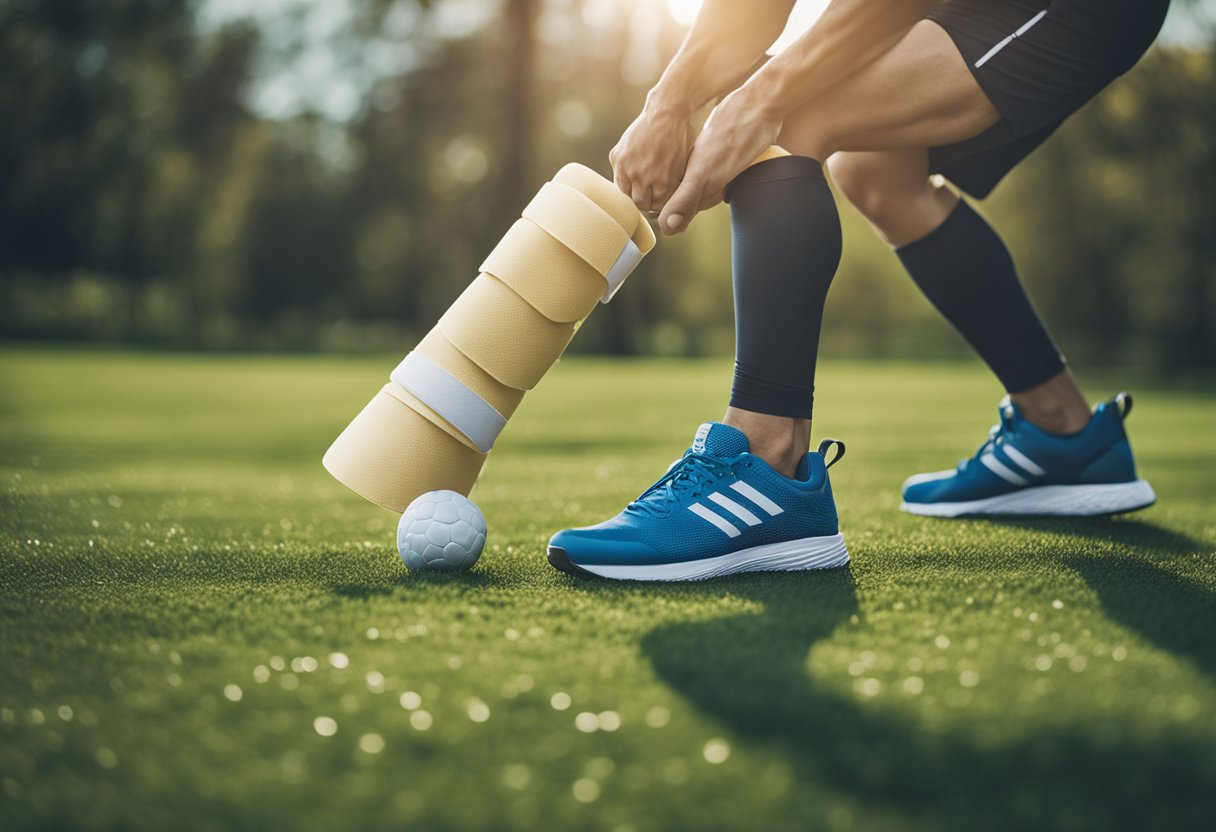
    Are reverse lunges a good option for those experiencing knee pain?

    Reverse lunges can be a good option for those experiencing knee pain, as they put less stress on the knee joint than traditional lunges. However, it is important to maintain proper form and avoid overuse to prevent further injury.

    Can jumping lunges be harmful to your knees?

    Jumping lunges can be harmful to your knees if done improperly or if you have pre-existing knee injuries. It is important to start with low-impact exercises and gradually work your way up to more advanced movements. Additionally, proper form and technique are crucial to prevent injury.

    What are some ways to treat knee pain caused by lunges?

    If you experience knee pain caused by lunges, there are several ways to treat the discomfort. Resting and icing your knees can help reduce inflammation and swelling. Stretching your leg muscles can also help relieve soreness and improve flexibility. Additionally, taking over-the-counter pain medication can help alleviate pain and discomfort.
    Why do my knees hurt after doing squats and lunges?

    Knee pain after doing squats and lunges can be caused by a variety of factors, including poor form, muscle imbalances, and overuse. It is important to maintain proper form and technique to prevent injury. Additionally, incorporating exercises that target your leg muscles and improve flexibility can help prevent knee pain.

  • Knees Hurt from Standing All Day?

    Knees Hurt from Standing All Day? Here’s What You Need to Know

    If you’ve ever spent a full day on your feet, you know how exhausting it can be. Not only can standing for long periods of time make you feel tired, but it can also cause discomfort in your knees. Knee pain from standing all day is a common issue that affects people of all ages, but it can be especially problematic for those who work in jobs that require them to stand for extended periods.

    v2 21oyt

    Understanding knee pain is the first step in finding relief. Knee pain from standing can be caused by a variety of factors, including overuse, injury, or underlying health conditions like arthritis. It’s important to identify the root cause of your knee pain so that you can take the appropriate steps to alleviate it.

    If you’re experiencing knee pain from standing all day, you’re not alone. In this article, we’ll explore the causes of knee pain, answer some frequently asked questions, and provide tips for preventing and treating knee pain from standing. By the end of this article, you’ll have a better understanding of how to keep your knees healthy and pain-free.
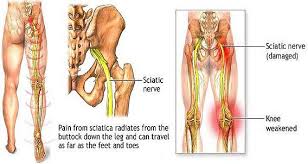
    Key Takeaways

    • Knee pain from standing can be caused by a variety of factors, including overuse, injury, or underlying health conditions like arthritis.
    • Identifying the root cause of your knee pain is important for finding relief.
    • There are several steps you can take to prevent and treat knee pain from standing, including wearing supportive shoes and taking regular breaks to rest your feet and legs.

    Understanding Knee Pain

    Knee pain is a common complaint among people who stand for long periods of time. It can be caused by a variety of factors, including injury, trauma, medical conditions, and excess weight. In this section, we will discuss the anatomy of the knee, common causes of knee pain, symptoms and diagnosis, risk factors and complications, and medical research and studies.

    Anatomy of the Knee

    The knee is a complex joint that is composed of bones, ligaments, cartilage, and tendons. The kneecap, or patella, is a small, triangular bone that sits in front of the knee joint. The ligaments are tough bands of tissue that connect the bones and provide stability to the joint. The cartilage is a smooth, rubbery material that covers the ends of the bones and allows them to glide smoothly over each other. The meniscus is a C-shaped piece of cartilage that acts as a shock absorber between the bones. The tendons are the bands of tissue that connect the muscles to the bones.

    Common Causes of Knee Pain

    Some common causes of knee pain include osteoarthritis, arthritis, injury, trauma, bursitis, tendinitis, torn meniscus, anterior cruciate ligament (ACL) injury, and patellar tendinitis. These conditions can cause swelling, redness, pain, popping, stiffness, and weakness in the knee joint.

    Symptoms and Diagnosis

    The symptoms of knee pain can vary depending on the cause of the pain. Some common symptoms include intense pain, swelling, redness, tenderness, popping sound, weakness, and instability. To diagnose the cause of knee pain, a medical history and physical examination are usually performed. The McMurray test is a common diagnostic test used to detect meniscal tears. In some cases, imaging tests such as X-rays, MRIs, or CT scans may be ordered.

    Risk Factors and Complications

    Some risk factors for knee pain include running, age, excess weight, and obesity. Lifestyle changes such as losing weight, wearing supportive shoes, and avoiding high-impact activities can help reduce the risk of knee pain. Complications of knee pain can include chronic pain, disability, and decreased quality of life.

    Medical Research and Studies

    Medical research and studies have shown that exercise, physical therapy, and surgery can be effective treatments for knee pain. In some cases, medications such as nonsteroidal anti-inflammatory drugs (NSAIDs) or corticosteroids may be prescribed to reduce pain and inflammation. Other treatments such as acupuncture, massage, and chiropractic care may also be helpful for some people. It is important to speak with a healthcare provider to determine the best treatment plan for your individual needs.

    In summary, knee pain can be caused by a variety of factors and can have a significant impact on daily life. Understanding the anatomy of the knee, common causes of knee pain, symptoms and diagnosis, risk factors and complications, and medical research and studies can help individuals make informed decisions about their healthcare and treatment options.

    Frequently Asked Questions

    v2 21oz7 rc7wh

    What is the fastest way to relieve knee pain?

    The fastest way to relieve knee pain is to rest and elevate your legs. Applying ice to the affected area for 20 minutes at a time can also help. Over-the-counter pain medication such as ibuprofen or acetaminophen can also be effective in reducing pain and inflammation.

    What helps knee pain from standing all day?

    Wearing comfortable shoes with good support and taking frequent breaks to sit or lie down and elevate your feet can help alleviate knee pain from standing all day. Additionally, using a knee support or brace can help take the pressure off of your knees and reduce pain.

    Is it normal for knees to hurt after standing all day?

    It is not uncommon for knees to hurt after standing all day, especially if you have not built up the necessary strength or endurance to handle prolonged standing. However, if the pain is severe or persists for an extended period of time, it may be a sign of an underlying condition and you should consult a healthcare professional.
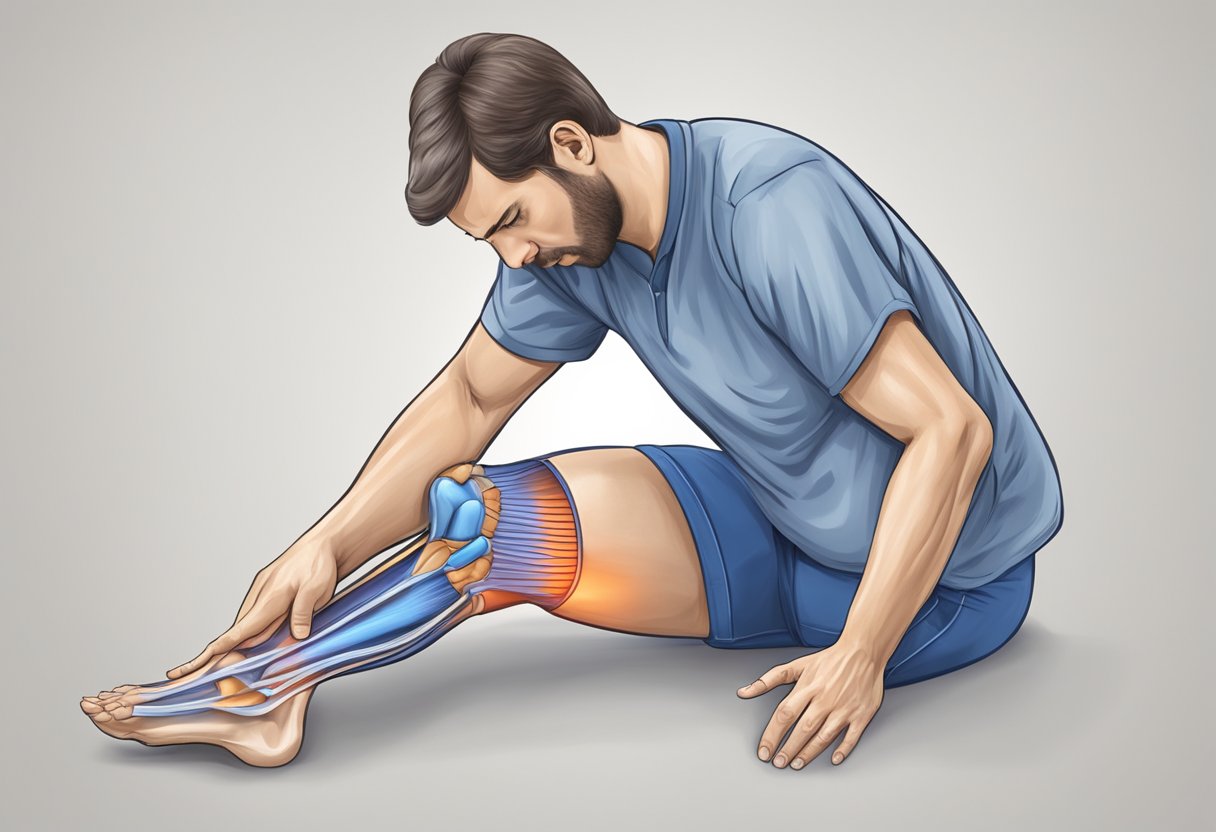
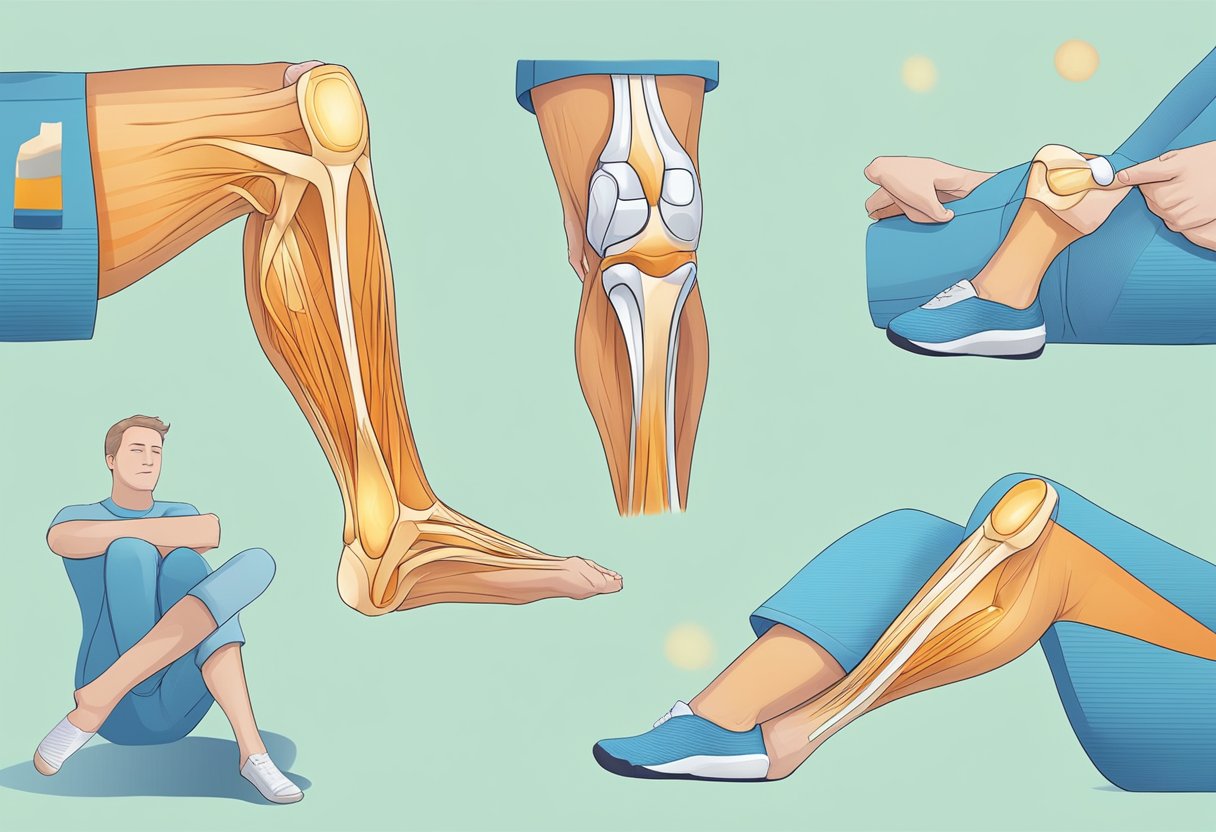
    Why do my knees hurt when I stand up after sitting?

    When you sit for an extended period of time, your knees can become stiff and may experience reduced blood flow. When you stand up, this can cause a sudden increase in pressure in your knees, leading to pain. This is often referred to as “start-up” pain and can be alleviated by stretching and moving your legs before standing up.

    How can I prevent knee pain from standing all day?

    To prevent knee pain from standing all day, it is important to wear comfortable shoes with good support and take frequent breaks to sit or lie down and elevate your feet. Additionally, performing exercises that strengthen the muscles around your knees can help prevent pain and injury.

    What are some exercises that can help with knee pain?

    Exercises such as leg lifts, squats, and lunges can help strengthen the muscles around your knees and reduce pain. Low-impact exercises such as swimming, cycling, and yoga can also be effective in reducing knee pain while improving overall strength and flexibility.