Knee Hurts from Inside
Knee Hurts from Inside: Causes and Treatment Options
Knee pain can be a common issue for people of all ages and can be caused by a variety of factors. One type of knee pain that people may experience is inner knee pain, which can be particularly concerning as it may indicate damage to the knee joint. Inner knee pain is a type of pain that is felt on the inside of the knee joint and can range from mild discomfort to severe pain.
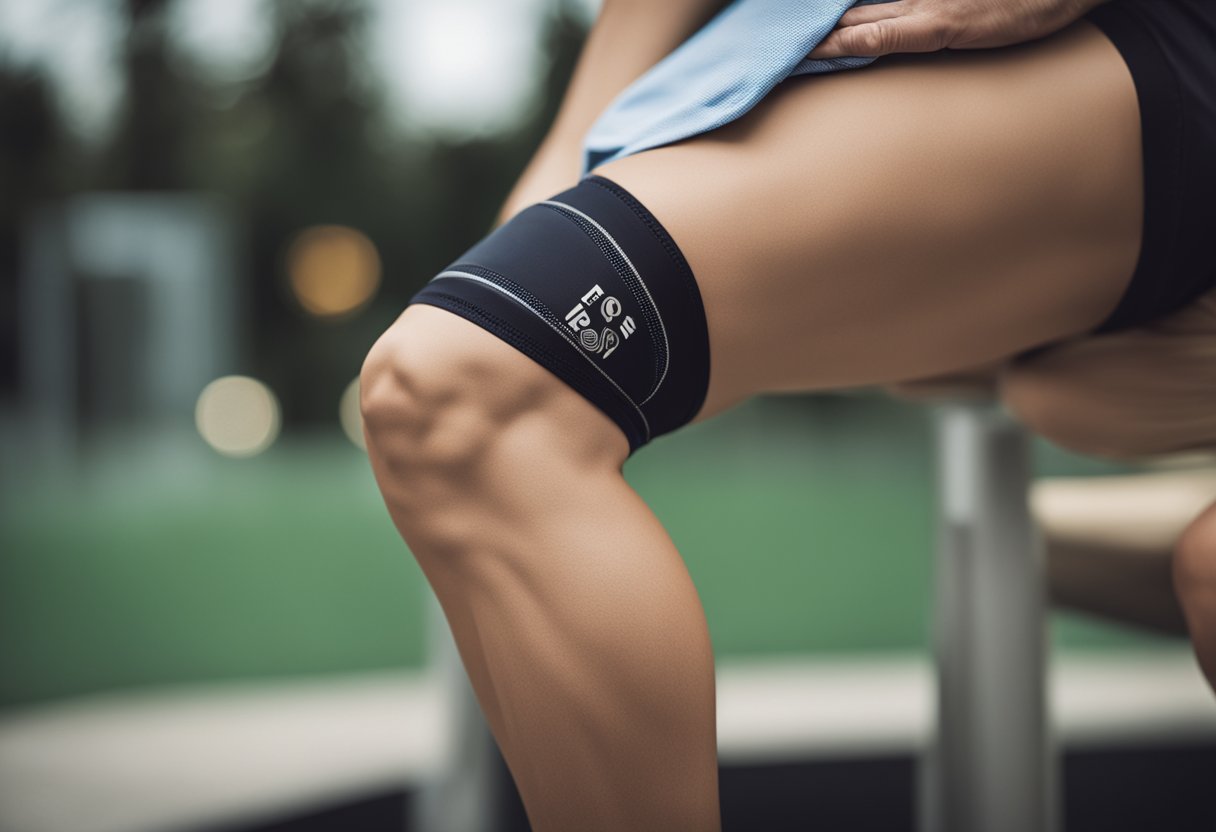
Understanding the causes of inner knee pain can be helpful in determining the best course of treatment. Some common causes of inner knee pain include cartilage deterioration, sports injuries, and trauma to the knee. Other factors that can contribute to inner knee pain include overuse of the knee joint, arthritis, and infections. It is important to seek medical attention if you are experiencing inner knee pain, as early diagnosis and treatment can help to prevent further damage to the knee joint.
Key Takeaways
- Inner knee pain can be caused by a variety of factors, including cartilage deterioration, sports injuries, and trauma to the knee.
- Overuse of the knee joint, arthritis, and infections can also contribute to inner knee pain.
- Seeking medical attention for inner knee pain is important for early diagnosis and treatment to prevent further damage to the knee joint.
Understanding Knee Pain
As we age, our knees can become more susceptible to pain and discomfort. Knee pain can be caused by a variety of factors, including injury, overuse, and underlying medical conditions. Understanding the anatomy of the knee joint can help us better understand the causes of knee pain.
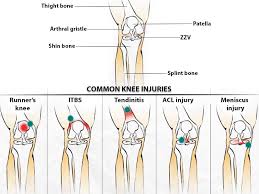
The knee joint is made up of bones, cartilage, ligaments, tendons, and muscles. The bones involved in the knee joint are the femur, tibia, and patella. The patella, or kneecap, sits at the front of the knee and connects the quadriceps muscles to the tibia. The cartilage in the knee joint helps to cushion the bones and prevent them from rubbing against each other. The ligaments and tendons in the knee joint provide stability and support.
Inner knee pain can be caused by a variety of factors, including injury to the medial meniscus, medial collateral ligament (MCL), or pes anserine bursa. Osteoarthritis and rheumatoid arthritis can also cause inner knee pain. In some cases, inner knee pain may be caused by a problem in another part of the body, such as the hip or lower back.
If you are experiencing inner knee pain, it is important to seek medical attention. Your doctor can help diagnose the cause of your knee pain and recommend appropriate treatment options. Treatment options may include rest, ice, compression, elevation, physical therapy, or surgery.
In summary, knee pain can be caused by a variety of factors, including injury, overuse, and underlying medical conditions. Understanding the anatomy of the knee joint can help us better understand the causes of knee pain. If you are experiencing knee pain, it is important to seek medical attention to determine the cause and appropriate treatment options.
Causes of Inner Knee Pain
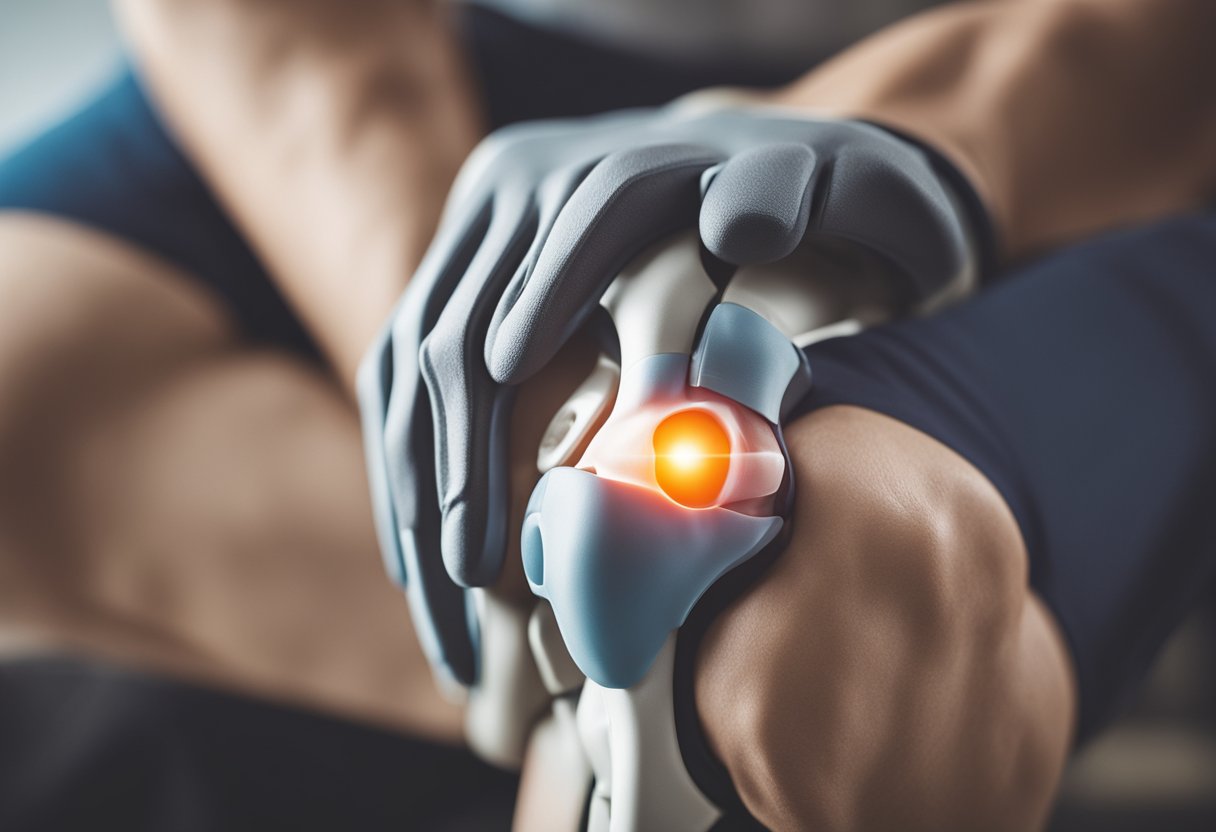
Inner knee pain can be caused by a variety of factors, including arthritis, injury, and overuse. In this section, we will discuss some of the most common causes of inner knee pain and their associated symptoms, complications, diagnosis, and treatment options.
Arthritis-Related Knee Pain
Arthritis is a common cause of knee pain, particularly in older adults. Osteoarthritis is the most common type of arthritis that affects the knee joint. It occurs when the protective cartilage that cushions the joint wears down over time, leading to pain, swelling, and stiffness. Rheumatoid arthritis is another type of arthritis that can cause knee pain. It is an autoimmune disorder that causes inflammation and swelling in the joint, leading to pain and stiffness.
Injury-Induced Knee Pain
Injuries are another common cause of knee pain, particularly in athletes. Knee injuries can occur due to direct impact or twisting of the joint. Torn meniscus or torn cartilage is a common knee injury that can cause inner knee pain. Other knee injuries that can cause inner knee pain include iliotibial band syndrome, pes anserine bursitis, and plica syndrome.
Other Causes
Other causes of inner knee pain include bursitis, gout, and infection. Bursitis is the inflammation of the bursa, a small fluid-filled sac that cushions the joint. Gout is a type of arthritis that occurs when uric acid crystals build up in the joint, leading to pain and swelling. Infection can also cause knee pain, particularly if the joint becomes swollen, warm, and tender.
Symptoms and Complications
Symptoms of inner knee pain may include swelling, inflammation, popping, warmth, tenderness, and stiffness. Complications of inner knee pain may include mobility issues, instability, and stiffness.
Diagnosis and Treatment
Diagnosis of inner knee pain may involve a physical exam, x-rays, CT scan, ultrasound, or MRI. Treatment options may include arthroscopy, injections, compression, nonsteroidal anti-inflammatory drugs (NSAIDs), arthroscopic surgery, therapy, physical therapy, surgery, knee brace, ice therapy, rest, and ibuprofen.
Prevention and Self-Care
Prevention and self-care tips for inner knee pain may include managing health, preventing overuse, and avoiding stress on the knee joint. Health tips may include eating a healthy diet, getting regular exercise, and managing weight. Preventing overuse may involve avoiding activities that put excessive stress on the knee joint, such as running or jumping. Avoiding stress on the knee joint may involve walking, bending, extending, jumping, and balancing.
Remember to always consult with a doctor if you experience persistent knee pain or swelling. They can help diagnose the underlying cause of your pain and recommend the appropriate treatment options.
Frequently Asked Questions
What are common causes of knee pain on the inside?
Inner knee pain can be caused by a variety of factors, including injuries to the medial collateral ligament (MCL), medial meniscus, or pes anserine bursa. Other potential causes include rheumatoid arthritis, medial plica irritation, and other injuries. It’s important to see a doctor if you experience persistent pain in your inner knee.
What are some exercises to relieve inner knee pain?
Some exercises that may help relieve inner knee pain include stretching and strengthening exercises for the quadriceps, hamstrings, and calf muscles. Low-impact exercises like swimming and cycling can also be helpful. However, it’s important to consult with a doctor or physical therapist before starting any exercise program.
How can I prevent inner knee pain?
To prevent inner knee pain, it’s important to maintain a healthy weight, wear proper footwear, and avoid activities that put excessive strain on the knee joint. Stretching and strengthening exercises can also help prevent knee injuries.
What are the symptoms of bursitis in the inner knee?
Symptoms of bursitis in the inner knee can include pain, swelling, and tenderness in the area around the pes anserine bursa. You may also experience difficulty bending or straightening your knee.
Is inner knee pain a sign of a serious medical condition?
Inner knee pain can be a symptom of a serious medical condition, such as rheumatoid arthritis or a torn meniscus. It’s important to see a doctor if you experience persistent pain in your inner knee.
Can walking worsen inner knee pain?
Walking can worsen inner knee pain if you have an injury or medical condition that is causing the pain. However, low-impact activities like walking can be helpful for strengthening the muscles around the knee joint and improving overall knee health. It’s important to consult with a doctor or physical therapist before starting any exercise program.