For millions of people worldwide, knee pain is a debilitating condition that affects daily life. Whether you’re an athlete, a fitness enthusiast, or simply someone who spends a lot of time on their feet, the right shoes can make a significant difference in alleviating discomfort.
We explore the critical connection between proper footwear and knee health, and how the right shoes can reduce pain and improve mobility for those suffering from knee arthritis.
Finding the best shoes tailored to your specific needs can be challenging, but understanding what to look for can simplify the process.
Key Takeaways
Understanding the link between footwear and knee health
Key features to look for in shoes to alleviate knee pain
Importance of proper fit and cushioning technology
How the right shoes can improve mobility for arthritis sufferers
Factors to consider when selecting the best shoes for knee arthritis
Understanding the Connection Between Footwear and Knee Pain
The shoes you wear can have a significant impact on your knee health and overall well-being. Proper footwear provides support and cushioning for your feet and legs, which can help distribute weight evenly and reduce stress on your knees.
This reduces the risk of pain and injury. One key aspect of proper footwear is stability, which helps keep feet neutral and prevents excessive pronation or supination.
How Improper Shoes Affect Your Knees
Improper shoes can directly contribute to knee pain by failing to provide adequate support, cushioning, and alignment. Shoes with worn-out soles or inadequate arch support can cause misalignment that affects the knees.
Excessive pronation or supination can exacerbate arthritis symptoms.
Poor footwear choices can lead to increased stress on knee joints.
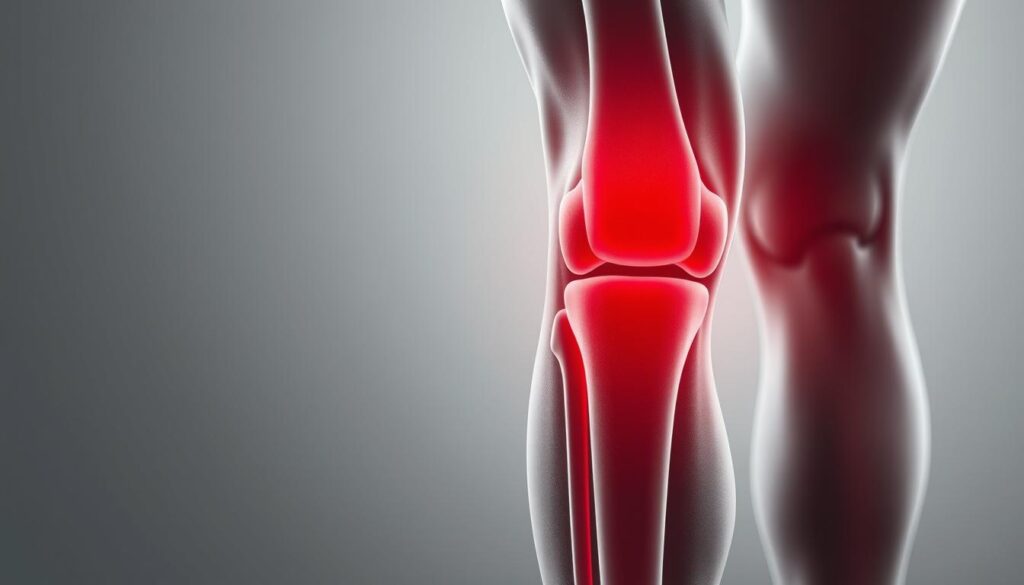
The Impact of Arthritis on Knee Joints
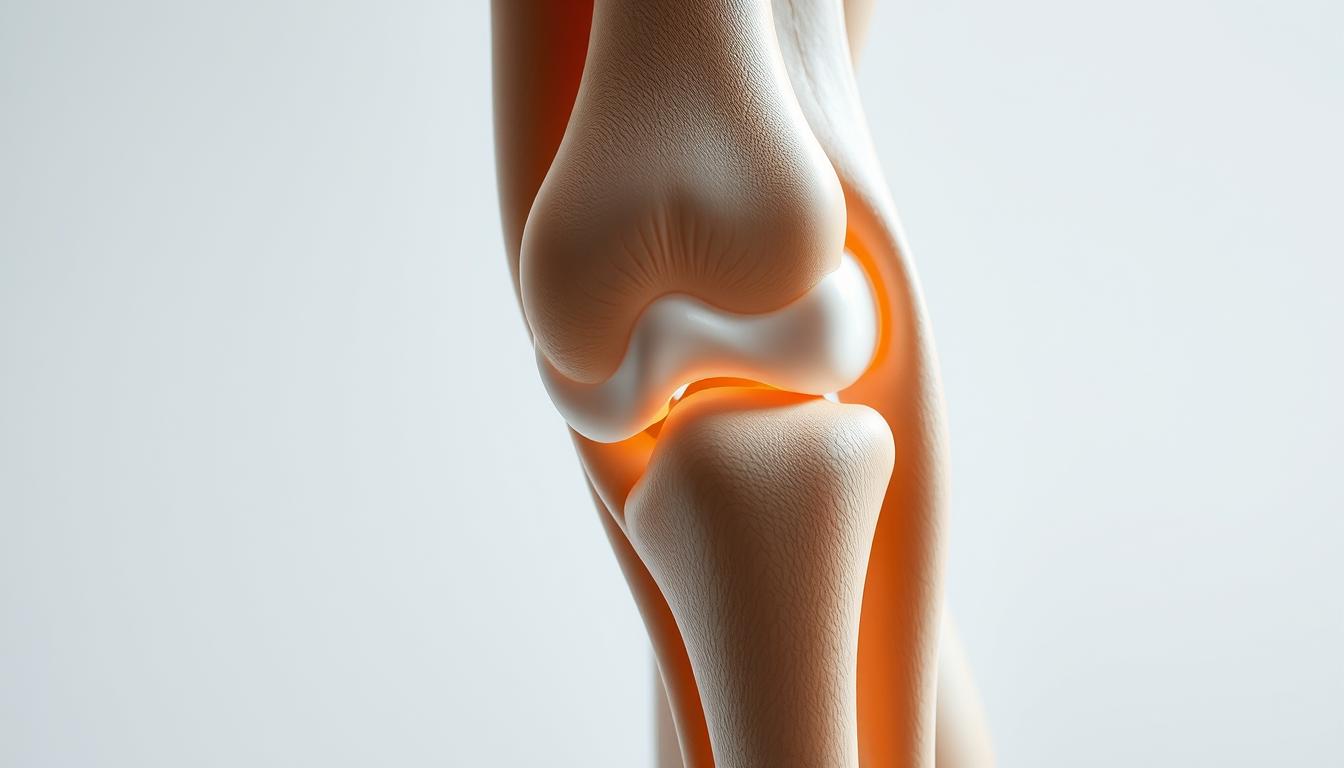
Arthritis affects the knee joint structure, causing cartilage breakdown, inflammation, and pain during weight-bearing activities. Proper footwear is essential for managing these symptoms.
By understanding the connection between footwear and knee health, individuals can make informed choices to alleviate knee pain and improve their overall quality of life.
Why Proper Footwear Matters for Arthritis Sufferers
For individuals suffering from knee arthritis, the right footwear can make a significant difference in managing pain and improving mobility. Proper shoes can help alleviate some of the stress and discomfort associated with arthritic knee joints.
Reducing Joint Stress Through Shoe Selection
Shoes with adequate cushioning help absorb the shock that occurs with each step, reducing the impact on your knees. This is particularly important for individuals with arthritis knee pain, as the cushioning can help alleviate some of the pressure on the joints.
Benefits of Supportive Shoes for Daily Activities
Supportive shoes can significantly improve stability and balance, which is crucial for arthritis sufferers who may have altered gait patterns due to pain. By wearing the right shoes, women with knee arthritis can experience increased mobility and independence, making daily activities less painful.
Research has shown that appropriate footwear can reduce osteoarthritis symptoms and potentially slow disease progression by minimizing joint stress. The table below highlights the key benefits of proper footwear for arthritis sufferers.
Feature
Benefit
Cushioning
Reduces impact on knees
Supportive Design
Improves stability and balance
Proper Fit
Reduces pressure on joints
Key Features to Look for in Knee-Friendly Shoes
Knee-friendly shoes are designed with particular features that help reduce knee pain; understanding these features is vital. When it comes to managing knee arthritis, the right footwear can play a significant role in alleviating discomfort.
Cushioning and Shock Absorption
Adequate cushioning is crucial for absorbing shock and reducing the impact on the knees. Different midsole materials like EVA foam, gel inserts, and air pockets vary in their effectiveness for arthritis sufferers. These materials help in providing the best shock absorption for knee pain relief.
Stability and Support Features
Stability features such as medial posts, guide rails, and structured heel counters help maintain proper foot alignment. This prevents excessive pronation or supination, which can exacerbate knee pain. Proper arch support is also essential in maintaining foot alignment and reducing strain on the knee joint.
Proper Fit and Toe Box Width
A proper fit and adequate toe box width allow for natural foot movement. This prevents compensatory gait patterns that can worsen knee pain. Ensuring a comfortable fit is crucial for overall knee health.
Common Shoe Mistakes That Worsen Knee Arthritis
Many individuals unintentionally exacerbate their knee arthritis by making simple shoe-related mistakes. The shoes we wear play a significant role in our overall knee health, and certain choices can either alleviate or aggravate knee pain.
Wearing the right shoes is crucial for managing knee arthritis. Unfortunately, many people make mistakes that can worsen their condition. Let’s examine some of these common errors.
Wearing Shoes with Worn-Out Soles
Shoes with worn-out soles lack adequate cushioning and shock absorption, leading to increased stress on the knees. Over time, the soles of our shoes wear down, reducing their ability to absorb shock. Typically, shoes should be replaced every 300-500 miles or 6-12 months, depending on usage.
Choosing Shoes Without Proper Arch Support
Shoes that lack proper arch support can cause the feet to become misaligned, leading to body imbalances and additional stress on the knee joints. Proper arch support is essential for maintaining alignment and reducing knee pain.
Selecting Ill-Fitting Footwear
Ill-fitting shoes, whether too tight, too loose, or of improper width, can force the foot and leg to compensate with unnatural movements. This can exacerbate arthritis symptoms and lead to increased knee pain.
By avoiding these common shoe mistakes, individuals with knee arthritis can take a significant step towards managing their condition and reducing knee pain.
10 Best Shoes for Knee Arthritis in Women
When it comes to managing knee arthritis, the right shoes can make all the difference. Our selection of the best footwear is based on a comprehensive evaluation that considers various factors crucial for alleviating knee pain.
How We Selected These Shoes
We chose shoes that fit a wide range of foot sizes, including narrow, wide, and extra-wide feet. Our selections are based on podiatrist recommendations, customer reviews, and brand reputation for producing supportive footwear that addresses knee pain.
Our Evaluation Criteria
Our evaluation criteria included assessing the quality of cushioning, stability features, arch support, durability, weight, flexibility, and overall value for money. We considered different activity levels and lifestyle needs to ensure our recommendations cater to various requirements, from daily walking to fitness activities. This approach allowed us to identify the best shoes that not only alleviate knee arthritis discomfort but also suit different budgets.
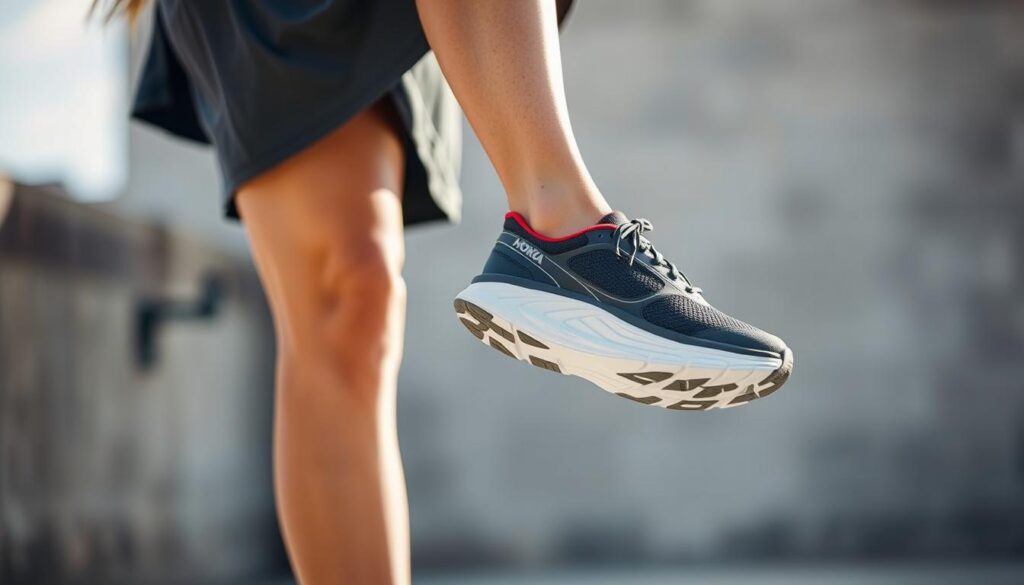
Hoka Bondi 8: Maximum Cushioning for Arthritic Knees
The Hoka Bondi 8 stands out for its ultra-resistant, plush cushioning foam, making it an ideal choice for women with severe knee arthritis. This shoe is designed to provide maximum comfort and support, reducing the impact on the knees.
Key Features and Benefits
The Hoka Bondi 8 features ultra-resistant, plush cushioning foam that is both soft and bouncy, effectively reducing the shock from the foot hitting the ground. The memory foam collar cradles the ankle, providing additional support and comfort. Furthermore, the rear crash pad helps in transitioning the force from the heel to the forefront of the toe, ensuring a smooth stride.
Pros and Cons
The Hoka Bondi 8 offers several benefits, including exceptional cushioning and stability, making it suitable for women with knee arthritis. It also has the APMA Seal of Acceptance, validating its benefits for foot health. However, it comes with a higher price point and may have a bulkier appearance. Some users might also experience a potential break-in period.
Who Should Choose This Shoe
This shoe is particularly beneficial for women with moderate to severe knee pain who prioritize maximum cushioning over weight and sleek design. It’s ideal for those seeking shock absorption and support for their knees.
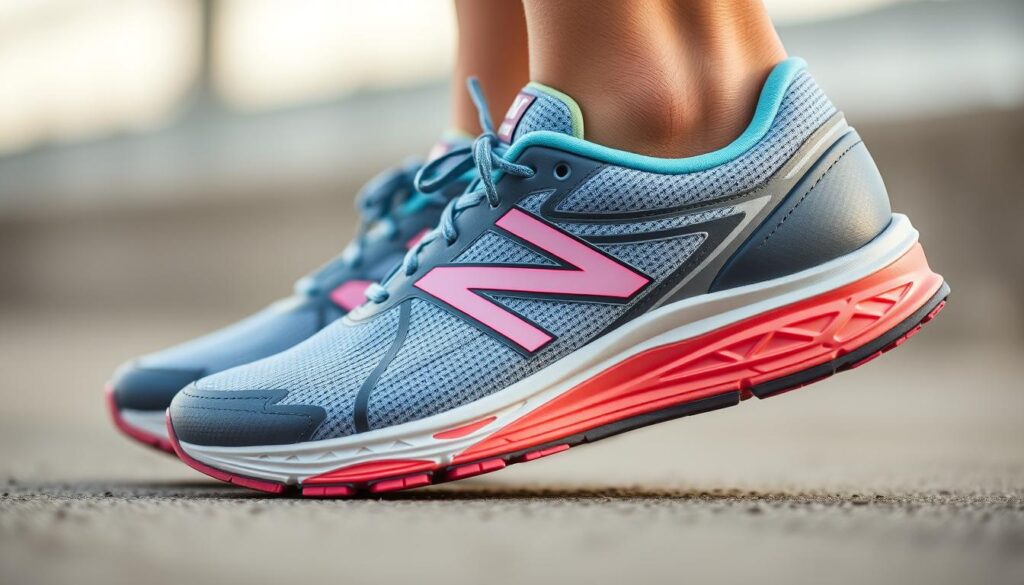
New Balance Fresh Foam X 1080v14: Superior Support and Comfort
The New Balance Fresh Foam X 1080v14 is a top contender for women seeking relief from knee pain through superior cushioning and support. This shoe is designed for everyday running, whether on roads or trails, and its flexible sole provides softer support and extra flexibility, making it more comfortable for those who find stiffer shoes painful.
Key Features and Benefits
The New Balance Fresh Foam X 1080v14 features a pinnacle underfoot cushioning system and strategic midsole mapping. This design places increased foam in the wider areas of the midsole and enhanced flexibility in narrower points, optimizing comfort and support. As a result, women with knee arthritis can enjoy a more stable and cushioned ride.
Pros and Cons
The benefits of the New Balance Fresh Foam X 1080v14 include its superior cushioning, excellent flexibility, and availability in multiple widths. However, some users may be deterred by the higher price point and potential durability concerns associated with softer materials.
Who Should Choose This Shoe
This shoe is ideal for women who need a balance of cushioning and flexibility for everyday activities and light exercise. If you’re looking for a shoe that provides support and comfort for arthritic knees, the New Balance Fresh Foam X 1080v14 is worth considering. For more options, you can explore our guide on the best walking shoes for knee pain.
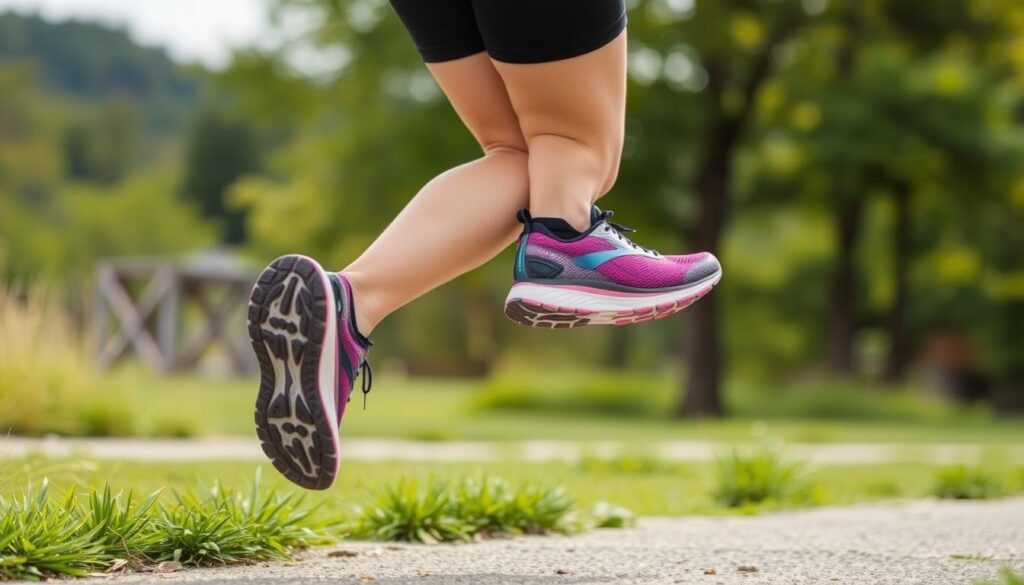
Brooks Adrenaline GTS 23: Stability for Overpronators
For women suffering from knee arthritis and overpronation, the Brooks Adrenaline GTS 23 offers a compelling solution with its advanced stability features. This shoe is designed to provide support and comfort, making it ideal for both walking and running activities.
Key Features and Benefits
The Brooks Adrenaline GTS 23 features a GuideRails® support system that helps keep excess movement in check, reducing stress on the knees by maintaining proper foot alignment throughout the gait cycle. Additionally, it boasts balanced cushioning technology that provides comfort without sacrificing stability.
Pros and Cons
The shoe’s excellent stability and good cushioning make it a great choice for overpronators with knee arthritis. However, it may feel firmer than max-cushioned shoes, and its motion control features might be too controlling for those with neutral feet.
Who Should Choose This Shoe
This model is particularly beneficial for women with knee arthritis who need motion control features to correct overpronation while maintaining comfort for arthritic knees. If you’re an overpronator seeking a reliable running shoe that offers both support and stability, the Brooks Adrenaline GTS 23 is an excellent choice.
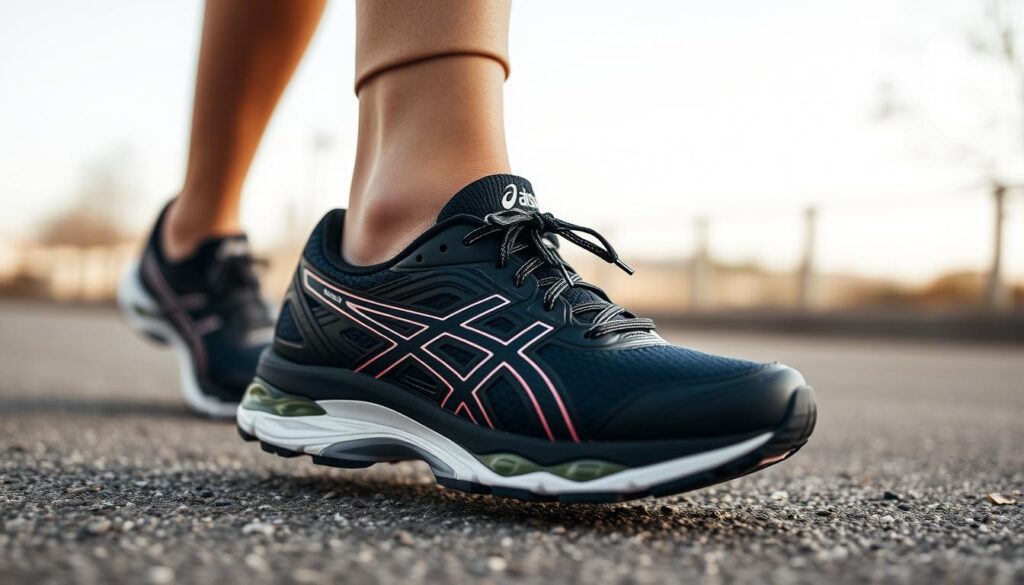
Asics Gel-Kayano 31: Structured Support for Daily Wear
With its emphasis on support and stability, the Asics Gel-Kayano 31 is a top contender for women with knee arthritis looking for reliable daily wear. This shoe is designed to provide excellent support and cushioning, making it ideal for various daily activities.
Key Features and Benefits
The Asics Gel-Kayano 31 features a proprietary GEL® technology cushioning system that effectively absorbs shock during impact and toe-off phases, reducing stress on arthritic knee joints. Additionally, the Dynamic DuoMax® Support System enhances stability and support without adding significant weight to the shoe.
Pros and Cons
The benefits of the Asics Gel-Kayano 31 include its excellent support, proven GEL cushioning technology, and durable construction. However, it comes with a higher price point and may be too structured for some users.
Who Should Choose This Shoe
This model is particularly suited for women with knee arthritis who need reliable daily support for various activities and have moderate pronation issues. The Asics Gel-Kayano 31 is ideal for those prioritizing support and stability in their footwear.
Skechers Max Cushioning Elite 2.0: Budget-Friendly Option
With its focus on cushioning and comfort, the Skechers Max Cushioning Elite 2.0 is a great option for women with knee arthritis looking for a budget-friendly shoe. This laceless, slip-on design is particularly beneficial for individuals who struggle with tying laces due to limited mobility.
Key Features and Benefits
The Skechers Max Cushioning Elite 2.0 features responsive 5GEN cushioning and a high rebound cushioned insole, designed to absorb impact and reduce knee pain during walking. The outsole offers flexible traction, making it easier to navigate slippery areas. Additionally, the breathable mesh upper helps reduce sweating and swelling.
Pros and Cons
The advantages of the Skechers Max Cushioning Elite 2.0 include its affordable price, excellent cushioning, and convenient slip-on design. However, it may lack the structured support found in some premium models, and there are potential concerns regarding its durability.
Who Should Choose This Shoe
This shoe is ideal for women with knee arthritis who are on a budget but still require significant cushioning and prefer the convenience of a slip-on design. It’s particularly suitable for walking and everyday activities.
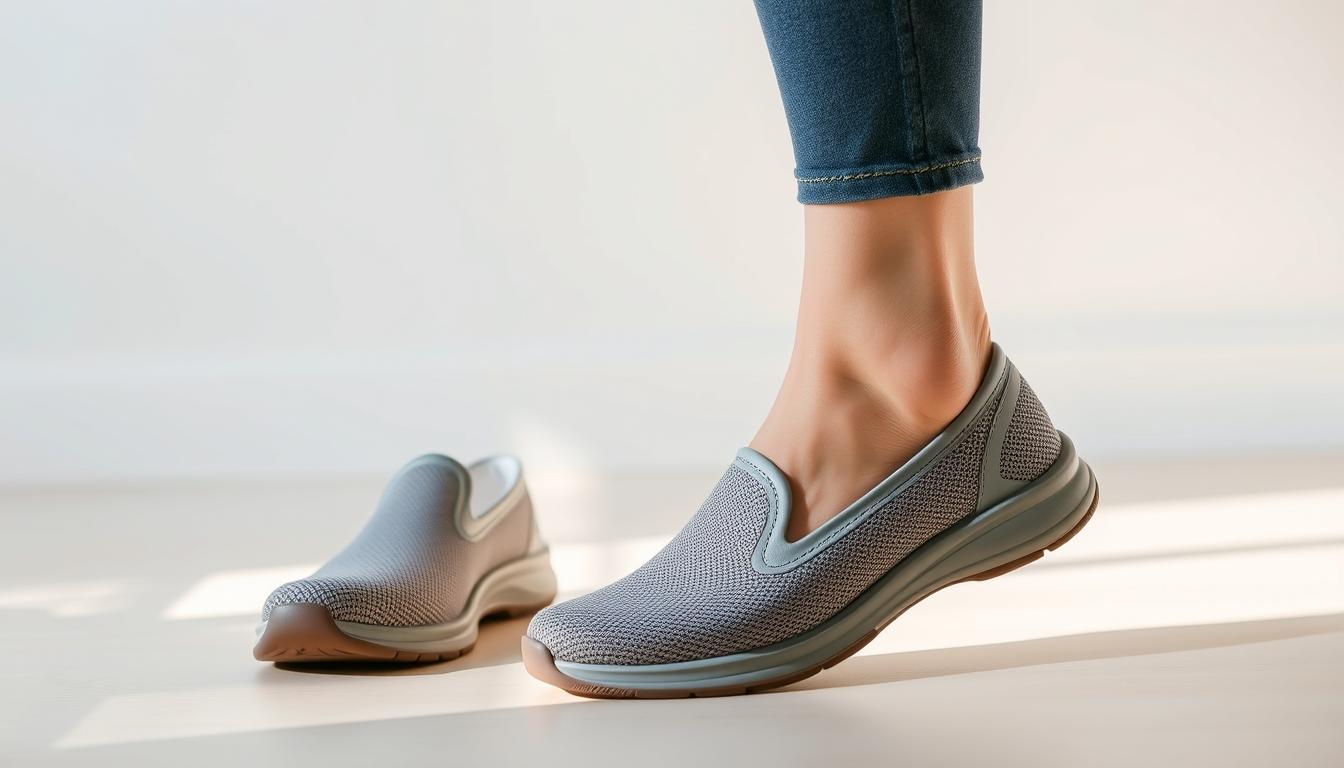
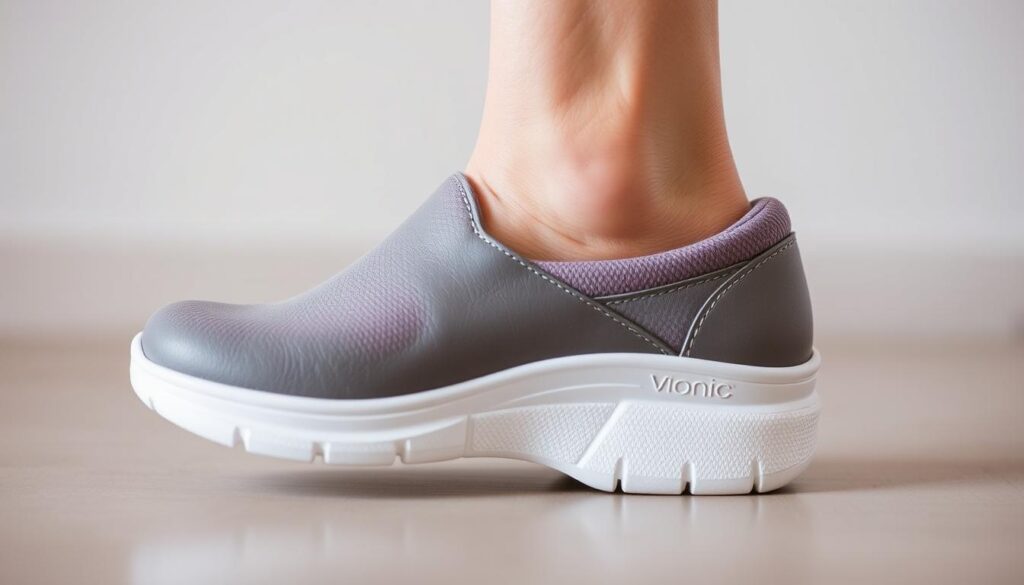
Vionic Slip-On Shoes: Orthotic Support for Everyday Use
Vionic Slip-On Shoes offer orthotic support for everyday use, making them an excellent choice for women with knee arthritis. These shoes are designed with Vio-Motion technology, which hugs the arches and provides more structured support, helping to maintain proper foot alignment and reduce stress on the knees.
Key Features and Benefits
The built-in orthotic in Vionic Slip-On Shoes may help reduce pain from plantar fasciitis, a condition that often co-occurs with knee problems. These shoes come in a wide range of colors and textures, including leather, suede, and textile, offering both style and comfort. The company recommends wearing these shoes for a couple of hours a day until you become accustomed to the more supportive feel.
Pros and Cons
The advantages of Vionic Slip-On Shoes include excellent arch support, stylish designs, and a variety of materials. However, some users may require an adjustment period, and the shoes might have less cushioning compared to running shoes.
Who Should Choose This Shoe
Vionic Slip-On Shoes are ideal for women with knee arthritis who need orthotic support in a stylish, everyday shoe rather than an athletic design. They are perfect for daily activities and offer a comfortable, supportive solution for those seeking relief from knee pain.
Nike Invincible 3: Responsive Cushioning for Active Women
For women with knee arthritis who remain active, the Nike Invincible 3 offers a compelling combination of cushioning and performance. This shoe is designed to provide responsive cushioning that absorbs impact and returns energy, making it ideal for various activities.
Key Features and Benefits
The Nike Invincible 3 features ZoomX foam cushioning that not only absorbs the impact of the foot hitting the ground but also provides energy return. This helps in reducing fatigue and joint stress during active pursuits. Additionally, the shoe’s rubber waffle outsole provides excellent traction and stability without adding excessive weight.
Pros and Cons
The Nike Invincible 3 has several advantages, including exceptional responsive cushioning and energy return, making it versatile for various activities. However, it also has some drawbacks, such as a higher price point and potentially being too soft for those needing maximum stability.
Who Should Choose This Shoe
This shoe is particularly beneficial for more active women who need impact protection but still want energy return and responsiveness in their footwear. Women who engage in regular running or high-impact activities will find the Nike Invincible 3 to be an excellent choice.
Altra Experience Wild Trail: Supportive Option for Outdoor Activities
Altra’s Experience Wild Trail offers a unique blend of cushioning and natural foot positioning, making it ideal for women with knee arthritis.
Key Features and Benefits
The Altra Experience Wild Trail features a balanced cushioning platform that encourages proper alignment and reduces impact on the knees. Its FootShape™ toe box allows toes to spread naturally, enhancing stability and comfort on uneven terrain.
Pros and Cons
The shoe offers excellent traction and good cushioning for trails, making it perfect for outdoor activities. However, the zero-drop platform may require an adjustment period, and the fit is wider than some brands.
Who Should Choose This Shoe
Women with knee arthritis who enjoy hiking and outdoor activities will benefit from the Altra Experience Wild Trail. It’s particularly suitable for those needing protection on uneven terrain.
Tips for Transitioning to New Supportive Footwear
The key to alleviating knee pain lies not just in choosing the right shoes, but also in adapting to them gradually. When transitioning to new supportive footwear, it’s essential to start slowly. We recommend wearing these shoes for a couple of hours a day until you become accustomed to the more supportive feel.
This gradual adjustment period allows your feet and knees to adapt to the different support patterns and cushioning levels. The break-in period may vary depending on the type of shoe, with highly cushioned running shoes potentially requiring a shorter adjustment time compared to more structured orthotic designs.
During this transition, you may experience temporary soreness or changes in your gait. It’s crucial to distinguish between normal adjustment discomfort and signs that a shoe isn’t right for you. To maintain the knee-protecting properties of your supportive footwear, replace them every 300-500 miles or 6-12 months, depending on usage, and assess their condition regularly.
By following these guidelines and being mindful of your body’s response, you can enjoy the benefits of your new shoes while minimizing potential discomfort.
FAQ
What type of shoes are best for alleviating knee pain caused by osteoarthritis?
We recommend shoes with extra cushioning and shock absorption features, such as the Hoka Bondi 8, to help reduce the impact on knee joints.
How do I know if my shoes are contributing to my knee pain?
If your shoes lack proper arch support or have worn-out soles, they may be exacerbating your knee pain. Look for shoes with stability features and a comfortable fit.
Can running shoes help with knee arthritis?
Yes, some running shoes, such as the Brooks Adrenaline GTS 23, are designed to provide superior support and cushioning, which can help alleviate knee pain caused by arthritis.
What is the importance of ankle support in shoes for knee arthritis?
Ankle support can help stabilize the foot and reduce stress on the knee joint. Shoes with good ankle support, such as the Asics Gel-Kayano 31, can be beneficial for individuals with knee arthritis.
How often should I replace my shoes to maintain optimal support and cushioning?
We recommend replacing your shoes every 300-500 miles or every 3-6 months, depending on your activity level and wear. Worn-out shoes can lead to reduced support and increased stress on your knee joints.
Can orthotics be used in conjunction with supportive shoes?
Yes, orthotics can be used with supportive shoes to provide additional comfort and support. Some shoes, such as the Vionic Slip-On Shoes, are designed to accommodate orthotics.
Are there any specific features I should look for in shoes to help alleviate knee pain?
We recommend looking for shoes with cushioning, shock absorption, stability features, and a comfortable fit. These features can help reduce stress on the knee joint and alleviate pain.
Can a change in diet really alleviate knee pain and improve overall joint health?
Strong and healthy bones are crucial for our overall well-being and quality of life. Building solid bones starts with making the right dietary choices. Choosing foods that build bone density, strengthen connective tissue, and reduce inflammation can help prevent injuries and preserve our joints for a long, active life.
Research supports the connection between a plant-based diet and reduced inflammation, which is a key factor in conditions like arthritis. By focusing on specific plant foods, we can address the root causes of knee pain and improve our overall health.
Key Takeaways
A well-planned vegan diet can significantly improve knee joint health.
Certain plant foods have anti-inflammatory properties that can reduce pain.
A vegan diet can help maintain healthy cartilage and joint function.
Traditional Western diets may contribute to joint deterioration.
Incorporating specific vegan food groups can provide essential nutrients for joint health.
The Connection Between Diet and Knee Joint Health
Understanding how diet influences knee joint health is crucial for maintaining overall well-being. The food we eat plays a significant role in either promoting or reducing inflammation in our body, which directly affects our joints.
Our diet is not just about managing weight or providing energy; it’s also about supplying the necessary nutrients for maintaining healthy joints. Nutrition is key to supporting the health of our knee joints, and a well-balanced diet can help prevent or alleviate joint-related issues.
How Food Affects Joint Inflammation
The foods we consume can either exacerbate or reduce inflammation in our joints. Green and leafy vegetables, for instance, are known to block an enzyme that causes joint swelling. They are also rich in fiber, vitamins, and nutrients that contribute to overall health and well-being. On the other hand, certain foods can trigger or increase inflammation, potentially leading to discomfort and pain in the knee joints.
By making informed dietary choices, we can significantly influence the level of inflammation in our bodies. Incorporating anti-inflammatory foods into our diet is a proactive step towards maintaining healthy knee joints.
The Role of Nutrition in Cartilage Health
Cartilage health is vital for smooth joint movement and preventing conditions like osteoarthritis. Nutrition plays a critical role in maintaining healthy cartilage tissue in the knee joints. Unlike most body tissues, cartilage lacks a direct blood supply and relies on the diffusion of nutrients from the surrounding joint fluid.
Essential nutrients, including antioxidants, vitamins, minerals, and specific amino acids found in plant foods, support cartilage synthesis and repair. A diet rich in these nutrients can help slow down cartilage degradation and potentially support the regeneration of damaged tissue.
Understanding Osteoarthritis and Knee Pain
Osteoarthritis of the knee is characterized by cartilage loss and joint inflammation, leading to pain and stiffness. This condition can result from a combination of factors, including age, genetics, and lifestyle choices.
Common Causes of Knee Joint Deterioration
A variety of causes, including hereditary, developmental, metabolic, and mechanical etiologies, may initiate the process of cartilage loss. As cartilage thins, bony surfaces become less well-protected, and bone may be exposed or damaged. Regional muscles may experience atrophy, and ligaments become more lax due to decreased movement secondary to pain.
Cause
Description
Effect on Knee Joint
Hereditary Factors
Genetic predisposition to osteoarthritis
Increased risk of cartilage loss
Developmental Factors
Abnormal joint development
Poor joint alignment, increased wear
Metabolic Factors
Conditions like diabetes, obesity
Increased inflammation, cartilage degradation
How Diet Can Influence Symptoms
Diet plays a significant role in managing osteoarthritis symptoms. Certain foods can trigger inflammation, exacerbating pain and stiffness, while others have anti-inflammatory properties that can alleviate symptoms. A diet rich in fruits, vegetables, and whole grains can help reduce inflammation and promote overall joint health.
By understanding the causes of knee joint deterioration and the impact of diet on osteoarthritis symptoms, individuals can make informed choices to manage their condition effectively.
Benefits of a Plant-Based Approach for Joints
Research has highlighted the potential of a vegan diet to alleviate joint pain and inflammation. A plant-based approach focuses on consuming foods that are rich in nutrients and antioxidants, which can help reduce inflammation and promote overall joint health.
Anti-Inflammatory Properties of Vegan Foods
Vegan foods are rich in anti-inflammatory compounds that can help reduce joint inflammation. Foods such as leafy greens, fruits, and nuts are packed with antioxidants and polyphenols that have been shown to have anti-inflammatory effects. By incorporating these foods into your diet, you can potentially reduce the inflammation that contributes to joint pain and discomfort.
Research on Vegan Diets and Arthritis Relief
Several studies have investigated the effects of a vegan diet on arthritis symptoms. One study found that a gluten-free, whole-food plant-based diet improved measurements of swollen joints, pain, and functional status in patients with rheumatoid arthritis. Another study demonstrated that a vegan diet can lead to significant improvements in pain and functionality in patients with arthritis. These findings suggest that a well-planned diet can be an effective adjunct to traditional treatments for arthritis.
By understanding the benefits of a plant-based approach for joints, individuals can make informed decisions about their diet and potentially alleviate joint pain and inflammation.
How a Vegan Diet Reduces Inflammation
The anti-inflammatory effects of a vegan diet are attributed to its rich composition of fruits, vegetables, and other nutrient-dense foods. By eliminating certain pro-inflammatory foods and increasing the intake of antioxidants, a vegan diet can significantly impact overall health, particularly in reducing inflammation.
Eliminating Pro-Inflammatory Animal Products
A key aspect of reducing inflammation through a vegan diet is the elimination of animal products that can trigger or exacerbate inflammatory responses in the body. By removing these pro-inflammatory foods, individuals can potentially lower their overall inflammation levels.
Increasing Antioxidant Intake
A vegan diet naturally promotes a high intake of antioxidants, which play a crucial role in combating oxidative stress and inflammation. Foods rich in antioxidants, such as various fruits and vegetables, help neutralize free radicals that can cause joint damage and other health issues.
Some of the most antioxidant-rich foods include:
Food
Antioxidant Content
Benefit
Blueberries
High in Anthocyanins
Reduces inflammatory responses
Citrus Fruits
Rich in Vitamin C
Boosts immune system and collagen production
Leafy Greens
Packed with Various Phytonutrients
Supports overall health and reduces oxidative stress
5. Vegan Diet for Knee Joint Health: Key Foods
The vegan diet has emerged as a powerful tool in promoting knee joint health and reducing inflammation. A well-planned vegan diet can provide all the necessary nutrients for optimal joint health.
The Ideal Nutritional Profile for Joint Support
A vegan diet rich in essential nutrients is vital for supporting knee joint health. Calcium-rich foods such as fortified plant-based milk, tofu, almonds, and leafy vegetables are crucial for maintaining strong bones. We should also focus on consuming foods high in antioxidants and omega-3 fatty acids to reduce inflammation.
Nutrient
Vegan Food Sources
Benefit to Joints
Calcium
Fortified plant milk, tofu, almonds, leafy greens
Supports bone health
Omega-3
Chia seeds, flaxseeds, walnuts
Reduces inflammation
Antioxidants
Berries, leafy greens, other fruits and vegetables
Protects against oxidative stress
Creating a Balanced Approach
To create a balanced vegan diet, we need to ensure variety in our plant food choices. This includes consuming a range of fruits, vegetables, whole grains, and legumes. It’s also important to address potential nutritional concerns such as vitamin B12, vitamin D, and omega-3 deficiencies. Proper hydration is equally essential, as it supports synovial fluid production and overall joint function.
By focusing on nutrient-dense foods and maintaining a healthy weight, we can optimize our diet for knee joint health. A balanced vegan diet not only supports joint health but also contributes to overall well-being.
Green Leafy Vegetables for Knee Health
Green leafy vegetables are rich in vitamins and minerals that are essential for knee health. These vegetables are not just beneficial for overall health; they specifically support the structures around the knee joint.
Spinach, Kale, and Collard Greens
Spinach, kale, and collard greens are among the top leafy greens that contribute to knee health. They are rich in vitamin K and calcium, two nutrients that are crucial for bone health. As we explore the benefits of these greens, it becomes clear that they play a significant role in maintaining healthy joints.
How Vitamin K and Calcium Support Joints
Vitamin K and calcium are fundamental to bone health. Vitamin K regulates calcium deposition, ensuring it’s used in bone formation rather than being deposited in soft tissues. As noted by health experts, “Vitamin K helps activate proteins that work with calcium to help bone formation.”
“Vitamin K is a critical nutrient for bone health, working synergistically with calcium.”
Calcium is not only vital for bone health but also plays a role in muscle contraction and nerve signaling, affecting joint movement and stability. By consuming leafy greens, we can effectively meet our calcium needs without relying on dairy products.
Nuts and Seeds for Joint Protection
Incorporating nuts and seeds into your vegan diet can be a powerful way to support joint health. These foods are rich in nutrients and compounds that help reduce inflammation and promote overall well-being.
Almonds, Chia Seeds, and Flaxseeds
Almonds, chia seeds, and flaxseeds are particularly beneficial for joint health. Almonds are rich in vitamin E, which acts as an antioxidant to protect cells from damage. Chia seeds and flaxseeds are excellent sources of omega-3 fatty acids, specifically alpha-linolenic acid (ALA), which has been shown to reduce inflammation and support joint health.
Omega-3 Fatty Acids and Joint Inflammation
Omega-3 fatty acids play a crucial role in managing inflammation, a key factor in joint pain and deterioration. While certain types of fish are rich in omega-3s, a vegan diet can obtain these beneficial fatty acids from plant-based sources like chia seeds and flaxseeds. Research has shown that omega-3s can help reduce the levels of proteins that cause inflammation, thereby alleviating joint pain and swelling.
Understanding the difference between plant-based ALA and fish-derived EPA and DHA is essential. The body can convert ALA into EPA and DHA, although at a limited rate. Maintaining an optimal ratio of omega-3 to omega-6 fatty acids is crucial for controlling inflammation. A well-planned vegan diet can achieve this balance by emphasizing whole food sources rich in ALA and being mindful of omega-6 intake.
Whole Grains and Their Role in Joint Health
Incorporating whole grains into our diet can have a significant impact on knee joint health. Whole grains are rich in nutrients, fiber, and antioxidants that contribute to overall health, including the health of our joints.
Nutritional Benefits of Brown Rice, Quinoa, and Whole Wheat
Foods like brown rice, quinoa, and whole wheat are excellent sources of dietary fiber and essential nutrients. Brown rice is rich in manganese, a mineral that plays a role in enzyme systems involved in antioxidant defenses. Quinoa is a complete protein, meaning it contains all nine essential amino acids necessary for overall health. Whole wheat is high in fiber, which helps in maintaining a healthy digestive system.
Fiber’s Effect on Inflammation
The fiber in whole grains has a profound effect on inflammation in the body. Soluble fiber is fermented by gut bacteria to produce short-chain fatty acids, which have anti-inflammatory properties. A high-fiber diet supports a healthy gut microbiome, crucial for regulating immune responses and systemic inflammation. This can lead to reduced inflammation in the knee joints, improving overall joint health.
Fruits and Berries for Cartilage Protection
Fruits and berries are not just delicious; they are also packed with nutrients that are crucial for cartilage protection. A well-balanced diet that includes a variety of these foods can provide essential vitamins and antioxidants that support joint health.
Antioxidant-Rich Fruits for Cartilage Health
Berries, citrus fruits, and other antioxidant-rich fruits are particularly beneficial for cartilage health. Berries such as strawberries, blueberries, and raspberries are rich in vitamin C and antioxidants, which help protect cartilage cells from damage. Citrus fruits like oranges and grapefruits are also high in vitamin C, which plays a crucial role in collagen production and maintenance.
The Role of Vitamin C in Collagen Production
Vitamin C is essential for the production of collagen, a protein that gives structure to cartilage tissue. Research has shown that vitamin C can help prevent osteoporosis and support bone health. By consuming foods rich in vitamin C, such as peppers, oranges, and leafy greens, individuals can support their body’s natural collagen production, which is vital for maintaining healthy cartilage.
Fruit/Berry
Vitamin C Content
Antioxidant Properties
Oranges
High
Moderate
Strawberries
Moderate
High
Blueberries
Low
High
Legumes as Protein Sources for Joint Health
When it comes to supporting joint health on a vegan diet, legumes are an excellent protein source. Protein is essential for maintaining healthy bones, muscles, and other tissues, and it plays a crucial role in calcium absorption.
Beans, Lentils, and Chickpeas
Beans, lentils, and chickpeas are rich in protein and offer numerous benefits for knee joint health. These legumes are packed with antioxidants, fiber, and phytonutrients that help reduce inflammation and promote overall well-being. Incorporating a variety of legumes into your diet can provide the necessary building blocks for joint tissue maintenance and repair.
Plant Protein vs. Animal Protein for Joints
Research suggests that plant-based proteins may have a more positive effect on joint health compared to animal-based proteins. Animal proteins can increase acid load in the body, potentially leading to calcium leaching from bones and affecting joint structures. In contrast, plant proteins like those found in legumes come with additional beneficial compounds that help reduce inflammation and promote joint health.
By choosing plant-based protein sources, individuals can effectively meet their protein needs while supporting their knee joint health. A well-planned vegan diet that includes a variety of legumes can provide all the necessary protein for optimal joint function.
Additional Vegan Foods That Support Knee Health
Beyond the basics, several other vegan foods can contribute to healthier knees. A well-rounded vegan diet that includes a variety of whole foods can provide the necessary nutrients to support knee health.
Turmeric, Ginger, and Other Anti-Inflammatory Spices
Turmeric and ginger are renowned for their anti-inflammatory properties. Turmeric contains curcumin, a compound that has potent anti-inflammatory and antioxidant effects. Incorporating these spices into your meals can help reduce inflammation and support knee health.
Olive Oil and Healthy Fats
Olive oil, particularly extra virgin olive oil, is rich in healthy fats and contains oleocanthal, a natural anti-inflammatory agent. Replacing other oils with olive oil can help reduce inflammation. Other sources of healthy fats include avocados, nuts, and seeds, which complement olive oil‘s benefits for joint health.
Food
Benefit
Turmeric
Anti-inflammatory properties
Ginger
Reduces inflammation
Olive Oil
Rich in healthy fats and oleocanthal
Avocados
Source of healthy fats
Foods to Avoid for Better Knee Health
To maximize the benefits of avegandiet for knee health, it’s crucial to identify and avoid potentially inflammatory foods. While a well-planned vegan diet can help alleviate knee pain, certain foods can still causeinflammationand hinder progress.
Processed Foods and Refined Carbohydrates
Processed foods and refined carbohydrates can be detrimental to knee health. These foods often contain advanced glycation end (AGE) products, which can stimulate inflammation. Examples include packaged snack foods, sugary drinks, and refined grains. Consuming high amounts of these foods can lead to increasedinflammationand worsen knee health.
Hidden Sources of Inflammation in Vegan Diets
Even within a vegan diet, there aresourcesof inflammation to be aware of. Certain plant oils high in omega-6 fatty acids, such as corn and sunflower oils, can promote inflammation when consumed in excess relative to omega-3s. Additionally, highly processed vegan foods like meat alternatives and vegan cheeses may contain inflammatory additives and excess sodium.
Foods to Limit
Potential Inflammatory Effects
Corn oil, sunflower oil
High in omega-6 fatty acids, promoting inflammation
May contain inflammatory additives and excess sodium
Refined carbohydrates
Can lead to increased inflammation and worsen knee health
By being mindful of these potentialhealthrisks and focusing on whole, minimally processed foods, individuals can create an anti-inflammatoryvegan dietthat supports knee health and reduces the risk of chronic diseases.
Creating a Complete Vegan Meal Plan for Knee Health
To maximize the benefits of a vegan diet for knee health, it’s essential to create a balanced and nutritious meal plan. A well-planned vegan diet can provide all the necessary nutrients for optimal joint health.
Sample Daily Menu
A sample daily menu for knee health on a vegan diet might include a variety of whole foods. For breakfast, consider oatmeal with almond milk, berries, and walnuts. Lunch could be a quinoa salad with roasted vegetables, chickpeas, and a citrus vinaigrette. Dinner might feature lentil soup with whole grain bread and a side salad with olive oil and vinegar dressing.
Ensuring Adequate Nutrition
Ensuring adequate nutrition on a vegan diet requires attention to key nutrients. The American Dietetic Association recognizes well-planned vegan diets as nutritionally adequate. To meet nutritional needs, include a variety of foods rich in vitamin B12, vitamin D, calcium, iron, zinc, and omega-3 fatty acids. Consider the following table to ensure you’re getting the necessary nutrients:
Nutrient
Vegan Food Sources
Vitamin B12
Fortified plant milk, nutritional yeast
Vitamin D
Fortified plant milk, sunlight exposure
Calcium
Leafy greens, fortified plant milk, tofu
By incorporating these foods and being mindful of nutritional intake, individuals can maintain a healthy and balanced vegan diet that supports knee health.
Implementing a Vegan Diet for Long-Term Joint Health
Transitioning to a vegan diet can be a highly effective strategy for managing joint health and reducing the risk of further deterioration. A key aspect of this transition is understanding the importance of maintaining a healthy weight, as excess weight puts additional strain on the joints, leading to more pain, inflammation, and swelling.
Research has shown that individuals with osteoarthritis who are overweight and lose 10 percent or more of their weight experience improvements in pain and function, especially when combined with physical activity. A vegan diet can facilitate this weight loss due to its high fiber and low saturated fat content.
To successfully implement and maintain a vegan diet for knee joint health, it’s crucial to address common challenges such as social situations and travel. Gradual implementation is also recommended for some individuals, allowing for a step-by-step approach that increases the chances of long-term success.
Other lifestyle factors, including exercise, sleep, and stress management, complement dietary changes and have a positive impact on joint health. Consistent adherence to an anti-inflammatory vegan diet can lead to compounding benefits, including potential improvements beyond joint health.
Benefits
Description
Weight Loss
Aiding in reducing strain on joints
Reduced Inflammation
Minimizing pain and swelling
Improved Overall Health
Enhancing general well-being beyond joint health
By adopting a well-planned vegan diet and incorporating other healthy lifestyle choices, individuals can significantly improve their joint health and overall quality of life.
Conclusion: Embracing Plant Power for Knee Pain Relief
As we conclude our exploration of the vegan diet’s impact on knee joint health, it’s clear that plant-based eating offers significant benefits for pain relief and overall well-being.
The key to harnessing these benefits lies in understanding the role of different food groups. We’ve highlighted the importance of green leafy vegetables, nuts and seeds, whole grains, fruits and berries, and legumes in supporting knee health. Each of these groups contributes unique nutrients and anti-inflammatory compounds that work synergistically to reduce pain and improve joint function.
Research supports the efficacy of a vegan diet in managing arthritis and knee pain. A recent study demonstrated that a whole-foods, plant-based diet significantly improves self-assessed measures of functional status among osteoarthritis patients. This evidence underscores the potential for dietary intervention to empower individuals to take control of their joint health beyond conventional medical treatments.
By choosing a vegan lifestyle, you’re not just adopting a diet; you’re embracing a comprehensive approach to health that can lead to significant improvements in knee pain relief and overall quality of life. We encourage you to begin your journey towards a plant-based lifestyle and experience the benefits for yourself, leveraging the power of foods that support knee health.
FAQ
What are the benefits of a vegan diet for knee joint health?
A well-planned vegan diet can help reduce inflammation, promote weight loss, and provide essential nutrients for joint health, ultimately alleviating knee pain and improving overall well-being.
How do vegan foods help with arthritis relief?
Vegan foods rich in antioxidants, fiber, and omega-3 fatty acids, such as fruits, vegetables, and whole grains, can help reduce inflammation and promote joint health, providing relief from arthritis symptoms.
Can a vegan lifestyle help reduce the risk of rheumatoid arthritis?
While more research is needed, a vegan lifestyle that includes a balanced diet, regular exercise, and stress management may help reduce the risk of developing rheumatoid arthritis.
What are some key nutrients for maintaining healthy joints on a vegan diet?
Essential nutrients for joint health include vitamin C, vitamin K, calcium, omega-3 fatty acids, and antioxidants, which can be found in a variety of plant-based foods, such as leafy greens, nuts, and seeds.
Are there any potential deficiencies to watch out for on a vegan diet for knee joint health?
Vegans should be mindful of their intake of vitamin B12, iron, and omega-3 fatty acids, and consider consulting with a healthcare professional or registered dietitian to ensure they are getting enough of these essential nutrients.
How can I ensure I’m getting enough protein on a vegan diet to support joint health?
Legumes, beans, lentils, and tofu are all high-protein foods that can be incorporated into a vegan diet to support joint health, and a well-planned vegan diet can provide adequate protein for overall health.
Can cooking methods impact the nutritional value of vegan foods for joint health?
Yes, cooking methods can affect the retention of nutrients in vegan foods; gentle cooking methods, such as steaming, can help preserve the nutritional value of foods, while high-heat cooking can lead to nutrient loss.
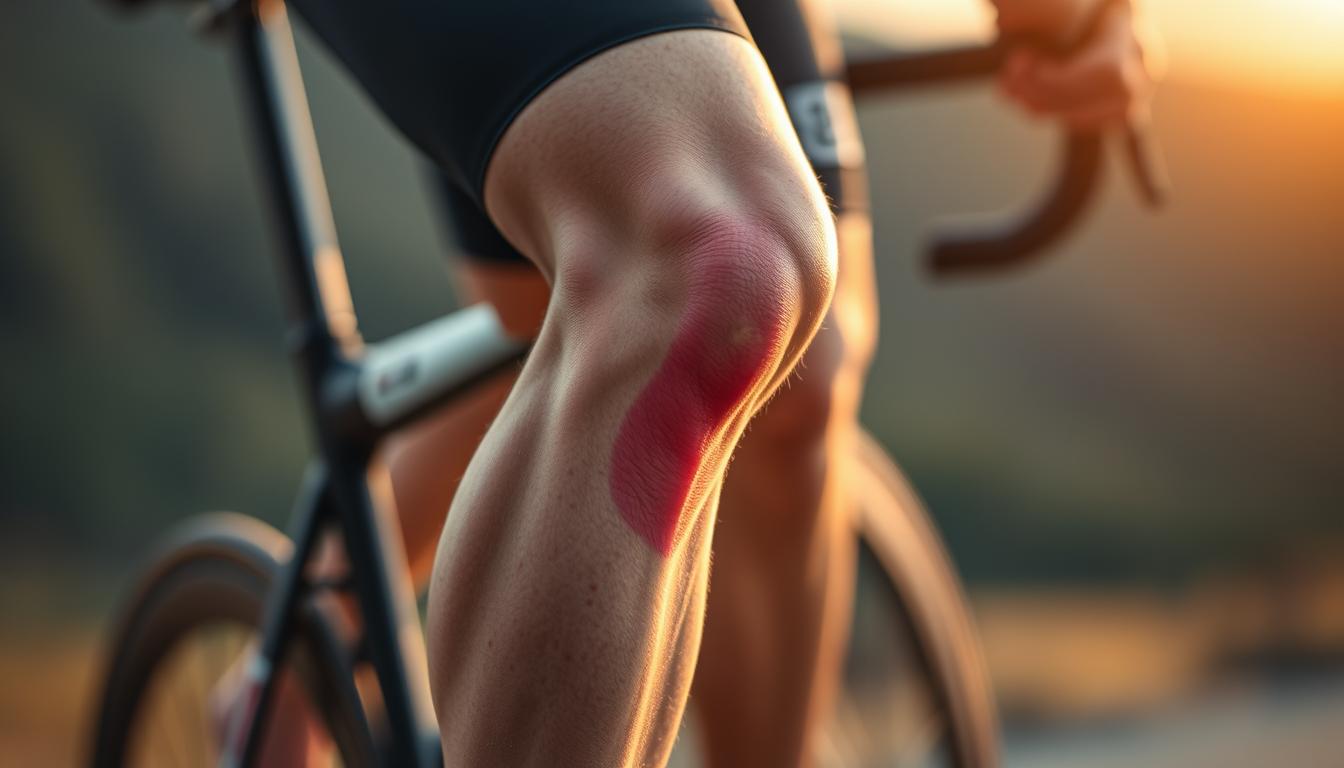
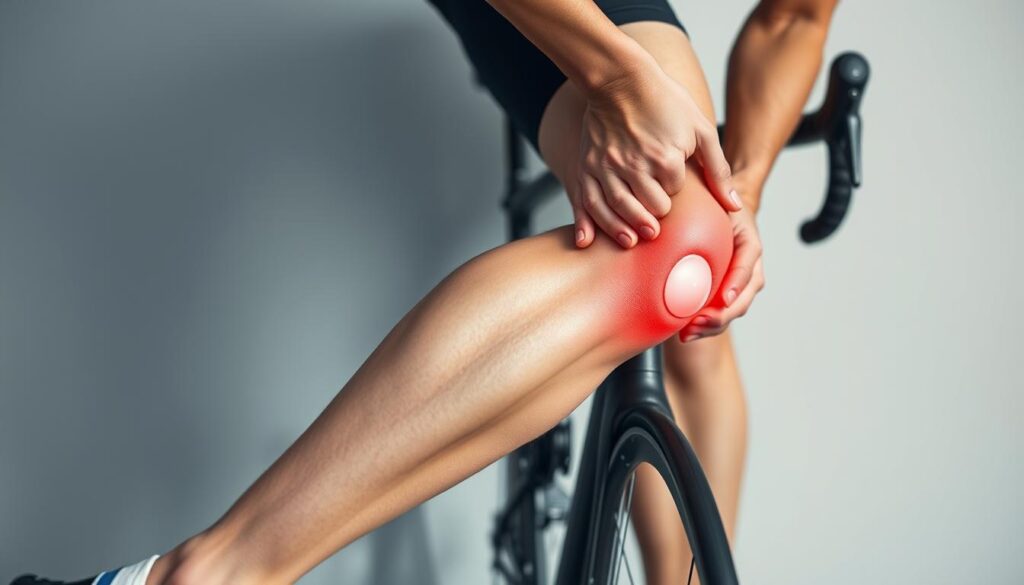
Are you tired of letting knee pain hold you back from enjoying your favorite cycling routes? You’re not alone. According to a 2018 study published in the Open Access Journal of Sports Medicine, up to 33 percent of riders have suffered from cycling-related knee pain.
The low-impact nature of cycling can be both beneficial and detrimental – you can cycle for a long time before tissues get irritated, meaning by the time you feel discomfort, the issue has probably been present for quite a while.
We’ll explore comprehensive strategies to address and prevent knee pain that commonly affects cyclists of all experience levels. Understanding the relationship between cycling form, equipment setup, and knee health is essential for maintaining long-term comfort on the bike.
Key Takeaways
Common causes of cycling knee pain, including improper bike fit and muscle imbalances.
Specific adjustments and exercises to alleviate existing knee pain.
Techniques to prevent future occurrences of knee discomfort.
Understanding when to seek professional medical advice for persistent issues.
The importance of proper cycling form and equipment setup for knee health.
Understanding Cycling Knee Pain
For many cyclists, knee pain becomes a persistent issue that interferes with their enjoyment of the sport. We need to understand the underlying causes to address it effectively.
Why Cyclists Experience Knee Pain
Cycling knee pain often arises from the way power is generated and transferred through the knee joint. Power comes from the large muscles in our hips and thighs as we pedal. To transfer that power to the site of propulsion—our lower legs and feet—energy needs to be transferred through the knee. The knee doesn’t work in isolation; it’s always working in conjunction with the hip and ankle in a kinetic chain.
The Biomechanics of Cycling and Knee Stress
The biomechanics of cycling play a crucial role in understanding knee stress. As we pedal, the pedal stroke involves a complex interplay of forces and movements. We’ll analyze how forces are distributed through the knee during different phases of the pedal stroke and how improper mechanics can lead to pain.
The relationship between hip, knee, and ankle alignment during cycling is critical for preventing unnecessary stress on the knee joint.
Understanding how muscle activation patterns affect knee loading can help cyclists modify their technique to reduce pain.
Different pedaling styles and cadences affect the biomechanical stresses placed on the knee, involving quads and hamstrings.
Common Causes of Cycling Knee Pain
Knee pain while cycling can be debilitating, but recognizing its root causes can help in developing targeted strategies for alleviation. We will explore the primary factors contributing to cycling knee pain, enabling cyclists to address the issue effectively.
Improper Bike Fit
An improper bike fit is a significant contributor to knee pain among cyclists. When the bike is not adjusted to the rider’s body, it can lead to strain on the knee joint. Ensuring a proper bike fit can help alleviate this strain and reduce the risk of pain.
Training Errors and Overuse
Training errors and overuse are common causes of knee pain in cyclists. Increasing mileage or intensity too quickly can put excessive stress on the knee, leading to pain and discomfort. Gradual progression and adequate rest are crucial in preventing overuse injuries.
Muscle Imbalances and Weakness
Muscle imbalances and weakness, particularly in the leg muscles, can significantly impact knee health. Tight or weak quadriceps or hamstrings can affect knee alignment and tracking, leading to pain. Strengthening the core and leg muscles is essential for maintaining proper knee function.
Cause
Description
Impact on Knee
Improper Bike Fit
Bike not adjusted to rider’s body
Strain on knee joint
Training Errors and Overuse
Excessive stress from rapid increase in mileage or intensity
Pain and discomfort from overuse
Muscle Imbalances and Weakness
Weakness in leg muscles like quadriceps or hamstrings
Affects knee alignment and tracking
Identifying Different Types of Knee Pain
Cycling knee pain can manifest in different forms, and recognizing these differences is vital for treatment. Knee pain can occur in various locations around the knee, each indicating a different underlying issue.
Front Knee Pain: Patellofemoral Pain Syndrome
Front knee pain is often associated with Patellofemoral Pain Syndrome, characterized by pain around or behind the patella. This condition is typically caused by improper tracking of the patella within the femoral groove, often due to muscle imbalances or poor bike fit.
Back Knee Pain: Hamstring Overextension
Back knee pain can be attributed to hamstring overextension, where the hamstring muscles are stretched beyond their normal range. This overextension can lead to strain and pain at the back of the knee.
Outside Knee Pain: IT Band Syndrome
IT Band Syndrome is a common cause of outside knee pain among cyclists. The iliotibial band rubs against the lateral condyle of the femur, causing friction and pain, often due to improper bike fit or repetitive knee flexion and extension.
Inside Knee Pain: Foot Misplacement Issues
Inside knee pain feels like sharp pain on the inner side of the knee, often related to improper cleat positioning or foot misplacement. When cleats are placed too far toward the inside of the foot or externally rotated, it can cause the knee to collapse inward, putting stress on the medial structures.
Improper cleat positioning can force the knee into an unnatural alignment.
Understanding foot pronation and arch support is essential for addressing medial knee pain.
A too-wide stance on the bike may contribute to medial knee stress.
Bike Fit Adjustments for Knee Pain Relief
Optimizing your bike fit is essential for reducing knee stress and discomfort. A well-fitted bike ensures that your body is positioned in a way that minimizes strain on your knees.
The saddle height and position play a critical role in determining knee angle and stress during pedaling. A saddle that is too high or too low can lead to knee pain.
To adjust the saddle height, ensure that your leg is almost fully extended at the bottom of the pedal stroke. The saddle position should also be adjusted so that your knee is in line with the pedal spindle when the crank is in the 3 o’clock position.
Cleat Positioning and Foot Alignment
Proper cleat positioning and foot alignment are vital for maintaining correct knee alignment during cycling. Incorrect cleat positioning can lead to knee pain and discomfort.
Ensure that the cleats are positioned so that the ball of your foot is directly over the pedal spindle. Adjusting the cleat position can help to reduce knee stress and alleviate pain.
Handlebar and Reach Adjustments
While handlebar position might seem unrelated to knee pain, your upper body position affects your overall biomechanics on the bike. If your reach is too long, you may be overextending and placing additional stress on your knees.
Conversely, if your handlebars are too close, you may be too upright, which can also alter knee angles during pedaling. Adjusting the handlebar height and reach can help to accommodate flexibility limitations and reduce knee stress.
Essential Stretches for Cyclists with Knee Pain
To alleviate knee pain, cyclists should incorporate a comprehensive stretching routine that targets key muscle groups.
Quadriceps Stretches
Tight quadriceps can contribute to knee pain. We recommend standing quadriceps stretches, where you stand with one hand against a wall for balance and lift one leg behind you, keeping your knee straight.
Hamstring Stretches
Hamstring flexibility is crucial for maintaining proper knee alignment during cycling. Try seated hamstring stretches, where you sit on the floor with your legs straight out and lean forward.
IT Band and Hip Flexor Stretches
The IT band and hip flexors play significant roles in knee stability. Use a foam roller to roll out the IT band, and perform hip flexor stretches by kneeling on one knee with the other foot in front.
Calf and Ankle Mobility Exercises
Calf tightness can affect ankle mobility, altering knee positioning. Basic calf stretches include the wall stretch and step stretch. Ankle mobility exercises include ankle circles and point-and-flex movements.
Stretch
Target Area
Benefit
Quadriceps Stretch
Front of thigh
Reduces knee pain
Hamstring Stretch
Back of thigh
Improves knee alignment
IT Band Stretch
Outside of thigh
Enhances knee stability
Calf Stretch
Lower leg
Improves ankle mobility
Knee Pain Relief for Cyclists: Strengthening Exercises
Effective knee pain relief for cyclists involves not just stretching but also strengthening the key muscle groups used in cycling. Strengthening exercises can help alleviate knee pain by improving the stability and strength of the muscles around the knee.
Core Strengthening Exercises
Core strength is essential for maintaining proper cycling posture and reducing strain on the knees. Exercises like planks and Russian twists can help improve core stability, which in turn can help reduce knee pain.
Glute Activation and Strengthening
The glutes play a significant role in the cycling motion. Strengthening them through exercises like squats and lunges can help improve cycling efficiency and reduce the risk of knee pain. For more information on stretches that can complement these strengthening exercises, visit our guide on knee pain relief.
Quad and Hamstring Balancing Exercises
Balancing the strength between the quadriceps and hamstrings is crucial for knee health. Exercises such as leg press and deadlifts can help achieve this balance, thereby reducing the risk of knee pain.
Single-Leg Stability Work
Single-leg exercises like step-ups and single-leg squats are particularly relevant for cyclists as they mimic the single-leg motion of cycling. These exercises help identify and correct strength imbalances between legs, improving overall stability and reducing pain.
Exercise
Repetitions
Sets
Single-Leg Squats
10-12
3
Step-Ups
12-15
3
Leg Press
10-12
3
Modifying Your Cycling Technique
Adjusting your cycling technique can be a game-changer for knee pain relief. By making a few simple changes, cyclists can significantly reduce the stress on their knees and enjoy a more comfortable ride.
Optimal Cadence for Knee Health
Maintaining an optimal cadence is crucial for minimizing cycling knee stress. A cadence of 80-100 revolutions per minute is generally recommended, as it allows for a smooth, efficient pedaling motion that reduces the risk of knee injury.
Proper Pedaling Technique
Using a proper pedaling technique is essential for reducing knee strain. Cyclists should focus on applying gentle, consistent pressure throughout the pedal stroke, avoiding heavy reliance on the downstroke.
Position Variations During Long Rides
Varying your position during long rides can help distribute the load more evenly and reduce the risk of pain. Standing up on the pedals, sliding back in the saddle, and shifting around every 10 minutes or so can help refresh the system and keep pain from setting in, especially as terrain changes. This habit is essential for maintaining comfort over time.
Immediate Relief Strategies for Cycling Knee Pain
Cyclists experiencing knee pain need effective and immediate relief strategies to continue their passion without interruption. We will explore various methods to alleviate knee pain, enabling cyclists to return to their routine with minimal downtime.
Ice and Heat Therapy Applications
Applying ice or heat to the affected area can provide immediate relief. Ice therapy helps reduce inflammation, while heat therapy relaxes the muscles and improves blood flow. Alternating between the two can be an effective approach to managing knee pain.
Rest and Active Recovery Approaches
Balancing rest with active recovery is crucial. Complete rest can lead to stiffness, while gentle exercises like straightening and bending the knee can promote healing. We recommend incorporating low-impact activities to maintain mobility without exacerbating the pain.
Over-the-Counter Pain Management Options
Non-steroidal anti-inflammatory drugs (NSAIDs) like ibuprofen can help manage pain and reduce inflammation. However, they should be used judiciously and according to package directions. Topical pain relievers are another option, offering localized relief with fewer systemic effects.
Relief Strategy
Description
Benefits
Ice Therapy
Applying ice to reduce inflammation
Reduces swelling and pain
Heat Therapy
Applying heat to relax muscles
Relaxes muscles and improves blood flow
NSAIDs
Using medications like ibuprofen
Reduces pain and inflammation
As noted by experts,
“The key to effective pain management is finding the right balance between relief and addressing the underlying cause of the pain.”
It’s essential to use these relief strategies as temporary measures while working on long-term solutions to prevent knee pain.
Preventative Measures for Long-Term Knee Health
To maintain long-term knee health, cyclists must adopt a multifaceted approach that includes various preventative measures. By incorporating these strategies into their routine, cyclists can significantly reduce the risk of knee pain and associated issues.
Cross-Training Benefits
Cross-training is an effective way to reduce the repetitive stress on the knees associated with cycling. By engaging in activities such as swimming or running, cyclists can strengthen their muscles and improve cardiovascular fitness without exacerbating knee problems. Cross-training not only enhances overall fitness but also helps prevent overuse injuries.
Gradual Training Progression
A gradual progression in training intensity and volume is crucial for allowing the knees to adapt to the demands of cycling. Sudden increases in ride distance or intensity can lead to knee pain and injury. Cyclists should aim to increase their training load by no more than 10% each week to allow for safe adaptation.
Proper Warm-Up and Cool-Down Routines
Warming up before cycling and cooling down afterwards are essential for maintaining knee health. A proper warm-up increases blood flow to the muscles, raises tissue temperature, and improves joint lubrication, while cooling down helps reduce muscle soreness and stiffness.
Reduces muscle soreness, stiffness, and promotes recovery
By incorporating these preventative measures into their cycling routine, cyclists can enjoy long-term knee health and improved overall performance.
When to Seek Professional Help for Cycling Knee Pain
Cycling knee pain can be debilitating; recognizing the signs that indicate the need for professional evaluation is essential.
If your knee pain is greater than five out of ten and persists for more than 24 hours, it’s time to seek medical attention. A physical therapist can provide specific exercises to alleviate knee pain and review your bike setup to minimize future issues.
They can analyze your biking technique and suggest improvements, such as engaging your core muscles to enhance your pedal stroke efficiency. By seeking professional help, cyclists can address underlying issues before they become chronic problems.
FAQ
What are the most common causes of knee pain while cycling?
We find that improper bike fit, overuse, and muscle imbalances are among the top reasons cyclists experience knee pain. Ensuring our bike is properly fitted to our body and incorporating exercises to strengthen the muscles around the knee joint can help alleviate this issue.
How can I adjust my bike to reduce knee stress?
Adjusting the saddle height and position, cleat positioning, and foot alignment can significantly reduce stress on our knees. We recommend consulting a professional bike fitter to make these adjustments.
What exercises can help prevent knee pain while cycling?
Strengthening our core, glutes, and leg muscles through exercises like squats, lunges, and leg press can help stabilize the knee joint. Additionally, incorporating stretches for our quadriceps, hamstrings, and IT band can improve flexibility and reduce the risk of knee pain.
Can modifying my pedaling technique help alleviate knee pain?
Yes, adopting a proper pedaling technique, such as maintaining an optimal cadence and using the correct muscle groups, can help reduce stress on our knees. Focusing on a smooth, circular pedal stroke can also help.
When should I seek professional help for cycling knee pain?
If our knee pain persists or worsens despite trying various relief strategies, we should consult a healthcare professional or a physical therapist specializing in sports medicine. They can help diagnose the underlying cause and develop a personalized treatment plan.
Are there any quick relief strategies for cycling knee pain?
Applying ice or heat therapy, taking regular breaks to rest and stretch, and using over-the-counter pain management options can provide temporary relief. However, addressing the underlying cause is crucial for long-term relief.
As we continue to navigate the aftermath of the COVID-19 pandemic, a growing concern has emerged among patients and healthcare providers alike: Can COVID-19 trigger persistent knee pain? This question is particularly relevant for individuals who have experienced a seemingly successful recovery from the virus, only to be left with lingering musculoskeletal issues.
Recent observations suggest that some patients are experiencing knee pain as a post-COVID symptom, sparking interest in understanding the potential link between SARS-CoV-2 infection and long-term musculoskeletal manifestations.
We will explore the emerging phenomenon of knee pain following COVID recovery, examining the prevalence among long COVID sufferers and the implications for patients and healthcare providers.
Key Takeaways
Understanding the link between COVID-19 and knee pain
The prevalence of knee pain among long COVID sufferers
Potential causes of musculoskeletal issues post-COVID
Implications for patients and healthcare providers
Overview of the latest research on post-COVID musculoskeletal manifestations
Understanding the Link Between COVID-19 and Joint Pain
The phenomenon of joint pain post-COVID-19 recovery has sparked intense investigation into the virus’s impact on the musculoskeletal system. As research unfolds, it becomes increasingly clear that the relationship between COVID-19 and joint pain is complex and multifaceted. We are beginning to understand that the virus’s influence extends beyond the respiratory system, affecting various bodily systems, including the musculoskeletal system.
How COVID-19 Affects the Musculoskeletal System
COVID-19’s impact on the musculoskeletal system is a significant area of study. The virus enters human cells via the angiotensin-converting enzyme 2 (ACE2) receptor, which is expressed in skeletal muscle and synovial tissue cells. This interaction can lead to various musculoskeletal symptoms in post-COVID-19 patients.
Prevalence of Joint Pain in Post-COVID Patients
Studies have shown that the prevalence of arthralgia (joint pain) in patients after COVID-19 infection varies widely, ranging from 2% to 65% within a timeframe of 4 weeks to 12 months post-infection. This wide range is indicative of the diverse impact of COVID-19 on different populations.
Study
Prevalence of Arthralgia
Timeframe Post-Infection
Study A
2%
4 weeks
Study B
65%
12 months
As we continue to study the effects of COVID-19 on the musculoskeletal system, it becomes clear that joint pain is a significant concern for many patients recovering from the infection.
Knee Pain After COVID Recovery: A Common Symptom
Knee pain following COVID-19 recovery is more than just a minor complaint; it’s a symptom that warrants attention and understanding. As we delve into the specifics of post-COVID knee pain, it becomes clear that this issue affects a significant number of patients.
The knee joint, being a complex and weight-bearing part of our musculoskeletal system, is particularly susceptible to various forms of stress and inflammation. Understanding why knee pain emerges as a common symptom after COVID-19 recovery is crucial for both patients and healthcare providers.
Why the Knee Joints Are Particularly Vulnerable
The knee joints are especially vulnerable due to their anatomical and physiological characteristics. As weight-bearing joints, they endure constant mechanical stress, making them more prone to inflammation and pain.
Several factors contribute to the vulnerability of knee joints:
The complex structure of the knee, involving bones, ligaments, and tendons, provides multiple sites for potential inflammation.
Regular mechanical stress from daily activities can exacerbate any underlying inflammatory condition.
Previous injuries or conditions, such as osteoarthritis, can make the knee more susceptible to post-COVID pain.
Distinguishing Post-COVID Knee Pain from Other Conditions
Distinguishing post-COVID knee pain from other common knee conditions is essential for appropriate treatment. The characteristics of post-COVID knee pain can provide clues about its origin.
Condition
Typical Characteristics
Response to Rest and Activity
Post-COVID Knee Pain
Often bilateral, inflammatory in nature
May improve with rest, but can persist
Osteoarthritis
Degenerative, often unilateral
Worsens with activity, improves with rest
Meniscus Tears
Acute onset, mechanical symptoms like locking
Worsens with activity, especially twisting
By understanding these differences, patients and healthcare providers can better identify the cause of knee pain and develop an appropriate treatment plan.
The Science Behind Post-COVID Joint Inflammation
Understanding the science behind post-COVID joint inflammation is crucial for addressing the lingering effects of the virus on the musculoskeletal system. The immune system’s response to SARS-CoV-2 can sometimes lead to prolonged inflammatory states, affecting joints even after the virus has been cleared.
Inflammatory Responses and Cytokine Activity
Viral infections, including COVID-19, are known to trigger inflammatory responses in the body. Cytokines such as IL-1, IL-6, and TNF-alpha play a crucial role in this process, contributing to the development of joint pain and inflammation. The table below summarizes the key cytokines involved and their effects.
Cytokine
Role in Inflammation
IL-1
Promotes inflammation and joint damage
IL-6
Contributes to systemic inflammation and pain
TNF-alpha
Involved in systemic inflammation and joint destruction
The Role of ACE2 Receptors in Joint Tissues
The interaction between SARS-CoV-2 and ACE2 receptors in joint tissues is an area of ongoing research. It’s believed that this interaction may lead to direct viral damage or immune-mediated inflammation, contributing to the development of post-COVID joint pain.
By understanding the mechanisms behind post-COVID joint inflammation, we can better address the needs of patients experiencing persistent joint pain after COVID-19 recovery.
Reactive Arthritis Following COVID-19 Infection
Reactive arthritis, an autoimmune condition typically associated with bacterial infections, has also been observed in patients after COVID-19 infection. This development has sparked interest in understanding the link between viral infections like SARS-CoV-2 and autoimmune joint inflammation.
What Is Reactive Arthritis?
Reactive arthritis is characterized by joint inflammation that occurs as a reaction to an infection elsewhere in the body, often developing days to weeks after the initial infection. It’s an autoimmune response where the body’s immune system mistakenly attacks the joints, leading to pain, swelling, and stiffness. This condition is known to be triggered by certain bacterial infections, but recent evidence suggests that viral infections, including COVID-19, may also play a role.
How SARS-CoV-2 Triggers Reactive Arthritis
The exact mechanisms by which SARS-CoV-2 triggers reactive arthritis are still under investigation. However, researchers propose that molecular mimicry and altered immune regulation may be key factors. Molecular mimicry occurs when the immune system confuses the body’s own tissues with the virus due to similarities in their molecular structures. Altered immune regulation refers to the disruption of the body’s normal immune response, leading to an inappropriate attack on the joints.
Timeline and Development of Symptoms
Studies have shown that reactive arthritis can develop anywhere from 1 to 4 weeks after SARS-CoV-2 infection, with an average onset of approximately 22 days. This timeline suggests that patients recovering from COVID-19 should be aware of the potential for developing joint pain and inflammation in the weeks following their recovery.
By understanding reactive arthritis and its potential link to COVID-19, healthcare providers can better diagnose and manage this condition, offering relief to patients experiencing post-COVID joint pain.
Common Symptoms of Post-COVID Knee Pain
The aftermath of COVID-19 infection can lead to knee pain, characterized by a range of distinct symptoms. As we explore these symptoms, it becomes clear that post-COVID knee pain is not just about the pain itself, but a complex interplay of various physical manifestations and pain patterns.
Physical Manifestations
Post-COVID knee pain is often accompanied by several physical symptoms. These can include swelling, redness, warmth, and a reduced range of motion in the affected knee. Some individuals may also experience soft tissue sensitivity or redness around the knee area.
The physical symptoms associated with post-COVID knee pain can be summarized in the following table:
Symptom
Description
Swelling
Inflammation around the knee joint
Redness
Visible redness or discoloration
Warmth
Increased temperature around the knee
Reduced Range of Motion
Decreased mobility or stiffness
Pain Patterns and Progression
The pain associated with post-COVID knee pain can follow specific patterns. For instance, some individuals may experience morning stiffness or pain that worsens after periods of inactivity. The pain can also be accompanied by muscle weakness or pain in the surrounding muscles.
The progression of post-COVID knee pain varies among individuals. While some may experience improvement within weeks, others may develop more persistent joint pain lasting months. Understanding these patterns is crucial for managing the condition effectively.
Risk Factors for Developing Knee Pain After COVID
Understanding the risk factors for knee pain after COVID-19 is crucial for prevention and management. Several elements can contribute to an individual’s likelihood of experiencing knee pain post-recovery. We will explore these factors to better comprehend their implications.
Pre-existing Joint Conditions
Individuals with pre-existing joint conditions such as osteoarthritis or previous knee injuries are more susceptible to developing knee pain after COVID-19. These conditions compromise the joint’s integrity, making it more vulnerable to post-viral inflammation. A patient’s medical history plays a significant role in determining their risk profile.
Severity of COVID-19 Infection
The severity of the COVID-19 infection is another critical factor. Studies suggest that people who experienced more severe cases of COVID-19 are at a higher risk of developing subsequent joint problems, including knee pain. This correlation highlights the potential long-term effects of severe SARS-CoV-2 infection on the musculoskeletal system, observed in various cases.
Genetic Predispositions
Genetic factors, such as the presence of the HLA-B27 gene, can predispose certain individuals to post-viral joint inflammation. This gene is associated with various forms of inflammatory arthritis, suggesting a genetic component to the risk of developing knee pain after COVID-19.
Risk Factor
Description
Pre-existing Joint Conditions
Increases vulnerability to post-COVID knee pain
Severity of COVID-19 Infection
More severe cases correlate with higher risk
Genetic Predispositions
Genes like HLA-B27 may increase risk
Diagnosing Post-COVID Knee Pain
Healthcare providers use a multifaceted diagnostic strategy to identify the underlying causes of knee pain in patients who have recovered from COVID-19. This approach is crucial for developing an effective treatment plan.
Medical Evaluation and History
A thorough medical evaluation is essential for diagnosing post-COVID knee pain. This involves taking a detailed medical history, including the severity of the COVID-19 infection, the timeline of symptoms, and any pre-existing health conditions. Understanding the patient’s overall health status helps healthcare providers identify potential contributing factors.
Imaging and Laboratory Tests
imaging techniques such as X-rays, ultrasound, or MRI may be employed to assess joint structures and look for signs of inflammation. Laboratory tests, including inflammatory markers (ESR, CRP) and autoantibody tests, are also critical in determining the cause of knee pain in these patients.
Ruling Out Other Causes
Differential diagnosis is vital to rule out other potential causes of knee pain. Many study findings emphasize that accurate diagnosis is crucial for proper treatment of this condition. By considering alternative explanations for the patient’s symptoms, healthcare providers can develop a more targeted treatment plan.
Treatment Options for Post-COVID Knee Pain
The treatment of knee pain following COVID-19 recovery involves a range of strategies. Effective management of post-COVID knee pain requires a comprehensive approach that may include medication, physical therapy, and lifestyle adjustments.
Medications for Pain and Inflammation
For many patients, the first line of treatment for post-COVID knee pain involves medications aimed at reducing pain and inflammation. Nonsteroidal anti-inflammatory drugs (NSAIDs) are commonly recommended. Research has shown that NSAIDs such as ibuprofen and naproxen are effective in managing knee pain. In some cases, prescription NSAIDs like celecoxib or indomethacin may be prescribed for more severe pain.
Over-the-counter NSAIDs for initial pain management
Prescription NSAIDs for more severe cases
Potential use of corticosteroid injections for inflammation
Physical Therapy Approaches
Physical therapy plays a crucial role in the treatment of post-COVID knee pain. Specific exercises and techniques can help reduce inflammation, improve joint mobility, and strengthen the muscles supporting the knee. A physical therapist can tailor a program to the individual’s needs and abilities.
When to Consider Advanced Treatments
In cases where initial treatments do not provide adequate relief, more advanced treatments may be considered. This can include disease-modifying antirheumatic drugs (DMARDs) for persistent inflammation or corticosteroid injections to directly address joint inflammation. A healthcare provider can help determine the best course of action based on the individual’s condition and response to initial treatments.
The Brain’s Role in Post-COVID Pain Persistence
Emerging research suggests that the brain plays a significant role in the continuation of knee pain even after the initial COVID-19 infection has passed. Recent breakthroughs in understanding neuroplasticity, the brain’s ability to adapt and change, have provided insights into how COVID-19 may lead to persistent pain.
Neuroplasticity and Pain Pathways
Neuroplasticity allows our body to learn new skills, but it can also enable our immune system to perpetuate certain responses that may not be warranted after the infection has resolved. The brain develops a “pain memory” that can continue to produce pain sensations in the body even after the original inflammatory trigger has been resolved.
This concept is crucial in understanding how COVID-19 can lead to chronic pain conditions. The brain’s pain processing pathways can be altered, resulting in persistent pain.
Brain Retraining Techniques
Fortunately, neuroplasticity also allows for the possibility of “relearning” or “retraining” the brain. Techniques such as mindfulness practices, cognitive behavioral therapy, and specific pain reprocessing therapies can help reset pain pathways. By addressing the neurological component of post-COVID knee pain, patients who do not respond to conventional anti-inflammatory treatments may find relief.
These brain retraining techniques offer a promising approach to managing post-COVID knee pain by targeting the brain’s response and its effects on the body, helping to change the way pain is perceived and processed.
Self-Management Strategies for Recovery
The journey to recovery from post-COVID knee pain involves implementing practical self-management techniques that support both physical and mental well-being. As we explore these strategies, it’s essential to understand the importance of balance and tailored approaches in managing knee pain and associated fatigue.
Appropriate Rest and Movement Balance
One of the challenges in improving joint pain is finding the right balance between rest and movement. While it’s uncomfortable to move affected joints, deliberate motion is often necessary to mobilize the area and increase circulation, thereby speeding up recovery. Maintaining a level of non-draining physical activity is crucial. Practices such as yoga, tai chi, and aquatic exercises are beneficial as they provide movement without excessive joint stress.
Stress Reduction Techniques
Stress can exacerbate pain and inflammation. Techniques such as mindfulness meditation, deep breathing exercises, and progressive muscle relaxation can help manage pain by reducing the body’s inflammatory response. These practices not only alleviate stress but also contribute to overall well-being and support the recovery process.
Dietary Considerations for Inflammation
Diet plays a significant role in managing inflammation. Incorporating anti-inflammatory foods and supplements into one’s diet can support joint health and overall recovery from post-COVID fatigue and pain. A well-balanced diet is a critical component of a comprehensive recovery plan.
Self-Management Strategy
Benefits
Gentle Movement Practices
Improves circulation, reduces stiffness
Stress Reduction Techniques
Reduces inflammatory response, alleviates pain
Anti-Inflammatory Diet
Supports joint health, aids in recovery
By incorporating these self-management strategies into daily life, individuals can significantly enhance their recovery from post-COVID knee pain and associated fatigue, ultimately improving their overall health and well-being.
Long-term Outlook for Post-COVID Knee Pain
As research continues to emerge, we’re gaining a clearer picture of what to expect regarding post-COVID knee pain over time. The available evidence suggests that many cases of knee pain following COVID-19 infection resolve within a few months with appropriate treatment.
Recovery Timeline Expectations
Studies have shown promising results in terms of recovery time. For instance, one study found that symptoms resolved within a few days with treatment in all 54 participants. Most people treated with medications in various case studies seem to make a full recovery, indicating a positive long-term outlook for many patients.
The recovery timeline can vary based on several factors, including the severity of initial symptoms, the promptness and effectiveness of treatment, and individual health factors. Generally, evidence suggests that many cases resolve within weeks to months.
When to Be Concerned About Persistent Pain
While many individuals experience resolution of knee pain within a few months, some may develop persistent or chronic symptoms as part of long COVID. It’s essential to be aware of when knee pain might be a sign of a more chronic condition. If knee pain persists for more than 3-6 months, it may be indicative of an underlying chronic inflammatory condition, warranting further medical evaluation.
Understanding the relationship between post-COVID knee pain and other long COVID symptoms is also crucial. As research continues to unfold, we’re learning more about how these symptoms can evolve over time and what this means for overall recovery expectations.
Moving Forward: Life After Post-COVID Knee Pain
The journey to recovery from post-COVID knee pain involves understanding the condition, adopting appropriate care strategies, and making necessary lifestyle adjustments. As we move forward, it’s crucial to maintain joint health through regular exercise, good nutrition, and proper body mechanics to prevent the recurrence of pain.
For many, the experience of post-COVID arthritis or joint pain may necessitate certain lifestyle modifications. We will explore how to implement these changes in a positive, sustainable way, ensuring that they contribute to overall well-being and resilience against future challenges.
Addressing the psychological aspects of long COVID recovery is also vital. We will discuss strategies for coping with uncertainty and maintaining a positive outlook, which are crucial for navigating the aftermath of COVID-19.
Finally, we will touch on the ongoing research into post-COVID conditions and how patients can stay informed about new developments in care approaches and treatment options for long-term COVID effects, supporting their continued journey towards full recovery.
FAQ
What is the link between COVID-19 and joint pain?
We know that COVID-19 can affect the musculoskeletal system, leading to joint pain and inflammation in some patients. The exact mechanisms are still being studied, but it’s believed that the virus triggers an immune response that can cause inflammation in the joints.
Why are knee joints particularly vulnerable to post-COVID pain?
Our knee joints bear a significant amount of our body weight and are subject to various stresses, making them more susceptible to pain and inflammation, especially in the context of a systemic condition like COVID-19.
How long does post-COVID knee pain typically last?
The duration of post-COVID knee pain can vary significantly from person to person. In some cases, it may resolve on its own within a few weeks, while in others, it can persist for months, requiring ongoing management and treatment.
Can pre-existing joint conditions increase the risk of developing post-COVID knee pain?
Yes, we have found that individuals with pre-existing joint conditions, such as arthritis, may be more likely to experience knee pain after COVID-19 infection due to their compromised joint health.
What are the common symptoms of post-COVID knee pain?
Patients often report pain, stiffness, and swelling in the knee joint, which can be accompanied by reduced mobility and, in some cases, warmth or redness around the affected area.
How is post-COVID knee pain diagnosed?
Diagnosing post-COVID knee pain involves a comprehensive medical evaluation, including a detailed history of the patient’s COVID-19 infection and any subsequent symptoms, as well as imaging and laboratory tests to rule out other causes of knee pain.
What treatment options are available for post-COVID knee pain?
Treatment may include medications to manage pain and inflammation, physical therapy to improve joint mobility and strength, and in some cases, more advanced treatments such as corticosteroid injections or surgery.
Can lifestyle changes help manage post-COVID knee pain?
Yes, maintaining a healthy weight, engaging in appropriate exercise, using stress reduction techniques, and making dietary changes to reduce inflammation can all be beneficial in managing post-COVID knee pain.
Are you tired of sacrificing intense workouts for the sake of your knee health? We often face a dilemma: push through the pain or give up on our fitness goals altogether.
We understand that traditional HIIT workouts can be tough on the knees, but what if you could enjoy the benefits of high-intensity training without the strain? Low-impact modifications can make all the difference, allowing you to boost your cardio and burn calories without exacerbating knee issues.
Our comprehensive guide explores how to adapt HIIT for knee health, providing you with effective, low-impact exercises and tips for a sustainable routine.
Key Takeaways
Discover how to modify HIIT workouts for knee health
Learn effective low-impact exercises for cardio improvement
Understand the benefits of knee-friendly HIIT workouts
Find tips for building a sustainable exercise routine
Explore workout suggestions that accommodate joint issues or previous injuries
Why Low-Impact HIIT Benefits Your Knees
Low-impact HIIT workouts offer a revolutionary approach to fitness that prioritizes knee health without sacrificing intensity. We understand that high-impact exercises can be detrimental to knee health, especially for individuals with pre-existing knee issues.
The Science Behind Knee-Safe Exercise
Low-impact HIIT reduces the stress on knee joints by avoiding high-impact movements like jumping and heavy landing. This is achieved through modified exercises that maintain cardiovascular intensity without the harsh impact. Studies have shown that low-impact exercises can be just as effective as high-impact ones for improving cardiovascular health and strengthening muscles.
Exercise Type
Impact on Knees
Cardiovascular Benefit
High-Impact HIIT
High Stress
High Benefit
Low-Impact HIIT
Low Stress
High Benefit
Who Should Choose Modified HIIT Workouts
Individuals who would benefit most from knee-friendly HIIT include those with previous knee injuries, osteoarthritis, or other joint conditions. Aging athletes can transition to these workouts to extend their fitness journey while protecting long-term joint health. Beginners can use these modified routines as an entry point to HIIT training.
26 Knee-friendly HIIT Workouts You Can Try Today
Get ready to try 26 innovative HIIT workouts designed to minimize knee stress while maximizing your workout efficiency. We have curated a selection of exercises that are not only effective for weight loss but also gentle on the knees.
Standing Cardio Moves Without Jumping
These exercises are perfect for getting your heart rate up without putting excessive strain on your knees. Examples include standing leg swings and high knees without jumping. Such moves can be done in a 20-30 minute full-body circuit, making them ideal for those with limited time.
Modified Strength Exercises for Knee Protection
We’ve modified traditional strength exercises to protect your knees while still targeting key muscle groups. For instance, you can do wall sits to engage your quadriceps and glute bridges to work your glutes without stressing your knee joint.
Full-Body HIIT Without Squats or Lunges
Our full-body HIIT workouts avoid squats and lunges, instead incorporating exercises like planks, push-ups, and burpees without the jump. These workouts are designed to be completed with minimal equipment, making them accessible for home workouts.
Workout Type
Duration
Equipment Needed
Standing Cardio
20-30 minutes
None
Modified Strength
20-30 minutes
Resistance bands
Full-Body HIIT
20-30 minutes
Minimal (e.g., yoga mat)
How to Modify Common HIIT Exercises
We can transform high-impact HIIT moves into low-impact versions that are easier on the knees. Modifying exercises is crucial for individuals who want to enjoy the benefits of HIIT without exacerbating knee issues. This involves understanding how to adjust the intensity and impact of various exercises.
Transforming High-Impact Moves to Low-Impact
To make HIIT more knee-friendly, we can substitute high-impact moves with low-impact alternatives. For example, instead of jumping jacks, we can do standing cardio moves that don’t involve jumping. Resistance bands can be used to create tension without impact, making them ideal for knee-friendly HIIT.
Replace jumping with stepping or marching in place.
Use adjustable step platforms at lower heights to reduce the range of motion.
Incorporate suspension trainers to offload body weight during certain movements.
Equipment That Supports Knee Health
The right equipment can make a significant difference in knee-friendly HIIT workouts. Cushioned mats can reduce the impact on joints during floor exercises. Supportive footwear is also essential for minimizing stress on the knees. Additionally, using appropriate weights for strength exercises within HIIT circuits is crucial for knee health.
Select weights that allow for proper form and don’t put excessive strain on the knees.
Consider using stability tools to enhance balance and reduce knee stress.
Building Your Sustainable HIIT Practice
As we conclude our exploration of knee-friendly HIIT workouts, it’s essential to focus on building a sustainable practice that prioritizes knee health. To achieve this, we recommend creating a progressive knee-friendly HIIT program that can be sustained for months and years without causing joint deterioration.
A well-structured weekly workout schedule that balances intensity with recovery is crucial for promoting both fitness gains and joint health over time. It’s also important to monitor your body’s response to these workouts, recognizing the difference between productive muscle fatigue and problematic joint pain.
To prevent plateaus while maintaining joint safety, incorporate variety into your knee-friendly HIIT routine by rotating between standing cardio, modified strength, and full-body workouts. Proper warm-up and cool-down protocols specifically designed for joint protection are also essential when performing HIIT workouts at home.
By focusing on increasing workout density and resistance rather than impact or joint stress, you can ensure a long-term progression that supports your overall fitness goals.
FAQ
What is a low-impact HIIT workout?
A low-impact HIIT workout is a modified version of High-Intensity Interval Training that reduces stress on our joints, particularly our knees, by avoiding high-impact exercises like jumping and squats.
Can I still lose weight with knee-friendly exercises?
Yes, we can achieve weight loss with knee-friendly exercises by incorporating modified strength training and cardio moves that are easy on our knees, such as standing cardio and full-body exercises using weights.
Are bodyweight exercises effective for a HIIT workout?
Absolutely, bodyweight exercises can be an effective way to do a HIIT workout at home without any equipment, and we can modify them to be knee-friendly by avoiding high-impact movements.
How can I protect my knees during a HIIT workout?
We can protect our knees during a HIIT workout by choosing low-impact exercises, using supportive equipment, and modifying high-impact moves to reduce stress on our knee joints.
Can I do HIIT workouts with knee problems?
Yes, we can still do HIIT workouts with knee problems by selecting knee-friendly exercises and modifying our routine to avoid exacerbating the issue, and it’s always best to consult with a healthcare professional first.
How long should a low-impact HIIT workout last?
A low-impact HIIT workout can be as short as a few minutes, typically ranging from 4 to 20 minutes, depending on our fitness level and goals, and can be done in short intervals with rest periods in between.
Are you experiencing knee instability or pain due to hyperextension? Knee hyperextension, also known as Genu recurvatum, can significantly impact daily activities. This condition occurs when the knee extends too far backward, often resulting in discomfort and reduced functionality.
Strengthening the muscles around the knee is crucial for managing this condition. Knee rehabilitation exercises can help alleviate symptoms and improve knee function. By focusing on preventing knee hyperextension, individuals can regain stability and reduce pain.
Key Takeaways
Understanding Genu recurvatum and its effects on the knee
The importance of strengthening exercises in managing the condition
Role of knee rehabilitation exercises in alleviating symptoms
Preventing knee hyperextension through targeted exercises
Improving knee function and stability
Understanding Genu Recurvatum: What You Need to Know
Knee hyperextension, or genu recurvatum, is a condition that necessitates a thorough comprehension of its causes, symptoms, and treatment options. Genu recurvatum is characterized by an excessive backward bending of the knee, often resulting in instability and potentially leading to further injuries if not properly addressed.
Definition of Genu Recurvatum
Genu recurvatum refers to a condition where the knee extends too far backward, beyond the normal range of motion. This hyperextension can put strain on the knee joint and surrounding muscles, potentially leading to discomfort and decreased functionality.
The condition can be caused by various factors, including muscle imbalances, ligament laxity, and structural abnormalities. Understanding the underlying causes is crucial for developing effective treatment plans.
Common Causes and Risk Factors
Several factors contribute to the development of genu recurvatum, including:
Muscle Imbalances: Weakness in the muscles around the knee, particularly the hamstrings, can lead to hyperextension.
Ligament Laxity: Loose ligaments can fail to provide adequate support to the knee joint, resulting in excessive extension.
Structural Abnormalities: Certain bone or joint deformities can predispose individuals to genu recurvatum.
Previous Injuries: Trauma or injuries to the knee can lead to hyperextension if not properly rehabilitated.
Symptoms and Diagnosis
Symptoms of genu recurvatum may include knee pain, instability, and a visible hyperextension of the knee during standing or walking. Diagnosis typically involves a physical examination by a healthcare professional, potentially supplemented by imaging tests to assess the extent of the condition.
Accurate diagnosis is critical for determining the appropriate treatment, which may include physical therapy, strengthening exercises, and in some cases, orthotics or bracing to support the knee.
The Importance of Strengthening Exercises
The importance of strengthening exercises for genu recurvatum cannot be overstated. Strengthening exercises are crucial for improving joint stability, preventing further injuries, and enhancing mobility and function in individuals with genu recurvatum. By targeting the muscles around the knee, these exercises help to provide additional support to the joint, reducing the risk of further strain or damage.
Benefits for Joint Stability
Strengthening the muscles around the knee, particularly through knee rehabilitation exercises, is vital for improving joint stability. When the muscles are strong, they can better support the knee joint, reducing the likelihood of hyperextension and other complications associated with genu recurvatum. Exercises that strengthen the quadriceps, hamstrings, and calf muscles are especially beneficial.
Prevention of Further Injuries
Engaging in genu recurvatum strengthening exercises can significantly reduce the risk of further injuries. By enhancing the strength and stability of the knee, individuals can better withstand stresses and strains, making it less likely for the condition to worsen or for new injuries to occur.
Enhanced Mobility and Function
Strengthening exercises also play a key role in improving mobility and function. As the muscles around the knee become stronger, individuals may find it easier to perform daily activities and maintain a more active lifestyle. This improvement in mobility and function can greatly enhance overall quality of life. Learning how to strengthen knee ligaments through appropriate exercises is a crucial step in this process.
Key Muscle Groups to Target
The effectiveness of genu recurvatum exercises largely depends on targeting the right muscle groups that contribute to knee function and stability. Strengthening these muscles can help improve knee alignment and reduce the risk of further injuries.
Several key muscle groups are crucial for addressing genu recurvatum. These include the quadriceps, hamstrings, calves, and core muscles, each playing a unique role in knee stability and overall lower limb function.
Quadriceps
The quadriceps muscles are essential for knee extension and stability. Strengthening the quadriceps through exercises like straight leg raises can help improve knee function and reduce the symptoms of genu recurvatum.
Hamstrings
The hamstrings are vital for knee flexion and controlling the knee joint during movements. Knee flexion exercises that target the hamstrings can help balance the strength around the knee, improving overall knee stability.
Calves
The calf muscles contribute to ankle stability and indirectly affect knee alignment. Strengthening the calves through calf raises can help improve lower limb alignment and reduce the strain on the knee.
Core Muscles
The core muscles play a significant role in overall lower limb stability, including the knee. A strong core can help maintain proper posture and alignment, reducing the risk of genu recurvatum and associated discomfort.
By targeting these key muscle groups, individuals with genu recurvatum can develop a comprehensive strengthening program that addresses the root causes of their condition, leading to improved knee stability and function.
For individuals dealing with genu recurvatum, incorporating specific strengthening exercises into their routine can significantly improve knee stability. Strengthening the muscles around the knee is crucial for managing genu recurvatum. The following exercises are recommended:
Straight Leg Raises
Straight leg raises are an effective exercise for strengthening the quadriceps without putting excessive strain on the knee joint. To perform a straight leg raise:
Lie on your back with one leg straight and the other bent.
Lift the straight leg to about 12 inches off the ground.
Hold for a few seconds, then lower it back down.
Regular practice of straight leg raises can enhance quadriceps strength, which is vital for knee stability.
Hamstring Curls
Hamstring curls target the hamstrings, which are essential for knee flexion and stability. To perform a hamstring curl:
Stand or sit with your legs hanging off the edge of a surface.
Curl your heels towards your buttocks, then return to the starting position.
Strengthening the hamstrings through curls can help balance the strength around the knee, reducing the risk of further injury.
Calf Raises
Calf raises strengthen the calf muscles, which play a role in ankle stability and, by extension, can affect knee alignment. To perform a calf raise:
Stand on the edge of a step or curb with your heels hanging off.
Raise up onto your tiptoes, then lower back down.
Calf raises are simple yet effective for improving lower leg strength.
Squats
Squats are a compound exercise that strengthens multiple muscle groups around the knee, including the quadriceps, hamstrings, and glutes. To perform a squat:
Stand with your feet shoulder-width apart.
Lower your body down into a squatting position, keeping your back straight.
An effective exercise routine is key to preventing knee hyperextension and improving overall knee health. When dealing with genu recurvatum, it’s crucial to structure your exercises in a way that promotes strengthening without causing further strain.
To achieve this, consider the following aspects of your exercise routine: frequency, duration, and progression of intensity. Each of these elements plays a vital role in ensuring that your exercises are both effective and safe.
Frequency of Exercise
For genu recurvatum strengthening exercises to be effective, consistency is key. It’s generally recommended to perform these exercises 3 to 4 times a week, allowing for adequate recovery time between sessions. This frequency helps in gradually strengthening the muscles around the knee without overexertion.
Duration of Each Session
The duration of each exercise session should be long enough to be effective but not so long as to cause fatigue. Typically, sessions can last between 20 to 30 minutes, focusing on knee flexion exercises and other relevant strengthening activities. It’s essential to start with manageable durations and gradually increase as your strength and endurance improve.
Progression of Intensity
Progressing the intensity of your exercises is crucial for continuous improvement. This can be achieved by increasing the number of repetitions, adding resistance, or modifying exercises to make them more challenging. For instance, you can start with bodyweight exercises and move to resistance band exercises or light weights as you get stronger. For more information on exercises that can help with knee pain relief, you can visit this resource.
By carefully planning your exercise routine and paying attention to frequency, duration, and progression, you can effectively strengthen your knees and reduce the risk of further injuries.
Tips for Safe Exercise Practices
Safe exercise practices are essential for individuals with genu recurvatum to ensure effective strengthening and prevent injuries. When engaging in knee rehabilitation exercises, it’s crucial to be mindful of your body’s limitations and take necessary precautions.
Warming Up Properly
Before starting any exercise routine, warming up properly is vital. This can include light cardio activities such as jogging in place or cycling, followed by dynamic stretches that target the knee and surrounding muscles. A proper warm-up increases blood flow to the muscles, reducing the risk of strains and improving overall performance.
Listening to Your Body
Listening to your body is another critical aspect of safe exercise practices. If you experience any pain or discomfort during exercises for back of the knee, stop immediately. It’s essential to differentiate between the normal discomfort associated with exercising and pain that could indicate an injury.
Cool Down and Stretching
After completing your exercise routine, cooling down and stretching are essential. This helps in gradually bringing your heart rate back to normal and improving flexibility. Focus on static stretches that target the quadriceps, hamstrings, and calf muscles, all of which are crucial for how to strengthen knee ligaments.
The following table summarizes key points for safe exercise practices:
Exercise Phase
Activity
Benefits
Warming Up
Light cardio and dynamic stretches
Increases blood flow, reduces injury risk
Exercise Routine
Knee rehabilitation exercises
Strengthens knee and surrounding muscles
Cool Down
Static stretches
Improves flexibility, reduces muscle soreness
Modifications for Different Fitness Levels
Adapting genu recurvatum strengthening exercises for different fitness levels is key to preventing injuries and promoting progress. Individuals with knee hyperextension need to tailor their workout routines to their specific needs, ensuring they can strengthen their knees safely and effectively.
Modifying exercises according to fitness levels allows individuals to progress at their own pace. This personalized approach is crucial for physical therapy for hyperextended knee cases, where the goal is to strengthen the surrounding muscles without exacerbating the condition.
Beginner Adaptations
For beginners, it’s essential to start with low-intensity exercises that focus on building strength and stability around the knee. Straight leg raises and wall squats are excellent starting points, as they are low-impact and can be modified further based on individual comfort levels.
Begin with bodyweight exercises to build initial strength.
Use resistance bands for added resistance without heavy weights.
Focus on slow, controlled movements to engage the correct muscles.
Intermediate Options
Once initial strength is built, intermediate exercises can be introduced to continue challenging the muscles around the knee. Squats and lunges are effective for strengthening the quadriceps, hamstrings, and glutes, all of which are crucial for knee stability.
Incorporate weights or resistance bands to increase the intensity.
Increase the depth of squats and lunges, ensuring proper form.
Add variations like single-leg squats to challenge balance and stability.
Advanced Exercises
For advanced individuals, the focus shifts to high-intensity exercises that further challenge knee stability and strength. Plyometric exercises and agility drills can be incorporated to enhance knee function and overall lower body strength.
Include plyometric squats and box jumps to improve power.
Use agility ladder drills to enhance speed and coordination.
Continue to increase the intensity of workouts, always maintaining proper form.
By modifying genu recurvatum strengthening exercises according to fitness levels, individuals can ensure a progressive and safe workout routine. This tailored approach is fundamental in managing knee hyperextension and enhancing overall knee health through physical therapy for hyperextended knee practices.
When to Consult a Professional
Understanding the limits of self-exercise and recognizing when to consult a professional is vital for safely managing genu recurvatum. While many genu recurvatum strengthening exercises can be performed at home, certain signs and symptoms may indicate the need for professional guidance to prevent further injury and ensure effective knee rehabilitation exercises.
Signs You Should Seek Help
If you experience persistent pain or discomfort that does not improve with exercise, it may be a sign that you need to consult a professional. Additionally, if you notice increased instability or knee hyperextension during activities, seeking help is advisable. Other signs include significant swelling, redness, or warmth around the knee joint.
It’s also important to seek professional advice if you’re unsure about the correct form or technique for genu recurvatum strengthening exercises, as improper form can lead to further injury.
Types of Professionals to Contact
For genu recurvatum, it’s beneficial to consult professionals who specialize in musculoskeletal health. This may include orthopedic specialists, physical therapists, or sports medicine physicians. These professionals can provide a thorough assessment and recommend knee rehabilitation exercises tailored to your specific needs.
A physical therapist, for instance, can help design a personalized exercise program focusing on preventing knee hyperextension and improving overall knee function.
Importance of Personalized Programs
A personalized exercise program is crucial for effectively managing genu recurvatum. Professionals can create a customized plan that addresses your specific condition, fitness level, and goals, ensuring that you’re performing the most effective genu recurvatum strengthening exercises.
By having a tailored program, you can improve your knee stability, reduce the risk of further injuries, and enhance your overall mobility and function. This personalized approach is key to achieving successful outcomes in knee rehabilitation exercises and preventing knee hyperextension.
Success Stories and Testimonials
The effectiveness of genu recurvatum strengthening exercises is best illustrated through the success stories of those who have benefited from them. Individuals who have incorporated these exercises into their daily routines have reported significant improvements in their condition.
Real Experiences from Individuals
Many people have shared their positive experiences with genu recurvatum strengthening exercises, highlighting the relief and improved mobility they’ve gained. For instance, one individual reported a significant reduction in knee pain after consistently performing knee flexion exercises.
Exercise
Benefit
Testimonial
Straight Leg Raises
Improved quadriceps strength
“I’ve seen a huge difference in my knee stability since starting straight leg raises.”
Hamstring Curls
Enhanced hamstring strength
“Hamstring curls have helped me regain balance and reduce knee pain.”
Calf Raises
Better ankle mobility and strength
“Calf raises have improved my overall lower leg strength and reduced strain on my knee.”
Impact on Daily Life
The impact of genu recurvatum strengthening exercises on daily life is profound. By improving knee stability and reducing pain, individuals can perform daily tasks with greater ease and confidence. Exercises for the back of the knee play a crucial role in this improvement.
Encouragement for New Practitioners
For those just starting out with genu recurvatum strengthening exercises, the success stories and testimonials serve as a powerful encouragement. Consistency and patience are key, as the benefits of these exercises are realized over time with regular practice.
Additional Resources
To manage genu recurvatum effectively, it’s essential to have access to a variety of resources that can provide guidance and support. The following resources can be invaluable in your journey to strengthen your knee and improve overall knee health through physical therapy for hyperextended knee and knee rehabilitation exercises.
Comprehensive Guides
Several books and guides offer in-depth information on knee health, including how to strengthen knee ligaments and manage genu recurvatum. These resources can provide detailed exercises and rehabilitation programs tailored to individual needs.
Support Networks
Online communities and forums can connect individuals with others who are experiencing similar challenges. These platforms offer a space to share experiences, ask questions, and gain support from people who understand the complexities of knee injuries and rehabilitation.
Visual Tutorials
Videos and tutorials can be particularly helpful for understanding the proper form and technique for knee rehabilitation exercises. These resources can be found on various health and fitness websites, providing visual guidance to complement written instructions.
FAQ
What is genu recurvatum and how does it affect the knee?
Genu recurvatum is a condition where the knee hyperextends, causing the leg to straighten too far backward. This can lead to instability, pain, and increased risk of injury. Strengthening exercises can help manage the condition.
What are the benefits of strengthening exercises for genu recurvatum?
Strengthening exercises can improve joint stability, prevent further injuries, and enhance mobility and function. They target key muscle groups such as the quadriceps, hamstrings, calves, and core muscles.
What exercises are recommended for genu recurvatum?
Recommended exercises include straight leg raises, hamstring curls, calf raises, and squats. These exercises help strengthen the muscles around the knee, improving stability and reducing the risk of hyperextension.
How often should I perform genu recurvatum strengthening exercises?
The frequency of exercise depends on individual fitness levels and goals. Generally, exercising two to three times a week is a good starting point, with the option to increase frequency as the body adapts.
How can I modify genu recurvatum strengthening exercises for different fitness levels?
Exercises can be modified by adjusting the intensity, duration, or type of exercise. Beginners can start with lower intensity versions, while advanced individuals can progress to more challenging exercises.
What are some tips for safe exercise practices with genu recurvatum?
It’s essential to warm up properly before exercising, listen to your body and stop if you experience pain, and cool down with stretching after each session to prevent injury and promote recovery.
When should I consult a professional for genu recurvatum?
If you experience persistent pain, significant instability, or if you’re unsure about the best exercises for your condition, it’s advisable to consult a healthcare professional or physical therapist for personalized guidance.
Can knee hyperextension be prevented through strengthening exercises?
Yes, strengthening the muscles around the knee through exercises like hamstring curls and squats can help prevent knee hyperextension by improving joint stability.
What role do physical therapy exercises play in managing genu recurvatum?
Physical therapy exercises are crucial in managing genu recurvatum as they help strengthen the knee ligaments, improve knee flexion, and enhance overall knee function, reducing the risk of further injury.
Are there any additional resources available for learning genu recurvatum strengthening exercises?
Yes, there are various resources available, including books, online communities, and video tutorials, that can provide guidance and support for individuals managing genu recurvatum through strengthening exercises.
As we explore the growing interest in natural remedies for knee inflammation, a pressing question arises: can turmeric and ginger truly offer relief?
Knee pain affects millions in the United States, prompting many to seek alternatives to conventional medications. Both turmeric and ginger have been used in traditional Asian medicine for their anti-inflammatory properties.
We’ll examine the potential of these natural remedies, focusing on their active compounds and therapeutic effects, to determine their effectiveness in alleviating knee pain.
Key Takeaways
Understanding the prevalence of knee pain and the shift towards natural remedies
Exploring the traditional use of turmeric and ginger in Asian medicine
Identifying the active compounds responsible for their anti-inflammatory effects
Comparing the effectiveness of turmeric and ginger for knee inflammation
Discussing dosage recommendations and safety considerations
Understanding Knee Inflammation and Its Impact
Knee inflammation is a widespread issue affecting millions of people worldwide, causing pain and discomfort that can significantly impact daily life. It is a complex condition with various underlying causes, making it essential to understand its impact on individuals and the healthcare system.
The knee joint is particularly susceptible to inflammation due to its weight-bearing nature and the stress it endures during daily activities. Age-related wear and tear is a significant factor, as the knee joint’s cartilage and ligaments deteriorate over time, leading to increased friction and inflammation.
Common Causes of Knee Inflammation
Knee inflammation can result from several factors, including osteoarthritis, rheumatoid arthritis, gout, bursitis, and injuries that lead to chronic inflammatory responses. These conditions cause pain, swelling, and stiffness, affecting mobility and quality of life.
Osteoarthritis: Wear and tear on the joint cartilage
Rheumatoid arthritis: An autoimmune disease causing joint inflammation
Gout: A condition characterized by sudden, severe attacks of pain and inflammation
Bursitis: Inflammation of the fluid-filled sacs (bursae) that cushion joints
Injuries: Trauma or repetitive strain leading to chronic inflammation
Prevalence of Knee Pain in the United States
According to the Centers for Disease Control and Prevention (CDC), almost 20% of Americans report some degree of knee pain. This statistic highlights the widespread nature of knee inflammation and its impact on public health.
Condition
Prevalence
Primary Symptoms
Osteoarthritis
Common among older adults
Pain, stiffness, limited mobility
Rheumatoid Arthritis
Affects approximately 1% of the global population
Joint pain, swelling, morning stiffness
Gout
Affects about 4% of adults in the United States
Sudden, severe pain and inflammation
Limitations of Conventional Treatments
Conventional treatments for knee inflammation, such as NSAIDs and corticosteroids, can provide relief but often come with significant side effects, including kidney damage and cardiovascular risks. This has led many patients to seek natural alternatives that may offer relief without the adverse effects associated with long-term pharmaceutical use.
As we explore the complexities of knee inflammation, it becomes clear that understanding its causes, prevalence, and treatment limitations is crucial for developing effective management strategies.
The Science Behind Inflammation and Joint Pain
The science behind inflammation reveals how it affects the knee joint and surrounding tissues. Inflammation is a complex biological response of the body’s immune system to harmful stimuli, such as pathogens, damaged cells, or irritants. It is a protective response involving immune cells, blood vessels, and molecular mediators.
How Inflammation Affects the Knee Joint
Inflammation in the knee joint can lead to significant pain and discomfort. When inflammation occurs, it can damage the cartilage, synovial fluid, and surrounding tissues, resulting in pain, swelling, and reduced mobility. The inflammatory process involves various pro-inflammatory cytokines and prostaglandins that contribute to the degradation of joint tissues.
Acute inflammation differs from chronic inflammation in its duration and impact on the knee joint. While acute inflammation is a short-term response to injury or infection, chronic inflammation persists over time, leading to long-term damage and conditions such as arthritis.
Inflammatory Markers and Their Significance
To measure inflammation levels, healthcare professionals use various inflammatory markers, including C-reactive protein (CRP), interleukin-6 (IL-6), and tumor necrosis factor-alpha (TNF-α). These markers are crucial in assessing the severity of inflammation and monitoring the effectiveness of treatments.
Understanding the role of these markers and the biological mechanisms behind inflammation can provide insights into how natural compounds, such as those found in turmeric and ginger, might help reduce inflammatory processes and alleviate joint pain.
Turmeric: Nature’s Anti-inflammatory Powerhouse
Turmeric, known scientifically as Curcuma longa, has been used for centuries in both cooking and traditional medicine, thanks to its active ingredient curcumin. This bright yellow spice, commonly found in curry dishes, has been a staple in South Asian cuisine and Ayurvedic medicine for its numerous health benefits.
Origin and Traditional Uses
Turmeric originates from the Curcuma longa plant, native to India and Southeast Asia. For centuries, it has been used not only as a culinary spice but also as a medicinal herb in traditional Ayurvedic and Chinese medicine to treat various inflammatory conditions. Its historical use spans a wide range of ailments, from wound healing to digestive issues.
Curcumin: The Active Compound
The primary bioactive compound in turmeric is curcumin, which constitutes about 3% of turmeric by weight. Despite its relatively low concentration, curcumin is responsible for most of turmeric’s therapeutic effects. Research has shown that curcumin possesses a wide range of beneficial properties, including anti-inflammatory, antioxidant, and anti-cancer effects. Curcumin’s anti-inflammatory properties are particularly noteworthy, as they have been shown to inhibit various inflammatory pathways.
How Turmeric Works Against Inflammation
Turmeric’s anti-inflammatory effects are primarily attributed to curcumin. Curcumin works by inhibiting key inflammatory markers, including NF-κB, COX-2, and various pro-inflammatory cytokines. By suppressing these pathways, curcumin can effectively reduce inflammation. This mechanism is crucial in understanding how turmeric can be beneficial for conditions like knee inflammation.
Inflammatory Marker
Curcumin’s Effect
Clinical Implication
NF-κB
Inhibits activation
Reduces inflammatory gene expression
COX-2
Suppresses enzyme activity
Decreases prostaglandin production
Pro-inflammatory cytokines
Downregulates production
Mitigates inflammatory response
Ginger: A Potent Anti-inflammatory Root
Ginger, known scientifically as Zingiber officinale, has a long-standing reputation in traditional medicine for its potent anti-inflammatory properties. Originating in Southeast Asia, ginger has been used for centuries in various cultures to treat a range of health issues, from digestive problems to pain relief.
History and Traditional Applications
Ginger has been a cornerstone in traditional medicine across Asia for thousands of years. Its use spans multiple cultures, where it has been valued not only for its culinary purposes but also for its medicinal properties. As a natural remedy, ginger has been applied to treat inflammatory conditions, among other health issues. “Ginger has been used in Ayurvedic medicine for centuries to reduce inflammation and alleviate pain,” highlighting its significance in traditional healing practices.
Active Compounds
The medicinal properties of ginger are primarily attributed to its phenolic compounds, including gingerol, shogaols, paradols, and zingerone. These bioactive compounds contribute to ginger’s therapeutic effects, including its anti-inflammatory and antioxidant properties. The presence of these compounds explains why ginger has been effective in traditional medicine for treating various health conditions.
Mechanism Against Inflammation
Ginger’s active compounds work through multiple pathways to inhibit inflammation. They affect prostaglandin synthesis, cytokine production, and oxidative stress, thereby providing relief from inflammation. By understanding how ginger’s compounds interact with inflammatory pathways, we can appreciate its potential in managing conditions like knee inflammation.
As we explore the anti-inflammatory effects of ginger, it becomes clear that its unique compounds offer a natural alternative for managing joint pain and inflammation. The historical use of ginger, combined with its scientifically understood mechanisms, positions it as a valuable option for those seeking relief from knee inflammation.
Turmeric vs. Ginger for Knee Inflammation: A Direct Comparison
For individuals suffering from knee inflammation, understanding the comparative benefits of turmeric and ginger is crucial for making informed decisions about their health. Both have been traditionally used to alleviate pain and inflammation, but their mechanisms and effectiveness can differ.
Differences in Anti-inflammatory Properties
Turmeric contains curcumin, a compound known for its potent anti-inflammatory properties. Curcumin inhibits various inflammatory pathways, including the COX-2 enzyme, which is responsible for inflammation and pain. On the other hand, ginger contains gingerols and shogaols, which have been shown to suppress inflammation by inhibiting the production of pro-inflammatory cytokines and enzymes.
While both herbs have anti-inflammatory effects, they target different pathways, suggesting a potential synergistic effect when used together. Research indicates that combining turmeric and ginger may enhance their anti-inflammatory properties, offering a more comprehensive approach to managing knee inflammation.
Effectiveness for Different Types of Knee Pain
The effectiveness of turmeric and ginger can vary depending on the type of knee pain. For osteoarthritis, turmeric has been shown to be particularly effective in reducing pain and improving function. Ginger, on the other hand, has been found to be beneficial for both osteoarthritis and rheumatoid arthritis, with its anti-inflammatory properties helping to alleviate pain and stiffness.
Turmeric is effective for osteoarthritis and general knee pain.
Ginger is beneficial for osteoarthritis, rheumatoid arthritis, and post-exercise inflammation.
Speed of Relief and Duration of Effects
The onset of action and duration of relief can differ between turmeric and ginger. Some studies suggest that ginger may provide quicker relief due to its rapid absorption, while turmeric‘s effects may be more sustained due to its ability to accumulate in the body over time. For those seeking immediate relief, ginger might be the preferred choice, whereas for long-term management, turmeric could be more beneficial.
Numerous studies have investigated the efficacy of turmeric in alleviating knee pain, providing substantial evidence for its potential as a natural remedy. The active compound in turmeric, curcumin, has been scrutinized for its anti-inflammatory properties and its ability to mitigate pain associated with knee osteoarthritis.
Comparative Studies with NSAIDs
A notable study published in the medical journal Trials compared the effectiveness of turmeric to that of diclofenac, a common anti-inflammatory drug. In this randomized trial, 139 patients with knee pain were given either a 500-milligram capsule of curcumin three times a day or a 50-mg diclofenac pill twice daily. The results showed that both groups experienced significant pain relief, with curcumin demonstrating similar efficacy to diclofenac but with better tolerance among patients with knee osteoarthritis (1). This finding is crucial as it suggests that turmeric could be a viable alternative to NSAIDs for managing knee pain.
“Curcumin has similar efficacy to diclofenac but demonstrated better tolerance among patients with knee OA.”
Research on Turmeric for Osteoarthritis
The growing body of evidence supporting turmeric’s effectiveness for osteoarthritis of the knee includes randomized controlled trials and systematic reviews. These studies have consistently shown that turmeric supplements can reduce pain and improve function in patients with knee osteoarthritis. A key aspect of this research is the identification of optimal dosages and formulations of turmeric that yield the most beneficial outcomes.
Study
Dosage
Outcome
Trials Journal
500mg curcumin, 3 times daily
Significant pain relief, better tolerance than diclofenac
Systematic Review
Varying dosages
Consistent reduction in osteoarthritis pain
Limitations of Current Research
Despite the promising findings, current research on turmeric for knee pain has several limitations. These include issues with small sample sizes, varying formulations of turmeric used in studies, bioavailability challenges, and the need for more long-term studies on turmeric’s effects on knee inflammation. Addressing these limitations will be crucial for fully understanding turmeric’s therapeutic potential.
Clinical Evidence: Ginger for Knee Pain
Research into ginger’s anti-inflammatory properties has yielded promising results for individuals suffering from knee pain. Ginger has been used for centuries in traditional medicine for its analgesic and anti-inflammatory effects.
Studies on Ginger’s Pain-Relieving Properties
Several studies have investigated ginger’s efficacy in reducing knee pain. One notable study involving 120 people with osteoarthritis found that taking 1 gram of ginger extract daily for 3 months significantly reduced inflammation and decreased levels of nitric oxide, a key molecule in the inflammatory process. Another study with 74 participants showed that consuming 2 grams of ginger for 11 days substantially reduced muscle pain caused by exercise.
These studies suggest that ginger possesses potent pain-relieving properties, potentially making it a valuable natural remedy for knee pain sufferers.
Research on Ginger for Arthritis and Joint Health
Ginger’s impact on arthritis and overall joint health has been a focus of various research studies. The active compounds in ginger have been shown to affect specific inflammatory markers and pain mediators relevant to knee inflammation. Some studies have highlighted ginger’s potential in managing different types of arthritis, though results can be mixed.
Gaps in Current Research
While existing research is promising, there are gaps in our understanding of ginger’s effects on knee pain. Larger, longer-term studies are needed to fully establish ginger’s efficacy and optimal dosage. Standardized preparations of ginger extracts would help in comparing results across different studies. Additionally, direct comparisons with conventional treatments could provide further insight into ginger’s potential as a therapeutic option.
By addressing these gaps, future research can more comprehensively elucidate ginger’s role in managing knee pain and inflammation.
Combining Turmeric and Ginger: Synergistic Effects
Emerging evidence indicates that the synergy between turmeric and ginger could offer a more potent solution for managing knee inflammation. This concept is based on the idea that the different active compounds in these two natural anti-inflammatories may complement each other’s mechanisms, potentially leading to enhanced anti-inflammatory effects.
Scientific Basis for Combined Use
Recent studies have explored the potential benefits of combining turmeric and ginger. The active compounds in turmeric, such as curcumin, and those in ginger, like gingerols, may target different aspects of the inflammation process. A recent study found that turmeric and ginger have a synergistic effect when it comes to fighting inflammation, meaning they work better together than alone. However, this study was conducted on animals and human cells in test tubes, so further research is needed to confirm these effects in humans.
Potential Benefits of Using Both Together
The potential benefits of using turmeric and ginger together include a more comprehensive approach to addressing knee inflammation. By targeting different inflammatory pathways simultaneously, their combined use may provide more effective relief than using either supplement alone. Some research suggests that the combined effect of turmeric and ginger may be greater than the sum of their individual effects, a concept known as synergy in herbal medicine. While more human clinical trials are needed to confirm these findings, the available evidence is promising.
We can expect that further studies will continue to elucidate the benefits and potential limitations of combining turmeric and ginger for knee inflammation. As research progresses, we may gain a better understanding of how to optimize their use for maximum benefit.
Optimal Dosage Recommendations
To harness the full potential of turmeric and ginger for knee health, understanding the right dosage is essential. Both supplements have shown promise in reducing knee inflammation, but their effectiveness is closely tied to the dose consumed.
Effective Turmeric and Curcumin Dosages
Research indicates that turmeric extract is most effective at doses ranging from 500 to 1,500 mg per day. The active compound curcumin is crucial for its anti-inflammatory effects, and its concentration in turmeric supplements can vary. Standard turmeric powder contains about 3% curcumin by weight, making extracts with higher curcumin concentrations often more effective.
Studies have shown benefits with curcumin doses as low as 500 mg daily, though the ideal dose can depend on the individual’s condition and the specific formulation of the supplement.
Recommended Ginger Dosages
For ginger, clinical research suggests that doses between 500 mg and 3 g per day can be beneficial for knee inflammation. Most studies indicate that around 1 g of ginger daily is effective for reducing inflammation and pain.
The duration of ginger supplementation can vary, but benefits have been observed with consistent use over periods of up to 12 weeks.
Considerations for Combined Use
When combining turmeric and ginger, it’s advisable to start with lower doses and gradually adjust based on individual response. A potential starting point could be 500 mg of turmeric extract (with a standardized curcumin content) and 500 mg of ginger daily.
It’s crucial to consult with healthcare providers before initiating any supplement regimen, especially for individuals with pre-existing health conditions or those taking medications.
Bioavailability Challenges and Solutions
One of the significant challenges in utilizing turmeric and ginger for knee inflammation is their bioavailability. Bioavailability refers to the extent to which the body can absorb and utilize the active compounds in these herbs. Both turmeric and ginger contain potent anti-inflammatory compounds, but their effectiveness can be limited by how well these compounds are absorbed.
Enhancing Turmeric Absorption with Black Pepper
Turmeric’s active compound, curcumin, is poorly absorbed in the digestive tract and rapidly metabolized. Black pepper contains piperine, which can significantly enhance curcumin absorption. Research has shown that piperine can increase the bioavailability of curcumin by up to 2,000%. To maximize the benefits of turmeric, look for supplements that combine curcumin with piperine. Additionally, consuming turmeric with fats or oils can improve its absorption.
Improving Ginger’s Effectiveness
While ginger’s active compounds are generally better absorbed than curcumin, their effectiveness can still be enhanced. Consuming ginger with meals or using it in cooking can aid in better absorption. Some studies suggest that certain formulations, such as ginger extracts, may offer improved bioavailability compared to raw ginger.
To further enhance the bioavailability of both turmeric and ginger, consider the following:
Using formulations that incorporate phospholipids or nanoparticles to improve absorption.
Consuming these herbs with healthy fats to enhance their solubility and absorption.
Choosing high-quality supplements that have been tested for bioavailability.
By understanding and addressing the bioavailability challenges of turmeric and ginger, individuals can maximize their therapeutic benefits for knee inflammation.
Supplement Forms vs. Dietary Incorporation
When considering turmeric and ginger for knee inflammation, one crucial decision is whether to consume them as supplements or incorporate them into your diet. Both forms have their advantages and potential drawbacks, which we’ll explore in detail.
Pros and Cons of Supplements
Supplements offer standardized dosing and higher concentrations of active compounds, making it easier to achieve therapeutic effects. However, they may come with additional ingredients and potential quality concerns. Some supplements may also interact with other medications or have side effects in certain individuals.
The benefits of supplements include controlled dosage and potentially faster relief from inflammation. Nonetheless, it’s crucial to choose high-quality supplements from reputable manufacturers to minimize risks.
Adding Turmeric and Ginger to Your Diet
Incorporating turmeric and ginger into your daily diet can be both delicious and beneficial. You can add turmeric to curries, soups, and smoothies, while ginger can be used in teas, stir-fries, and baked foods. This approach not only provides anti-inflammatory benefits but also contributes to overall health through whole-food synergy.
To enhance absorption, it’s recommended to consume turmeric with fats and oils or black pepper. Fresh ginger can be used to make ginger shots or added to various recipes.
Which Form Is More Effective for Knee Pain?
Form
Effectiveness for Knee Pain
Key Considerations
Supplements
Potentially faster relief due to higher doses
Quality control, potential interactions
Dietary Incorporation
Long-term benefits, whole-food synergy
Dosage variability, culinary creativity
The most effective form may depend on individual preferences and needs. Some people may benefit from combining both approaches: using supplements for acute flare-ups and incorporating turmeric and ginger into their diet for long-term benefits.
Potential Side Effects and Safety Concerns
While turmeric and ginger offer natural relief for knee inflammation, it’s crucial to be aware of their potential side effects. Both spices have been used for centuries, but their concentrated forms in supplements can have different effects than culinary use.
Turmeric-Related Side Effects
Turmeric is generally considered safe, but high doses can cause side effects. A study using doses ranging from 500 mg to 12,000 mg of curcumin daily reported adverse reactions including headache, diarrhea, and skin rash in some participants. Notably, most side effects occurred at doses above 4,000 mg. Turmeric’s high oxalate content is also a concern, as it may increase the risk of kidney stones in susceptible individuals.
Ginger-Related Side Effects
Ginger is typically well-tolerated, but high doses can cause mild side effects such as heartburn, gas, and stomach discomfort. These effects are generally more pronounced when ginger is consumed in large quantities or in supplement form.
Who Should Exercise Caution
Certain populations should be cautious when using turmeric and ginger supplements. These include pregnant women, individuals with gallbladder disease, those with bleeding disorders, and people scheduled for surgery. It’s advisable to start with lower doses and gradually increase to assess tolerance. Additionally, purchasing supplements from reputable manufacturers can help minimize the risk of contaminants.
Supplement
Common Side Effects
Precautions
Turmeric/Curcumin
Headache, diarrhea, skin rash
High oxalate content may increase kidney stone risk
Ginger
Heartburn, gas, stomach discomfort
High doses may exacerbate heartburn and stomach issues
Drug Interactions and Precautions
As we explore the benefits of turmeric and ginger for knee health, we must also consider their potential drug interactions. Both turmeric and ginger have active compounds that can affect various bodily processes, including blood clotting, blood sugar levels, and blood pressure. This means that individuals taking certain medications should exercise caution when using these supplements.
Interactions with Blood Thinners
Both turmeric and ginger have anticoagulant properties, which can potentiate the effects of blood-thinning medications like warfarin, aspirin, and clopidogrel. Combining these supplements with anticoagulant drugs may increase the risk of bleeding. Therefore, individuals on blood thinners should consult their healthcare provider before starting turmeric or ginger supplements.
Interactions with Diabetes Medications
Turmeric and ginger may also lower blood sugar levels, potentially enhancing the effects of diabetes medications. This combination could lead to hypoglycemia, a condition characterized by abnormally low blood sugar. Individuals with diabetes should monitor their blood sugar levels closely and discuss the use of these supplements with their healthcare provider to avoid any adverse effects.
Other Important Medication Interactions
In addition to blood thinners and diabetes medications, turmeric and ginger may interact with other drugs, including blood pressure medications and those metabolized by the liver’s cytochrome P450 enzyme system. It’s essential for individuals taking multiple medications or those with chronic health conditions to discuss the use of these supplements with their healthcare provider to ensure safe and effective management of their health.
Complementary Approaches for Knee Inflammation
While turmeric and ginger are effective against knee inflammation, a comprehensive approach including dietary changes and lifestyle modifications can offer enhanced relief. By incorporating evidence-based complementary strategies, individuals can potentially experience improved outcomes in managing knee inflammation.
Dietary Modifications for Reducing Inflammation
Diet plays a crucial role in managing inflammation. The Mediterranean diet, rich in anti-inflammatory foods, has been shown to provide significant knee pain relief in people with osteoarthritis (OA). This dietary approach is characterized by high consumption of fruits, vegetables, whole grains, and healthy fats, such as those found in olive oil and fatty fish. Incorporating anti-inflammatory foods like nuts, seeds, and fatty fish into one’s diet can help reduce systemic inflammation.
It’s equally important to limit or avoid pro-inflammatory foods that can exacerbate knee inflammation. These include processed foods, refined carbohydrates, and certain oils. By making informed dietary choices, individuals can create a supportive environment for reducing knee inflammation.
Food Category
Anti-inflammatory Foods
Pro-inflammatory Foods
Fats and Oils
Olive oil, fatty fish
Certain vegetable oils, processed foods
Fruits and Vegetables
Berries, leafy greens
Nightshade vegetables (for some individuals)
Grains
Whole grains
Refined carbohydrates
Lifestyle Changes to Support Joint Health
In addition to dietary modifications, certain lifestyle changes can support joint health and help manage knee inflammation. Regular, appropriate exercise is crucial for maintaining joint mobility and strengthening surrounding muscles. Weight management is also vital, as excess weight can put additional stress on knee joints.
Stress reduction techniques, such as meditation and yoga, can also play a role in managing inflammation. By adopting a holistic approach that includes these lifestyle modifications, individuals can potentially enhance the benefits of using turmeric and ginger for knee inflammation.
Making an Informed Choice for Your Knee Health
When it comes to managing knee inflammation, making an informed choice between natural remedies like turmeric and ginger is crucial for effective pain management. Both have anti-inflammatory properties, but their effectiveness can vary based on individual circumstances.
As we explore the options for managing knee inflammation, it’s essential to consider the underlying causes of the pain, the severity of the symptoms, and how these natural remedies interact with other health conditions or medications.
When to Choose Turmeric
Turmeric is particularly beneficial for chronic conditions such as osteoarthritis. Its active compound, curcumin, has potent anti-inflammatory effects that can help reduce pain and improve function over time. “Turmeric’s efficacy in managing chronic knee pain makes it an attractive option for those seeking a natural alternative to NSAIDs,” as noted by recent studies.
Turmeric is ideal for individuals looking for a long-term solution with minimal side effects. However, its absorption can be enhanced with black pepper or fatty foods.
When to Choose Ginger
Ginger is another powerful anti-inflammatory agent that can provide relief for knee pain. It’s particularly useful when rapid relief is needed, as it can be consumed in various forms, including tea, capsules, or added to meals. Ginger also offers digestive benefits, making it a good choice for those who experience gastrointestinal issues alongside knee pain.
Ginger’s anti-inflammatory properties are attributed to its active compounds like gingerol. It’s a versatile option that can be used alongside conventional treatments under medical supervision.
When to Consider Conventional Treatments
While turmeric and ginger can be effective for managing knee inflammation, there are situations where conventional medical treatments are necessary. Severe pain, significant loss of function, or inflammation due to underlying conditions that require medical attention necessitate a visit to a healthcare professional.
It’s crucial to consult with a healthcare provider to determine the best course of treatment based on individual health needs and the severity of symptoms.
The Future of Natural Anti-inflammatories for Knee Health
As we look to the future, the potential of natural anti-inflammatories for knee health is becoming increasingly evident. Emerging research is shedding new light on the effectiveness of turmeric, ginger, and other natural compounds for knee inflammation.
Ongoing studies and advancements in supplement formulation technology are expected to improve the bioavailability and effectiveness of these natural remedies. The integration of evidence-based natural treatment approaches alongside conventional methods is also gaining traction.
Future research will likely focus on personalized medicine, exploring how genetic factors influence individual responses to natural anti-inflammatories for conditions like arthritis. Continued rigorous studies will be crucial in fully understanding their potential.
FAQ
What is the most effective natural remedy for knee inflammation?
Both turmeric and ginger have shown promise in reducing knee inflammation, but the most effective choice may depend on individual circumstances and the underlying cause of the inflammation.
Can I take turmeric and ginger together for knee pain?
Yes, combining turmeric and ginger may have synergistic effects and enhance their anti-inflammatory properties, but it’s essential to consult with a healthcare professional to determine the best dosage and potential interactions.
How long does it take to see results from using turmeric or ginger for knee inflammation?
The speed of relief and duration of effects can vary depending on the individual, the severity of the inflammation, and the dosage used. Some people may experience relief within a few days, while others may need to use these natural remedies for several weeks to notice significant improvements.
Are there any potential side effects of using turmeric or ginger for knee inflammation?
While generally considered safe, turmeric and ginger can cause side effects such as stomach upset, nausea, and allergic reactions in some individuals. It’s crucial to be aware of these potential risks and consult with a healthcare professional if you experience any adverse effects.
Can I use turmeric or ginger in conjunction with conventional medications for knee pain?
It’s essential to consult with a healthcare professional before combining turmeric or ginger with conventional medications, as they may interact with certain drugs, such as blood thinners and diabetes medications.
What is the recommended dosage of turmeric or ginger for knee inflammation?
The optimal dosage of turmeric and ginger can vary depending on the individual and the specific condition being treated. It’s best to consult with a healthcare professional to determine the most effective and safe dosage for your specific needs.
Can dietary changes help reduce knee inflammation?
Yes, incorporating anti-inflammatory foods into your diet, such as fatty fish, fruits, and vegetables, and avoiding pro-inflammatory foods, can help reduce knee inflammation and support overall joint health.
Stand-up paddleboarding (SUP) has become a favorite among water sports enthusiasts, offering a great way to enjoy the outdoors while improving balance and core strength. As its popularity grows, so does the concern about potential injuries, particularly knee pain after paddling.
Despite its many health benefits, SUP can sometimes lead to knee discomfort, especially after long sessions or when proper technique is not followed. We will explore why knee issues occur during paddleboarding and provide guidance on identifying, preventing, and treating these problems.
With the right knowledge and precautions, paddleboarders can minimize the risk of knee pain and enjoy this activity to its fullest.
Key Takeaways
Understanding the causes of knee pain during SUP
Identifying different types of knee issues related to paddleboarding
Learning preventive measures to avoid knee discomfort
Discovering treatment options for knee pain
Enjoying paddleboarding with minimized risk of knee injuries
Understanding Paddleboarding and Its Impact on the Knees
Understanding the biomechanics of paddleboarding is crucial to grasping why it can lead to knee pain. Stand-up paddleboarding (SUP) is a water sport that involves standing on a large, stable board and using a paddle to propel through calm or rough waters. As this activity gains popularity, it’s essential to examine its effects on the body, particularly the knees.
The Biomechanics of Paddleboarding
Paddleboarding involves a unique combination of stance, balance, and paddling motion that creates distinct stresses on the body. The stance requires standing with feet parallel to each other, engaging the core and leg muscles to maintain balance. The paddling motion involves rotating the torso, which in turn, engages the entire kinetic chain, including the knees. The constant micro-adjustments needed to maintain balance on the board engage the knees, making them crucial for stability.
The paddling motion also involves bending and straightening of the knees to some extent, depending on the type of paddleboarding (flat water or waves). This repetitive motion can lead to strain on the knee joint and surrounding structures.
Why Knees Are Vulnerable During SUP
The knees are particularly vulnerable during SUP due to several factors. Firstly, the typical SUP stance places the knees in a slightly flexed position for extended periods, leading to strain over time. Secondly, the knees act as shock absorbers, especially when navigating choppy waters or waves, which can lead to increased stress on the knee joint. The combination of rotation, weight-bearing, and stabilization demands during paddleboarding makes the knees susceptible to both acute injuries and overuse problems.
Different paddleboarding environments, such as flat water versus waves, create varying levels of stress on the knee joints and surrounding structures. Understanding these factors is crucial for mitigating the risk of knee pain and injuries during SUP activities.
Common Causes of Knee Pain After Paddleboarding
Understanding the causes of knee pain after paddleboarding is crucial for enthusiasts to enjoy the sport without discomfort. Knee pain can arise from various factors related to the activity, including how one stands on the board, the technique used for paddling, and the risk of accidents.
Improper Stance and Technique
One of the primary causes of knee pain during paddleboarding is an improper stance and technique. Standing with feet too far apart or too close together can put unnecessary stress on the knee joint. Improper stance width and alignment can place excessive stress on the medial or lateral aspects of the knee joint. Moreover, paddling with a technique that relies heavily on the upper body without engaging the lower body can lead to compensatory strain on the knees.
Poor paddling technique can also lead to knee strain. When paddlers generate power primarily from their upper body without proper engagement of their lower body, it can result in overuse and strain on the knee. Ensuring a proper stance and paddling technique is essential to minimize the risk of knee pain.
Overuse and Repetitive Strain
Overuse and repetitive strain are common issues in paddleboarding, particularly among enthusiastic beginners or competitive paddlers. Repetitive paddling motions without adequate rest or variation can lead to overuse injuries affecting the knee’s supporting structures. Prolonged sessions can exceed the knee’s tolerance threshold, resulting in inflammation and pain.
Repetitive strain on the knee’s supporting structures can lead to overuse injuries.
Prolonged paddleboarding sessions increase the risk of knee inflammation.
Adequate rest and variation in paddling technique can help mitigate these risks.
Acute Injuries from Falls or Collisions
Acute injuries from falls or collisions with the paddleboard or other objects are another significant cause of knee pain. Twisting injuries when dismounting or maneuvering the board can damage knee ligaments. According to injury data, twisting off the board is a common mechanism for knee injuries, often resulting in ligament sprains.
Understanding these causes can help paddleboarders take preventive measures and manage knee pain effectively. By being aware of the risks associated with improper stance, overuse, and accidents, paddlers can enjoy their sport while minimizing the risk of knee pain.
Identifying Different Types of Knee Pain from SUP
Identifying the source of knee pain after paddleboarding is essential for targeted treatment and prevention. When engaging in SUP, various factors can contribute to knee discomfort, ranging from acute injuries to overuse syndromes.
Muscle and Tendon Injuries
Muscle and tendon injuries are prevalent in paddleboarding, accounting for 50.4% of all injuries. Strains to the quadriceps and hamstring muscles are common, presenting as aching pain that intensifies with specific movements. These injuries often result from overexertion or improper technique.
Ligament Sprains and Joint Issues
Ligament sprains, particularly to the medial collateral ligament (MCL) and lateral collateral ligament (LCL), can occur due to twisting motions on the board. These injuries manifest as sharp, localized pain and potential instability. Joint-related issues, such as patellofemoral pain syndrome, typically present as pain around or behind the kneecap during and after paddleboarding. If you’re experiencing persistent knee pain, it may be helpful to consult a specialist, such as those found through finding the best knee pain doctor near.
Inflammation and Overuse Syndromes
Inflammatory conditions like bursitis and tendinitis develop gradually, presenting as localized warmth, swelling, and pain that increases with continued activity. These overuse syndromes are often a result of repetitive strain without adequate recovery time. Understanding the difference between normal muscle fatigue and actual injury symptoms is crucial for preventing further damage.
By recognizing the specific characteristics of each type of knee pain, paddleboarders can take appropriate measures to address their injuries and prevent future occurrences.
Risk Factors That Increase Chances of Knee Pain
Several key factors contribute to the increased risk of knee pain among paddleboarders. Understanding these risk factors is essential for mitigating the likelihood of injuries and ensuring a safe paddleboarding experience.
Research has identified several risk factors that make certain paddleboarders more susceptible to knee pain and injuries. These factors can be broadly categorized into personal and activity-related factors.
Age and Physical Condition
Age plays a significant role in knee vulnerability, with older paddleboarders (particularly those over 46) experiencing significantly more injuries than their younger counterparts, with mean ages of 46.7 vs 41.6 years. Physical conditioning is also crucial, as deconditioned individuals face higher risks of knee strain during paddleboarding due to reduced fitness levels and potentially weaker muscles around the knee.
Experience Level and Paddling Duration
The experience level of paddleboarders correlates with injury rates, with competitive paddlers sustaining more injuries than recreational riders. This is largely due to the increased exposure time spent on the water, with competitive paddlers averaging 253 hours per year compared to 112 hours for recreational riders. While beginners may struggle with poor technique, the overall injury risk is higher among those who paddle more frequently.
Pre-existing Knee Problems
Paddleboarders with pre-existing knee conditions such as osteoarthritis, previous surgeries, or old injuries are at a higher risk of exacerbating these issues due to the demands of paddleboarding. It’s essential for individuals with such conditions to take extra precautions and possibly consult with a healthcare professional before engaging in SUP activities.
By understanding these risk factors, paddleboarders can take proactive steps to minimize their risk of knee pain and injuries, ensuring a safer and more enjoyable experience on the water.
Knee Pain After Paddleboarding: Prevention Strategies
To minimize the risk of knee pain while paddleboarding, it’s essential to adopt preventive measures. By focusing on proper technique, appropriate equipment, and thorough preparation, paddleboarders can significantly reduce their risk of injury.
Proper Paddleboarding Technique
One of the most effective ways to prevent knee pain is by maintaining proper paddleboarding technique. This includes standing with a stance that is shoulder-width apart, keeping the knees slightly bent, and distributing weight evenly on both feet. Efficient paddling techniques that engage the core and larger muscle groups can also reduce compensatory stress on the knees.
Efficient Paddling Techniques:
Keep your back straight and core engaged
Use your legs to help stabilize and power your strokes
Avoid twisting or jerking motions that can put unnecessary strain on your knees
Equipment Considerations
The right equipment can also play a crucial role in preventing knee pain. Choosing a board that is the right size for your body and paddling style can help reduce strain on your knees. Additionally, using a paddle of appropriate length and considering knee pads or supports if you have existing knee issues can be beneficial.
Equipment
Considerations
Board Size
Choose a size that matches your body and paddling style
Paddle Length
Ensure it’s appropriate for your height and paddling technique
Knee Supports
Consider using knee pads or supports if you have pre-existing knee issues
Pre-Paddling Warm-up Routines
Less than half of SUP users reported performing a warm-up before paddleboarding, which is a crucial step in preventing injuries. Engaging in dynamic stretches and mobility exercises can prepare the knees and supporting muscles for the demands of paddleboarding.
Recommended Warm-up Exercises:
Leg swings and lunges to loosen the hip and knee joints
Calf raises to strengthen the lower leg muscles
Knee bends and straightens to prepare the knee joint
By incorporating these prevention strategies into your paddleboarding routine, you can significantly reduce the risk of knee pain and enjoy your time on the water.
Effective Stretches and Exercises for Paddleboarders
To minimize the risk of knee pain and injuries, paddleboarders can benefit from a targeted exercise program. Such a program should focus on strengthening the muscles around the knee, improving flexibility, and enhancing overall stability on the board.
Knee Strengthening
Strengthening the muscles around the knee is crucial for paddleboarders. Exercises such as wall squats, step-ups, and leg extensions target the quadriceps, hamstrings, and stabilizing muscles around the knee. For example, wall squats can be performed by standing with your back against a wall and sliding down into a seated position, holding for 10-15 seconds and repeating 3 sets.
Exercise
Repetitions
Sets
Wall Squats
10-15 seconds
3
Step-Ups
10-12
3
Leg Extensions
12-15
3
Flexibility and Mobility
Flexibility exercises are also vital for maintaining optimal knee function. The iliotibial band stretch is particularly beneficial. To perform this stretch, cross one leg in front of the other and bend down to touch your toes. You can move your hands across the floor toward the front leg to feel more stretch on the outside of your thigh. Hold for 15-30 seconds and repeat 3 times on each leg.
https://www.youtube.com/watch?v=ryGVUdrucxs
Core Strengthening
Core strengthening exercises improve overall stability on the board, reducing the need for excessive knee stabilization. Incorporating exercises that target the core muscles can help paddleboarders maintain better balance and reduce the risk of knee injuries.
By incorporating these exercises into their routine 2-3 times a week, paddleboarders can build resilience against knee pain and injuries, enhancing their overall paddling experience.
Immediate Relief for Knee Pain After SUP Sessions
Immediate relief from knee pain after a SUP session is crucial for paddleboarders to avoid further discomfort. When knee pain strikes after paddling, it’s essential to address it promptly to prevent it from becoming a more significant issue.
R.I.C.E. Method Application
The R.I.C.E. method is a widely recognized approach for managing acute injuries, including knee pain from SUP. It involves Rest, Ice, Compression, and Elevation. Resting the affected knee is the first step, followed by applying ice to reduce inflammation. Compression helps to further reduce swelling, while elevation assists in minimizing blood flow to the area.
For optimal results, ice should be applied for 15-20 minutes at a time, with a 30-minute break in between applications. Compression can be achieved using an elastic bandage, but be cautious not to wrap it too tightly, which could cut off circulation.
Appropriate Pain Management
Over-the-counter pain management options can provide relief for knee pain after paddling. However, it’s crucial to follow the recommended dosage and be aware of any potential side effects. Nonsteroidal anti-inflammatory drugs (NSAIDs) are commonly used to reduce both pain and inflammation.
It’s essential to distinguish between pain that can be self-managed and symptoms that require professional medical attention. Severe pain, significant swelling, or instability in the knee are indicators that medical help is necessary.
Recovery Techniques
Effective recovery techniques include gentle movement to maintain knee mobility, hydration to flush out toxins, and nutrition strategies that support tissue healing. Gentle exercises can help prevent stiffness, while adequate hydration and a balanced diet rich in anti-inflammatory foods can aid in the recovery process.
Listening to your body and not pushing through significant knee pain is vital. Ignoring severe pain can transform a minor issue into a serious injury, potentially keeping you out of the water for an extended period.
Long-Term Management of Paddleboarding-Related Knee Issues
Long-term management of knee issues related to paddleboarding involves a combination of training modifications, cross-training options, and gradual return to paddling. Effective management requires understanding the causes of knee pain and implementing strategies to mitigate it.
One key aspect is modifying training routines to reduce stress on the knee joint. This can include altering stance width, reducing session duration, and refining paddling technique to minimize repetitive strain.
Training Modifications for Chronic Pain
For paddleboarders experiencing chronic knee pain, adjusting their training regimen is crucial. This may involve reducing the frequency or duration of paddling sessions, or modifying their stance to alleviate pressure on the knee joint. Technique refinements can also play a significant role in minimizing knee stress.
Adjust stance width to reduce knee strain
Reduce paddling session duration
Refine paddling technique
Cross-Training Options
Engaging in cross-training activities can help maintain overall fitness while giving knees time to recover. Low-impact exercises such as swimming and strength training are excellent alternatives that can complement paddleboarding without exacerbating knee issues.
Gradual Return to Paddleboarding
When returning to paddleboarding after a knee injury, it’s essential to follow a gradual progression based on pain levels and functional capacity. This may involve starting with short sessions on calm waters and gradually increasing duration and intensity.
By incorporating these strategies, paddleboarders can effectively manage knee issues and continue to enjoy their sport while minimizing the risk of further injury.
When to Seek Professional Medical Help
Understanding when knee pain after paddleboarding warrants a doctor’s visit is essential for preventing further injury. We recommend seeking medical help if you experience severe pain, significant swelling, or inability to bear weight on your knee. A medical professional will conduct a physical examination and may order imaging studies to diagnose the issue. Specialized care from sports medicine physicians or orthopedists may be beneficial for paddleboarding-related knee issues. Early intervention often leads to better outcomes and a faster return to paddleboarding activities.
FAQ
What are the most common injuries sustained while paddleboarding?
We often see muscle strains, ligament sprains, and joint issues due to overuse or improper technique. Our knees, shoulders, and backs are particularly vulnerable to these types of injuries.
How can I prevent knee pain while paddleboarding?
To minimize the risk of knee pain, we recommend maintaining a proper stance and using correct paddling technique. Engaging in pre-paddling warm-up routines and incorporating knee-strengthening exercises into your fitness regimen can also help.
What should I do if I experience knee pain after paddleboarding?
If you experience knee pain, we suggest applying the R.I.C.E. method (Rest, Ice, Compression, Elevation) to alleviate discomfort. You can also try appropriate pain management techniques and modify your training to avoid exacerbating the issue.
Can pre-existing knee problems increase the risk of injury while paddleboarding?
Yes, pre-existing knee issues can make you more susceptible to injury. We advise taking extra precautions, such as wearing supportive gear and being mindful of your body position on the board.
How can I strengthen my knees for paddleboarding?
We recommend incorporating exercises that target the muscles around your knees, such as leg squats and lunges. Strengthening your core can also help improve overall stability and reduce the risk of knee pain.
When should I seek medical attention for knee pain after paddleboarding?
If your knee pain persists or worsens over time, we recommend consulting a medical professional for proper evaluation and treatment. They can help determine the underlying cause of your pain and provide guidance on the best course of action.
Are you one of the many individuals suffering from knee swelling and wondering if your diet is to blame?
Many people, especially those with arthritis, have reported mixed results when adopting a gluten-free diet. While some have experienced significant relief, others have seen little to no improvement in their joint pain.
The relationship between gluten and inflammation is complex. Research suggests that for some individuals, gluten may trigger an inflammatory response, potentially exacerbating conditions like knee swelling.
We will explore the potential connection between gluten consumption and knee swelling, providing you with evidence-based insights to make informed decisions about your health.
Key Takeaways
Understanding the link between gluten and inflammation.
Assessing whether a gluten-free diet can help alleviate knee swelling.
Identifying the groups that may benefit from a gluten-free diet.
Practical steps to determine if gluten is contributing to your symptoms.
How to safely implement a gluten-free diet if necessary.
Understanding the Connection Between Gluten and Joint Inflammation
Gluten, a protein found in certain grains, has been identified as a potential trigger for inflammatory responses in some individuals. To comprehend this connection, we must first understand what gluten is and how it may affect the body.
What Is Gluten and Where Is It Found?
Gluten is a complex protein found in wheat, barley, and rye. It gives dough its elasticity and chewiness, making it a staple in many baked goods and processed foods. Gluten is not only present in obvious sources like bread and pasta but is also hidden in various processed and packaged products.
Understanding the sources of gluten is crucial for individuals who suspect that gluten may be contributing to their knee swelling. By identifying and potentially eliminating gluten from their diet, these individuals may be able to alleviate their symptoms.
How Gluten May Trigger Inflammatory Responses
The human leukocyte antigen (HLA) complex plays a significant role in how gluten triggers inflammation in people with celiac disease. HLA is a group of genes that helps the immune system distinguish between the body’s own proteins and those made by foreign invaders, such as bacteria and viruses. If the immune system mistakenly identifies gluten as a foreign invader, it triggers an inflammatory response.
There are many variations of HLA genes, which are involved in various immune-related diseases, including celiac disease, rheumatoid arthritis, psoriasis, psoriatic arthritis, and ankylosing spondylitis. This genetic predisposition can make some individuals more susceptible to the inflammatory effects of gluten.
The Difference Between Acute and Chronic Knee Swelling
Knee swelling can be categorized into two main types: acute and chronic. Understanding the difference between these two types is essential for determining the appropriate treatment approach.
Acute knee swelling typically occurs rapidly following injury, infection, or a sudden flare of an inflammatory condition, presenting with noticeable swelling, warmth, redness, and pain that develops over hours or days.
Chronic knee swelling persists for weeks or months, often fluctuating in severity but never completely resolving. It may be associated with ongoing inflammatory conditions that could potentially be influenced by dietary factors like gluten.
While acute swelling often responds well to conventional treatments like rest, ice, compression, and elevation (RICE), chronic swelling may require addressing underlying causes, which could include dietary triggers in some patients. The inflammatory mechanisms behind chronic knee swelling involve ongoing activation of immune responses that may be perpetuated by dietary antigens like gluten in susceptible individuals.
By understanding whether knee swelling is acute or chronic, individuals can better determine the appropriate treatment approaches and whether dietary modifications, such as gluten elimination, might be beneficial.
Celiac Disease vs. Non-Celiac Gluten Sensitivity
Celiac disease and non-celiac gluten sensitivity, though distinct conditions, share a common thread – the adverse reaction to gluten. While both conditions involve sensitivity to gluten, the immune system’s response and the resulting health implications differ significantly.
Research has shown a significant link between gluten-related disorders and various health conditions, including joint pain and inflammatory arthritis. For instance, studies have indicated that individuals with celiac disease are at a higher risk of developing rheumatoid arthritis or other autoimmune disorders. Conversely, people with rheumatoid arthritis are also at a greater risk for celiac disease.
Diagnosing Celiac Disease
Diagnosing celiac disease involves a combination of medical history, physical examination, and diagnostic tests. Blood tests are typically used to detect the presence of certain antibodies that are commonly seen in individuals with celiac disease. An intestinal biopsy may also be performed to assess damage to the small intestine.
Celiac disease is an autoimmune disorder that causes the immune system to react to gluten, leading to inflammation and damage in the small intestine. This damage can impair the body’s ability to absorb nutrients, leading to various health complications.
Identifying Non-Celiac Gluten Sensitivity
Non-celiac gluten sensitivity (NCGS) refers to a condition where individuals experience symptoms similar to celiac disease after consuming gluten, but without the same level of immune system activation or intestinal damage. The symptoms can include joint pain, swelling, and inflammation, among others.
Diagnosing NCGS can be challenging due to the lack of specific biomarkers. Healthcare providers often rely on patient reports of symptom improvement after adopting a gluten-free diet, followed by symptom recurrence upon gluten reintroduction.
The Overlap Between Gluten Sensitivity and Joint Pain
Many patients with gluten sensitivity report joint pain and swelling as prominent symptoms that improve when following a gluten-free diet. The inflammatory pathways triggered by gluten in sensitive individuals may contribute to joint inflammation through systemic immune activation and the production of pro-inflammatory cytokines.
Studies have found that individuals with autoimmune arthritis who also have gluten sensitivity may experience reduced joint symptoms when following a gluten-free diet. The connection between gluten sensitivity and joint pain appears to be strongest in individuals who carry specific HLA gene variants that predispose them to both gluten-related disorders and autoimmune joint conditions.
The Science Behind Gluten-free Diet for Knee Swelling
The scientific community continues to investigate how gluten might influence inflammatory responses in the body, particularly in relation to knee swelling. As we explore the science behind gluten-free diets for knee swelling, it’s essential to examine the current research and understand the potential mechanisms at play.
Current Research on Gluten and Joint Inflammation
Recent studies have yielded mixed results regarding the relationship between gluten and joint inflammation. A 2017 review published in Frontiers in Nutrition analyzed various clinical trials that investigated the impact of dietary changes on rheumatoid arthritis symptoms. The review found that while some patients showed improvement on gluten-free diets, these studies often involved multiple dietary changes, making it challenging to isolate the specific effects of gluten elimination.
Some key findings from the research include:
Medical studies on gluten and arthritis have produced conflicting results, with some suggesting potential benefits of gluten elimination and others finding no significant effect.
Research has identified potential mechanisms by which gluten could influence joint inflammation, including molecular mimicry, increased intestinal permeability, and activation of pro-inflammatory pathways.
Studies specifically examining the effects of gluten elimination on knee swelling are limited, with most research focusing on rheumatoid arthritis rather than osteoarthritis or other causes of knee inflammation.
The Role of HLA Genes in Gluten Sensitivity and Inflammation
Genetic factors, particularly the presence of certain HLA genes, play a crucial role in gluten sensitivity and inflammation. Individuals with specific HLA genotypes are more susceptible to developing celiac disease or non-celiac gluten sensitivity, which can potentially influence joint inflammation.
What Medical Studies Reveal About Gluten and Arthritis
While the evidence is not yet conclusive, medical studies suggest that a gluten-free diet may benefit some patients with joint inflammation, particularly those with concurrent celiac disease or non-celiac gluten sensitivity. However, there is insufficient evidence to recommend a gluten-free diet universally for all patients with arthritis or knee swelling.
As we continue to explore the relationship between gluten and joint health, it’s clear that more research is needed to fully understand the potential benefits and limitations of gluten-free diets for knee swelling.
Common Inflammatory Conditions That May Benefit From Gluten Elimination
Several inflammatory conditions have shown potential improvement when gluten is eliminated from the diet. Inflammatory joint diseases, in particular, have been the focus of numerous studies examining the effects of gluten-free diets.
Patients with certain inflammatory conditions have reported significant improvements when following a gluten-free diet. For instance, Kelly G. shared her experience on Facebook: “I’ve given up my handicap placard and my cane. My psoriasis has gone completely [away] as well. When I eat gluten, my pain comes back — as does my psoriasis.”
I’ve given up my handicap placard and my cane. My psoriasis has gone completely [away] as well. When I eat gluten, my pain comes back — as does my psoriasis.
Rheumatoid Arthritis and Gluten
Rheumatoid arthritis (RA) is a chronic autoimmune disorder that primarily affects the joints, causing inflammation and pain. Some studies suggest that gluten may play a role in triggering or exacerbating RA symptoms in certain individuals.
A gluten-free diet has been reported to improve symptoms in some RA patients, although the evidence is not yet conclusive. Further research is needed to fully understand the relationship between gluten and RA.
Psoriatic Arthritis and Gluten Sensitivity
Psoriatic arthritis is another inflammatory condition that may benefit from gluten elimination. This condition combines the swollen, scaly skin of psoriasis with joint pain and arthritis.
Some patients with psoriatic arthritis have reported improvements in their symptoms when following a gluten-free diet. While more research is needed, the potential link between gluten sensitivity and psoriatic arthritis is an area of growing interest.
Osteoarthritis and Dietary Modifications
Osteoarthritis, the most common form of arthritis, is traditionally viewed as a wear-and-tear condition. However, emerging research suggests that inflammatory processes may play a more significant role than previously thought.
Osteoarthritis patients may benefit from an anti-inflammatory diet that includes gluten elimination.
The potential benefits of gluten elimination for osteoarthritis may be related to reduced systemic inflammation or addressing concurrent non-celiac gluten sensitivity.
Studies have generally focused on overall anti-inflammatory diets rather than gluten specifically.
For patients with osteoarthritis and knee swelling, a comprehensive dietary approach addressing multiple inflammatory triggers may be more effective than focusing on a single dietary component.
By understanding the potential benefits of gluten elimination for various inflammatory conditions, patients and healthcare providers can make more informed decisions about dietary approaches to managing knee swelling and related inflammatory diseases.
Beyond Gluten: Other Potential Dietary Triggers for Knee Swelling
Dietary triggers for knee swelling extend beyond gluten, involving other potentially inflammatory foods. While a gluten-free diet can be beneficial for individuals with gluten sensitivity or celiac disease, other components in the diet may also contribute to inflammation and knee swelling.
FODMAPs and Their Role in Inflammation
Fermentable Oligo-, Di-, Mono-saccharides, and Polyols (FODMAPs) are types of carbohydrates that can be difficult for some people to digest. Research suggests that a diet low in FODMAPs may help reduce inflammation and alleviate symptoms in individuals with irritable bowel syndrome (IBS) and other gastrointestinal disorders. Some studies indicate that FODMAPs may also play a role in inflammation beyond the gut, potentially affecting joint health.
A low FODMAP diet involves limiting or avoiding certain foods such as wheat, dairy products, beans, and certain fruits and vegetables. By reducing FODMAP intake, individuals may experience a decrease in inflammatory responses, which could potentially benefit those with knee swelling.
Amylase-Trypsin Inhibitors (ATIs) in Wheat
Amylase-trypsin inhibitors (ATIs) are proteins found in wheat and other grains. Recent research has implicated ATIs in promoting inflammation, particularly in the context of gluten sensitivity and celiac disease. According to Dr. Konijeti, “Other components of grains, called amylase-trypsin inhibitors (ATIs), have also been implicated in promoting inflammation.”
ATIs can activate certain immune cells in the gut, leading to the release of pro-inflammatory cytokines. This inflammatory response may contribute to symptoms not only in the gastrointestinal tract but also systemically, potentially exacerbating knee swelling.
Refined Sugars and Inflammatory Responses
Refined sugars, particularly fructose and sucrose, have been linked to increased production of pro-inflammatory cytokines and advanced glycation end products (AGEs) that can contribute to joint inflammation. Consuming high amounts of refined sugar can lead to insulin resistance and elevated insulin levels, which may promote inflammation through multiple pathways.
Studies have shown that reducing refined sugar intake can lower inflammatory markers in the blood, potentially benefiting patients with inflammatory joint conditions. It’s essential to be mindful of substituting gluten-containing foods with highly processed, sugar-laden gluten-free alternatives, as this could potentially worsen inflammation.
Dietary Component
Potential Impact on Inflammation
Food Sources
FODMAPs
May cause gut inflammation and potentially systemic inflammation
Wheat, dairy, beans, certain fruits and vegetables
Amylase-Trypsin Inhibitors (ATIs)
Can activate immune cells and promote inflammation
Wheat and other grains
Refined Sugars
Linked to increased pro-inflammatory cytokines and AGEs
Sugary drinks, baked goods, processed snacks
Understanding the various dietary triggers for knee swelling can help individuals make informed choices about their diet. By considering factors beyond gluten, such as FODMAPs, ATIs, and refined sugars, individuals may be able to further reduce their inflammation and alleviate knee swelling.
How to Determine If Gluten Is Causing Your Knee Swelling
Determining whether gluten is the culprit behind your knee swelling requires a systematic approach. We will explore the steps involved in identifying gluten as a potential cause of knee swelling, including dietary changes and medical consultations.
Elimination Diet Protocol
An elimination diet is a crucial step in determining if gluten is causing your knee swelling. This involves removing gluten from your diet for a specified period, typically 2-6 weeks, and monitoring your symptoms. It’s essential to be tested for celiac disease before starting a gluten-free diet, as going gluten-free before testing can lead to false-negative results and complicate diagnosis.
During the elimination diet, it’s crucial to maintain a food diary to track any changes in symptoms. This will help you identify any potential correlations between gluten ingestion and knee swelling.
Tracking Symptoms and Inflammatory Markers
Tracking symptoms and inflammatory markers is vital during the elimination diet. You should monitor your knee swelling, pain levels, and any other symptoms that may be related to gluten ingestion. Inflammatory markers, such as C-reactive protein (CRP), can provide valuable insights into the level of inflammation in your body.
Symptom/Marker
Baseline
After 2 weeks
After 6 weeks
Knee Swelling
Severe
Moderate
Mild
Pain Level
8/10
5/10
3/10
CRP Levels
10 mg/L
6 mg/L
4 mg/L
When to Consult with Healthcare Professionals
Consulting with healthcare professionals is a critical step in determining if gluten is causing your knee swelling. A rheumatologist can help evaluate whether knee swelling is related to an inflammatory arthritis condition that might have connections to gluten sensitivity or requires conventional medical treatment.
Additionally, a registered dietitian with expertise in gluten-related disorders can provide guidance on implementing a nutritionally balanced gluten-free diet and help identify hidden sources of gluten.
If symptoms worsen or new symptoms develop during the elimination diet, immediate medical consultation is necessary to rule out complications or alternative diagnoses.
Starting a Gluten-free Diet for Knee Swelling
Embracing a gluten-free diet can be a crucial step in managing knee swelling for individuals sensitive to gluten. This dietary change requires a comprehensive understanding of gluten sources, alternatives, and label reading to ensure compliance and effectiveness.
Foods to Avoid on a Gluten-free Diet
The first step in adopting a gluten-free diet is to identify and eliminate foods containing gluten. Gluten is primarily found in wheat, barley, and rye, which are common ingredients in many food products.
Wheat-based products, including bread, pasta, cereals, and baked goods
Barley-based products, such as malt and certain soups
Rye-based products, including rye bread and some cereals
It’s also important to be aware of cross-contamination with gluten during food processing.
Gluten-free Alternatives for Common Foods
Fortunately, numerous gluten-free alternatives are available for common foods, making the transition to a gluten-free diet more manageable.
Food Category
Gluten-containing Foods
Gluten-free Alternatives
Bread and Baked Goods
Wheat bread, wheat pastries
Almond flour bread, rice-based baked goods
Pasta and Noodles
Wheat pasta
Rice noodles, quinoa pasta
Cereals
Wheat cereals
Rice cereals, corn cereals
Reading Labels and Hidden Sources of Gluten
Understanding food labeling regulations is crucial for maintaining a strict gluten-free diet. In many countries, “gluten-free” claims on packaging are regulated, requiring products to contain less than 20 parts per million of gluten.
However, it’s also important to be aware of hidden sources of gluten, including:
Ingredients like malt, brewer’s yeast, and hydrolyzed vegetable protein
Processed foods such as soy sauce, salad dressings, and processed meats
Cross-contamination warnings like “may contain traces of wheat”
As one registered dietitian noted, “Reading labels is not just about checking for gluten; it’s about understanding the entire ingredient list to make informed choices.”
“The key to successfully managing knee swelling through a gluten-free diet lies in being diligent about what you eat and being aware of the hidden sources of gluten.”
By being informed and vigilant, individuals can effectively manage their gluten intake and potentially alleviate knee swelling associated with gluten sensitivity.
Creating a Balanced Gluten-free Anti-inflammatory Meal Plan
Creating a balanced gluten-free diet that combats inflammation requires careful consideration of nutrient intake and food choices. As Dr. Konijeti notes, “As a result of going gluten-free, you may shift your diet to a healthier pattern by eating more fruits and vegetables, but many people don’t.” This highlights the importance of planning a gluten-free diet meticulously.
A gluten-free diet isn’t inherently healthy; it can include a wide range of processed foods that are not nutrient-dense. Therefore, it’s crucial to focus on whole foods, including fruits, vegetables, lean proteins, and whole grains that are naturally gluten-free.
Nutrient Considerations on a Gluten-free Diet
When adopting a gluten-free diet, it’s essential to be mindful of potential nutrient deficiencies. Gluten-free diets can sometimes be low in fiber, vitamins, and minerals if not properly planned. Ensuring a variety of foods is consumed can help mitigate these risks.
Key nutrients to focus on include:
Fiber-rich foods like fruits, vegetables, and gluten-free whole grains.
Iron-rich foods such as lean meats, fish, and fortified cereals.
Calcium and vitamin D from dairy, fortified plant-based milk, and leafy greens.
Sample Meal Plans for Reducing Inflammation
Designing meal plans that reduce inflammation involves incorporating foods known for their anti-inflammatory properties. These include fatty fish rich in omega-3 fatty acids, turmeric, ginger, and a variety of colorful fruits and vegetables.
A sample meal plan might include:
Breakfast: Overnight oats with almond milk, chia seeds, and berries.
Lunch: Grilled salmon with quinoa and roasted vegetables.
Dinner: Stir-fry with turmeric, ginger, and a variety of colorful vegetables, served with brown rice.
Supplements That May Support Joint Health
In addition to dietary changes, certain supplements may support joint health and reduce inflammation and pain. Patients should consult with healthcare providers before starting any supplement regimen.
Some beneficial supplements include:
Omega-3 fatty acid supplements, which have demonstrated anti-inflammatory effects.
Turmeric/curcumin supplements, known for their potential in reducing joint inflammation.
Glucosamine and chondroitin sulfate, which may support cartilage health.
Vitamin D supplements, particularly for individuals with deficiency.
As research continues to evolve, it’s clear that a comprehensive approach to managing knee swelling involves not just dietary changes but also potentially beneficial supplements and lifestyle adjustments. Always consult with healthcare professionals to tailor a plan that meets individual health needs and ensures the best possible outcomes.
Potential Challenges of a Gluten-free Diet
Navigating the world of gluten-free eating can be daunting, with obstacles ranging from nutritional deficiencies to social and financial strains. While adopting a gluten-free diet can be beneficial for managing conditions like celiac disease or non-celiac gluten sensitivity, it’s crucial to be aware of the potential challenges that come with this dietary choice.
Nutritional Deficiencies to Watch For
One of the primary concerns with a gluten-free diet is the risk of nutritional deficiencies. Many gluten-containing foods are rich in fiber, vitamins, and minerals. When these foods are removed from the diet without proper replacement, it can lead to deficiencies. For instance, gluten-free products often lack the fortified nutrients found in their gluten-containing counterparts.
Key nutrients to focus on include:
Fiber: Found in whole grains, fruits, and vegetables.
Iron: Abundant in red meats, beans, and fortified cereals.
Calcium: Rich in dairy products, leafy greens, and fortified plant-based milk.
B vitamins: Found in whole grains, lean meats, and a variety of vegetables.
Social and Lifestyle Adjustments
Following a gluten-free diet often requires significant social and lifestyle adjustments. Social gatherings, dining out, and traveling can become challenging due to the prevalence of gluten in many common foods. It’s essential to develop strategies for managing these situations, such as communicating dietary needs clearly and exploring gluten-free alternatives.
Planning ahead is key to navigating these challenges successfully. This might involve researching gluten-free friendly restaurants, packing gluten-free snacks for travel, and being prepared to ask questions about food preparation when eating out.
Financial Considerations of Gluten-free Eating
The financial impact of adopting a gluten-free diet can be substantial. Specialty gluten-free products are typically more expensive than their conventional counterparts, creating a significant financial burden for many individuals. The cost can be mitigated by focusing on naturally gluten-free whole foods rather than relying on processed substitutes.
Some strategies for managing the costs include:
Bulk purchasing of gluten-free staples like rice and quinoa.
Meal planning and home cooking to reduce reliance on expensive processed foods.
Focusing on seasonal produce to save on costs.
Combining Gluten-free Diet with Other Anti-inflammatory Approaches
A synergistic approach, merging a gluten-free diet with other anti-inflammatory strategies, can potentially enhance the benefits for individuals with knee swelling. By incorporating multiple dietary and lifestyle changes, individuals may experience a more significant reduction in inflammation and improvement in overall health.
The Mediterranean Diet and Joint Health
The Mediterranean diet, rich in fruits, vegetables, whole grains, and healthy fats, has been shown to have anti-inflammatory effects that can benefit joint health. While some whole grains contain gluten, many components of the Mediterranean diet are naturally gluten-free or can be adapted to be so. Incorporating Mediterranean diet principles into a gluten-free lifestyle may provide a comprehensive approach to managing inflammation.
A review study published in Frontiers in Nutrition in 2017 analyzed various clinical trials that looked at how dietary changes may affect rheumatoid arthritis symptoms. The ideal anti-inflammatory diet outlined in the study includes fruits, legumes, spices, herbs, oils, yogurt, and whole grains, suggesting that a balanced and varied diet can be beneficial for individuals with arthritis.
Plant-Based Eating for Reducing Inflammation
Plant-based eating is another approach that can complement a gluten-free diet in reducing inflammation. A diet rich in fruits, vegetables, and whole grains can provide essential nutrients and anti-inflammatory compounds. Plant-based diets tend to be high in antioxidants and fiber, which can help in managing inflammation and promoting overall health.
The Role of Omega-3 Fatty Acids
Omega-3 fatty acids, particularly EPA and DHA found in fatty fish, have potent anti-inflammatory properties that can help reduce joint inflammation and complement a gluten-free diet. These essential fatty acids work by inhibiting inflammatory cytokine production and promoting the synthesis of anti-inflammatory resolvins and protectins.
Fatty fish like salmon and sardines are rich in omega-3s and can be included in a gluten-free diet to enhance anti-inflammatory effects.
Plant sources of omega-3s, such as flaxseeds and chia seeds, offer an alternative for those who prefer or require a plant-based diet.
Maintaining an optimal ratio of omega-3 to omega-6 fatty acids is crucial for managing inflammation effectively.
By combining a gluten-free diet with other anti-inflammatory approaches like the Mediterranean diet, plant-based eating, and omega-3 rich foods, individuals can potentially maximize their benefits and improve their overall health and well-being.
Exercise and Physical Therapy Alongside Dietary Changes
A comprehensive approach to reducing knee swelling involves not only dietary changes but also tailored exercise and physical therapy regimens. When managing knee swelling, it’s crucial to understand how different types of exercises and physical activities can impact inflammation and pain. Exercise plays a significant role in maintaining joint mobility and muscle strength, which are essential for overall health.
Low-Impact Exercises for Knee Health
Low-impact exercises are particularly beneficial for individuals with knee swelling as they minimize stress on the knee joint. Activities such as swimming, cycling, and using an elliptical machine are excellent options. These exercises help improve cardiovascular health without exacerbating pain or inflammation. We recommend starting with low-intensity exercises and gradually increasing the intensity based on symptoms and overall tolerance.
For instance, a study on patients with knee osteoarthritis found that regular participation in low-impact exercises significantly reduced pain and improved functional ability. This highlights the importance of incorporating such exercises into a comprehensive treatment plan.
Strengthening Muscles Around the Knee
Strengthening the muscles around the knee, particularly the quadriceps and hamstrings, is vital for providing support to the knee joint and reducing inflammation. Exercises such as squats, lunges, and leg press are effective, but they should be modified or avoided during acute flares. We advise working with a physical therapist to develop a personalized strengthening program that considers the underlying conditions and symptoms.
“Physical therapy can significantly enhance the management of knee swelling by improving joint mobility, reducing pain, and strengthening the surrounding muscles.”
When to Rest vs. When to Move with Knee Swelling
Understanding when to rest and when to move is crucial in managing knee swelling effectively. During acute flares with significant swelling, redness, and pain, relative rest and anti-inflammatory measures are appropriate before resuming exercise. In contrast, chronic, stable knee swelling often benefits from regular, appropriate movement that helps circulate synovial fluid and maintain muscle strength and joint mobility.
Activity Level
Acute Knee Swelling
Chronic Knee Swelling
Exercise Intensity
Low or Avoided
Moderate, Tailored
Goal
Reduce Inflammation and Pain
Maintain Mobility and Strength
Examples
Rest, Ice, Compression
Swimming, Cycling, Strengthening Exercises
The pain response can guide activity decisions: pain that subsides within 1-2 hours after exercise suggests an appropriate activity level, while prolonged pain indicates the need to modify intensity. Individual responses to exercise vary significantly, requiring personalized approaches that consider the underlying cause of knee swelling, disease activity, and overall health status.
Coordinating exercise timing with dietary strategies may optimize results, such as performing gentle movement after anti-inflammatory meals or using appropriate nutrition to support post-exercise recovery. By integrating exercise and physical therapy with dietary changes, patients can experience significant improvements in their symptoms and overall health.
Weight Management and Its Impact on Knee Swelling
Effective weight management plays a crucial role in reducing knee swelling and improving overall joint health. When we carry excess weight, it puts additional stress on our knee joints, which can exacerbate swelling and discomfort. By maintaining a healthy weight, individuals can significantly alleviate the strain on their knees, leading to reduced inflammation and improved mobility.
Excess Weight’s Effect on Knee Joints
Excess weight affects knee joints in multiple ways. Firstly, it increases the mechanical load on the joints, leading to greater wear and tear over time. This can accelerate the deterioration of joint cartilage and surrounding tissues, contributing to conditions like osteoarthritis. Furthermore, excess weight is associated with increased levels of inflammatory markers in the body, which can worsen joint inflammation and swelling. By managing weight, individuals can reduce both the mechanical stress and the inflammatory burden on their knee joints.
Strategies for Healthy Weight Loss on a Gluten-free Diet
Adopting a gluten-free diet can be an effective starting point for weight loss, especially when combined with other healthy lifestyle choices. Focusing on whole, nutrient-dense foods like fruits, vegetables, lean proteins, and whole grains (such as rice, quinoa, and corn) can help individuals achieve and maintain a healthy weight. It’s also important to be mindful of portion sizes and to limit the intake of processed gluten-free products, which can be high in calories and low in nutrients. For more information on effective weight management strategies, patients can consult resources like effective knee osteoarthritis treatment options.
Setting Achievable Weight and Health Goals
Setting realistic goals is crucial for successful weight management and overall health improvement. As healthcare providers, we’re trying to build not only a medical relationship but also a personal one that allows us to make long-term changes. This approach involves setting realistic weight loss goals, such as aiming for 0.5-2 pounds per week, which provides sustainable progress. It’s also beneficial to focus on health improvements beyond weight, such as reduced inflammation markers, improved mobility, and decreased pain. Establishing process-oriented goals, like consistently following a gluten-free diet or exercising regularly, helps maintain positive behaviors regardless of weight fluctuations.
Focusing on overall health improvements, such as reduced inflammation and improved mobility, can provide motivation beyond weight loss.
Recognizing that weight management is a lifelong journey rather than a short-term fix is essential for long-term success.
Working with healthcare providers to establish personalized, achievable goals based on individual health status and lifestyle factors increases the likelihood of success.
By understanding the importance of weight management and adopting a comprehensive approach to health, individuals can make meaningful changes that benefit their overall well-being and specifically address knee swelling.
Monitoring Progress: What to Expect When Going Gluten-free
As we explore the effects of a gluten-free diet on knee swelling, monitoring our progress becomes vital. This process involves understanding the timeline for potential improvement, tracking changes in inflammation and pain levels, and knowing when to reassess our dietary approach.
Timeline for Potential Improvement
Research has shown that adopting a gluten-free diet can lead to significant improvements in symptoms for some patients. For instance, a study by Vazquez-Roque and colleagues demonstrated that patients with IBS-D who followed a gluten-free diet experienced reduced bowel movements, lower intestinal permeability, and decreased inflammatory cytokine levels compared to those on a gluten-containing diet. This suggests that a gluten-free diet may help alleviate not just gastrointestinal symptoms but also potentially reduce inflammation elsewhere in the body, such as in the knee joints.
When starting a gluten-free diet, it’s essential to be patient and allow sufficient time for the body to adjust and respond. The timeline for improvement can vary significantly among individuals.
Timeframe
Potential Changes
0-4 weeks
Initial adjustment period; some may experience withdrawal symptoms or improvements in digestive health
4-8 weeks
Noticeable improvements in symptoms such as reduced knee swelling, improved energy levels
8-12 weeks
Significant reduction in inflammation and pain for some individuals; others may need to continue monitoring and adjusting their diet
Tracking Inflammation and Pain Levels
To effectively monitor progress, it’s crucial to track changes in inflammation and pain levels. This can be achieved through a symptom journal or mobile apps designed for health tracking. By documenting our experiences, we can better understand how our bodies respond to the gluten-free diet and make informed decisions about our health.
Key factors to track include:
Intensity and frequency of knee swelling
Levels of pain and discomfort
Any changes in medication or supplements
Dietary adherence and any deviations from the gluten-free diet
When to Reassess Your Dietary Approach
If no improvement in knee swelling or other symptoms is observed after 8-12 weeks of strict gluten elimination, it may be necessary to reassess our dietary approach. This could involve consulting with healthcare providers about additional or alternative dietary modifications. In some cases, a structured reintroduction of gluten under medical supervision can help confirm whether gluten is truly contributing to knee swelling.
Regular reassessment of our dietary approach is valuable, even when improvements occur, as our needs may change over time due to factors like disease progression, weight changes, or aging.
Medical Treatments That Complement Dietary Changes
For many patients, a comprehensive treatment plan that includes both dietary modifications and medical interventions offers the best chance of alleviating knee swelling. While a gluten-free diet can significantly reduce inflammation for some individuals, combining this approach with other medical treatments can lead to even better outcomes.
Anti-inflammatory Medications
Anti-inflammatory medications are often prescribed to manage knee swelling and pain. These can include nonsteroidal anti-inflammatory drugs (NSAIDs) like ibuprofen or naproxen, which can help reduce both pain and inflammation. In some cases, corticosteroids may be used for their potent anti-inflammatory effects, although their long-term use is generally limited due to potential side effects.
It’s essential for patients to work closely with their healthcare provider to determine the most appropriate medication and dosage, as individual responses can vary significantly.
Physical Therapy Approaches
Physical therapy can play a crucial role in managing knee swelling and improving joint function. A physical therapist can design a personalized exercise program to strengthen the muscles around the knee, improve flexibility, and enhance overall joint stability. Techniques such as manual therapy and therapeutic ultrasound may also be used to reduce pain and inflammation.
Alternative Therapies for Joint Pain
Several alternative therapies have shown promise in reducing knee pain and inflammation. These include:
Acupuncture, which has been studied for its potential to reduce knee pain and inflammation.
Massage therapy, which may help improve circulation and reduce muscle tension around the knee joint.
Mind-body approaches like meditation, yoga, and tai chi, which can help reduce stress-related inflammation and improve pain perception.
Topical treatments containing ingredients like capsaicin, menthol, or CBD, which may provide localized relief from knee pain.
It’s crucial for patients to consult with their healthcare providers before starting any new therapies to ensure they are safe and appropriate for their specific condition.
Therapy
Potential Benefits
Considerations
Acupuncture
Reduces pain and inflammation
May require multiple sessions
Massage Therapy
Improves circulation, reduces muscle tension
May not be suitable for all patients
Mind-Body Approaches
Reduces stress-related inflammation
Requires patient commitment to practice
Topical Treatments
Provides localized pain relief
May have varying effectiveness
By combining these medical treatments with a gluten-free diet, patients may experience more significant relief from knee swelling and associated pain. As with any treatment plan, it’s essential to work closely with healthcare professionals to tailor the approach to individual needs and monitor progress over time.
Real Stories: Success with Gluten-free Diet for Knee Swelling
As more people explore dietary interventions for knee swelling, the gluten-free diet has emerged as a potentially beneficial approach. We are seeing a growing number of individuals who have experienced significant relief from knee swelling by adopting a gluten-free lifestyle.
Patient Testimonials and Experiences
Many patients have reported a reduction in knee swelling and associated symptoms after eliminating gluten from their diet. For instance, some individuals with autoimmune forms of arthritis have noted improvements in their condition when following a gluten-free diet.
According to Micah Yu, MD, a board-certified internal medicine physician and rheumatology fellow at Loma Linda University Medical Center, “Celiac disease can cause arthritis-like symptoms, so from that standpoint, it makes sense that following a gluten-free diet could help [people with arthritis].” This expert insight highlights the potential link between gluten and joint inflammation in certain individuals.
What Healthcare Providers Are Observing
Healthcare providers report varying responses to gluten elimination among patients with knee swelling. While some experience dramatic improvement, others show minimal change. However, certain patterns have emerged that may help guide treatment decisions.
Rheumatologists and functional medicine practitioners often observe that patients with both gastrointestinal and joint symptoms tend to respond better to gluten elimination than those with isolated joint inflammation.
Clinicians note that patients with autoimmune forms of arthritis who also have specific genetic markers (like HLA-DQ2/8) may be more likely to benefit from a gluten-free diet for knee swelling.
Medical professionals emphasize the importance of ruling out celiac disease before implementing a gluten-free diet, as this affects both treatment approach and long-term monitoring requirements.
By understanding these factors, we can better tailor our approach to managing knee swelling through dietary interventions, potentially reducing inflammation and improving overall patient outcomes.
Making Informed Decisions About Your Joint Health Journey
The journey to alleviating knee swelling through dietary changes requires careful consideration and informed decision-making. As we’ve discussed throughout this article, understanding the current scientific evidence and recognizing its limitations are crucial steps in determining whether a gluten-free diet is right for you.
Consulting with healthcare providers who are knowledgeable about both joint health and nutrition is essential before making significant dietary changes, particularly for patients with complex medical conditions. A personalized approach that considers individual factors such as genetic predisposition, symptom patterns, and lifestyle constraints is more likely to be successful than following generic recommendations.
For many patients, a trial of gluten elimination with careful symptom monitoring may be a reasonable approach when conventional treatments have provided inadequate relief for knee swelling. It’s also important to note that regardless of whether gluten elimination is pursued, focusing on an overall anti-inflammatory dietary pattern rich in fruits, vegetables, healthy fats, and appropriate protein sources benefits joint health and overall wellbeing.
As emphasized by healthcare professionals, adopting a whole food, plant-based anti-inflammatory diet can be particularly beneficial. This involves cutting out processed foods and refined sugar and increasing fiber intake through a variety of whole grains, fruits, and vegetables. By making informed decisions about our diet and lifestyle, we can take a proactive approach to managing knee swelling and improving our overall health.
FAQ
What is the connection between gluten and knee swelling?
We have found that some people experience knee swelling due to an adverse reaction to gluten, a protein found in wheat, barley, and rye, which can trigger an inflammatory response in the body.
How do I know if I have celiac disease or non-celiac gluten sensitivity?
We recommend consulting a healthcare professional for proper diagnosis, as the symptoms can be similar; celiac disease is an autoimmune disorder that requires a specific test, while non-celiac gluten sensitivity is diagnosed through elimination and reintroduction of gluten.
Can a gluten-free diet help with other inflammatory conditions besides knee swelling?
Yes, we have observed that a gluten-free diet may benefit individuals with conditions like rheumatoid arthritis, psoriatic arthritis, and other inflammatory diseases.
What are some common foods that contain gluten?
We should be aware that gluten is found in foods made from wheat, barley, and rye, such as bread, pasta, baked goods, and some processed foods, so it’s essential to read labels carefully.
Are there other dietary triggers for knee swelling besides gluten?
Yes, we have identified other potential triggers, including FODMAPs, refined sugars, and certain proteins like amylase-trypsin inhibitors (ATIs) in wheat, which can contribute to inflammation.
How can I determine if gluten is causing my knee swelling?
We suggest trying an elimination diet protocol, tracking symptoms and inflammatory markers, and consulting with healthcare professionals to determine the cause of knee swelling.
What are some nutrient considerations when following a gluten-free diet?
We need to ensure adequate intake of fiber, vitamins, and minerals, as some gluten-free products can be low in these nutrients; a balanced meal plan is crucial.
Can exercise and physical therapy help with knee swelling?
Yes, we recommend incorporating low-impact exercises, strengthening muscles around the knee, and physical therapy to help manage knee swelling and improve overall joint health.
Are you one of the millions of people suffering from arthritis pain that interferes with your daily life? If so, you’re likely searching for effective ways to manage your discomfort and improve your joint health. We’ve explored various options to help alleviate this condition, and one promising solution is the use of knee massagers.
Arthritis can cause significant pain and stiffness in the knee, making everyday activities challenging. Massage therapy has been recognized as a potential method for providing relief and improving mobility. By incorporating a massager into your routine, you may experience a reduction in pain and an improvement in your overall quality of life.
Key Takeaways
Understanding how knee massagers can help alleviate arthritis symptoms.
Exploring the different types of knee massagers available.
Learning about the benefits of massage therapy for arthritis pain management.
Discovering key features to consider when selecting a knee massager.
Insights into how regular use of knee massagers can improve joint health.
Understanding Arthritis Knee Pain
Understanding the complexities of arthritis knee pain is crucial for effective management. Arthritis can cause significant discomfort and impairment in the knee joint, affecting overall health and mobility.
How Arthritis Affects the Knee Joint
Arthritis impacts the knee joint in several ways. The condition can lead to the breakdown of cartilage, inflammation of the synovial membrane, and other degenerative changes. These processes contribute to pain and stiffness in the knee, making everyday activities challenging.
The breakdown of cartilage reduces the cushioning between bones, causing friction and discomfort. Inflammation of the synovial membrane can lead to swelling and further pain.
Effect on Knee Joint
Description
Cartilage Breakdown
Reduces cushioning between bones, causing friction and discomfort
Inflammation of Synovial Membrane
Leads to swelling and pain
Degenerative Changes
Progressively impacts mobility and quality of life over time
Common Symptoms and Challenges
Common symptoms of arthritis in the knee include pain patterns, swelling, reduced range of motion, and instability. These symptoms can vary throughout the day and may be triggered or worsened by factors such as activity level or weather changes.
Sufferers often face daily challenges, from difficulty navigating stairs to limitations in recreational activities. Recognizing these symptoms and understanding their relation to arthritis is crucial for finding appropriate relief methods.
How Knee Massagers Help Arthritis Sufferers
Knee massagers have emerged as a valuable tool for individuals suffering from arthritis, offering relief and improved mobility. These devices are designed to provide targeted massage therapy to the knee area, helping to alleviate pain and stiffness associated with arthritis.
The Science Behind Massage Therapy for Arthritis
Massage therapy has been shown to have several physiological benefits that can help reduce arthritis pain. It increases circulation to the affected areas, which can aid in healing and reduce inflammation. Additionally, massage stimulates the production of natural pain-relieving compounds in the body, such as endorphins.
The scientific evidence supporting massage therapy as an effective complementary treatment for arthritis management is growing. Studies have demonstrated that regular massage can lead to significant reductions in pain and improvements in functional ability for individuals with arthritis.
Benefits of Regular Massage for Joint Health
Regular massage therapy can have numerous benefits for joint health in arthritis patients. It can help maintain and potentially improve joint mobility, reduce inflammation and swelling around the knee joint, and break the pain-tension cycle that often accompanies chronic arthritis.
Benefit
Description
Improved Joint Mobility
Regular massage helps maintain or improve the range of motion in the knee joint.
Reduced Inflammation
Massage therapy can help decrease swelling and inflammation around the knee.
Pain Relief
Massage stimulates the production of natural pain-relievers, providing relief from arthritis pain.
By incorporating knee massagers into their arthritis management routine, individuals can experience these benefits in the comfort of their own homes, without the need for frequent professional massage therapy sessions.
Key Features to Look for in Knee Massagers for Arthritis
To maximize the benefits of a knee massager for arthritis, it’s crucial to understand the essential features that distinguish a superior product from a mediocre one. When selecting a knee massager, several factors come into play to ensure the chosen item effectively addresses arthritis-related discomfort.
Heat Therapy Options
Heat therapy is a vital feature in knee massagers for arthritis, as it helps increase blood flow and relax tense muscles around the knee joint. The optimal temperature range for effective arthritis pain relief typically falls between 100°F to 110°F. Different massagers offer various heat settings, allowing users to customize the therapy according to their comfort level. Heat therapy can be particularly beneficial for soothing stiff joints and enhancing the overall massage experience.
Vibration and Compression Settings
Vibration therapy is another key feature that provides customized relief for different types of arthritis pain. Various intensity levels and patterns allow users to tailor the massage experience to their specific needs. Additionally, compression settings, particularly those utilizing air compression, mimic the pressure application of manual massage therapy and help reduce swelling around the knee. The combination of vibration and compression can significantly enhance the therapeutic benefits of the massager.
Size and Fit Considerations
Finding the right size and fit for a knee massager is essential for effective treatment. Proper coverage of the affected area ensures that the massager can adequately address the sources of pain and discomfort. Adjustable straps and flexible materials are crucial, as they allow the massager to accommodate different knee sizes and shapes, providing a comfortable and secure fit.
Battery Life and Power Options
Battery life is a significant consideration when choosing a knee massager, as it directly impacts the convenience and usability of the product. The average treatment time needed for arthritis relief can vary, but generally, a massager with a longer battery life or a rechargeable option is preferable. Users must weigh the pros and cons of rechargeable versus replaceable batteries and corded versus cordless models to determine which is most practical for their lifestyle.
By carefully evaluating these key features, individuals with arthritis can select a knee massager that not only provides effective pain relief but also fits seamlessly into their daily routine.
Types of Knee Massagers Available
Knee massagers come in several forms, each designed to address the unique challenges posed by arthritis. The variety allows individuals to choose a device that best fits their specific needs and preferences.
Wrap-Around Massagers
Wrap-around knee massagers provide 360-degree coverage of the knee joint, ensuring comprehensive therapeutic benefit. These devices are designed for hands-free operation, allowing users to receive treatment while engaging in other activities. This convenience factor makes them particularly appealing for individuals with busy lifestyles.
Air Compression Devices
Air compression devices utilize inflatable air chambers to create rhythmic pressure that mimics manual massage techniques. By doing so, they help reduce swelling and improve circulation through controlled pressure cycles, providing relief from arthritis pain.
These devices are particularly beneficial for individuals who experience swelling and poor circulation in their knees due to arthritis.
Handheld Massagers for Knee Pain
Handheld massagers offer precision targeting of specific pain points around the knee. Their versatility makes them an excellent option for those who need to focus on particular areas of discomfort. Additionally, their portability is a significant advantage for users who need to manage arthritis pain on the go.
By understanding the different types of knee massagers available, individuals can make an informed decision about which device best suits their needs, lifestyle, and the severity of their arthritis symptoms.
Top Knee Massagers for Arthritis Relief
For individuals living with arthritis, finding the right knee massager is crucial for managing pain and maintaining quality of life. We will explore two top-rated knee massagers designed to provide effective relief from arthritis pain.
Laser Heated Air Pressure Knee Rheumatoid Arthritis Physiotherapy Massager
The Laser Heated Air Pressure Knee Rheumatoid Arthritis Physiotherapy Massager is a cutting-edge device that combines heat therapy and air pressure massage to alleviate arthritis pain. Priced at US $45.99 with a shipping cost of US $5.99, this massager is made from high-quality ABS and Silicone materials, ensuring durability and comfort during use.
The laser heating technology used in this massager provides deeper penetration, resulting in more effective pain relief compared to standard heating elements. Additionally, the air pressure system creates a rhythmic compression effect that helps reduce inflammation and improve circulation in the knee joint.
Smart Timer and Vibration Heating Knee Braces Massager
The Smart Timer and Vibration Heating Knee Braces Massager is another innovative device that offers comprehensive arthritis relief by combining vibration therapy with heat. Available for US $17.98 with a shipping cost of US $9.99, this massager features a convenient timer function that allows users to set treatment durations according to their needs.
The vibration and heating functions work together to provide soothing relief from arthritis pain. The materials used in this massager are designed for comfort during extended treatment sessions, making it an excellent option for those seeking consistent pain relief.
When comparing the two massagers, we consider factors such as effectiveness, ease of use, and value for money. The Laser Heated Air Pressure Knee Rheumatoid Arthritis Physiotherapy Massager offers advanced heat therapy and air pressure massage, making it suitable for those with severe arthritis pain. On the other hand, the Smart Timer and Vibration Heating Knee Braces Massager provides a more affordable option with its vibration and heating functions, ideal for those seeking a straightforward and easy-to-use device.
Ultimately, the choice between these two knee massagers depends on individual preferences and specific needs. Both devices are designed to provide effective relief from arthritis pain, and by considering the key features and benefits of each, users can make an informed decision that best suits their condition.
Managing arthritis knee pain doesn’t have to break the bank, as there are several affordable knee massager options available. For those on a tight budget, finding the right knee massager that provides effective pain relief without overspending is crucial.
Best Massagers Under $25
The Smart Timer and Vibration Heating Knee Braces Massager is an excellent option for those looking for an affordable solution. Priced at $17.98, it offers essential features like vibration and heat therapy, making it a valuable item for arthritis sufferers on a budget.
When looking for a knee massager under $25, expect to find basic yet effective features. These may include vibration settings and sometimes heat therapy, both of which contribute to relief from arthritis pain.
Mid-Range Options ($25-$50)
For those willing to spend a bit more, the Laser Heated Air Pressure Knee Rheumatoid Arthritis Physiotherapy Massager at $45.99 offers advanced features compared to its budget counterparts. This massager includes air pressure therapy in addition to heat, potentially offering greater pain relief.
Mid-range options like this provide a balance between price and functionality, making them an attractive choice for those who need more than the basic features but are not ready to invest in premium products.
When considering the price of a knee massager, it’s essential to weigh the cost against the benefits and durability of the item. Sometimes, spending a bit more money upfront can lead to better long-term value.
How to Use Knee Massagers Effectively
Effective use of a knee massager involves more than just turning it on; it requires a thoughtful approach. To maximize the benefits, users need to understand the optimal duration and frequency of massage sessions, as well as how to combine massage therapy with other arthritis treatments.
Recommended Treatment Duration and Frequency
The ideal duration for a knee massage session typically ranges from 15 to 30 minutes. This timeframe allows for maximum benefit without overuse. The frequency of treatments can vary based on individual pain levels and flare-ups. For chronic pain, regular sessions may be necessary, while acute flare-ups might require gentler and more frequent massage.
As the body adapts to regular massage therapy, treatment intensity and duration can be gradually increased. It’s essential to listen to your body and adjust the massage settings accordingly. For instance, gentler settings are recommended during acute flare-ups, while more intense settings can be used for chronic pain management.
Combining Massage with Other Arthritis Treatments
Knee massagers can complement other arthritis management strategies, including medication, physical therapy, and exercise. The optimal timing for massage therapy in relation to other treatments is crucial. For example, using massage before exercise can improve mobility, while post-exercise massage can help reduce inflammation.
“Consistency is key when it comes to massage therapy for managing arthritis.” By incorporating knee massage into your daily routine, you can maximize its benefits. It’s also important to recognize signs that indicate when to increase or decrease massage frequency based on how your body responds.
Safety Considerations When Using Knee Massagers
To maximize the benefits of knee massagers while minimizing risks, users must be aware of important safety considerations. Knee massagers can be highly effective for arthritis pain relief, but their safe use depends on understanding certain precautions and guidelines.
Contraindications and Precautions
There are specific situations where using a knee massager is not recommended. For instance, individuals with deep vein thrombosis or severe inflammation should avoid using knee massagers. Additionally, massage should not be applied immediately after an injury or surgery without clearance from a healthcare provider.
It’s also crucial to recognize signs that indicate massage may be exacerbating rather than relieving pain symptoms. If pain increases or if there’s noticeable swelling after using a massager, it may be necessary to adjust the settings or consult a healthcare professional.
Guidelines for Safe Usage
Proper intensity and duration are key to safely using a knee massager. We recommend starting with lower intensity settings and gradually increasing as comfort allows. The maximum recommended duration for a massage session should not exceed 30 minutes to prevent tissue damage or increased inflammation over time.
Allowing adequate rest periods between massage sessions is also important for overall health. This allows the body to respond to the treatment. For individuals with complex medical histories, it’s advisable to consult with healthcare providers before beginning massage therapy, especially if considering extended use beyond a few hours.
Here’s a summary of safety guidelines for using knee massagers:
Condition/Usage
Guideline
Deep Vein Thrombosis
Avoid using knee massager
Severe Inflammation
Avoid using knee massager
Post-Injury/Surgery
Consult healthcare provider first
Intensity Setting
Start low, increase gradually
Session Duration
Maximum 30 minutes
What Real Users Say: Customer Feedback on Arthritis Knee Massagers
We analyzed customer feedback to uncover the strengths and weaknesses of popular knee massagers for arthritis. This analysis helps potential buyers make informed decisions based on the experiences of others who have used these devices to manage their arthritis pain.
Positive Experiences and Results
Many users have reported significant relief from arthritis symptoms through regular use of knee massagers. For instance, customers of the Laser Heated Air Pressure Knee Rheumatoid Arthritis Physiotherapy Massager praised its effectiveness, with comments like “Good product” and “fast shipping, fits great, works great.” Similarly, the Smart Timer and Vibration Heating Knee Braces Massager received positive feedback for its comfort and functionality.
Common Complaints and Limitations
While overall customer satisfaction is high, some users reported issues with fit, durability, or effectiveness for certain types of arthritis. For example, a few users of the Smart Timer and Vibration Heating Knee Braces Massager experienced initial problems, but appreciated the seller’s responsive service in addressing these issues. Analyzing feedback patterns helps identify which features are most valued and where improvements are needed.
By considering the collective experience of users, we can better understand the role of knee massagers in managing arthritis pain and improving quality of life.
Maintenance and Care Tips for Your Knee Massager
Regular maintenance is key to getting the most out of your knee massager and ensuring it remains a valuable tool in managing arthritis.
Cleaning and Sanitizing Methods
To maintain hygiene and prevent bacterial growth, it’s essential to clean your knee massager regularly. We recommend wiping down the device with a soft cloth and mild soap solution. For more thorough sanitizing, use a gentle disinfectant that is safe for the materials of your massager. Avoid submerging electronic components in water to prevent damage.
Use a soft cloth to wipe down the massager.
Avoid harsh chemicals that could damage the product.
Regular cleaning prevents bacterial growth on the item.
Storage and Battery Maintenance
Proper storage is crucial for maintaining the effectiveness and longevity of your knee massager. Store the device in a cool, dry place, away from direct sunlight. For rechargeable knee massagers, optimal battery life can be achieved by avoiding overcharging and storing the device with a partially charged battery when not in use for an extended time.
At the time of storage, ensure the packaging or storage case is clean and dry to prevent moisture buildup. This helps in preserving the product’s quality over time.
Where to Buy Knee Massagers for Arthritis
When searching for knee massagers to alleviate arthritis pain, it’s crucial to know where to look. The internet has made it easier to find and purchase knee massagers from the comfort of your home.
Online Retailers and Marketplaces
Several online retailers and marketplaces offer a wide range of knee massagers. Major platforms like Amazon, eBay, and specialized medical supply websites are popular choices. These websites often provide customer reviews, product comparisons, and detailed product descriptions to help you make an informed decision.
When shopping online, it’s essential to evaluate the seller’s reliability by checking their feedback ratings and return policies. Look for sellers with high ratings and positive customer feedback.
Understanding Shipping, Returns, and Warranties
Before making a purchase, consider the shipping costs and estimated delivery times. For instance, the Laser Heated Air Pressure Knee Massager offers shipping for US $5.99 with delivery estimated between Thu, Apr 24 and Tue, Apr 29, while the Smart Timer and Vibration Heating Knee Braces Massager has shipping for US $9.99.
Product
Shipping Cost
Return Policy
Laser Heated Air Pressure Knee Massager
US $5.99
30-day return policy, seller pays for return shipping
Smart Timer and Vibration Heating Knee Braces Massager
US $9.99
30-day return policy, buyer pays for return shipping
Understanding the return policy and warranty offered by the seller is also crucial. A good return policy allows you to return the product if it doesn’t meet your expectations.
Making the Right Choice for Your Arthritis Pain Management
Effective arthritis pain management often involves a multi-faceted approach, and knee massagers can play a crucial role in this strategy. As we’ve explored throughout this article, various types of knee massagers offer different benefits, from heat therapy to vibration and compression.
When selecting a knee massager, it’s essential to consider your specific arthritis condition, pain severity, and budget. By prioritizing features that address your individual needs, such as heat therapy for stiffness or compression for swelling, you can find a device that provides significant pain relief.
We encourage you to be proactive in your arthritis pain management, exploring how a knee massager can be part of a larger self-care strategy. Investing in quality pain relief solutions can improve your quality of life and potentially reduce dependence on medication. By combining a knee massager with other treatments and consulting with your healthcare provider, you can take control of your condition and find effective relief at home.
FAQ
What is the typical shipping time for a knee massager?
We typically ship our products within 24 hours of receiving an order, and delivery times range from 3 to 7 business days, depending on your location.
Can I return my knee massager if I’m not satisfied with it?
Yes, we offer a return policy that allows you to return your purchase within a certain timeframe, usually 30 days, for a full or partial refund, depending on the condition of the item.
How do I clean and maintain my knee massager?
To keep your knee massager in good condition, we recommend wiping it down with a damp cloth after each use and storing it in a dry, cool place, away from direct sunlight.
Is it safe to use a knee massager with other arthritis treatments?
Generally, knee massagers can be used in conjunction with other arthritis treatments, but we recommend consulting with your healthcare provider to ensure safe and effective use.
What is the price range for knee massagers?
Our knee massagers are available at various price points, ranging from under to over , depending on the features and quality of the product.
Do knee massagers come with a warranty?
Yes, many of our knee massagers come with a manufacturer’s warranty that covers defects and repairs for a certain period, usually one year.
Can I purchase a knee massager from your online store?
Yes, you can purchase our knee massagers directly from our online store, and we offer secure payment processing and reliable shipping.
How long does the battery last on a knee massager?
The battery life of our knee massagers varies depending on the model and usage, but many of our products offer several hours of continuous use on a single charge.
Are knee massagers suitable for people with severe arthritis pain?
Our knee massagers are designed to provide relief for people with various levels of arthritis pain, including severe cases, but we recommend consulting with a healthcare professional to determine the best course of treatment.