Knee massagers for arthritis
Are you one of the millions of people suffering from arthritis pain that interferes with your daily life? If so, you’re likely searching for effective ways to manage your discomfort and improve your joint health. We’ve explored various options to help alleviate this condition, and one promising solution is the use of knee massagers.
Arthritis can cause significant pain and stiffness in the knee, making everyday activities challenging. Massage therapy has been recognized as a potential method for providing relief and improving mobility. By incorporating a massager into your routine, you may experience a reduction in pain and an improvement in your overall quality of life.
Key Takeaways
- Understanding how knee massagers can help alleviate arthritis symptoms.
- Exploring the different types of knee massagers available.
- Learning about the benefits of massage therapy for arthritis pain management.
- Discovering key features to consider when selecting a knee massager.
- Insights into how regular use of knee massagers can improve joint health.
Understanding Arthritis Knee Pain
Understanding the complexities of arthritis knee pain is crucial for effective management. Arthritis can cause significant discomfort and impairment in the knee joint, affecting overall health and mobility.
How Arthritis Affects the Knee Joint
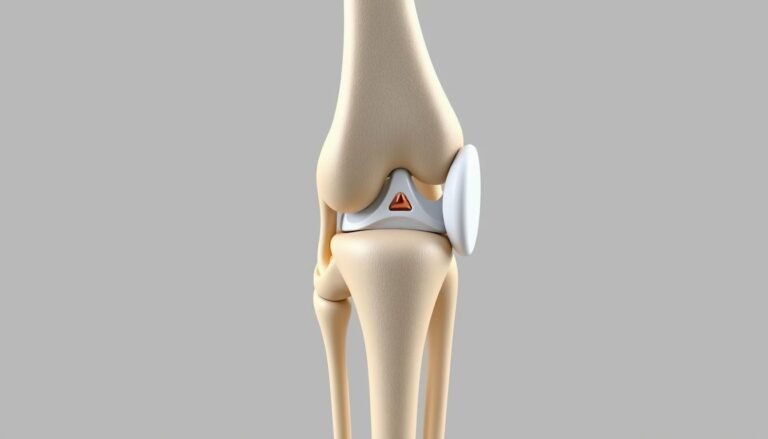
Arthritis impacts the knee joint in several ways. The condition can lead to the breakdown of cartilage, inflammation of the synovial membrane, and other degenerative changes. These processes contribute to pain and stiffness in the knee, making everyday activities challenging.
The breakdown of cartilage reduces the cushioning between bones, causing friction and discomfort. Inflammation of the synovial membrane can lead to swelling and further pain.
| Effect on Knee Joint | Description |
|---|---|
| Cartilage Breakdown | Reduces cushioning between bones, causing friction and discomfort |
| Inflammation of Synovial Membrane | Leads to swelling and pain |
| Degenerative Changes | Progressively impacts mobility and quality of life over time |
Common Symptoms and Challenges
Common symptoms of arthritis in the knee include pain patterns, swelling, reduced range of motion, and instability. These symptoms can vary throughout the day and may be triggered or worsened by factors such as activity level or weather changes.
Sufferers often face daily challenges, from difficulty navigating stairs to limitations in recreational activities. Recognizing these symptoms and understanding their relation to arthritis is crucial for finding appropriate relief methods.
How Knee Massagers Help Arthritis Sufferers
Knee massagers have emerged as a valuable tool for individuals suffering from arthritis, offering relief and improved mobility. These devices are designed to provide targeted massage therapy to the knee area, helping to alleviate pain and stiffness associated with arthritis.
The Science Behind Massage Therapy for Arthritis
Massage therapy has been shown to have several physiological benefits that can help reduce arthritis pain. It increases circulation to the affected areas, which can aid in healing and reduce inflammation. Additionally, massage stimulates the production of natural pain-relieving compounds in the body, such as endorphins.
The scientific evidence supporting massage therapy as an effective complementary treatment for arthritis management is growing. Studies have demonstrated that regular massage can lead to significant reductions in pain and improvements in functional ability for individuals with arthritis.
Benefits of Regular Massage for Joint Health
Regular massage therapy can have numerous benefits for joint health in arthritis patients. It can help maintain and potentially improve joint mobility, reduce inflammation and swelling around the knee joint, and break the pain-tension cycle that often accompanies chronic arthritis.
| Benefit | Description |
|---|---|
| Improved Joint Mobility | Regular massage helps maintain or improve the range of motion in the knee joint. |
| Reduced Inflammation | Massage therapy can help decrease swelling and inflammation around the knee. |
| Pain Relief | Massage stimulates the production of natural pain-relievers, providing relief from arthritis pain. |
By incorporating knee massagers into their arthritis management routine, individuals can experience these benefits in the comfort of their own homes, without the need for frequent professional massage therapy sessions.
Key Features to Look for in Knee Massagers for Arthritis
To maximize the benefits of a knee massager for arthritis, it’s crucial to understand the essential features that distinguish a superior product from a mediocre one. When selecting a knee massager, several factors come into play to ensure the chosen item effectively addresses arthritis-related discomfort.
Heat Therapy Options
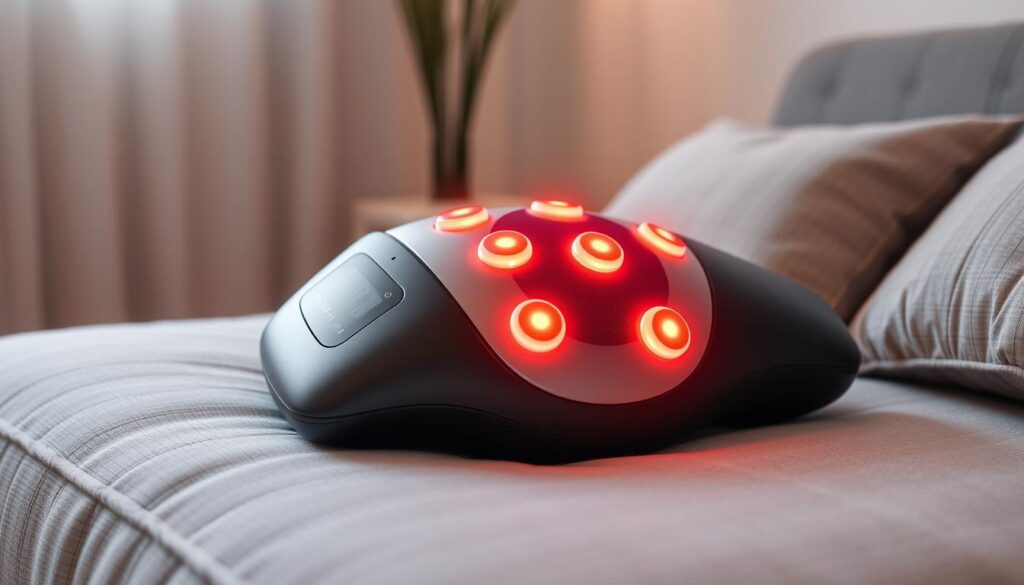
Heat therapy is a vital feature in knee massagers for arthritis, as it helps increase blood flow and relax tense muscles around the knee joint. The optimal temperature range for effective arthritis pain relief typically falls between 100°F to 110°F. Different massagers offer various heat settings, allowing users to customize the therapy according to their comfort level. Heat therapy can be particularly beneficial for soothing stiff joints and enhancing the overall massage experience.
Vibration and Compression Settings
Vibration therapy is another key feature that provides customized relief for different types of arthritis pain. Various intensity levels and patterns allow users to tailor the massage experience to their specific needs. Additionally, compression settings, particularly those utilizing air compression, mimic the pressure application of manual massage therapy and help reduce swelling around the knee. The combination of vibration and compression can significantly enhance the therapeutic benefits of the massager.
Size and Fit Considerations
Finding the right size and fit for a knee massager is essential for effective treatment. Proper coverage of the affected area ensures that the massager can adequately address the sources of pain and discomfort. Adjustable straps and flexible materials are crucial, as they allow the massager to accommodate different knee sizes and shapes, providing a comfortable and secure fit.
Battery Life and Power Options
Battery life is a significant consideration when choosing a knee massager, as it directly impacts the convenience and usability of the product. The average treatment time needed for arthritis relief can vary, but generally, a massager with a longer battery life or a rechargeable option is preferable. Users must weigh the pros and cons of rechargeable versus replaceable batteries and corded versus cordless models to determine which is most practical for their lifestyle.
By carefully evaluating these key features, individuals with arthritis can select a knee massager that not only provides effective pain relief but also fits seamlessly into their daily routine.
Types of Knee Massagers Available
Knee massagers come in several forms, each designed to address the unique challenges posed by arthritis. The variety allows individuals to choose a device that best fits their specific needs and preferences.
Wrap-Around Massagers
Wrap-around knee massagers provide 360-degree coverage of the knee joint, ensuring comprehensive therapeutic benefit. These devices are designed for hands-free operation, allowing users to receive treatment while engaging in other activities. This convenience factor makes them particularly appealing for individuals with busy lifestyles.
Air Compression Devices
Air compression devices utilize inflatable air chambers to create rhythmic pressure that mimics manual massage techniques. By doing so, they help reduce swelling and improve circulation through controlled pressure cycles, providing relief from arthritis pain.
These devices are particularly beneficial for individuals who experience swelling and poor circulation in their knees due to arthritis.
Handheld Massagers for Knee Pain
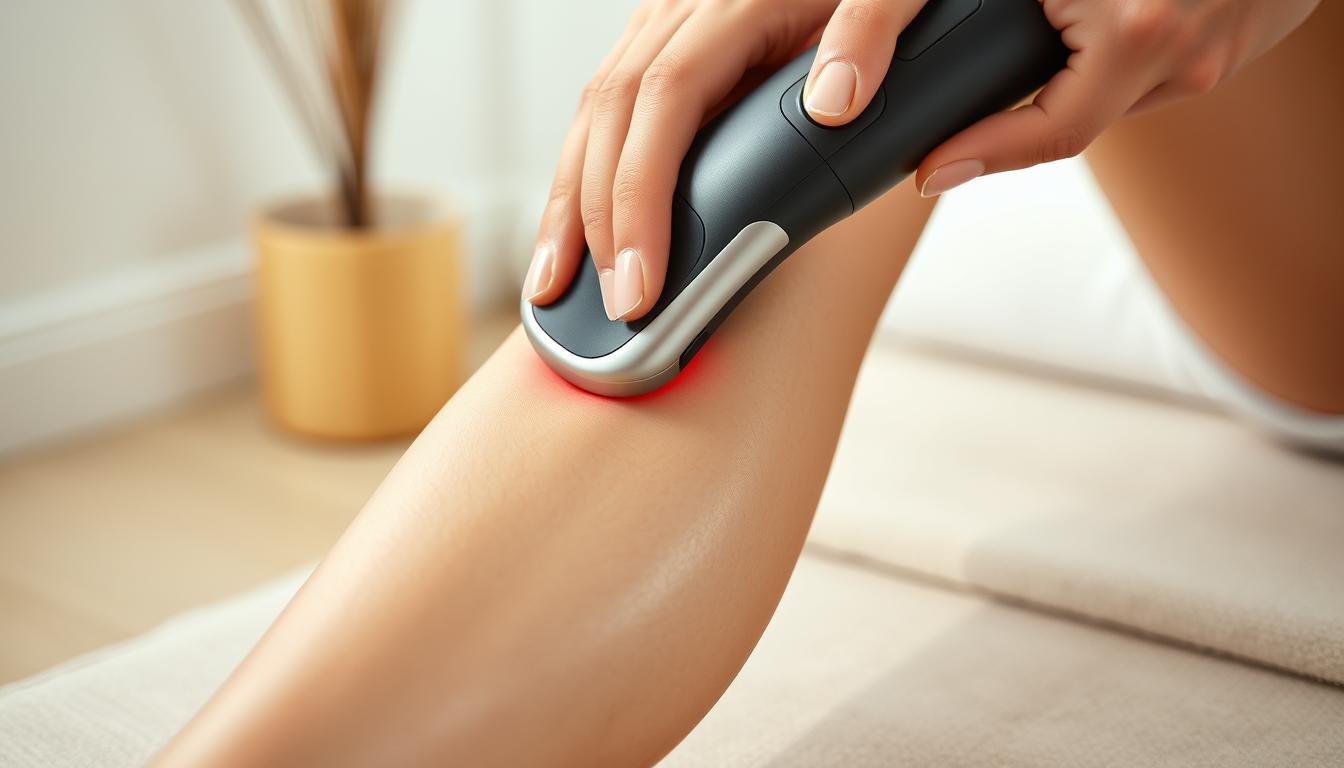
Handheld massagers offer precision targeting of specific pain points around the knee. Their versatility makes them an excellent option for those who need to focus on particular areas of discomfort. Additionally, their portability is a significant advantage for users who need to manage arthritis pain on the go.
By understanding the different types of knee massagers available, individuals can make an informed decision about which device best suits their needs, lifestyle, and the severity of their arthritis symptoms.
Top Knee Massagers for Arthritis Relief
For individuals living with arthritis, finding the right knee massager is crucial for managing pain and maintaining quality of life. We will explore two top-rated knee massagers designed to provide effective relief from arthritis pain.
Laser Heated Air Pressure Knee Rheumatoid Arthritis Physiotherapy Massager
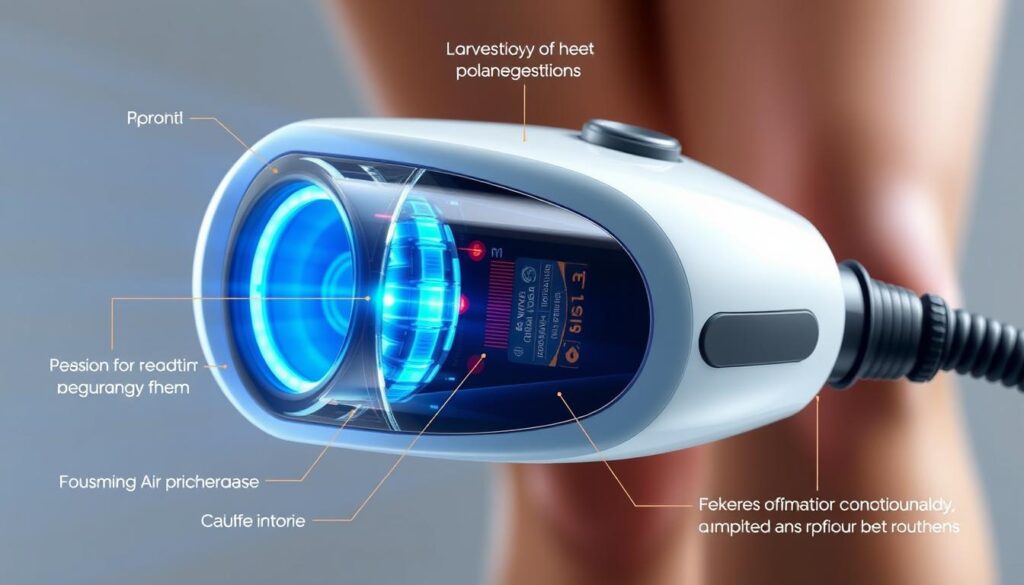
The Laser Heated Air Pressure Knee Rheumatoid Arthritis Physiotherapy Massager is a cutting-edge device that combines heat therapy and air pressure massage to alleviate arthritis pain. Priced at US $45.99 with a shipping cost of US $5.99, this massager is made from high-quality ABS and Silicone materials, ensuring durability and comfort during use.
The laser heating technology used in this massager provides deeper penetration, resulting in more effective pain relief compared to standard heating elements. Additionally, the air pressure system creates a rhythmic compression effect that helps reduce inflammation and improve circulation in the knee joint.
Smart Timer and Vibration Heating Knee Braces Massager
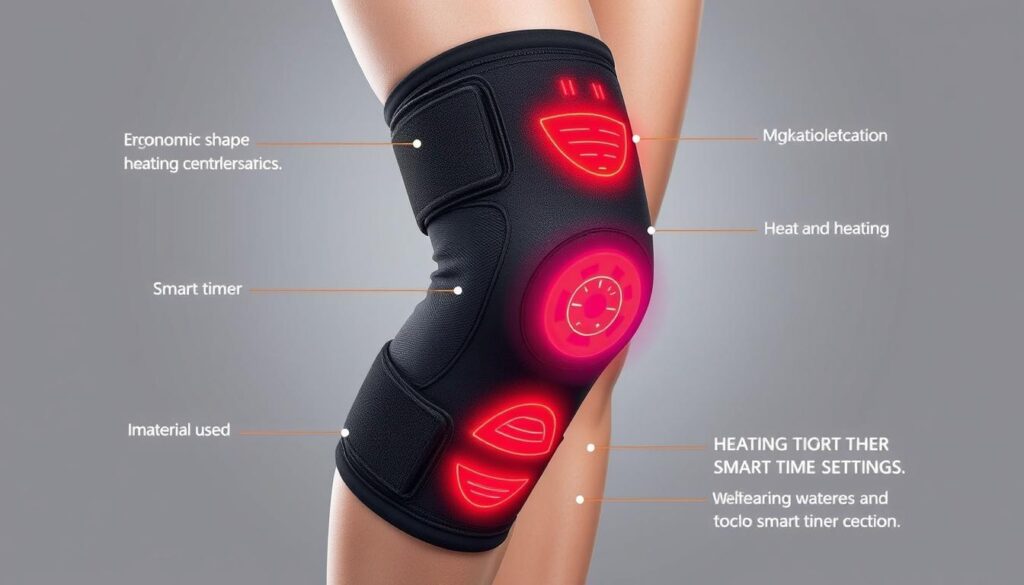
The Smart Timer and Vibration Heating Knee Braces Massager is another innovative device that offers comprehensive arthritis relief by combining vibration therapy with heat. Available for US $17.98 with a shipping cost of US $9.99, this massager features a convenient timer function that allows users to set treatment durations according to their needs.
The vibration and heating functions work together to provide soothing relief from arthritis pain. The materials used in this massager are designed for comfort during extended treatment sessions, making it an excellent option for those seeking consistent pain relief.
When comparing the two massagers, we consider factors such as effectiveness, ease of use, and value for money. The Laser Heated Air Pressure Knee Rheumatoid Arthritis Physiotherapy Massager offers advanced heat therapy and air pressure massage, making it suitable for those with severe arthritis pain. On the other hand, the Smart Timer and Vibration Heating Knee Braces Massager provides a more affordable option with its vibration and heating functions, ideal for those seeking a straightforward and easy-to-use device.
Ultimately, the choice between these two knee massagers depends on individual preferences and specific needs. Both devices are designed to provide effective relief from arthritis pain, and by considering the key features and benefits of each, users can make an informed decision that best suits their condition.
Budget-Friendly Options for Arthritis Knee Relief
Managing arthritis knee pain doesn’t have to break the bank, as there are several affordable knee massager options available. For those on a tight budget, finding the right knee massager that provides effective pain relief without overspending is crucial.
Best Massagers Under $25
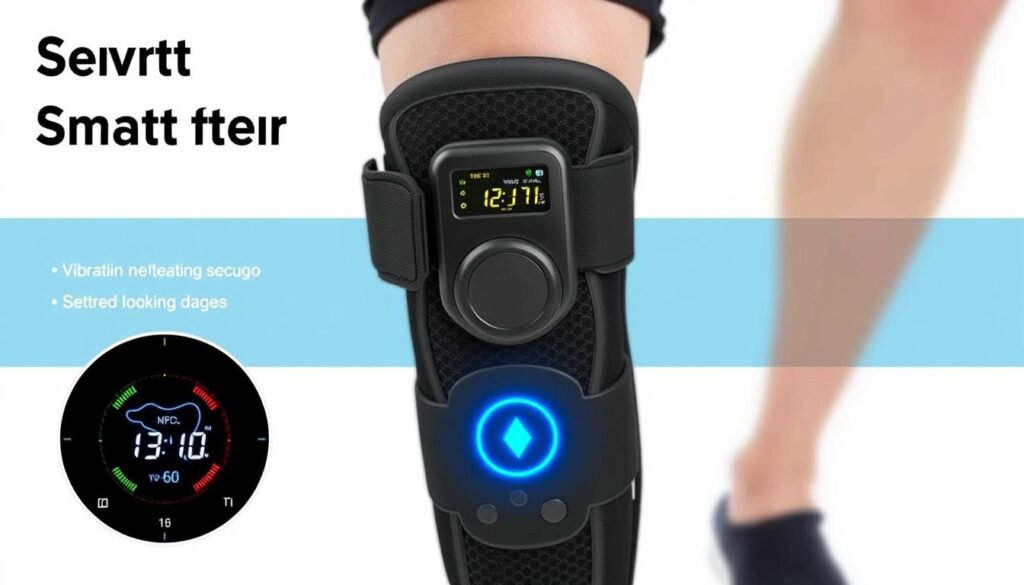
The Smart Timer and Vibration Heating Knee Braces Massager is an excellent option for those looking for an affordable solution. Priced at $17.98, it offers essential features like vibration and heat therapy, making it a valuable item for arthritis sufferers on a budget.
When looking for a knee massager under $25, expect to find basic yet effective features. These may include vibration settings and sometimes heat therapy, both of which contribute to relief from arthritis pain.
Mid-Range Options ($25-$50)
For those willing to spend a bit more, the Laser Heated Air Pressure Knee Rheumatoid Arthritis Physiotherapy Massager at $45.99 offers advanced features compared to its budget counterparts. This massager includes air pressure therapy in addition to heat, potentially offering greater pain relief.
Mid-range options like this provide a balance between price and functionality, making them an attractive choice for those who need more than the basic features but are not ready to invest in premium products.
When considering the price of a knee massager, it’s essential to weigh the cost against the benefits and durability of the item. Sometimes, spending a bit more money upfront can lead to better long-term value.
How to Use Knee Massagers Effectively
Effective use of a knee massager involves more than just turning it on; it requires a thoughtful approach. To maximize the benefits, users need to understand the optimal duration and frequency of massage sessions, as well as how to combine massage therapy with other arthritis treatments.
Recommended Treatment Duration and Frequency
The ideal duration for a knee massage session typically ranges from 15 to 30 minutes. This timeframe allows for maximum benefit without overuse. The frequency of treatments can vary based on individual pain levels and flare-ups. For chronic pain, regular sessions may be necessary, while acute flare-ups might require gentler and more frequent massage.
As the body adapts to regular massage therapy, treatment intensity and duration can be gradually increased. It’s essential to listen to your body and adjust the massage settings accordingly. For instance, gentler settings are recommended during acute flare-ups, while more intense settings can be used for chronic pain management.
Combining Massage with Other Arthritis Treatments
Knee massagers can complement other arthritis management strategies, including medication, physical therapy, and exercise. The optimal timing for massage therapy in relation to other treatments is crucial. For example, using massage before exercise can improve mobility, while post-exercise massage can help reduce inflammation.
“Consistency is key when it comes to massage therapy for managing arthritis.” By incorporating knee massage into your daily routine, you can maximize its benefits. It’s also important to recognize signs that indicate when to increase or decrease massage frequency based on how your body responds.
Safety Considerations When Using Knee Massagers
To maximize the benefits of knee massagers while minimizing risks, users must be aware of important safety considerations. Knee massagers can be highly effective for arthritis pain relief, but their safe use depends on understanding certain precautions and guidelines.
Contraindications and Precautions
There are specific situations where using a knee massager is not recommended. For instance, individuals with deep vein thrombosis or severe inflammation should avoid using knee massagers. Additionally, massage should not be applied immediately after an injury or surgery without clearance from a healthcare provider.
It’s also crucial to recognize signs that indicate massage may be exacerbating rather than relieving pain symptoms. If pain increases or if there’s noticeable swelling after using a massager, it may be necessary to adjust the settings or consult a healthcare professional.
Guidelines for Safe Usage
Proper intensity and duration are key to safely using a knee massager. We recommend starting with lower intensity settings and gradually increasing as comfort allows. The maximum recommended duration for a massage session should not exceed 30 minutes to prevent tissue damage or increased inflammation over time.
Allowing adequate rest periods between massage sessions is also important for overall health. This allows the body to respond to the treatment. For individuals with complex medical histories, it’s advisable to consult with healthcare providers before beginning massage therapy, especially if considering extended use beyond a few hours.
Here’s a summary of safety guidelines for using knee massagers:
| Condition/Usage | Guideline |
|---|---|
| Deep Vein Thrombosis | Avoid using knee massager |
| Severe Inflammation | Avoid using knee massager |
| Post-Injury/Surgery | Consult healthcare provider first |
| Intensity Setting | Start low, increase gradually |
| Session Duration | Maximum 30 minutes |
What Real Users Say: Customer Feedback on Arthritis Knee Massagers
We analyzed customer feedback to uncover the strengths and weaknesses of popular knee massagers for arthritis. This analysis helps potential buyers make informed decisions based on the experiences of others who have used these devices to manage their arthritis pain.
Positive Experiences and Results
Many users have reported significant relief from arthritis symptoms through regular use of knee massagers. For instance, customers of the Laser Heated Air Pressure Knee Rheumatoid Arthritis Physiotherapy Massager praised its effectiveness, with comments like “Good product” and “fast shipping, fits great, works great.” Similarly, the Smart Timer and Vibration Heating Knee Braces Massager received positive feedback for its comfort and functionality.
Common Complaints and Limitations
While overall customer satisfaction is high, some users reported issues with fit, durability, or effectiveness for certain types of arthritis. For example, a few users of the Smart Timer and Vibration Heating Knee Braces Massager experienced initial problems, but appreciated the seller’s responsive service in addressing these issues. Analyzing feedback patterns helps identify which features are most valued and where improvements are needed.
By considering the collective experience of users, we can better understand the role of knee massagers in managing arthritis pain and improving quality of life.
Maintenance and Care Tips for Your Knee Massager
Regular maintenance is key to getting the most out of your knee massager and ensuring it remains a valuable tool in managing arthritis.
Cleaning and Sanitizing Methods
To maintain hygiene and prevent bacterial growth, it’s essential to clean your knee massager regularly. We recommend wiping down the device with a soft cloth and mild soap solution. For more thorough sanitizing, use a gentle disinfectant that is safe for the materials of your massager. Avoid submerging electronic components in water to prevent damage.
- Use a soft cloth to wipe down the massager.
- Avoid harsh chemicals that could damage the product.
- Regular cleaning prevents bacterial growth on the item.
Storage and Battery Maintenance
Proper storage is crucial for maintaining the effectiveness and longevity of your knee massager. Store the device in a cool, dry place, away from direct sunlight. For rechargeable knee massagers, optimal battery life can be achieved by avoiding overcharging and storing the device with a partially charged battery when not in use for an extended time.
At the time of storage, ensure the packaging or storage case is clean and dry to prevent moisture buildup. This helps in preserving the product’s quality over time.
Where to Buy Knee Massagers for Arthritis
When searching for knee massagers to alleviate arthritis pain, it’s crucial to know where to look. The internet has made it easier to find and purchase knee massagers from the comfort of your home.
Online Retailers and Marketplaces
Several online retailers and marketplaces offer a wide range of knee massagers. Major platforms like Amazon, eBay, and specialized medical supply websites are popular choices. These websites often provide customer reviews, product comparisons, and detailed product descriptions to help you make an informed decision.
When shopping online, it’s essential to evaluate the seller’s reliability by checking their feedback ratings and return policies. Look for sellers with high ratings and positive customer feedback.
Understanding Shipping, Returns, and Warranties
Before making a purchase, consider the shipping costs and estimated delivery times. For instance, the Laser Heated Air Pressure Knee Massager offers shipping for US $5.99 with delivery estimated between Thu, Apr 24 and Tue, Apr 29, while the Smart Timer and Vibration Heating Knee Braces Massager has shipping for US $9.99.
| Product | Shipping Cost | Return Policy |
|---|---|---|
| Laser Heated Air Pressure Knee Massager | US $5.99 | 30-day return policy, seller pays for return shipping |
| Smart Timer and Vibration Heating Knee Braces Massager | US $9.99 | 30-day return policy, buyer pays for return shipping |
Understanding the return policy and warranty offered by the seller is also crucial. A good return policy allows you to return the product if it doesn’t meet your expectations.
Making the Right Choice for Your Arthritis Pain Management
Effective arthritis pain management often involves a multi-faceted approach, and knee massagers can play a crucial role in this strategy. As we’ve explored throughout this article, various types of knee massagers offer different benefits, from heat therapy to vibration and compression.
When selecting a knee massager, it’s essential to consider your specific arthritis condition, pain severity, and budget. By prioritizing features that address your individual needs, such as heat therapy for stiffness or compression for swelling, you can find a device that provides significant pain relief.
We encourage you to be proactive in your arthritis pain management, exploring how a knee massager can be part of a larger self-care strategy. Investing in quality pain relief solutions can improve your quality of life and potentially reduce dependence on medication. By combining a knee massager with other treatments and consulting with your healthcare provider, you can take control of your condition and find effective relief at home.
FAQ
What is the typical shipping time for a knee massager?
Can I return my knee massager if I’m not satisfied with it?
How do I clean and maintain my knee massager?
Is it safe to use a knee massager with other arthritis treatments?
What is the price range for knee massagers?
Do knee massagers come with a warranty?
Can I purchase a knee massager from your online store?
How long does the battery last on a knee massager?
Are knee massagers suitable for people with severe arthritis pain?
Related Articles

About the author: Mokhtar Sahraoui
Mokhtar Sahraoui is the founder and editor of Knee Hurt. He researches and writes practical, easy-to-understand guides on knee pain, knee injuries, arthritis and recovery, based on trusted medical sources. Knee Hurt articles are general information and are not a substitute for advice from your doctor or physical therapist.