
Anxiety and Knee Pain: Is There a Connection?
When it comes to knee pain, we often think about physical factors such as injury, arthritis, or overuse. However, could there be a hidden culprit behind knee pain that we may not always consider? Recent research has begun to explore the relationship between anxiety and knee pain. While the evidence is limited, there are intriguing findings that suggest anxiety may indeed play a role in the onset and exacerbation of knee pain.
While depression has been shown to have a strong connection with knee pain, the evidence for anxiety-induced knee pain is not as conclusive. However, it is important to consider the impact of anxiety on physical symptoms, including knee pain. Anxiety can manifest in physical ways, and for some individuals, knee pain may be one of those symptoms.
In order to fully understand the complex interactions between anxiety and knee pain, it is crucial to take a biopsychosocial approach. This means considering both the physical and psychological factors that contribute to knee pain. By addressing both aspects, we can gain a more comprehensive understanding of knee pain and provide more effective management strategies.
Key Takeaways:
- Anxiety may be linked to knee pain, although the evidence is limited.
- Depression has a stronger connection with knee pain compared to anxiety.
- Anxiety-induced knee pain may be a result of physical manifestations of anxiety.
- A holistic approach that considers both physical and psychological factors is important for managing knee pain.
- Further research is needed to better understand the relationship between anxiety and knee pain.
The Association Between Psychological Stress and Chronic Knee Pain
In a cross-sectional study conducted in Korea, the relationship between psychological stress and chronic knee pain was investigated. The findings revealed a significant association between these two factors, indicating that psychological stress can contribute to the development and persistence of knee pain. The risk of experiencing knee pain increased as stress levels escalated, ranging from mild to moderate and severe.
This study provides valuable insights into the role of psychological factors, such as stress and anxiety, in the onset and progression of knee pain. Understanding the impact of these psychological factors on physical symptoms is essential for comprehensive pain management and effective treatment strategies.
Stress can manifest itself in various ways, including muscle tension, altered movements, and changes in behavior. These psychosomatic effects can directly influence joint and knee pain. Additionally, stress-induced inflammation and immune system dysfunction may further contribute to the experience of knee pain in individuals with heightened stress levels.
“The findings of this study emphasize the importance of addressing psychological stress in the management of chronic knee pain. By targeting stress reduction strategies and incorporating psychological interventions, healthcare professionals can effectively alleviate knee pain and improve overall patient well-being.”
Taking a holistic approach that considers both the physical and psychological aspects of knee pain is crucial. In addition to traditional pain management techniques, such as medications and physical therapy, stress reduction techniques and psychological interventions should be incorporated into treatment plans.
Psychological Stress Levels and Risk of Chronic Knee Pain
| Stress Levels | Risk of Chronic Knee Pain |
|---|---|
| Mild | Low |
| Moderate | Moderate |
| Severe | High |
As depicted in the table above, there is a progressive increase in the risk of chronic knee pain with higher levels of psychological stress. This highlights the need to address psychological factors in the management of knee pain to achieve optimal outcomes.
By recognizing the association between psychological stress and chronic knee pain, healthcare professionals can adopt a comprehensive approach to pain management that includes stress reduction techniques, psychological interventions, and traditional treatment modalities. This integrated approach has the potential to alleviate knee pain, improve overall well-being, and enhance the quality of life for individuals experiencing anxiety-related knee pain.
Understanding the Links Between Anxiety and Joint Pain
Anxiety can be a potential cause of joint pain, affecting individuals in various ways. Let’s explore the different mechanisms through which anxiety can contribute to joint pain.
Anxiety-induced Altered Movements and Behavior
When individuals experience anxiety, they often adapt their movements and behavior to cope with their emotions. This altered movement pattern can potentially lead to joint pain, as it puts extra strain on the joints. For example, individuals may unconsciously adopt a tense or rigid posture, which can cause discomfort and pain in the joints over time.
Stress-induced Inflammation and Immune System Dysfunction
Anxiety and stress can trigger an inflammatory response in the body. Prolonged activation of the stress response system can lead to chronic inflammation, which can affect the joints. In addition, anxiety-related stress can disrupt the normal functioning of the immune system, making individuals more susceptible to joint pain and inflammation.
Muscle Tension and Heightened Perception of Pain
Anxiety often leads to increased muscle tension due to the body’s physiological response to stress. This excessive muscle tension can put additional pressure on the joints and exacerbate pain. Furthermore, anxiety can alter an individual’s perception of pain, making them more sensitive to even minor discomfort in the joints.
Understanding the links between anxiety and joint pain is crucial for effective management and treatment. By addressing the underlying anxiety and employing strategies to alleviate stress and muscle tension, individuals can experience reduced joint pain and improved overall well-being.
| Factors Contributing to Joint Pain from Anxiety | How They Contribute to Joint Pain |
|---|---|
| Altered movements and behavior | Putting extra strain on the joints |
| Stress-induced inflammation and immune system dysfunction | Causing chronic inflammation and joint problems |
| Muscle tension | Exerting pressure on the joints |
| Heightened perception of pain | Increasing sensitivity to joint discomfort |
By addressing these contributing factors and implementing appropriate management techniques, individuals can find relief from joint pain associated with anxiety.
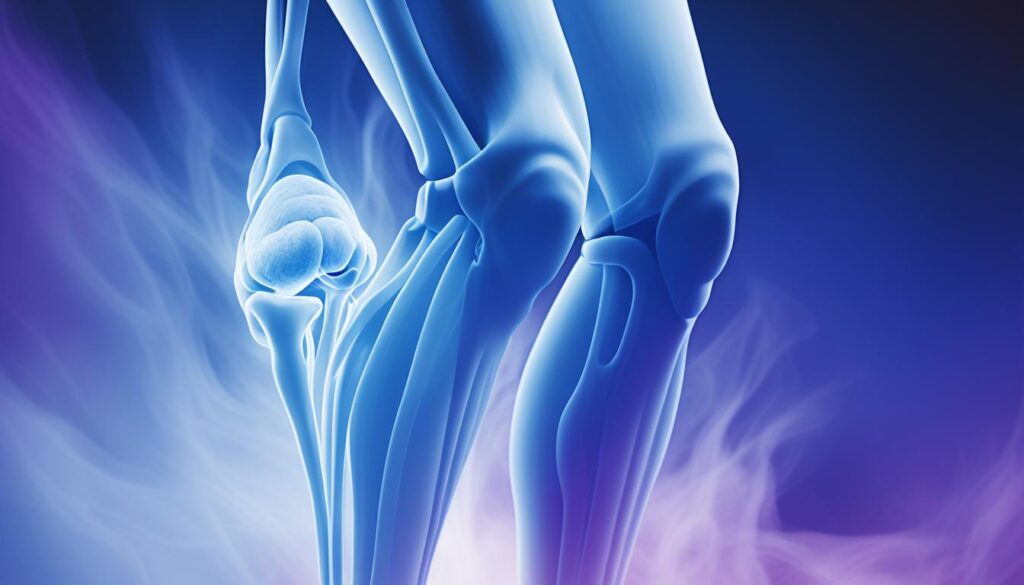
Addressing Anxiety-Related Joint Pain
When experiencing joint pain from anxiety, it is crucial to address both the underlying anxiety and the joint pain itself. While joint pain can be a symptom of anxiety-induced joint pain, it is important to manage the root cause to effectively alleviate the discomfort.
One approach to reducing joint pain is by using over-the-counter painkillers. These medications can provide temporary relief and help manage the pain. Additionally, natural supplements like glucosamine and chondroitin have been found to alleviate joint pain and improve joint health.
Another aspect to consider is posture. Maintaining good posture is essential in relieving stress on the joints and reducing joint pain. Focusing on proper alignment and ergonomics can significantly improve joint function and alleviate discomfort.
Physical activity is also vital in managing anxiety-related joint pain. Engaging in low-impact exercises like swimming, cycling, or yoga can help strengthen the muscles around the joints and improve overall joint health. It is important to listen to your body and ensure that you are not overexerting yourself, as excessive strain can aggravate joint pain.
Addressing anxiety-related joint pain requires a holistic approach that combines various strategies. By targeting both anxiety and joint health, individuals can experience significant relief from joint pain and improve their overall well-being.
Conclusion
In conclusion, anxiety can have a significant impact on knee pain, although the evidence for a direct relationship between anxiety and knee pain is still limited. However, it is well-established that psychological stress, which often accompanies anxiety, contributes to the development and persistence of chronic knee pain. By managing anxiety and stress levels, individuals can effectively address anxiety-related knee pain.
It is important to take a holistic approach that considers both the physical and mental aspects of knee pain. This means addressing not only the pain itself but also the underlying anxiety and stress. Over-the-counter painkillers and natural supplements can provide relief for joint discomfort, but the primary focus should be on reducing anxiety through various coping mechanisms, including practicing relaxation techniques and seeking professional help when needed.
By prioritizing the management of anxiety and stress, individuals can optimize their outcomes and reduce the impact of anxiety-related knee pain. Remember, knee pain is often multifactorial, and a comprehensive approach that takes into account both the physical and psychological aspects will offer the best chances of recovery and improved quality of life.
FAQ
Does anxiety cause knee pain?
The relationship between anxiety and knee pain is not well established. While anxiety can contribute to joint pain through various physiological and psychological mechanisms, the evidence for a direct link between anxiety and knee pain is limited.
Is there a connection between anxiety and knee pain?
Studies have found a significant association between psychological stress and chronic knee pain. Stress and anxiety can contribute to the development and persistence of knee pain, although the exact relationship is still being explored.
What is the relationship between anxiety and knee pain?
Anxiety can contribute to knee pain through altered movements, behavior changes, stress-induced inflammation, immune system dysfunction, muscle tension, and heightened perception of pain. While more research is needed, managing anxiety and stress levels is essential for addressing anxiety-related knee pain.
Can anxiety cause joint pain?
Anxiety can contribute to joint pain through various physiological and psychological mechanisms. Stress-induced inflammation, altered movements and behavior, muscle tension, and heightened perception of pain can all lead to joint pain in individuals with anxiety.
How can I manage knee pain from anxiety?
When experiencing knee pain from anxiety, it is important to address both the underlying anxiety and the joint pain itself. Over-the-counter painkillers and natural supplements may provide some relief. Paying attention to posture, movements, and exercise can also help alleviate knee pain. However, the primary focus should be on reducing anxiety to effectively manage knee pain.
What is the best approach for managing anxiety-related knee pain?
Taking a holistic approach that considers both physical and mental health is essential for optimizing outcomes in individuals experiencing knee pain from anxiety. Managing anxiety and stress levels, practicing relaxation techniques, seeking therapy or counseling, and incorporating regular exercise and physical therapy can all help manage anxiety-related knee pain.