Knee Injury Going Down Stairs: Prevention Tips
One of the most common complaints regarding knee pain is the discomfort experienced when climbing up and down stairs. Descending stairs, in particular, can put a significant amount of stress on the knees. Research shows that when going down stairs, the force on the kneecap is 3.5 times a person’s body weight, compared to 2.5 times when ascending. This increased force can lead to knee pain and discomfort. Knee pain when going down stairs can be caused by various conditions, such as knee osteoarthritis, patellofemoral pain syndrome, muscle strain, IT band syndrome, ligament injuries, or compensation injuries. Addressing the underlying causes and taking preventive measures are crucial in avoiding further damage and promoting knee health.
Key Takeaways
- Knee pain when descending stairs is a common complaint due to the increased force placed on the knees.
- Underlying conditions such as knee osteoarthritis, patellofemoral pain syndrome, and muscle strain can cause knee pain when going down stairs.
- Preventive measures like stepping onto stairs with your whole foot and pushing off from your outer heel can help reduce knee stress.
- Treatment options include rest, ice, compression, elevation, medication, exercise, support aids, and biomechanical devices.
- Consulting with a healthcare professional is recommended for an accurate diagnosis and personalized treatment plan for knee pain when going down stairs.
Causes of Knee Pain when Going Down Stairs
Knee pain when going down stairs can be caused by various conditions. Let’s explore some of these common causes:
- Knee Osteoarthritis: Also known as degenerative joint disease, knee osteoarthritis occurs when the cartilage in the knee joint degenerates over time. This can lead to pain, stiffness, and inflammation, particularly when descending stairs.
- Patellofemoral Pain Syndrome: Commonly referred to as jumper’s knee, this condition involves pain in the front of the knee, especially when going down stairs. It is caused by an imbalance in the forces acting on the patella (kneecap).
- Muscle Strain: Excessive or repetitive use of the muscles around the knee, such as the quadriceps and hamstrings, can result in strain or inflammation. This can cause pain when going down stairs.
- IT Band Syndrome: The iliotibial (IT) band is a thick band of tissue that runs along the outside of the thigh. IT band syndrome occurs when this band becomes tight or inflamed, leading to pain on the outside of the knee, particularly during activities involving stair descent.
- Ligament Injury: Injuries to the ligaments in the knee, such as the anterior cruciate ligament (ACL) or medial collateral ligament (MCL), can cause pain and instability, making it uncomfortable to go down stairs.
- Compensation Injury: When you have an injury or weakness in the foot or ankle, your body may compensate by altering its biomechanics. This can put undue stress on the knee joint, resulting in pain when descending stairs.
It’s important to identify the underlying cause of your knee pain when going down stairs in order to guide appropriate treatment and preventive measures.
Prevention Tips for Knee Pain when Going Down Stairs
There are several preventive measures you can take to avoid knee pain when going down stairs. These tips can help reduce the strain on your knees and minimize the risk of stair-related knee injuries.
- Step onto the stairs with your whole foot: When descending stairs, make sure to place your entire foot on each step instead of just your toes. This distributes the pressure more evenly and reduces compression on the knee.
- Push off from your outer heel: As you climb down stairs, focus on pushing off from your outer heel instead of relying solely on the front of your foot. This activates your gluteus muscles and places less strain on the knee.
- Maintain proper alignment: It is crucial to keep your knee aligned over your foot while walking down stairs. Avoid allowing your knee to drift inward or outward, as this can lead to pain and further injury. Always pay attention to your posture and ensure proper alignment.
- Address underlying causes: If you are experiencing knee pain when descending stairs, it is essential to address any underlying causes. This may include seeking treatment for misalignment, weakness, or previous injuries. Consulting with a healthcare professional can help identify the root cause and develop a personalized prevention plan.
By implementing these prevention tips, you can significantly reduce the risk of knee pain when going down stairs and avoid stair-related knee injuries. Taking care of your knees and practicing proper techniques will contribute to long-term knee health and overall well-being.
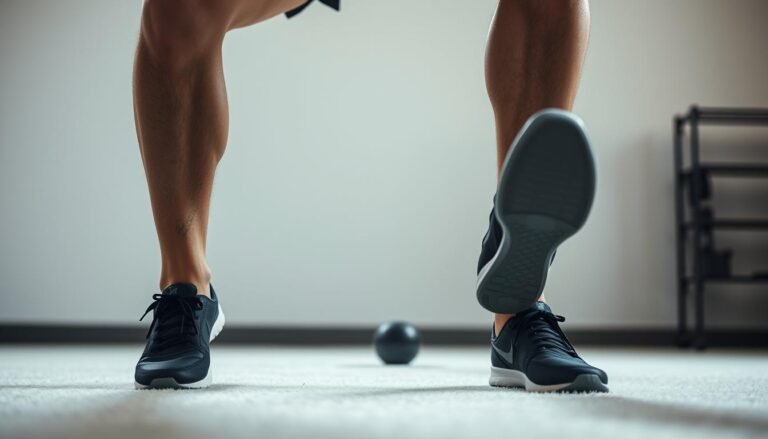
Demonstration of Recommended Exercises:
In addition to the prevention tips mentioned above, performing specific exercises can help strengthen the muscles surrounding the knee and provide further protection against knee pain when descending stairs. Here are a few exercises that target the knee and lower extremities:
| Exercise | Description |
|---|---|
| Squats | Stand with your feet shoulder-width apart and lower your body as if you were sitting back into a chair. Keep your knees aligned over your toes and aim for a 90-degree bend in the knees. Return to the starting position and repeat. |
| Lunges | Take a large step forward with one foot, keeping your knee aligned over your ankle. Lower your body until your back knee is almost touching the ground, then push back up to the starting position. Repeat on the other side. |
| Calf Raises | Stand with your feet hip-width apart and raise your heels off the ground, lifting your body onto your toes. Slowly lower back down and repeat. For an added challenge, perform calf raises on a step, allowing your heels to drop below the level of the step for a deeper stretch. |
Perform these exercises with proper form and gradually increase the intensity and repetitions as tolerated. Remember to listen to your body and stop if you experience any pain or discomfort. If you have any underlying medical conditions or concerns, consult with a healthcare professional or a physical therapist before starting a new exercise regimen.
By incorporating these exercises into your routine and following the prevention tips mentioned above, you can proactively protect your knees and minimize the risk of knee pain when going down stairs.

Treatment Options for Knee Pain when Going Down Stairs
If you are experiencing knee pain when going down stairs, there are various treatment options available to help relieve your discomfort and promote healing. The appropriate treatment will depend on the cause and severity of your knee pain. Here are some common treatment approaches:
Rest, Ice, Compression, and Elevation (RICE)
Rest is crucial for allowing your knee to heal and prevent further damage. Applying ice packs to the affected area can reduce pain and inflammation. Compression with an elastic bandage can provide additional support and limit swelling. Elevating your leg can help reduce fluid buildup and improve blood circulation. Implementing the RICE method is an effective initial treatment for knee pain when going downstairs.
Over-the-Counter Non-Steroidal Anti-Inflammatory Drugs (NSAIDs)
NSAIDs such as ibuprofen or naproxen sodium can help alleviate knee pain and reduce inflammation when used as directed. These medications are available over the counter and can provide temporary relief. However, it’s essential to consult with your healthcare professional before taking any medication, especially if you have underlying health conditions or are currently taking other medications.
Weight Management and Exercise
Maintaining a healthy weight can significantly reduce stress on your knees. Extra body weight can contribute to additional strain and wear on your knee joints. Regular exercise, including low-impact activities like swimming or cycling, can help strengthen the muscles around your knee and provide better support. Physical therapy may also be beneficial to improve joint stability and restore normal function.
Support Aids
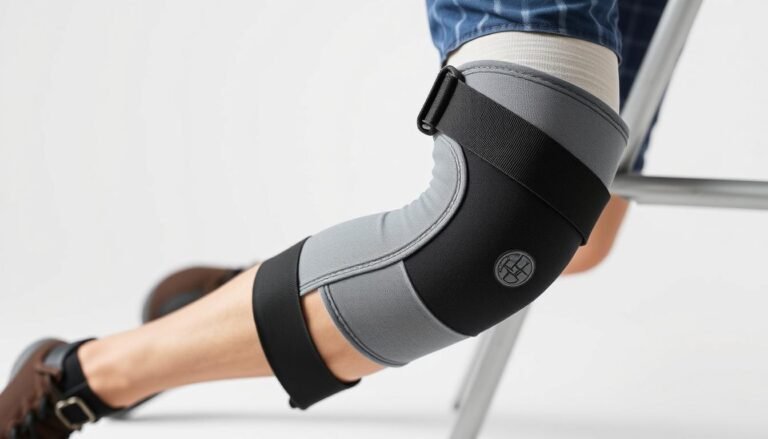
Support aids such as walkers, braces, or splints can provide stability and alleviate knee pain when going downstairs. These devices can assist in reducing strain on the knee joint, promote proper alignment, and provide additional support during daily activities. Your healthcare professional can recommend the most suitable support aid for your specific condition and needs.
Biomechanical Devices
Biomechanical devices like AposHealth are designed to temporarily reduce knee pain and improve gait for individuals with knee osteoarthritis. These personalized devices use adjustable pods to modify the distribution of forces on the knee, providing pain relief and improving overall mobility. AposHealth devices are prescribed by healthcare professionals and tailored to each individual’s specific needs.
Prescription Medication and Surgical Intervention
In severe cases where conservative treatment options are ineffective, your healthcare professional may recommend prescription medications or surgical intervention as a last resort. Prescription medications may include stronger pain relievers or corticosteroid injections to provide more significant pain relief and reduce inflammation. Surgical procedures such as arthroscopy or knee replacement may be necessary to address underlying structural issues or severe joint damage.
| Treatment Options | Description |
|---|---|
| Rest, Ice, Compression, and Elevation (RICE) | Allows the knee to heal and reduces pain and inflammation. |
| Over-the-Counter Non-Steroidal Anti-Inflammatory Drugs (NSAIDs) | Provides temporary relief and reduces knee pain and inflammation. |
| Weight Management and Exercise | Reduces knee stress by maintaining a healthy weight and strengthening the muscles around the knee. |
| Support Aids | Devices such as walkers, braces, or splints provide stability and support during daily activities. |
| Biomechanical Devices | Personalized devices like AposHealth temporarily reduce knee pain and improve mobility for individuals with knee osteoarthritis. |
| Prescription Medication and Surgical Intervention | Reserved for severe cases where conservative treatments are ineffective. Prescription medications and surgical procedures may be necessary. |
Conclusion
Knee pain when going down stairs is a common complaint that can greatly impact daily activities and quality of life. However, by understanding the underlying causes and taking preventive measures, you can reduce the risk of further injury and find relief from knee pain.
Conditions such as knee osteoarthritis, patellofemoral pain syndrome, muscle strain, IT band syndrome, ligament injury, or compensation injury can contribute to knee pain when descending stairs. It is important to consult with a healthcare professional to accurately diagnose the condition and develop a personalized treatment plan.
Prevention is key to managing knee pain when going down stairs. Simple measures such as stepping onto the stairs with your whole foot and pushing off from your outer heel can help reduce the stress on your knees. Additionally, maintaining a healthy weight, strengthening the muscles around the knee through exercise, and addressing any underlying issues can contribute to better knee health.
If you are experiencing knee pain when going down stairs, there are various treatment options available. These may include rest, ice, compression, elevation (RICE), over-the-counter pain medications, physical therapy, support aids, or biomechanical devices. In more severe cases, prescription medication or surgical intervention may be necessary.
To ensure the best outcome for your knee pain when descending stairs, it is crucial to consult with a healthcare professional. They can provide an accurate diagnosis, recommend appropriate treatment options, and guide you on preventive measures to protect your knee health in the long term.
FAQ
What causes knee pain when going down stairs?
Knee pain when going down stairs can be caused by various conditions such as knee osteoarthritis, patellofemoral pain syndrome, muscle strain, IT band syndrome, ligament injury, or compensation injury.
How can I prevent knee pain when going down stairs?
To prevent knee pain when going down stairs, make sure to step onto the stairs with your whole foot rather than just your toes. Pushing off from your outer heel while climbing stairs can also put less strain on the knee. It is important to avoid walking up stairs when your knee is not aligned over your foot. Addressing any underlying causes of knee pain and taking preventive measures can help avoid further injury.
What are the treatment options for knee pain when going down stairs?
The treatment options for knee pain when going down stairs include rest, ice, compression, and elevation (RICE), over-the-counter non-steroidal anti-inflammatory drugs (NSAIDs) for temporary relief, weight management and exercise including physical therapy, support aids like walkers, braces, or splints, biomechanical devices, and in severe cases, prescription medication or surgical intervention.