Uncovering Hidden Causes of Knee Pain in Adults
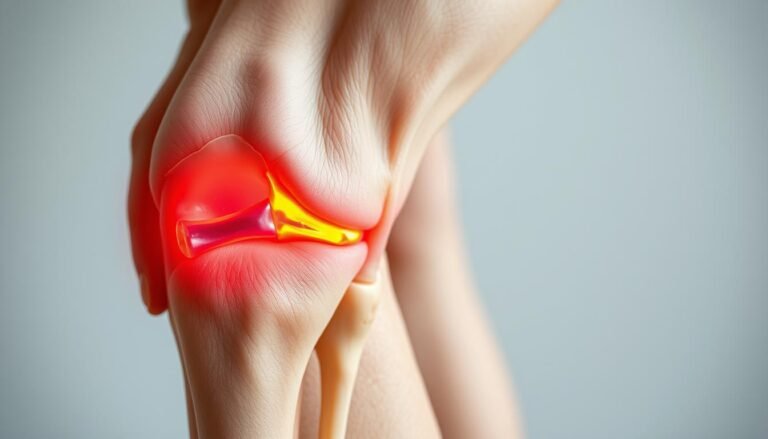
Knee pain is a prevalent issue in adults, especially those over the age of 50. While osteoarthritis is a common underlying cause, there may be other hidden factors contributing to knee pain.
In this article, we will explore these hidden causes and provide insights into managing and relieving knee pain in adults. By understanding the various factors that can contribute to knee pain, we can implement effective strategies to alleviate discomfort and improve overall joint health.
Key Takeaways:
- There are hidden causes of knee pain that go beyond osteoarthritis.
- Psychosocial factors, such as depression, can play a significant role in knee pain.
- Injuries, including ligament tears and meniscus tears, can lead to knee pain.
- Osteoarthritis is a common hidden cause of knee pain, often resulting in knee buckling.
- Plica syndrome and other factors can contribute to knee pain and instability.
By gaining a comprehensive understanding of these hidden causes, we can tailor treatment plans and preventive measures to effectively manage knee pain and enhance joint health. Let’s delve deeper into the various factors that contribute to knee pain in adults.
The Role of Psychosocial Factors in Knee Pain
Psychosocial factors, such as depression and anxiety, have been found to play a significant role in knee pain. Research studies show a strong relationship between these psychological factors and the experience of knee pain in adults. While the connection between depression and knee pain is well-established, the relationship with anxiety is still being explored. Understanding the impact of these psychosocial factors is crucial for developing comprehensive approaches to managing knee pain and improving overall well-being.
Depression, a common mental health condition, has been linked to increased knee pain in individuals. The exact mechanisms are not fully understood; however, it is believed that depression can heighten pain sensitivity and reduce pain tolerance, intensifying the experience of knee pain. Additionally, depression can affect one’s ability to cope with pain, leading to a lower quality of life and increased disability.
Anxiety, on the other hand, has shown a less consistent association with knee pain. While some studies suggest a relationship between anxiety and knee pain, others fail to find significant correlations. Further research is needed to determine the exact nature of the link between anxiety and knee pain. Nonetheless, addressing anxiety as part of a holistic approach to knee pain management can still be beneficial for overall well-being and stress reduction.
“Understanding the impact of psychosocial factors on knee pain is crucial for developing effective treatment strategies and enhancing the overall well-being of individuals suffering from chronic knee pain.”
By recognizing the influence of psychosocial factors in knee pain, healthcare professionals can provide more comprehensive care that addresses both the physical and psychological aspects of pain. Effective treatment strategies may include a combination of physical therapies, such as exercise and rehabilitation, as well as psychological interventions like cognitive-behavioral therapy (CBT) or mindfulness techniques to manage depression and anxiety symptoms.
The Mind-Body Connection
Research indicates that the mind and body are intricately connected, and psychological factors can influence physical health outcomes. In the context of knee pain, managing psychosocial factors such as depression and anxiety can potentially help reduce pain intensity, improve function, and enhance the overall quality of life for individuals affected by knee pain.
It is important to note that every individual’s experience of knee pain is unique. Some individuals may primarily experience physical symptoms, while others may be more affected by psychological factors. Tailoring treatment plans to address both the physical and psychological aspects of knee pain can lead to more effective and personalized care.
Overview of Psychosocial Factors in Knee Pain
| Psychosocial Factors | Impact on Knee Pain |
|---|---|
| Depression | Strong association with increased knee pain intensity and reduced pain tolerance. |
| Anxiety | Less consistent association with knee pain, but may contribute to pain experience and overall well-being. |
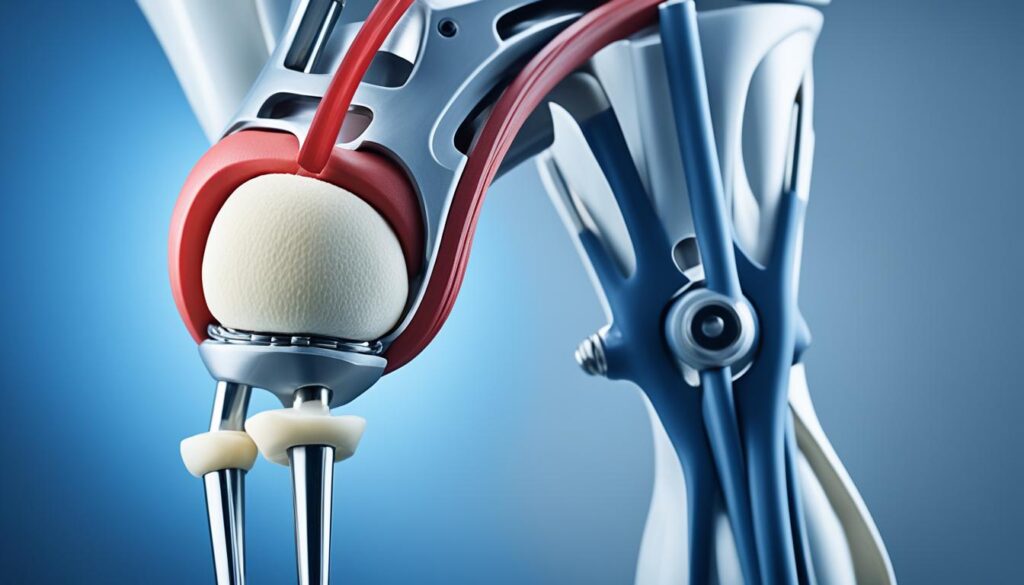
Understanding the role of psychosocial factors in knee pain allows healthcare providers to adopt a more holistic approach to treatment. By considering the psychological well-being of individuals with knee pain, healthcare professionals can tailor interventions that address both the physical and psychological aspects, improving pain management outcomes and fostering overall well-being.
Common Knee Injuries Leading to Pain
Knee pain can be a result of various injuries, including ligament tears and damage to the ACL and meniscus. These injuries can lead to knee instability, pain, and a feeling of the knee “giving way.” Understanding the common knee injuries that cause pain is essential for proper diagnosis and treatment to effectively manage knee pain.
One of the most common knee injuries is an ACL tear. The anterior cruciate ligament (ACL) is responsible for providing stability to the knee joint. When the ACL tears, it can result in knee instability, making activities such as walking or sports challenging. This instability may cause sudden buckling or giving way of the knee.
Another common injury that causes knee pain is a meniscus tear. The meniscus acts as a cushion between the thigh bone (femur) and shin bone (tibia) in the knee joint. Tears to the meniscus often occur during sports activities that involve twisting or sudden changes in direction. A meniscus tear can cause pain, swelling, and a sensation of the knee “giving way.”
Proper diagnosis and treatment of these ligament injuries, ACL tear, and meniscus tear are crucial for effectively managing knee pain and restoring stability to the knee joint. It is recommended to consult with a healthcare professional for an accurate diagnosis and personalized treatment plan.
| Injury | Symptoms | Treatment |
|---|---|---|
| ACL Tear | Knee instability, sudden buckling | Physical therapy, ACL reconstruction surgery |
| Meniscus Tear | Knee pain, swelling, knee “giving way” | Conservative treatment, arthroscopic surgery |
Preventing Knee Injuries
Taking preventive measures can help reduce the risk of knee injuries and subsequent knee pain. Here are some tips to protect your knees:
- Warm up before exercising or engaging in sports activities to prepare your muscles and joints.
- Wear appropriate protective gear, such as knee pads or braces, during high-impact activities.
- Strengthen the muscles around the knee joint through targeted exercises, such as squats and lunges.
- Practice good form and technique when performing physical activities to avoid unnecessary stress on the knees.
- Gradually increase the intensity and duration of exercise to allow your body to adapt and avoid overexertion.
“Prevention is better than cure.” – Unknown
Osteoarthritis as a Hidden Cause of Knee Pain
Osteoarthritis is a common hidden cause of knee pain, affecting millions of adults in the United States. This degenerative joint disease is characterized by pain, stiffness, and inflammation in the knee joints. It occurs when the protective cartilage that cushions the ends of the bones wears down over time, leading to bone-on-bone contact.
Knee buckling is a common symptom experienced by individuals with osteoarthritis. It is often caused by the weakened and damaged cartilage, which fails to provide adequate support and stability to the knee joint. The lack of stability can result in the knee giving way or buckling during movement.
Another contributing factor to knee buckling in individuals with osteoarthritis is chondromalacia patella. This condition refers to the softening and deterioration of the cartilage on the underside of the kneecap. As the cartilage deteriorates, it becomes more susceptible to friction and irritation, further compromising the stability of the knee joint.
To better understand the prevalence of osteoarthritis as a hidden cause of knee pain, refer to the table below:
| Type of Knee Pain | Prevalence |
|---|---|
| Osteoarthritis-related knee pain | Approximately 27 million adults in the United States have osteoarthritis |
| Knee buckling | Affects a significant number of individuals with osteoarthritis |
| Chondromalacia patella | Common in individuals with osteoarthritis |
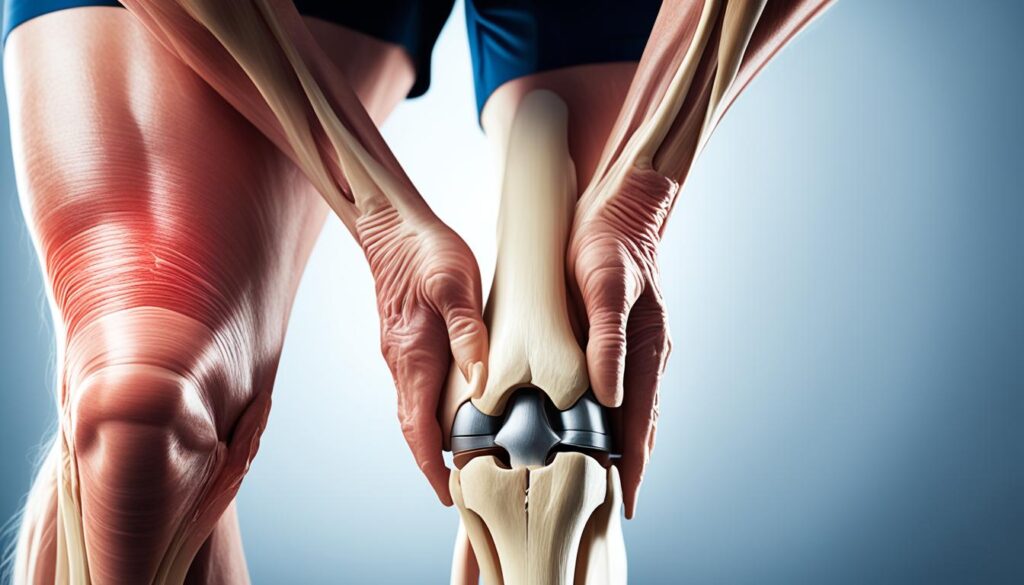
Proper diagnosis and treatment of osteoarthritis are crucial in managing knee pain and improving overall joint health. It is important to consult with a healthcare professional who can provide an accurate diagnosis and create a personalized treatment plan. Treatment options may include pain management strategies, physical therapy, lifestyle modifications, and in severe cases, surgical interventions.
By recognizing osteoarthritis as a hidden cause of knee pain and addressing it promptly, individuals can take proactive steps toward finding relief and improving their quality of life.
Plica Syndrome and Knee Buckling
Plica syndrome is a lesser-known cause of knee pain and instability that often goes undiagnosed. It occurs when the synovial plicae in the knee, which are folds of tissue that help with joint movement, become thickened and irritated. This thickening can cause friction and irritation of the cartilage, leading to pain and discomfort.
Individuals with plica syndrome may experience a range of symptoms, including:
- Pain: Persistent or intermittent pain in the front or inner side of the knee.
- Swelling: Swelling or inflammation around the affected area.
- Knee Instability: A feeling of knee instability, as if the knee may give way or buckle unexpectedly.
These symptoms can significantly impact an individual’s mobility and quality of life. However, proper diagnosis and treatment can help alleviate knee pain and restore stability.
The diagnosis of plica syndrome often involves a physical examination, medical history review, and imaging tests such as an MRI. Once diagnosed, treatment options may include:
- Conservative Measures: Non-surgical treatments such as rest, physical therapy, and anti-inflammatory medication may be recommended to reduce pain and inflammation.
- Corticosteroid Injections: In some cases, corticosteroid injections may be used to decrease inflammation and provide temporary relief.
- Surgical Intervention: In severe cases where conservative treatments fail, surgical intervention may be necessary to remove or repair the thickened plica.
It is important to note that plica syndrome is often misdiagnosed or overlooked, as its symptoms can mimic other knee conditions. Consulting with a qualified healthcare professional is essential for an accurate diagnosis and appropriate treatment plan.
Other Hidden Causes of Knee Pain
In addition to the previously mentioned causes, there are other hidden factors that can contribute to knee pain in adults. These factors, if left unidentified and untreated, can significantly impact an individual’s quality of life. Let’s explore two of these hidden causes: kneecap instability and nerve issues.
Kneecap Instability
Kneecap instability occurs when the kneecap, also known as the patella, moves out of its normal position during joint movement. This condition can lead to pain, discomfort, and a feeling of knee instability. Kneecap instability can result from factors such as muscle imbalances, trauma, or structural abnormalities.
“Kneecap instability can be a challenging condition to diagnose and treat. It often requires a thorough evaluation by a healthcare professional experienced in managing patellar instability. Treatment options may include physical therapy, bracing, and in some cases, surgery.”
Proper identification and management of kneecap instability are crucial to alleviate pain and prevent further damage to the knee joint.
Nerve Issues
Nerve issues can also be a hidden cause of knee pain. Pinching or compression of nerves in the spine, such as the sciatic nerve, can radiate pain down the leg and affect the knee joint. Nerve-related knee pain may present as sharp, shooting, or burning sensations.
It is important to note that nerve issues can be complex and may require a thorough evaluation by a healthcare professional specializing in neurology or orthopedics. Proper diagnosis and treatment of the underlying nerve issue are essential for effectively managing knee pain.
By addressing hidden causes such as kneecap instability and nerve issues, individuals can take proactive steps toward managing their knee pain effectively. Seeking medical advice and treatment from a healthcare professional is crucial in devising a personalized plan for pain relief and improved knee function.
Preventative Measures for Knee Pain
Taking preventive measures can help reduce the risk of knee pain. By incorporating knee exercises, maintaining a healthy weight, and embracing a healthy lifestyle, individuals can support their knee health and reduce the likelihood of pain and discomfort.
Strengthening Knee Muscles through Exercises
To promote stability and prevent knee pain, it’s crucial to strengthen the muscles surrounding the knees. The following exercises can be effective:
- Squats: Perform squats by standing with feet shoulder-width apart, bending the knees, and lowering the body while keeping the back straight. This exercise targets the thigh muscles and helps promote knee stability.
- Hamstring Curls: Stand with feet hip-width apart and slowly lift one foot toward the buttocks, bending the knee. This exercise targets the hamstring muscles, which play a vital role in knee support.
- Calf Raises: Stand with feet shoulder-width apart and slowly rise onto the balls of the feet, lifting the heels as high as possible. This exercise engages the calf muscles, which contribute to overall lower leg strength and stability.
- Glute Bridges: Lie on your back with knees bent and feet flat on the floor. Lift the hips while engaging the gluteal muscles, forming a straight line from knees to shoulders. This exercise helps improve hip and core stability, indirectly supporting knee health.
By incorporating these exercises into a regular fitness routine, individuals can strengthen the muscles around the knee joint and promote overall stability.
Weight Management for Healthy Knees
Maintaining a healthy weight is crucial for reducing the stress on the knees. Excessive weight places additional pressure on the knees, increasing the risk of pain and joint damage. By adopting a well-balanced diet and engaging in regular physical activity, individuals can manage their weight effectively and support their knee health.
A Healthy Lifestyle for Optimal Knee Health
Taking care of the body as a whole through a healthy lifestyle can have significant benefits for knee health. Engaging in regular physical activity not only helps with weight management but also promotes cardiovascular health and improves joint flexibility. Incorporating low-impact exercises, such as swimming or cycling, can be particularly beneficial for individuals with existing knee issues.
“Physical activity is essential for overall health and can have positive effects on knee function. Finding activities that are enjoyable and sustainable is key.”
Adopting a healthy lifestyle also includes adequate rest and recovery to prevent overuse injuries and minimize the risk of knee pain. Incorporating stretching exercises, such as yoga or Pilates, can improve flexibility and relieve tension in the muscles surrounding the knees.
Remember, knee pain prevention is an ongoing process that requires commitment and consistency. By prioritizing knee exercises, weight management, and adopting a healthy lifestyle, individuals can proactively reduce the risk of knee pain and maintain optimal knee health.
Conclusion
Knee pain in adults can be a complex issue with various hidden causes. From psychosocial factors to injuries and osteoarthritis, understanding these underlying factors is crucial for effective pain management and improved joint health.
Addressing these hidden causes is key to finding knee pain relief and maintaining optimal joint function. By implementing preventive measures, individuals can proactively manage knee pain and reduce the risk of future discomfort.
Whether it’s through targeted exercises to strengthen supporting muscles, maintaining a healthy weight, or adopting a holistic approach to overall lifestyle, there are actionable steps we can take to manage knee pain. By staying proactive, individuals can prioritize joint health and find long-term relief from knee pain.
FAQ
What are the hidden causes of knee pain in adults?
Knee pain in adults can have various hidden causes, including psychosocial factors, injuries, osteoarthritis, and more. Understanding these underlying factors is essential for effective pain management and improved joint health.
How do psychosocial factors contribute to knee pain?
Studies have shown a strong relationship between psychosocial factors and knee pain. Depression has been found to play a significant role, while the relationship between anxiety and knee pain is less conclusive. Understanding these factors can help in developing a comprehensive approach to managing knee pain in adults.
What are common knee injuries that can lead to pain?
Knee pain can be caused by various injuries, such as ligament tears. ACL tears and meniscus tears, often occurring during sports activities, can result in knee instability and sudden buckling. Proper diagnosis and treatment of these injuries are essential for managing knee pain.
How does osteoarthritis contribute to knee pain?
Osteoarthritis is a common hidden cause of knee pain, affecting millions of adults in the United States. It is characterized by pain, stiffness, inflammation, and knee buckling. Chondromalacia patella, the wear of the kneecap cartilage, is a frequent contributor to knee buckling in individuals with osteoarthritis.
What is plica syndrome and how does it cause knee pain and instability?
Plica syndrome occurs when the lining of the knee thickens, leading to irritation of the cartilage. Symptoms include pain, swelling, and knee instability, which can result in knee buckling. Proper diagnosis and treatment can help alleviate knee pain and restore stability.
What other hidden causes contribute to knee pain?
In addition to the previously mentioned causes, other hidden factors can contribute to knee pain, such as kneecap instability and poor tracking. Nerve issues, such as pinching in the spine, can also cause knee pain. Proper identification and treatment of these hidden causes are crucial for effective knee pain management in adults.
What preventive measures can be taken to reduce the risk of knee pain?
Taking preventive measures, such as strengthening the thigh, hamstring, calf, and gluteal muscles through exercises like squats, can promote stability and reduce the likelihood of knee pain. Maintaining a healthy weight is also important, as excessive weight places added stress on the knees. Adopting a healthy lifestyle, including a balanced diet and regular physical activity, can help prevent knee pain in adults.