
Knees Hurt to Walk? Causes and Treatment Options
Knee pain is a common complaint that affects people of all ages. It can be caused by a variety of factors, including injuries, medical conditions, and wear and tear. Knee pain can range from mild discomfort to severe pain that limits your ability to move and perform daily activities.

Understanding the causes and symptoms of knee pain is important for proper diagnosis and treatment. The knee joint is one of the largest and most complex joints in the body, made up of bones, cartilage, ligaments, and tendons. Any damage or injury to these structures can cause knee pain.
Key Takeaways
- Knee pain can be caused by a variety of factors and can range from mild discomfort to severe pain.
- Understanding the anatomy of the knee is important for proper diagnosis and treatment of knee pain.
- Damage or injury to the bones, cartilage, ligaments, and tendons in the knee joint can cause knee pain.
Understanding Knee Pain
Knee pain is a common complaint that affects people of all ages. It can occur suddenly or develop gradually over time. Knee pain can be caused by a variety of factors, including injuries, medical conditions, and chronic wear and tear.
Symptoms of knee pain can vary depending on the underlying cause. Common symptoms include:
- Pain, swelling, and stiffness in the knee joint
- Difficulty walking or standing
- Limited range of motion
- Grinding or popping sensations in the knee
- Redness or warmth around the knee joint
There are many possible causes of knee pain. Some common causes include:
- Injuries, such as sprains, strains, and fractures
- Torn ligaments or cartilage
- Arthritis, including osteoarthritis and rheumatoid arthritis
- Gout, a type of arthritis caused by a buildup of uric acid crystals in the joint
- Infections, such as septic arthritis
- Overuse or repetitive strain injuries, such as runner’s knee or jumper’s knee
- Obesity, which can put extra stress on the knee joint
Chronic knee pain can significantly impact a person’s quality of life. It can limit mobility and make it difficult to perform daily activities. If you are experiencing chronic knee pain, it is important to seek medical attention to determine the underlying cause and develop an appropriate treatment plan.
In some cases, self-care measures can help alleviate knee pain. These may include:
- Resting and elevating the affected knee
- Applying ice or heat to the knee
- Taking over-the-counter pain medications, such as acetaminophen or ibuprofen
- Wearing supportive shoes or braces
- Doing exercises to strengthen the muscles around the knee joint
In more severe cases, medical treatment may be necessary. This may include physical therapy, corticosteroid injections, or surgery.
Overall, knee pain is a common condition that can have many different causes. If you are experiencing knee pain, it is important to seek medical attention to determine the underlying cause and develop an appropriate treatment plan.
Anatomy of the Knee
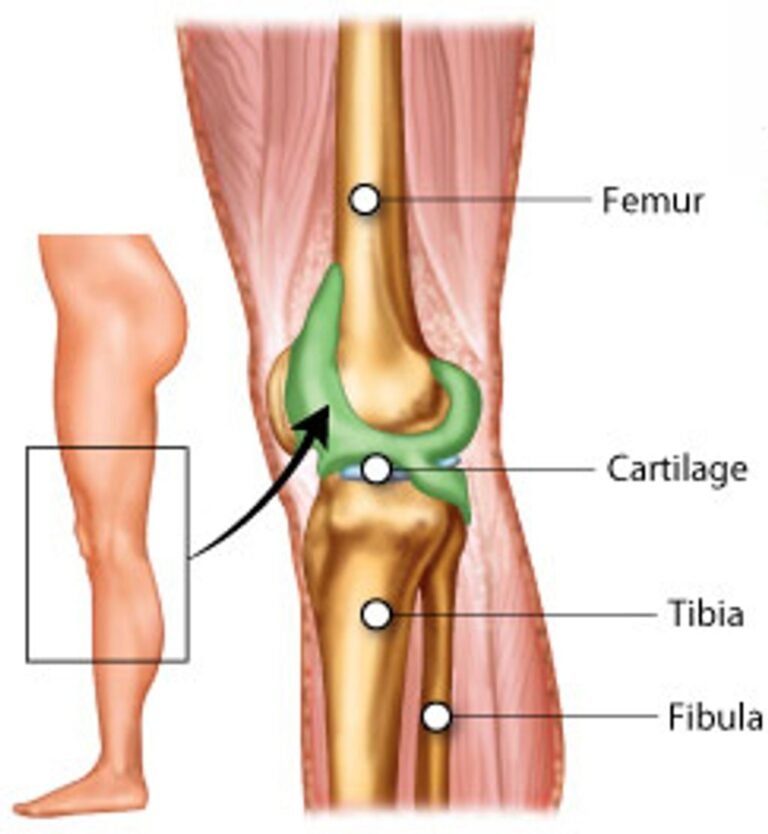
The knee is a complex joint that connects the thighbone (femur) to the shinbone (tibia). It is the largest joint in the body and is responsible for supporting our body weight and allowing us to walk, run, jump, and pivot. The knee joint is made up of bones, tendons, ligaments, cartilage, and bursae that work together to provide stability and mobility.
Bones and Joints
The knee joint is made up of three bones: the femur, tibia, and patella (kneecap). The femur is the long bone in the thigh, while the tibia is the large bone in the shin. The patella is a small, triangular bone that sits in front of the knee joint. The knee joint is a hinge joint, which means it can bend and straighten like a door hinge. The joint is held together by a joint capsule, which is a thin, fibrous sac that surrounds the joint.
Tendons and Ligaments
Tendons are tough, fibrous cords that connect muscles to bones. The patellar tendon connects the kneecap to the shinbone, while the quadriceps tendon connects the quadriceps muscles to the kneecap. Ligaments are strong, fibrous bands that connect bones to other bones. The knee joint has four main ligaments: the anterior cruciate ligament (ACL), posterior cruciate ligament (PCL), medial collateral ligament (MCL), and lateral collateral ligament (LCL). These ligaments provide stability to the knee joint and help prevent excessive movement in any direction.
Cartilage and Menisci
Cartilage is a tough, rubbery tissue that covers the ends of bones. The knee joint has two types of cartilage: articular cartilage and meniscal cartilage. Articular cartilage covers the ends of the femur, tibia, and patella, allowing the bones to glide smoothly against each other. Meniscal cartilage is located between the femur and tibia and acts as a shock absorber, helping to distribute weight and reduce friction in the knee joint.
Bursae and Muscles
Bursae are small, fluid-filled sacs that cushion and lubricate joints. The knee joint has several bursae that help reduce friction between the bones, tendons, and ligaments. The muscles around the knee joint include the quadriceps, hamstrings, and calf muscles. These muscles work together to move the knee joint and provide stability to the knee.
In summary, the knee joint is a complex structure made up of bones, tendons, ligaments, cartilage, and bursae that work together to provide stability and mobility. Understanding the anatomy of the knee is important for anyone experiencing knee pain or injury, as it can help guide diagnosis and treatment.
Common Causes of Knee Pain

Knee pain is a common complaint that affects people of all ages. There are many different causes of knee pain, including injuries, arthritis, and overuse. In this section, we will discuss some of the most common causes of knee pain.
Injuries and Trauma
One of the most common causes of knee pain is injury or trauma to the knee. This can include a dislocated knee, torn cartilage, torn meniscus, dislocated kneecap, or fracture. Knee injuries can be caused by a variety of factors, including sports, falls, and car accidents.
Arthritis and Other Diseases
Arthritis is another common cause of knee pain. Osteoarthritis is the most common form of arthritis that affects the knee. It is a degenerative disease that occurs when the cartilage in the knee joint wears down over time. Rheumatoid arthritis is another type of arthritis that can affect the knee joint. Other diseases that can cause knee pain include gout and infections.
Overuse and Stress
Overuse and stress are also common causes of knee pain. This can include tendinitis, which is an inflammation of the tendons that attach muscles to bones. Patellar tendinitis, also known as jumper’s knee, is a type of tendinitis that affects the patellar tendon. This condition is common in athletes who participate in sports that require a lot of jumping or running.
In conclusion, knee pain can be caused by a variety of factors, including injuries, arthritis, and overuse. If you are experiencing knee pain, it is important to see a doctor to determine the cause and get the appropriate treatment.
Diagnosis of Knee Pain

When it comes to diagnosing knee pain, a physical examination is usually the first step. During the exam, a doctor will check for redness, swelling, stiffness, and any signs of fever. They will also ask about the patient’s medical history and any recent injuries or activities that may have caused the pain.
Physical Examination
During a physical examination, the doctor will check the knee’s range of motion, strength, and stability. They may also perform specific tests to check for ligament or meniscus injuries. These tests can include the Lachman test, pivot shift test, and McMurray test.
Imaging Tests
If the physical examination does not provide enough information, the doctor may order imaging tests such as an X-ray, MRI, or CT scan. X-rays can help diagnose fractures or arthritis, while MRIs and CT scans can provide more detailed images of soft tissue injuries.
In some cases, a doctor may also perform an arthroscopy, which is a minimally invasive procedure that allows them to look inside the knee joint and diagnose any issues.
Overall, it is important to see a doctor if you are experiencing knee pain. They can help diagnose the issue and provide appropriate treatment to help alleviate the pain and prevent further damage.
Treatment and Management of Knee Pain
If you are experiencing knee pain, there are several treatment options available to help manage and alleviate your symptoms. In this section, we will discuss the different types of treatments available for knee pain, including medications and therapies, surgery and knee replacement, and home remedies and lifestyle changes.
Medications and Therapies
Medications can be an effective way to manage knee pain. Over-the-counter pain relievers such as ibuprofen, naproxen, and acetaminophen can help reduce inflammation and pain. Your doctor may also prescribe stronger pain medications if your pain is severe.
Physical therapy can also be helpful in managing knee pain. Strengthening exercises can help stabilize the knee joint, while range-of-motion exercises can help improve flexibility and reduce stiffness.
Surgery and Knee Replacement
If your knee pain is severe and other treatments have not been effective, surgery may be necessary. Arthroscopy is a minimally invasive surgical procedure that can repair or remove damaged tissue in the knee joint. Knee replacement surgery is another option for those with severe knee pain. During this procedure, the damaged parts of the knee joint are replaced with artificial parts.
Home Remedies and Lifestyle Changes
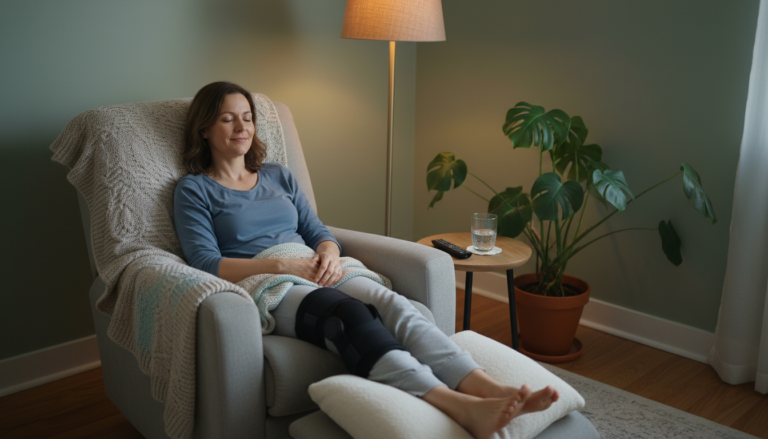
There are several home remedies and lifestyle changes that can help manage knee pain. Resting the affected knee and applying ice can help reduce inflammation and pain. Weight loss can also help alleviate knee pain, as excess weight puts additional stress on the knee joint. Wearing a knee brace or compression sleeve can provide support and reduce pain during physical activity. Stretching and doing exercises that strengthen the muscles around the knee can also help prevent knee pain.
In conclusion, there are several treatment options available for knee pain, including medications and therapies, surgery and knee replacement, and home remedies and lifestyle changes. It is important to speak with your doctor to determine the best course of treatment for your individual needs. With proper treatment and management, you can reduce your knee pain and improve your quality of life.
Risk Factors and Prevention
As we age, our knees become more vulnerable to injury and pain. Women are more likely to experience knee pain than men due to differences in anatomy and hormonal factors. However, men are more likely to experience knee injuries due to participation in contact sports and other high-impact activities.
Being overweight or obese can also increase the risk of knee pain and injury. Excess weight puts additional stress on the knee joints, which can lead to wear and tear over time. Maintaining a healthy weight through diet and exercise can help prevent knee pain and reduce the risk of injury.
Staying active is important for maintaining strong and healthy knees. However, it is important to engage in low-impact activities that are gentle on the knee joints. Activities such as swimming, cycling, and yoga can help improve knee strength and flexibility without putting excessive stress on the joints.
Wearing proper protective gear, such as knee pads and supportive shoes, can also help prevent knee injuries during physical activity. Additionally, taking breaks and stretching regularly can help prevent overuse injuries and reduce the risk of knee pain.
In summary, there are several risk factors that can increase the likelihood of knee pain and injury, including age, gender, weight, and physical activity. However, by maintaining a healthy weight, engaging in low-impact activities, wearing proper protective gear, and taking breaks and stretching regularly, we can help prevent knee pain and reduce the risk of injury.
Frequently Asked Questions
What are the common causes of knee pain?
Knee pain can be caused by a variety of factors, including injuries, overuse, and medical conditions. Some common causes of knee pain include:
- Osteoarthritis: This is the most common type of arthritis and is caused by “wear and tear” on the joints.
- Tendinitis: This is an overuse injury that results in inflammation of the tendons, which connect between your muscles and bones.
- Bursitis: This is an inflammation of the bursae, which are small sacs of fluid that cushion and lubricate the joints.
- Meniscus tears: These are tears in the cartilage that cushions the knee joint.
- Ligament injuries: These can include sprains and tears of the anterior cruciate ligament (ACL), medial collateral ligament (MCL), and posterior cruciate ligament (PCL).
How can I relieve knee pain at home?
There are several things you can do at home to relieve knee pain, including:
- Rest: Avoid activities that aggravate your knee pain and take breaks when needed.
- Ice: Apply ice to your knee for 15-20 minutes at a time, several times a day.
- Compression: Use a compression bandage or knee brace to support your knee and reduce swelling.
- Elevation: Elevate your knee above your heart to reduce swelling and promote healing.
- Pain relievers: Over-the-counter pain relievers like acetaminophen and ibuprofen can help relieve knee pain.
What exercises can help with knee pain?
There are several exercises that can help relieve knee pain, including:
- Straight leg raises
- Hamstring curls
- Wall squats
- Step-ups
- Calf raises
- Leg presses
It’s important to talk to your doctor or physical therapist before starting any exercise program.
What are the symptoms of serious knee pain?
Serious knee pain can be accompanied by several symptoms, including:
- Swelling and stiffness
- Redness and warmth to the touch
- Weakness or instability
- Popping or crunching noises
- Inability to fully straighten or bend your knee
If you experience any of these symptoms, it’s important to see a doctor.
What are the best painkillers for knee pain?
Over-the-counter pain relievers like acetaminophen and ibuprofen can help relieve knee pain. If your knee pain is severe, your doctor may prescribe stronger pain medication.
When should I see a doctor for knee pain?
You should see a doctor for knee pain if:
- Your knee pain is severe or doesn’t improve with home remedies
- You have swelling or redness around your knee
- You have a fever or chills
- You can’t put weight on your knee
- You have a deformity in your knee



7 Comments