Overcome Knee Pain When Bending And Going Down Stairs
Are you struggling with knee pain when bending and going down stairs? You’re not alone. Many individuals experience discomfort and difficulty when navigating stairs due to the forces exerted on the knee joint and kneecap. In fact, going up and down stairs can put 2.5 times and 3.5 times bodyweight, respectively, on the knee joint and kneecap, leading to knee pain.
There are several causes of knee pain on stairs, including muscle weakness, wear and tear, knee injury, kneecap damage, altered biomechanics, and inflammation. Understanding the specific cause of your knee pain is essential for effective treatment and management.
But don’t worry, there are simple strategies that can help reduce knee pain on stairs and make your daily activities more comfortable. By implementing these tips, you can alleviate knee pain and regain your freedom of movement when climbing stairs:
Key Takeaways:
- Take one step at a time and distribute your weight evenly to reduce stress on the knee.
- Lead with the correct leg when going up or down stairs to minimize knee flexion and pain.
- Use handrails or crutches for support and stability while climbing stairs.
- Warm up the knee joint before tackling stairs by performing gentle bending and straightening exercises.
- Improve muscle strength, particularly in the quadriceps and hamstrings, to provide better support for the knee.
Understanding the Causes of Knee Pain on Stairs
Knee pain on stairs can be caused by various factors that can contribute to discomfort and difficulty. It is essential to identify the specific cause of knee pain to develop an effective treatment plan.
Muscle Weakness
One of the causes of knee pain on stairs is muscle weakness in the knee muscles, such as the quadriceps and hamstrings. When these muscles are weak, they are unable to provide adequate support to the knee joint, leading to pain and instability.
Wear and Tear
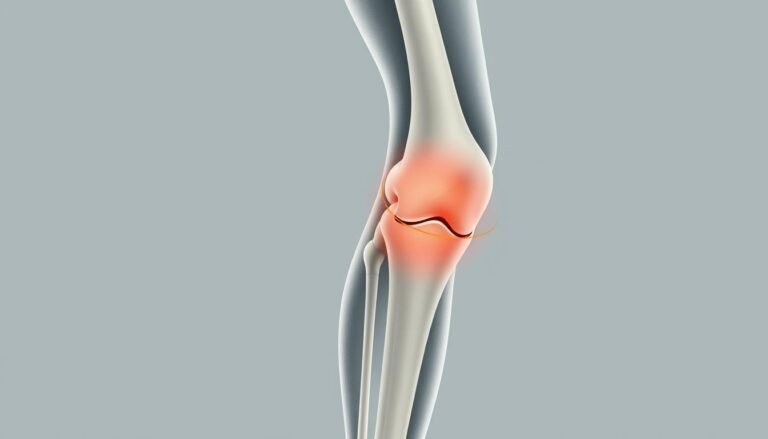
Wear and tear of the knee bones and cartilage, known as osteoarthritis, is another common cause of knee pain on stairs. As the cartilage breaks down, the knee joint can become inflamed and painful, especially during weight-bearing activities like stair climbing.
Knee Injury
Knee injuries, such as ligament tears or meniscus damage, can also result in knee pain when going up or down stairs. These injuries can cause instability and abnormal movement patterns, leading to increased stress on the knee joint.
Kneecap Damage
Thinning of the cartilage behind the kneecap, known as kneecap damage, can lead to knee pain on stairs. When the cartilage is damaged, the kneecap may not glide smoothly over the knee joint, causing friction and discomfort during stair climbing.
Altered Biomechanics
Abnormal foot position or hip angles can lead to altered biomechanics, which can increase the forces on the knee joint and cause pain. Poor alignment and movement patterns can put additional stress on the knee, especially when going up or down stairs.
Inflammation
Inflammation in the knee joint can make it difficult to navigate stairs without pain. Conditions such as synovitis or rheumatoid arthritis can cause inflammation, leading to discomfort and limited mobility.
By understanding the causes of knee pain on stairs, individuals can take appropriate steps to address the underlying issues and find relief. Consulting with a healthcare professional is recommended for an accurate diagnosis and personalized treatment plan.

Tips to Reduce Knee Pain on Stairs
Reducing knee pain on stairs can significantly improve your mobility and comfort. Here are some tips to help alleviate knee pain and make navigating stairs easier:
1. Take One Step at a Time
When climbing or descending stairs, try to take one step at a time. This means moving one foot onto the next step before bringing the other foot down. By reducing the stress on your knee, this technique can help alleviate pain.
2. Lead with the Correct Leg
When going up or down stairs, lead with the leg that feels more comfortable. For example, if your left knee is in pain, lead with your right leg when going up or down stairs. This can help minimize knee flexion and reduce discomfort.
3. Use Handrail for Support
To distribute weight and reduce the strain on your knee, make use of handrails or walls for support as you navigate stairs. This will help you maintain balance and alleviate the pressure on your knee joints.
4. Consider Using a Crutch or Stick
If you’re experiencing significant knee pain on stairs, using a crutch or stick can provide additional support and decrease discomfort. It can help offload some of the pressure from your knee, making stair climbing easier.
5. Warm Up Your Knee
Before tackling stairs, it’s important to warm up your knee joint. Spend a few minutes bending and straightening your knee to lubricate the joint and reduce stiffness. This simple warm-up routine can help make stair climbing more comfortable.
6. Improve Muscle Strength
Strengthening the muscles around your knee, particularly the quadriceps and hamstrings, can provide better support and reduce knee pain on stairs. Incorporate exercises that target these muscles into your routine to improve muscle strength.

Implementing these tips can help you reduce knee pain on stairs and make your daily activities more manageable. Remember, it’s important to listen to your body and consult with a healthcare professional for personalized advice and guidance.
Using Crutches/Sticks to Reduce Knee Pain on Stairs
Crutches or sticks can be invaluable tools in reducing knee pain when navigating stairs. By using the correct technique and warm-up exercises, you can minimize strain on your knees and make stair climbing more comfortable. Here’s how:
Correct Technique
When ascending stairs with crutches or sticks, start by stepping up with your good leg first. Then, bring your affected leg along with the crutch/stick up to the same step. This technique helps distribute your weight evenly and reduces strain on your knee. Always remember to keep the crutch/stick with the leg that is experiencing pain.
When descending stairs, place the crutch/stick on the step below. Step down with your affected leg first, followed by bringing your good leg down to the same step. This method provides better support and stability while minimizing knee flexion and discomfort.
Remember to move at a pace that is comfortable for you, taking one step at a time and using handrails for added support if needed.
Warm-up Exercises
Prior to climbing stairs, it’s important to warm up your knee joint with the assistance of crutches or sticks. Performing simple bending and straightening exercises for a few minutes can help lubricate the joint, improve mobility, and reduce stiffness.
Tip: Gently bend and straighten your knee several times, allowing the crutch or stick to assist you in controlled movements. This warm-up routine prepares your knee for the activity ahead, making it easier to navigate stairs.
By incorporating these techniques into your stair-climbing routine, you can reduce knee pain and enhance your overall mobility.
| Benefits of Using Crutches/Sticks on Stairs |
|---|
| Minimizes strain on the knees Provides additional stability and support Helps distribute weight evenly Reduces knee flexion and discomfort Improves overall mobility while climbing stairs |
Importance of Warm-up and Muscle Strength for Knee Pain on Stairs
Performing warm-up exercises and strengthening the muscles around the knee can play a crucial role in reducing knee pain when climbing stairs. These simple yet effective strategies not only help alleviate discomfort but also improve overall knee function and mobility.
Before tackling a flight of stairs, it is essential to warm up the knee joint. This can be achieved by performing gentle bending and straightening exercises for a minute or two. This helps increase blood flow, lubricate the joint, and reduce stiffness, making the subsequent movement more comfortable. By incorporating a warm-up routine into your stair-climbing regimen, you can significantly reduce knee pain.
In addition to warming up, developing and maintaining good knee muscle strength is key to preventing pain and instability. Strengthening exercises that target the quadriceps and hamstrings can be particularly beneficial. A couple of effective exercises for improving knee muscle strength include:
- Sit to Stand Strengthening: Start by sitting on a chair with your feet flat on the floor. Then, stand up slowly and steadily using primarily the leg muscles. Repeat this movement for a set number of repetitions, gradually increasing as you build strength.
- Step Up Strengthening: Find a step or use a step stool that is secure and stable. Step one foot onto the step, followed by the other foot. Step back down one foot at a time. Repeat this exercise, alternating the starting leg to maintain balance and evenly distribute the workload.
Consistency is key when it comes to strengthening exercises. Start with a manageable number of repetitions and gradually increase the intensity and duration over time. It’s important to listen to your body and avoid overexertion.
By incorporating warm-up exercises and muscle-strengthening routines into your daily life, you can significantly reduce knee pain on stairs. These practices not only provide immediate relief but also contribute to long-term knee health and function.
Remember, always consult with a healthcare professional or physical therapist before starting any exercise regimen, especially if you have pre-existing knee conditions or injuries. They can provide personalized guidance and recommend the most appropriate exercises for your specific needs.
Common Knee Conditions that Cause Pain on Stairs
Knee pain on stairs can be attributed to various knee conditions. Proper diagnosis and treatment of these knee conditions are essential for managing pain and improving mobility. Some common knee conditions that can cause pain when climbing stairs include:
- Knee Osteoarthritis: This condition involves the breakdown of cartilage in the knee joint. It can cause pain, stiffness, and swelling, making it difficult to navigate stairs comfortably.
- Patellofemoral Pain Syndrome: Also known as runner’s knee, this condition refers to pain at the front of the knee. It can be aggravated by stair climbing, leading to discomfort and difficulty.
- Muscle Strains: Strained muscles around the knee can result in pain, especially when putting weight on the leg while climbing stairs.
- IT Band Syndrome: Inflammation of the IT band, a thick band of tissue that runs along the outside of the thigh, can cause knee pain on stairs.
- Ligament Injuries: Injuries to the knee ligaments, such as the ACL or MCL, can lead to instability and pain when putting pressure on the knee joint, such as when climbing stairs.
- Compensation Injuries: Altered gait due to foot or ankle injury can result in compensation injuries, where the knee is affected by the way weight is distributed during stair climbing.
Understanding the specific knee condition causing the pain is crucial for developing an effective treatment plan. Consultation with a healthcare professional is recommended to determine the appropriate course of action.
Treatment Options for Managing Knee Pain on Stairs
When it comes to managing knee pain on stairs, a variety of treatment options are available. These options aim to alleviate pain, reduce inflammation, improve mobility, and provide support during stair climbing. Consulting with a healthcare professional is essential to determine the most appropriate treatment for your specific condition.
Rest, Ice, Compression, and Elevation (R.I.C.E.)
One of the first steps in managing knee pain on stairs is to implement the R.I.C.E. method. This involves:
- Rest: Taking a break from activities that exacerbate knee pain, especially stair climbing.
- Ice: Applying ice packs to the affected area for 15-20 minutes at a time, several times a day, to reduce inflammation and numb pain.
- Compression: Using compression bandages or knee braces to provide stability and reduce swelling.
- Elevation: Elevating the affected leg to decrease swelling and promote blood circulation.
Over-the-Counter (OTC) Medication
OTC non-steroidal anti-inflammatory drugs (NSAIDs), such as ibuprofen or naproxen, can be taken according to the recommended dosage to help alleviate pain and reduce inflammation in the knee.
Weight Management
Maintaining a healthy weight is crucial for managing knee pain on stairs. Excess weight puts additional strain on the knee joints, which can exacerbate pain and increase the risk of further damage. Incorporating a balanced diet and regular exercise into your routine can help achieve and maintain a healthy weight, reducing the impact on your knees.
Exercise and Physical Therapy
Exercise and physical therapy play a vital role in managing knee pain on stairs. Strengthening the muscles around the knee, particularly the quadriceps and hamstrings, can provide better support and stability. Your healthcare professional or a physical therapist can recommend specific exercises and create a tailored program to improve muscle strength and mobility, reducing knee pain when going up and down stairs.
Support Aids
Using support aids can provide additional stability and support when navigating stairs with knee pain. Braces, splints, and walkers can help reduce the strain on the knees and distribute weight more evenly.
Biomechanical Devices
Innovations in biomechanical devices, such as AposHealth, offer an alternative treatment option for managing knee pain on stairs. These devices use advanced technology to improve gait and optimize lower limb alignment, resulting in reduced knee pain during stair climbing. Consult your healthcare professional to determine if this option is suitable for you.
| Treatment Option | Benefits |
|---|---|
| Rest, Ice, Compression, and Elevation (R.I.C.E.) | – Provides temporary relief for knee pain – Reduces inflammation – Minimizes swelling |
| Over-the-Counter (OTC) Medication | – Alleviates pain – Reduces inflammation |
| Weight Management | – Reduces strain on the knees – Decreases pain and further damage risk |
| Exercise and Physical Therapy | – Strengthens knee muscles – Improves stability and mobility – Reduces knee pain on stairs |
| Support Aids | – Provides stability during stair climbing – Reduces strain on the knees |
| Biomechanical Devices | – Improves gait and lower limb alignment – Reduces knee pain during stair climbing |
Prescription Medication and Surgical Interventions
In severe cases of knee pain on stairs, prescription medication or surgical interventions may be necessary. Your healthcare professional will evaluate your condition and may recommend stronger pain medication or surgical procedures to address the underlying cause of the knee pain.
Remember, the information provided is for general guidance only, and individual treatment plans may vary. It is crucial to consult with a healthcare professional to receive an accurate diagnosis and tailored treatment options for managing knee pain on stairs effectively.
Conclusion
Knee pain when bending and going down stairs can have a significant impact on our daily lives, affecting mobility and overall quality of life. However, there are effective strategies to alleviate knee pain and improve our ability to navigate stairs comfortably. By understanding the causes of knee pain on stairs, we can take proactive measures to minimize discomfort and maximize our mobility.
Proper stair-climbing techniques are crucial in reducing knee pain. Taking one step at a time, leading with the correct leg, and utilizing handrails or crutches for support can help distribute weight and minimize strain. Warm-up exercises, such as gentle bending and straightening of the knee, can improve joint lubrication and flexibility, making stair climbing less painful. Strengthening the muscles around the knee, especially the quadriceps and hamstrings, can provide better support and stability.
Identifying specific knee conditions that may be causing pain on stairs is essential for targeted treatment. Seeking appropriate treatment options, such as physical therapy, can aid in pain management and promote healing. Supportive aids, including braces or splints, can provide additional support during stair climbing. It is important to remember that each individual’s experience with knee pain may vary, so consulting with a healthcare professional is vital for an accurate diagnosis and personalized treatment plan.
By adopting these strategies and seeking appropriate treatment, we can reduce knee pain on stairs, enhance our daily mobility, and improve our quality of life. Don’t let knee pain limit you – take proactive steps towards a pain-free stair-climbing experience.
FAQ
What causes knee pain when bending and going down stairs?
Knee pain on stairs can be caused by various factors, including muscle weakness, wear and tear, knee injury, kneecap damage, altered biomechanics, and inflammation.
How can I reduce knee pain when going down stairs?
There are several strategies to reduce knee pain on stairs. Taking one step at a time, leading with the correct leg, using handrails or crutches for support, warming up the knee joint, and improving muscle strength can all help alleviate knee pain.
Can using crutches or sticks help with knee pain on stairs?
Yes, using crutches or sticks can provide additional support and decrease knee pain when navigating stairs. It is important to follow the correct technique and warm up the knee joint before climbing stairs.
How can warm-up exercises help reduce knee pain on stairs?
Warm-up exercises before climbing stairs can help lubricate the knee joint and reduce stiffness, making movement more comfortable. They can also strengthen the muscles around the knee for better support.
What are some common knee conditions that cause pain on stairs?
Knee pain on stairs can be attributed to knee osteoarthritis, patellofemoral pain syndrome, muscle strains, IT band syndrome, ligament injuries, and compensation injuries resulting from altered gait due to foot or ankle injury.
What treatment options are available for knee pain on stairs?
Treatment options for knee pain on stairs may include rest, ice, compression, and elevation (R.I.C.E.), over-the-counter non-steroidal anti-inflammatory drugs (NSAIDs), weight management, exercise and physical therapy, support aids, biomechanical devices, prescription medication, or surgical interventions.
How can I overcome knee pain when bending and going down stairs?
By understanding the causes of knee pain on stairs and implementing strategies such as proper stair-climbing techniques, warm-up exercises, muscle strengthening, and seeking appropriate treatment options, individuals can reduce knee pain and improve their ability to navigate stairs comfortably.