Knee Pain When Going Down Stairs? Get Relief Tips!
Are you experiencing knee pain when going down stairs? Don’t worry, you’re not alone. This common issue can be caused by various factors, including muscle weakness, wear and tear, knee injury, and inflammation. It’s important to understand the root cause of your knee pain in order to find the right treatment.
Thankfully, there are simple strategies you can implement to reduce knee pain and find relief when navigating stairs. In this article, we’ll explore the causes of knee pain on stairs, provide tips to beat the discomfort, discuss knee pain conditions, and highlight treatment options. Whether you’re dealing with occasional knee pain or chronic discomfort, we’ve got you covered.
Key Takeaways:
- Identify the cause of your knee pain when going down stairs to determine the appropriate treatment.
- Simple strategies like leading with the correct leg, using handrails, and using supportive aids can help alleviate knee pain.
- Exercises to improve knee strength, maintaining a healthy weight, and warming up the knee can contribute to relief.
- Knee pain on stairs can be a symptom of various knee conditions; consulting with a healthcare professional is essential for proper diagnosis and treatment.
- Treatment options for knee pain on stairs include rest, medication, physical therapy, and in some cases, surgery.
Causes of Knee Pain on Stairs
Knee pain on stairs can be a debilitating issue, making everyday activities challenging and uncomfortable. Understanding the causes behind knee pain on stairs is essential in order to find the appropriate treatment methods and alleviate discomfort. Here are some common factors that can contribute to knee pain when going up or down stairs:
- Muscle Weakness: Weak muscles surrounding the knee joint can result in imbalanced forces during stair climbing, leading to pain and discomfort.
- Wear and Tear: Over time, the knee bones and cartilage may experience degeneration and wear, causing pain and inflammation when subjected to the impact of stair climbing.
- Knee Injury: Previous injuries, such as ligament tears or fractures, can weaken the knee joint and make it more susceptible to pain on stairs.
- Thinning of Kneecap Cartilage: The thinning or softening of the cartilage beneath the kneecap, called chondromalacia patella, can result in pain when the knee bends during stair negotiation.
- Abnormal Foot Position and Hip Angles: Poor foot alignment and abnormal hip angles can place additional stress on the knee joint, leading to pain on stairs.
- Inflammation in the Knee Joint: Conditions such as arthritis or tendinitis can cause inflammation in the knee joint, resulting in pain and discomfort while climbing stairs.
Identifying the specific cause of your knee pain on stairs is crucial for developing an effective treatment plan. Consulting with a healthcare professional, such as an orthopedic specialist, can help determine the underlying cause and provide personalized guidance in managing knee pain.
With proper understanding of the causes and appropriate treatment methods, it is possible to find relief from knee pain on stairs and regain the ability to move with ease. Let’s explore effective tips and strategies to beat knee pain on stairs in the next section.
Tips to Beat Knee Pain on Stairs
If you’re experiencing knee pain on stairs, don’t worry – there are several tips and strategies that can help alleviate your discomfort and improve your mobility. By following these simple recommendations, you can find relief and get back to enjoying your daily activities.
1. Take one step at a time:
When climbing up or down stairs, it’s important to take it slow and focus on each step. Rushing can increase the impact on your knees, leading to more pain and discomfort. By taking one step at a time, you can reduce the strain on your knee joints and minimize the risk of injury.
2. Lead with the correct leg:
When going up or down stairs, it’s important to lead with the leg that is stronger or less painful. This helps distribute the weight more evenly and reduces the strain on the weaker or more painful knee. By being mindful of which leg you lead with, you can minimize the discomfort and stress on your knees.
3. Use the handrail for support:
The handrail is your best friend when it comes to managing knee pain on stairs. By holding onto the handrail, you can provide extra support and stability, reducing the stress on your knees. Make it a habit to always use the handrail when going up or down stairs, especially if you’re experiencing knee pain.
4. Consider using a crutch or stick:
If your knee pain is severe, using a crutch or stick can provide additional support and relieve some of the weight-bearing pressure on your knees. This can help reduce discomfort and allow you to navigate stairs with greater ease. Consult with a healthcare professional to determine if this option is appropriate for you.
5. Warm up your knees:
Before tackling a flight of stairs, it’s important to warm up your knees to increase blood flow and loosen the surrounding muscles and ligaments. Perform gentle knee stretches and rotations to prepare your joints for the activity ahead. This can help reduce the risk of knee pain and improve your overall mobility.
6. Strengthen your knees with exercises:
Engaging in exercises that target and strengthen the muscles surrounding your knees can help alleviate pain and improve knee function. Sit-to-stand exercises, where you transition from a seated position to standing, and step-ups, where you step onto an elevated platform, can help build knee strength and stability. Consult with a physical therapist or healthcare professional for a personalized exercise plan.
7. Maintain a healthy weight:
Excess weight puts additional strain on your knee joints, exacerbating knee pain. By maintaining a healthy weight, you can reduce the impact on your knees and decrease the likelihood of experiencing pain on stairs. Adopting a balanced diet and engaging in regular physical activity can contribute to weight management and overall knee health.
8. Consult with a healthcare professional:
If you’re experiencing persistent knee pain on stairs, it’s important to seek guidance from a healthcare professional. They can provide a proper diagnosis, recommend specific treatments, and offer tailored advice based on your unique needs. Don’t hesitate to reach out for professional assistance in managing your knee pain.
By incorporating these tips and strategies into your daily routine, you can effectively manage knee pain on stairs and regain your freedom of movement. Remember to listen to your body, take it slow, and prioritize your knee health. With patience and perseverance, you can overcome knee pain and enjoy a more comfortable and active lifestyle.

Knee Pain Conditions When Going Down Stairs
Knee pain when going down stairs can be a symptom of various knee conditions. These conditions can cause pain, tenderness, inflammation, and limited range of motion in the knee joint. The most common knee pain conditions associated with going down stairs are:
1. Patellofemoral Pain Syndrome (PFPS)
Also known as runner’s knee, PFPS is characterized by pain in the front of the knee, especially when going down stairs or sitting for prolonged periods. It is often caused by overuse, muscle imbalances, or improper tracking of the kneecap.
2. Chondromalacia Patella
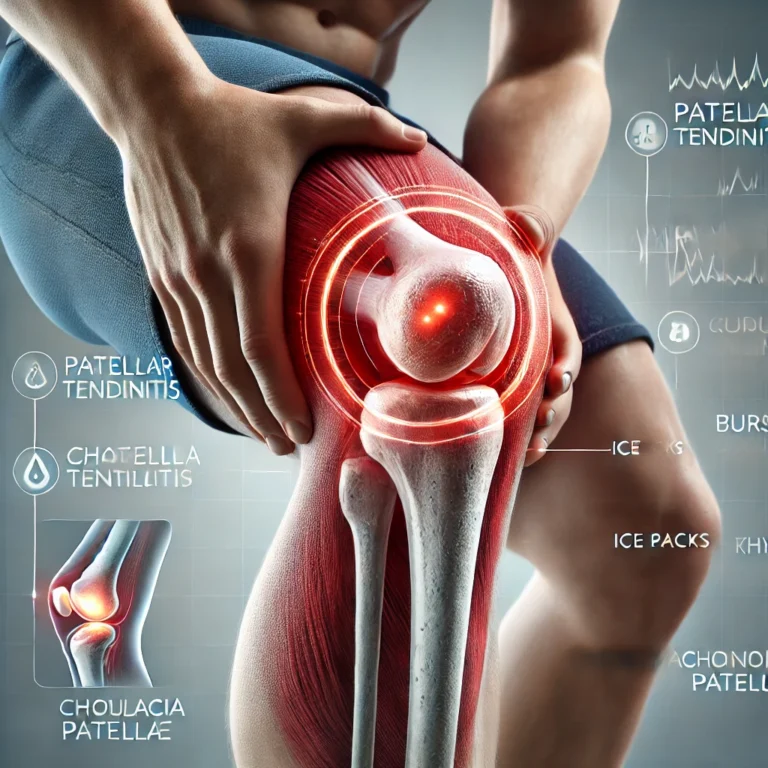
Chondromalacia patella refers to the softening and degeneration of the cartilage on the underside of the kneecap. This condition can cause pain, particularly when going down stairs or kneeling.
3. Osteoarthritis (OA)
Osteoarthritis is a degenerative joint disease that commonly affects the knees. It causes the cartilage in the knee joint to wear away, resulting in pain, stiffness, and difficulty with activities like stair climbing or descending.
4. Pes Anserine Bursitis
Pes anserine bursitis is the inflammation of the bursa located on the inner side of the knee, just below the joint. This condition can cause knee pain, especially when going down stairs or engaging in activities that involve bending the knee.
If you are experiencing knee pain when going down stairs, it is important to consult with a healthcare professional for a proper diagnosis and treatment plan. They can evaluate your symptoms, conduct any necessary tests, and recommend appropriate interventions or therapies to help alleviate your knee pain.

| Knee Pain Condition | Symptoms |
|---|---|
| Patellofemoral Pain Syndrome (PFPS) | Pain in the front of the knee, especially when going down stairs or sitting for prolonged periods |
| Chondromalacia Patella | Pain when going down stairs or kneeling, softening and degeneration of kneecap cartilage |
| Osteoarthritis (OA) | Pain, stiffness, and difficulty with activities like stair climbing or descending |
| Pes Anserine Bursitis | Knee pain, especially when going down stairs or bending the knee |
Knee Pain When Going Up Stairs
While the focus of this article is knee pain when going down stairs, it is worth mentioning that some individuals may also experience knee pain when going up stairs. This can be attributed to various causes, including:
- Patellofemoral pain syndrome
- Chondromalacia patella
- Osteoarthritis
- Ligament injuries
These conditions can lead to discomfort, tenderness, inflammation, and limited range of motion in the knee joint. It is important to identify the underlying cause of knee pain when going up stairs to determine the appropriate treatment methods.
When it comes to treating knee pain when going up stairs, the approach may overlap with that for knee pain when going down stairs. Some common treatment methods include:
- Rest and avoiding activities that aggravate the knee
- Ice therapy to reduce inflammation
- Non-steroidal anti-inflammatory drugs (NSAIDs) for pain relief
- Physical therapy exercises to strengthen the muscles around the knee
- Supportive aids such as knee braces or orthotics
In more severe cases, surgery or prescription medication may be recommended. It is crucial to consult with a healthcare professional for an accurate diagnosis and personalized treatment plan.
Quote:
“Effective treatment for knee pain when going up stairs requires a comprehensive approach that addresses the underlying cause of the pain and aims to improve knee function and alleviate discomfort.”
By adopting appropriate treatment methods and making necessary lifestyle modifications, individuals can find relief and manage knee pain when going up stairs more effectively.
| Treatment Methods | Benefits |
|---|---|
| Rest and avoiding activities that aggravate the knee | Allows the knee to heal and reduces further strain on the joint |
| Ice therapy | Reduces inflammation and provides temporary pain relief |
| Non-steroidal anti-inflammatory drugs (NSAIDs) | Controls pain and reduces inflammation in the knee joint |
| Physical therapy exercises | Strengthens the muscles around the knee, providing support and stability |
| Supportive aids (knee braces, orthotics) | Provides additional support and alignment for the knee joint |
Remember, everyone’s experience with knee pain is unique, and it is essential to consult with a healthcare professional for personalized advice and treatment options.
Understanding Knee Anatomy and Stair Impact
Understanding the anatomy of the knee joint is crucial when it comes to comprehending why stairs can cause knee pain. The knee joint consists of the femur (thighbone), tibia (shinbone), patella (kneecap), and fibula (calf bone). These structures are supported by ligaments and muscles, working together to facilitate smooth movement and stability.
When we climb up or down stairs, the patella slides over the femur, allowing the leg to bend and straighten. However, this repetitive motion can lead to discomfort and pain in the knee. The forces exerted on the knee during stair climbing can be substantial, especially when going down stairs. In fact, the force on the kneecap can be as high as 3.5 times the body weight, putting significant stress on the knee joints.
To better understand the impact of stair climbing on the knee, let’s take a closer look:
| Activity | Impact on Knee Joint |
|---|---|
| Climbing Up Stairs | Putting pressure on the quadriceps muscles and the patellar tendon |
| Descending Stairs | Exerting force on the kneecap, potentially leading to patellofemoral pain syndrome (PFPS) |
| Side Steps on Stairs | Causing additional strain on the knee joint due to the lateral movement |
As the image above illustrates, the knee is a complex joint with various components working together to support movement. The interaction between the bones, ligaments, muscles, and tendons is delicate, and any disruption or excessive stress on these structures can result in knee pain.
Implications for Knee Pain
When climbing up or down stairs, the impact on the knee joint can exacerbate any existing knee pain or contribute to the development of new symptoms. Common knee conditions, such as patellofemoral pain syndrome (PFPS), can be aggravated by stair climbing due to the increased forces and repetitive motion involved.
“The forces exerted on the knee joint during stair climbing can lead to discomfort and potential injury, especially in individuals with pre-existing knee conditions.”
Understanding the relationship between knee anatomy and the impact of stair climbing is essential in managing knee pain and preventing further injury. By taking proper precautions, implementing exercises to strengthen the knee, and seeking appropriate medical advice, individuals can reduce the risk of knee pain and ensure better knee health.
Treatment Options for Knee Pain on Stairs
When it comes to managing knee pain on stairs, there are several effective treatment options available. The specific course of treatment will depend on the underlying cause and severity of the pain. Here are some common treatment options to consider:
Rest, Ice, Compression, and Elevation (RICE)
Resting the affected knee, applying ice packs, compressing the area with a bandage, and elevating the leg can help reduce swelling and alleviate pain. This method is particularly effective for acute injuries or flare-ups.
Over-the-Counter Non-Steroidal Anti-Inflammatory Drugs (NSAIDs)
NSAIDs like ibuprofen or naproxen sodium can help reduce pain and inflammation associated with knee pain on stairs. However, it is important to follow the recommended dosage and consult with a healthcare professional if you have any underlying medical conditions or are taking other medications.
Weight Management
Excess body weight can put additional stress on the knee joint, exacerbating pain and discomfort. Maintaining a healthy weight through proper diet and regular exercise can help relieve pressure on the knees, reducing pain when climbing stairs.
Exercise and Physical Therapy
Specific exercises and physical therapy techniques can help strengthen the muscles around the knee joint, improving stability and reducing pain. Your healthcare professional or physical therapist can guide you in developing a personalized exercise program that targets your specific needs.
Supportive Aids and Biomechanical Devices
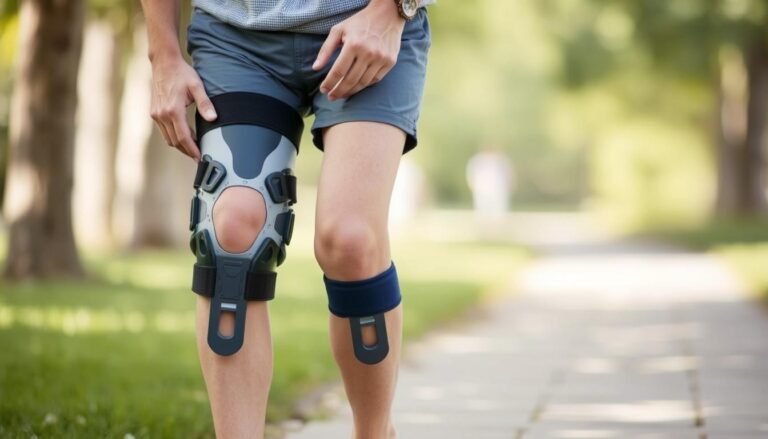
Using supportive aids such as knee sleeves, braces, or orthotic inserts can provide added stability and reduce strain on the knee joint. Additionally, biomechanical devices like crutches or canes can help redistribute weight and alleviate stress on the knees when climbing stairs.
Prescription Medication or Surgery
In more severe cases or when other treatment options have been unsuccessful, your healthcare professional may recommend prescription medication or surgical interventions. These options are typically reserved for chronic or severe knee pain on stairs that does not respond to conservative measures.
| Treatment Options | Description |
|---|---|
| Rest, Ice, Compression, and Elevation (RICE) | Resting the affected knee, applying ice packs, compressing the area with a bandage, and elevating the leg can help reduce swelling and alleviate pain. |
| Over-the-Counter Non-Steroidal Anti-Inflammatory Drugs (NSAIDs) | NSAIDs like ibuprofen or naproxen sodium can help reduce pain and inflammation associated with knee pain on stairs. |
| Weight Management | Maintaining a healthy weight through proper diet and regular exercise can help relieve pressure on the knees, reducing pain when climbing stairs. |
| Exercise and Physical Therapy | Specific exercises and physical therapy techniques can help strengthen the muscles around the knee joint, improving stability and reducing pain. |
| Supportive Aids and Biomechanical Devices | Using supportive aids such as knee sleeves, braces, or orthotic inserts can provide added stability and reduce strain on the knee joint. Additionally, biomechanical devices like crutches or canes can help redistribute weight and alleviate stress on the knees when climbing stairs. |
| Prescription Medication or Surgery | In more severe cases or when other treatment options have been unsuccessful, prescription medication or surgical interventions may be recommended. |
It is important to consult with a healthcare professional to determine the most suitable treatment plan for your specific condition. They can provide an accurate diagnosis and guide you through the appropriate steps to effectively manage and relieve knee pain on stairs.
Conclusion
Knee pain when going down stairs can significantly impact daily activities and quality of life. However, with a proper understanding of the causes and treatment options, it is possible to find relief and effectively manage knee pain on stairs.
Consult with a healthcare professional for an accurate diagnosis and personalized treatment plan. They can help determine the underlying cause of your knee pain and recommend appropriate remedies and management strategies. It’s important not to self-diagnose or self-medicate, as this may worsen the condition or delay proper treatment.
Implementing the tips and strategies mentioned in this article can also help alleviate knee pain and improve overall knee health. Taking one step at a time, leading with the correct leg when going up or down stairs, and using support aids like handrails or crutches can reduce the stress on the knee joint. Additionally, warming up the knee before activity, improving knee strength through exercises, and maintaining a healthy weight are essential for knee pain relief and management.
Remember, managing knee pain on stairs is a comprehensive process that may involve a combination of treatments tailored to your specific condition. With the right approach, you can regain mobility, reduce pain, and enjoy a more active lifestyle. Take charge of your knee health today!
FAQ
What are the causes of knee pain on stairs?
Knee pain on stairs can be caused by various factors, including muscle weakness, wear and tear, knee injury, kneecap damage, altered biomechanics, and inflammation.
What are some tips to alleviate knee pain on stairs?
Taking one step at a time, leading with the correct leg when going up or down stairs, using the handrail for support, and using a crutch or stick can help reduce the stress on the knee joint and minimize pain. Warming up the knee, improving knee strength through exercises, and maintaining a healthy weight can also contribute to knee pain relief on stairs.
What knee conditions can cause pain when going down stairs?
Knee pain when going down stairs can be a symptom of various knee conditions, including patellofemoral pain syndrome (PFPS), chondromalacia patella, osteoarthritis (OA), and pes anserine bursitis.
Can knee pain also occur when going up stairs?
Yes, knee pain when going up stairs can be caused by conditions such as patellofemoral pain syndrome, chondromalacia patella, osteoarthritis, and ligament injuries.
How does the anatomy of the knee joint contribute to knee pain on stairs?
When climbing up or down stairs, the forces exerted on the knee can cause discomfort and pain as the patella slides over the femur. The force on the kneecap is 3.5 times the body weight when going down stairs, which can lead to knee pain.
What are the treatment options for knee pain on stairs?
Treatment options for knee pain on stairs can include rest, ice, compression, and elevation (RICE), over-the-counter non-steroidal anti-inflammatory drugs (NSAIDs), weight management, exercise and physical therapy, supportive aids, biomechanical devices, and, in some cases, prescription medication or surgery.
How can I find relief from knee pain on stairs?
Consult with a healthcare professional for an accurate diagnosis and personalized treatment plan. Implementing the tips and strategies mentioned in this article, such as using proper technique and practicing knee-strengthening exercises, can also help alleviate knee pain and improve overall knee health.
Are there any home remedies for knee pain on stairs?
While there are no specific home remedies for knee pain on stairs, maintaining a healthy weight, staying active, and doing exercises to strengthen the knee muscles can help reduce knee pain and prevent further damage.
Can knee pain on stairs be prevented?
While it may not always be possible to prevent knee pain on stairs, there are some preventive measures you can take. These include maintaining a healthy weight, avoiding excessive or repetitive stress on the knees, wearing proper footwear, and practicing good posture and body mechanics when going up or down stairs.