

Living with Knee Pain: Understanding Arthritis
Arthritis is a common condition that affects the joints, particularly the knees. It can cause pain, stiffness, and difficulty in performing daily activities. Understanding arthritis is crucial in managing the symptoms and improving the quality of life. This article explores the different types of arthritis, its causes, symptoms, diagnosis, and various strategies to live with arthritis. Additionally, it provides tips on preventing arthritis and maintaining joint health.
Key Takeaways
- Arthritis is a condition that affects the joints, causing pain and stiffness, particularly in the knees.
- There are different types of arthritis, including osteoarthritis, rheumatoid arthritis, and gout.
- Common causes of arthritis include aging, joint injury, obesity, and genetic factors.
- Symptoms of arthritis may include joint pain, swelling, stiffness, and reduced range of motion.
- Diagnosing arthritis involves a combination of medical history, physical examination, and imaging tests.
What is Arthritis?
Types of Arthritis
Arthritis is a broad term that encompasses over 100 different conditions that affect the joints. The most common types of arthritis include osteoarthritis, rheumatoid arthritis, and gout.
- Osteoarthritis is the most common form of arthritis and is caused by the wear and tear of the joints over time. It typically affects older adults and commonly affects the knees, hips, and hands.
- Rheumatoid arthritis is an autoimmune disease that causes inflammation in the joints. It can affect people of all ages and often affects multiple joints, including the knees.
- Gout is a type of arthritis that occurs when uric acid crystals build up in the joints, leading to sudden and severe pain, swelling, and redness.
Understanding the different types of arthritis is important for proper diagnosis and treatment. If you are experiencing joint pain, it is recommended to consult with a healthcare professional for an accurate diagnosis.
Causes of Arthritis
Arthritis can be caused by a variety of factors. Age is a common risk factor, as the likelihood of developing arthritis increases with age. Genetics also play a role, as certain genes can make individuals more susceptible to developing arthritis. Injury or trauma to the joints can lead to the development of arthritis, especially if the injury is not properly treated or healed. Infections in the joints can also cause arthritis. Additionally, certain occupations that involve repetitive joint movements or heavy lifting can increase the risk of developing arthritis. It is important to note that while these factors can contribute to the development of arthritis, not everyone who experiences them will develop the condition.
Symptoms of Arthritis
Arthritis can cause a variety of symptoms that can vary depending on the type and severity of the condition. Pain is one of the most common symptoms experienced by individuals with arthritis. This pain can be chronic and may worsen with movement or activity. Other symptoms may include swelling, stiffness, and limited range of motion in the affected joint.
In addition to joint-related symptoms, arthritis can also cause fatigue and generalized discomfort. Some individuals may experience redness and warmth in the affected joint, which can be signs of inflammation. It is important to note that the symptoms of arthritis can vary from person to person, and it is always best to consult with a healthcare professional for an accurate diagnosis and appropriate treatment.
To better understand the symptoms of arthritis, here is a table summarizing the common symptoms associated with different types of arthritis:
| Type of Arthritis | Common Symptoms |
|---|---|
| Osteoarthritis | Joint pain, stiffness, limited range of motion |
| Rheumatoid arthritis | Joint pain, swelling, fatigue |
| Psoriatic arthritis | Joint pain, swelling, skin rash |
It is important to recognize the symptoms of arthritis early on and seek medical attention for proper management and treatment. If you experience any of these symptoms, it is recommended to consult with a healthcare professional for a thorough evaluation and personalized care.
Diagnosis of Arthritis
Diagnosing arthritis involves a combination of medical history, physical examination, and diagnostic tests. Medical history is important to understand the patient’s symptoms, their duration, and any previous injuries or medical conditions. During the physical examination, the doctor will assess the affected joints for swelling, tenderness, and range of motion. Diagnostic tests such as X-rays, MRI scans, and blood tests may be ordered to confirm the diagnosis and determine the type of arthritis.
To diagnose arthritis accurately, doctors may also perform joint aspiration, where a small sample of fluid is extracted from the joint for analysis. This can help identify any signs of inflammation or infection. Additionally, joint imaging techniques like ultrasound or CT scans may be used to get a clearer picture of the joint structures and identify any abnormalities.
It is important to consult a healthcare professional for an accurate diagnosis and appropriate treatment plan for arthritis.
Living with Arthritis
Managing Knee Pain
Managing knee pain is crucial for individuals living with arthritis. Physical therapy can be highly beneficial in reducing pain and improving mobility. It involves exercises and techniques that help strengthen the muscles around the knee joint and increase flexibility. Low-impact exercises, such as swimming and cycling, are often recommended as they put less stress on the joints.
In addition to physical therapy, medications can also provide relief from knee pain. Nonsteroidal anti-inflammatory drugs (NSAIDs) are commonly prescribed to reduce inflammation and alleviate pain. Topical creams and injections may also be used to target specific areas of discomfort.
It is important to consult with a healthcare professional to determine the most suitable treatment plan for managing knee pain. They can provide personalized recommendations based on the individual’s specific condition and needs.
Tip: Applying ice packs to the affected knee for 15-20 minutes several times a day can help reduce swelling and relieve pain.
Exercise and Physical Therapy
Exercise and physical therapy are crucial components of managing arthritis and reducing knee pain. Regular exercise helps to strengthen the muscles around the knee joint, providing better support and stability. It also helps to maintain flexibility and range of motion in the joint. Physical therapy can be beneficial in teaching proper body mechanics and exercises specifically designed to improve knee function.
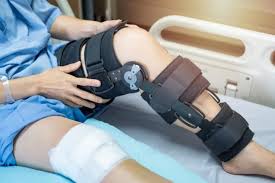
In addition to exercise, there are other non-pharmacological treatments that can help alleviate knee pain caused by arthritis. These include hot and cold therapy, which can reduce inflammation and provide temporary relief. Assistive devices such as braces or crutches may also be recommended to reduce stress on the knee joint.
It is important to consult with a healthcare professional or physical therapist to develop an individualized exercise and physical therapy plan that suits your specific needs and limitations. They can provide guidance on the appropriate exercises, intensity, and frequency for your condition.
Remember, consistency is key when it comes to exercise and physical therapy. It may take time to see improvements, but sticking to a regular routine can lead to long-term benefits.
Medications for Arthritis
When it comes to managing arthritis, medications play a crucial role in reducing pain and inflammation. Nonsteroidal anti-inflammatory drugs (NSAIDs) are commonly prescribed to relieve pain and reduce swelling. These medications work by blocking the production of certain chemicals in the body that cause inflammation. Some examples of NSAIDs include ibuprofen, naproxen, and aspirin.
In addition to NSAIDs, corticosteroids may be prescribed to reduce inflammation and suppress the immune system. These medications can be taken orally, injected into the affected joint, or applied topically as a cream or gel.
Another class of medications commonly used for arthritis is disease-modifying antirheumatic drugs (DMARDs). These medications work by suppressing the immune system and slowing down the progression of the disease. DMARDs are often prescribed for rheumatoid arthritis.
It is important to note that medications for arthritis should always be taken under the guidance of a healthcare professional. They will determine the most appropriate medication and dosage based on the individual’s specific condition and needs.
Alternative Treatments for Arthritis
When it comes to managing arthritis, there are several alternative treatments that can help alleviate symptoms and improve quality of life. Acupuncture is a popular alternative therapy that involves inserting thin needles into specific points on the body to stimulate healing and reduce pain. Massage therapy is another option that can provide relief by targeting tight muscles and promoting relaxation.
In addition to these therapies, herbal supplements such as turmeric and ginger have been found to have anti-inflammatory properties that may help reduce arthritis pain. It’s important to note that while these alternative treatments can be beneficial, they should be used in conjunction with traditional medical treatments and under the guidance of a healthcare professional.
If you’re considering alternative treatments for arthritis, it’s essential to do your research and consult with a healthcare provider to ensure they are safe and effective for your specific condition. Remember, what works for one person may not work for another, so it’s important to find the right combination of treatments that works best for you.
Preventing Arthritis
Maintaining a Healthy Weight
Maintaining a healthy weight is crucial for managing arthritis and reducing stress on your joints. Excess weight puts extra pressure on your knees, which can worsen arthritis symptoms and lead to further damage. Losing weight can help alleviate knee pain and improve your overall quality of life.
To achieve and maintain a healthy weight, consider the following:
-
Eating a balanced diet: Focus on consuming a variety of nutrient-rich foods, including fruits, vegetables, whole grains, lean proteins, and healthy fats. Limit your intake of processed foods, sugary drinks, and foods high in saturated fats.
-
Portion control: Be mindful of your portion sizes to avoid overeating. Use smaller plates and bowls, and listen to your body’s hunger and fullness cues.
-
Regular physical activity: Engage in regular exercise to burn calories and strengthen your muscles. Choose low-impact activities like swimming, cycling, or walking to minimize stress on your joints.
-
Seek support: Consider joining a support group or working with a healthcare professional to help you stay motivated and accountable in your weight management journey.
Remember, maintaining a healthy weight is an ongoing process that requires commitment and lifestyle changes. By making small, sustainable changes to your diet and exercise routine, you can effectively manage your arthritis and improve your overall well-being.
Protecting Your Joints
Protecting your joints is crucial in managing arthritis and reducing pain. Here are some tips to help protect your joints:
-
Avoid repetitive motions: Try to avoid activities that involve repetitive motions, as they can put stress on your joints. If you must perform repetitive tasks, take frequent breaks and use proper ergonomics.
-
Maintain a healthy weight: Excess weight puts additional strain on your joints, especially the knees. By maintaining a healthy weight, you can reduce the load on your joints and alleviate pain.
-
Use proper body mechanics: When lifting heavy objects or performing strenuous activities, use proper body mechanics to minimize stress on your joints. Bend your knees and hips, and avoid twisting or jerking motions.
-
Wear supportive footwear: Choose shoes that provide good support and cushioning for your feet and joints. Avoid high heels and opt for shoes with low heels and good arch support.
-
Stay active: Regular exercise can help strengthen the muscles around your joints and improve joint flexibility. Choose low-impact activities like swimming, cycling, or walking.
-
Protect your joints during physical activity: Use protective gear, such as knee pads or wrist braces, when engaging in activities that may put stress on your joints.
-
Listen to your body: Pay attention to any pain or discomfort during activities. If an activity causes pain, modify or stop it to prevent further damage to your joints.
-
Get regular check-ups: Regular check-ups with your healthcare provider can help monitor the condition of your joints and identify any changes or issues early on.
Eating a Balanced Diet
Maintaining a balanced diet is crucial for managing arthritis and promoting overall joint health. Eating a variety of nutrient-rich foods can help reduce inflammation and provide the necessary vitamins and minerals for joint repair. Here are some key dietary recommendations for individuals living with arthritis:
- Include plenty of fruits and vegetables in your diet, as they are rich in antioxidants and can help reduce inflammation.
- Incorporate omega-3 fatty acids into your meals by consuming fatty fish like salmon, mackerel, and sardines, or by adding flaxseeds and chia seeds to your diet.
- Limit your intake of processed foods and sugary beverages, as they can contribute to inflammation and weight gain.
Tip: Staying hydrated is also important for joint health. Make sure to drink plenty of water throughout the day.
Avoiding Joint Injuries
When it comes to preventing arthritis, one important aspect is avoiding joint injuries. Joint injuries can increase the risk of developing arthritis, especially in the knees. Here are some tips to help you protect your joints:
- Maintain proper form and technique when engaging in physical activities or sports to reduce the risk of injury.
- Wear protective gear such as knee pads or braces when participating in high-impact activities.
- Warm up and stretch before exercising to prepare your joints and muscles.
- Avoid repetitive motions that put excessive stress on your joints.
Remember, taking steps to prevent joint injuries can go a long way in reducing the risk of developing arthritis.
Conclusion
In conclusion, living with knee pain caused by arthritis can be challenging, but with proper understanding and management, it is possible to improve quality of life. Early diagnosis and treatment are crucial in preventing further damage and reducing pain. Exercise, weight management, and medications can help alleviate symptoms and improve mobility. It is important to consult with a healthcare professional for personalized advice and treatment options. Remember, self-care and support from loved ones play a significant role in managing arthritis and maintaining overall well-being.
Frequently Asked Questions
What are the common types of arthritis?
The common types of arthritis include osteoarthritis, rheumatoid arthritis, and gout.
What are the main causes of arthritis?
The main causes of arthritis can include age, genetics, obesity, joint injuries, and infections.
What are the symptoms of arthritis?
The symptoms of arthritis can include joint pain, stiffness, swelling, redness, and limited range of motion.
How is arthritis diagnosed?
Arthritis can be diagnosed through a combination of medical history, physical examination, imaging tests, and laboratory tests.
What are some ways to manage knee pain caused by arthritis?
Some ways to manage knee pain caused by arthritis include exercise, physical therapy, weight management, and using assistive devices.
Are there alternative treatments for arthritis?
Yes, alternative treatments for arthritis include acupuncture, herbal supplements, and mind-body therapies.





One Comment