Exploring the Causes of Inside and Back of Knee Pain
Knee pain is a common problem that affects people of all ages. Pain can happen on the inside or back of the knee and can be caused by different things. This article will look at the main reasons for knee pain, how doctors find out what’s wrong, and the treatments that can help. We’ll also talk about ways to keep your knees healthy and how to live with knee pain if it doesn’t go away.
Key Takeaways
- Inside knee pain can be caused by things like medial meniscus tears, MCL injuries, and pes anserine bursitis.
- Pain at the back of the knee might be due to issues such as Baker’s cyst, hamstring tendonitis, or posterior cruciate ligament injuries.
- Doctors use physical exams, imaging tests, and medical history reviews to find out the cause of knee pain.
- Non-surgical treatments include physical therapy, medications, and injections.
- Preventing knee pain involves exercises to strengthen the knee, wearing proper footwear, and managing your weight.
Common Causes of Inside Knee Pain

Medial Meniscus Tears
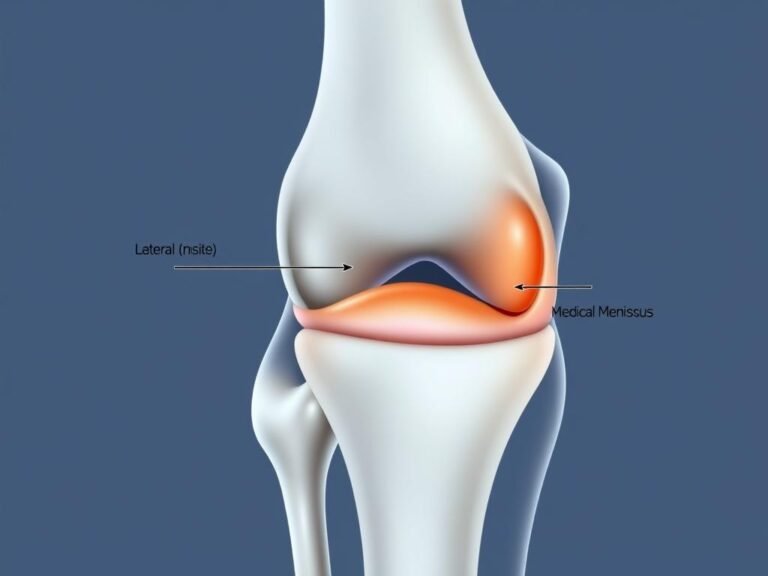
Medial meniscus tears are a frequent cause of pain on the inside of the knee. These tears often happen due to sudden twists or turns, especially during sports. Symptoms include pain, swelling, and difficulty moving the knee. Sometimes, you might even hear a popping sound when the injury occurs.
MCL Injuries
The medial collateral ligament (MCL) runs along the inside of your knee. Injuries to this ligament can happen when the knee is hit from the outside, causing it to bend inward. This can lead to pain, swelling, and instability in the knee. Rest and physical therapy are common treatments for MCL injuries.
Pes Anserine Bursitis
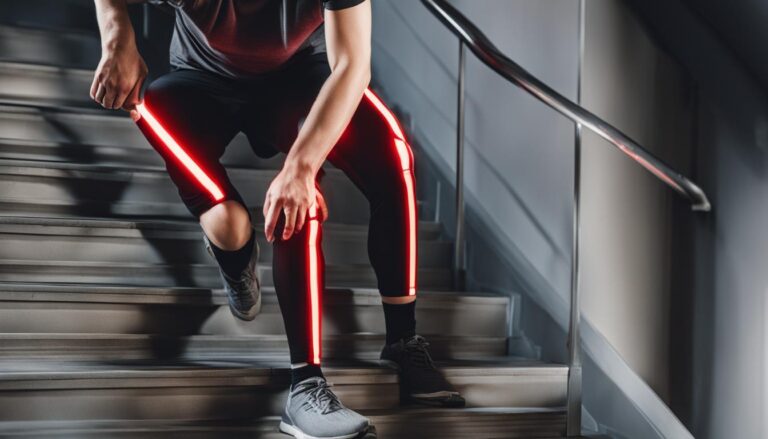
Pes anserine bursitis is an inflammation of the bursa located between the shinbone and three tendons of the hamstring muscle. This condition often affects athletes and people with arthritis. Symptoms include pain and tenderness on the inside of the knee, especially when climbing stairs or getting up from a chair.
Understanding the specific cause of your knee pain is crucial for effective treatment. Always consult a healthcare professional for a proper diagnosis.
Understanding Back of Knee Pain
Baker’s Cyst
A Baker’s cyst is a fluid-filled sac that forms behind the knee. It can cause swelling and tightness, especially when you move your leg. This condition often results from other knee issues like arthritis or a meniscus tear. Treatment usually involves addressing the underlying problem.
Hamstring Tendonitis
Hamstring tendonitis happens when the tendons at the back of your thigh become inflamed. This can lead to pain and stiffness in the back of the knee. Rest, ice, and physical therapy are common treatments. Stretching exercises can also help in recovery.
Posterior Cruciate Ligament Injuries
Injuries to the posterior cruciate ligament (PCL) are less common but can be serious. The PCL helps stabilize the knee, and damage to it can cause pain and swelling. Treatment may include rest, physical therapy, or even surgery in severe cases.
It’s important to consult a healthcare professional for a proper diagnosis and treatment plan if you experience persistent back of knee pain.
Diagnosing Knee Pain: What to Expect
Physical Examination
When you visit the doctor for knee pain, the first step is usually a physical examination. The doctor will check for swelling, tenderness, and range of motion. They might also ask you to walk or bend your knee to see how it moves. This helps them understand the problem better.
Imaging Tests
To get a clearer picture of what’s going on inside your knee, doctors often use imaging tests. Common tests include X-rays, MRIs, and CT scans. These tests can show if there are any tears, fractures, or other issues. Imaging tests are very helpful in making a diagnosis.
Medical History Review
Your doctor will also review your medical history. They will ask about any past injuries, surgeries, or conditions that might be affecting your knee. This information is crucial for making an accurate diagnosis.
Knowing what to expect during a knee pain diagnosis can make the process less stressful. It helps you understand each step and why it’s important.
Non-Surgical Treatments for Knee Pain
Physical Therapy
Physical therapy is a common way to help with knee pain. It involves exercises that make the muscles around the knee stronger and more flexible. This can help reduce pain and improve movement. A physical therapist can create a plan that fits your needs.
Medications
Medications can also help manage knee pain. Over-the-counter pain relievers like ibuprofen or acetaminophen are often used. Sometimes, doctors may prescribe stronger medications if needed. It’s important to follow the doctor’s advice to avoid side effects.
Injections
Injections are another option for treating knee pain. Doctors can inject steroids or other substances directly into the knee joint. This can help reduce inflammation and provide relief. In some cases, these injections can delay the need for surgery.
If you’re dealing with knee pain, there are many non-surgical options to consider. Always talk to your doctor to find the best treatment for you.
When to Consider Surgical Options
Arthroscopy
Arthroscopy is a minimally invasive surgery where doctors use a small camera to look inside the knee. This helps them fix issues like torn cartilage or ligaments. It’s often chosen because it has a quicker recovery time compared to open surgery.
Partial Knee Replacement
In cases where only part of the knee is damaged, a partial knee replacement might be the best option. This surgery replaces just the damaged section, leaving the rest of the knee intact. This can lead to a more natural feeling in the knee after recovery.
Ligament Reconstruction
For severe ligament injuries, like a torn ACL, ligament reconstruction might be necessary. This involves replacing the damaged ligament with a graft, which can be taken from another part of your body or from a donor. The goal is to restore stability and function to the knee.
Deciding on surgery is a big step. Always discuss all your options with your doctor to make the best choice for your health.
Preventative Measures for Knee Health
Strengthening Exercises
Strengthening the muscles around your knee can help support the joint and prevent injuries. Focus on exercises that target the quadriceps, hamstrings, and calves. Regular exercise can make a big difference in keeping your knees healthy. Try to include a mix of strength training and flexibility exercises in your routine.
Proper Footwear
Wearing the right shoes is crucial for knee health. Shoes that provide good support and cushioning can reduce the stress on your knees. Make sure to replace your shoes when they start to wear out. Proper footwear can make a significant difference, especially if you are active or spend a lot of time on your feet.
Weight Management
Maintaining a healthy weight is important for reducing the strain on your knees. Extra weight can increase the pressure on your knee joints, leading to pain and potential injuries. Eating a balanced diet and staying active can help you manage your weight effectively.
Taking care of your knees now can help you avoid pain and problems in the future. Simple changes in your daily routine can have a big impact on your knee health.
Living with Chronic Knee Pain
Pain Management Strategies
Living with chronic knee pain can be challenging, but there are ways to manage it. Pain management strategies include using over-the-counter pain relievers, applying ice or heat, and practicing relaxation techniques. Some people find relief through acupuncture or massage therapy.
Lifestyle Modifications
Making changes to your daily routine can help reduce knee pain. Consider low-impact exercises like swimming or cycling to stay active without putting too much strain on your knees. Maintaining a healthy weight is also important, as extra pounds can add stress to your joints.
Support Systems
Having a strong support system can make a big difference. Friends, family, and support groups can offer emotional support and practical help. Don’t hesitate to reach out to others when you need assistance or just someone to talk to.
Living with chronic knee pain requires a combination of pain management strategies, lifestyle changes, and a solid support system. By taking these steps, you can improve your quality of life and better manage your pain.
Conclusion
Understanding the causes of inside and back of knee pain is important for finding the right treatment. Whether it’s due to an injury, overuse, or a medical condition, knowing the source of the pain can help you take the right steps to feel better. Always listen to your body and don’t ignore pain. If the pain doesn’t go away, it’s best to see a doctor. They can help figure out what’s wrong and suggest the best way to treat it. Taking care of your knees now can help you stay active and healthy in the future.
Frequently Asked Questions
What are the common causes of pain on the inside of the knee?
Pain on the inside of the knee can be due to issues like medial meniscus tears, MCL injuries, or pes anserine bursitis.
What might cause pain at the back of my knee?
Pain at the back of the knee can be caused by problems such as a Baker’s cyst, hamstring tendonitis, or posterior cruciate ligament injuries.
How do doctors diagnose knee pain?
Doctors usually diagnose knee pain through a physical exam, imaging tests like X-rays or MRIs, and reviewing your medical history.
What are some non-surgical treatments for knee pain?
Non-surgical treatments include physical therapy, medications, and injections to help reduce pain and improve movement.
When should I think about surgery for knee pain?
You might consider surgery if non-surgical treatments don’t work. Options include arthroscopy, partial knee replacement, or ligament reconstruction.
How can I keep my knees healthy?
You can keep your knees healthy by doing strengthening exercises, wearing proper footwear, and managing your weight.