Sore Knees After Running? Quick Relief Tips!
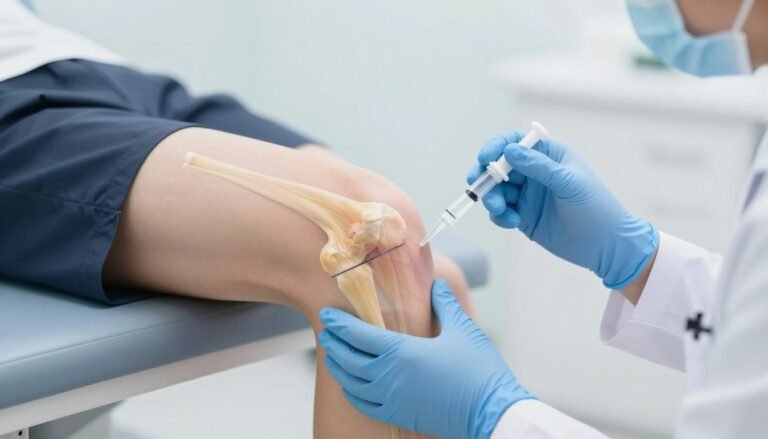
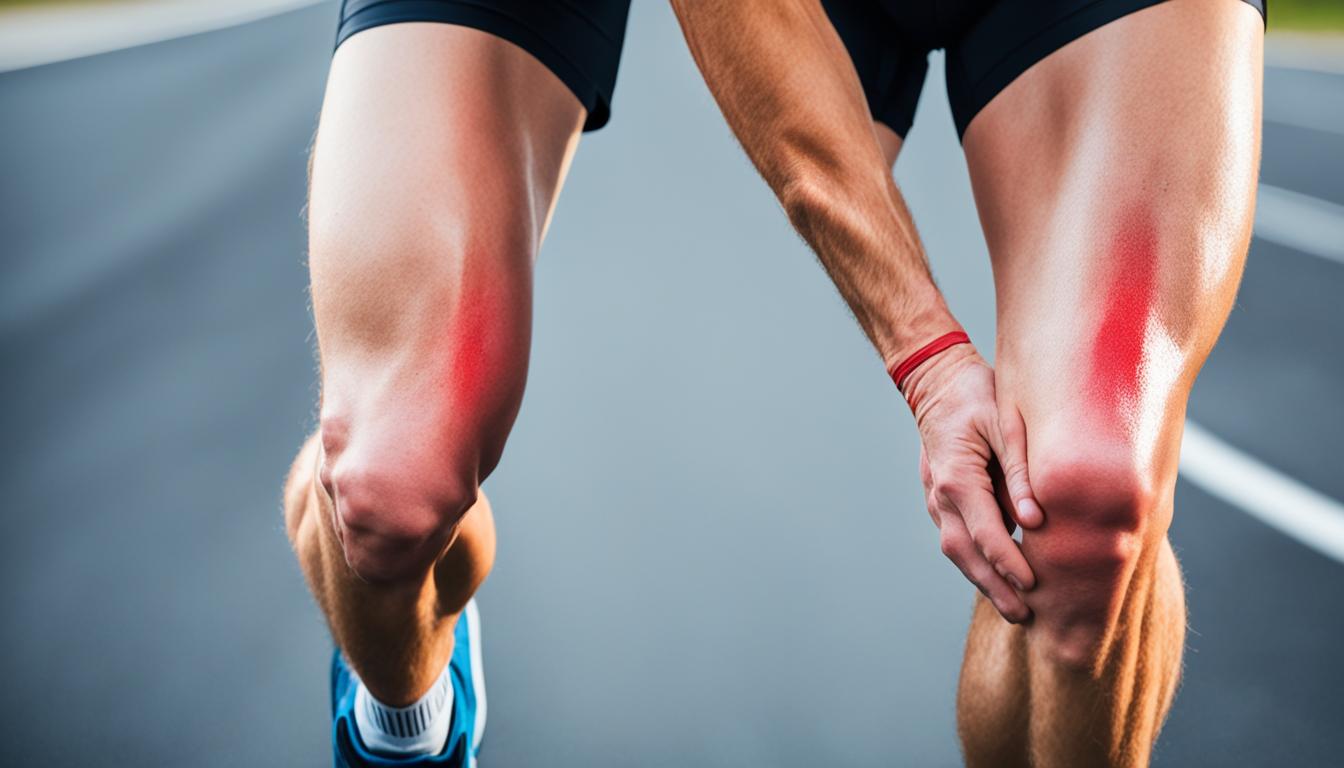
Are you experiencing sore knees after running? If so, you’re not alone. Many runners, both seasoned and beginners, often face knee pain from running or discomfort after jogging. The repetitive impact on the knees during running can lead to inflammation and soreness. But don’t worry, we’ve got some quick relief tips to help you find comfort and get back to your exercise routine without the nagging knee pain.
Key Takeaways:
- Running can put stress on the knees, leading to inflammation and soreness.
- Proper warm-up, stretching, and wearing supportive shoes are essential preventive measures.
- Resting, applying ice, using compression sleeves, and elevating the leg can provide immediate relief.
- Strengthening the muscles around the knees and seeking professional advice if the pain persists are crucial.
- With the right care and precautions, you can manage and alleviate sore knees after running.
Causes of Sore Knees After Running
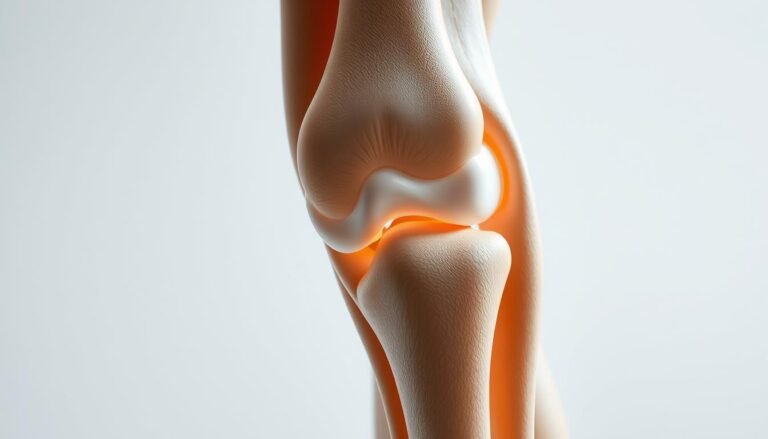
Sore knees after running can be attributed to several factors. Overuse and repetitive motions of the knee joint, such as bending and straightening during running, can lead to irritation of the tissues and tendons around the kneecap. Other causes include direct impact to the knee, malalignment of the bones, problems with foot structure or posture, and weak or imbalanced thigh muscles.
Identifying the underlying cause can help in preventing and managing sore knees after running. By understanding the specific factors contributing to post-run knee soreness, you can take targeted preventive measures to alleviate discomfort and minimize the risk of running knee injuries.
“Proper understanding of the causes of sore knees after running is crucial for effectively preventing knee pain and managing any existing discomfort.”
To help exemplify the causes of sore knees after running, consider the following table:
| Cause | Description |
|---|---|
| Overuse and repetitive motions | The constant bending and straightening of the knee joint during running can lead to irritation of the tissues and tendons surrounding the kneecap. |
| Direct impact to the knee | An external force or collision can cause direct trauma to the knee, resulting in soreness and potential injury. |
| Malalignment of the bones | If the bones in the leg are not properly aligned, it can result in added stress on the knee joint during running, leading to soreness and discomfort. |
| Foot structure or posture issues | Problems with foot structure or improper running posture can affect the alignment and distribution of forces in the lower limbs, potentially causing knee pain after running. |
| Weak or imbalanced thigh muscles | The muscles in the thighs, especially the quadriceps, help stabilize and support the knee joint. Weakness or imbalances in these muscles can contribute to post-run knee soreness. |
By addressing these root causes, you can be proactive in preventing sore knees from running and safeguarding your overall knee health for a more enjoyable and pain-free running experience.
Tips for Preventing Sore Knees from Running
To prevent sore knees from running, it is essential to take certain preventive measures. By incorporating these tips into your running routine, you can minimize the risk of knee pain and discomfort, allowing you to enjoy your runs without any hindrance.
1. Warm up and stretch properly:
Prior to starting your run, perform a dynamic warm-up to increase blood flow and prepare your muscles for the upcoming activity. Focus on exercises that target the lower body, such as leg swings, high knees, and lunges. After your run, engage in static stretches to enhance flexibility and relieve any tension in your muscles.
2. Wear the right shoes:
Investing in a good pair of running shoes is vital for knee pain prevention. Look for shoes that provide adequate cushioning, support, and stability. Consider visiting a specialized running store to get fitted properly and ensure that the shoes match your foot type and running style.
3. Listen to your body:
Pay attention to any warning signs or discomfort during your runs. If you start to feel pain in your knees, take a break and rest. Pushing through the pain can lead to further injury and prolong your recovery time. It’s essential to distinguish between normal muscle soreness and potential injury.
4. Strengthen your knee muscles:
Include exercises that target the muscles around your knees, especially the quadriceps, in your regular workout routine. Strengthening these muscles helps provide stability to the knee joint and reduces the risk of developing knee pain while running. Squats, lunges, and leg presses are great exercises to incorporate.
| Preventive Measures | |
|---|---|
| 1 | Warm up and stretch properly |
| 2 | Wear the right shoes |
| 3 | Listen to your body |
| 4 | Strengthen your knee muscles |
By implementing these tips, you can reduce the likelihood of experiencing knee pain and discomfort during and after running. Remember, prevention is key to maintaining a healthy and enjoyable running routine. If you continue to experience knee pain or if it worsens, it’s important to consult with a healthcare professional for a proper diagnosis and personalized treatment plan.
Treating Sore Knees After Running
If you experience sore knees after running, there are several treatment options available to provide relief. Resting the knees and avoiding activities that worsen the pain is important for the healing process.
“Rest is crucial for the healing process to give your knees time to recover.”
Applying ice to the affected area can help reduce inflammation and swelling. The cold temperature of the ice numbs the pain and reduces blood flow to the area, which helps alleviate soreness.

Compression sleeves or knee braces can provide support and stability to the knees, reducing pain and preventing further damage. These supports help reduce inflammation and provide compression, promoting proper alignment and reducing stress on the knee joints.
Over-the-counter nonsteroidal anti-inflammatory drugs (NSAIDs) can be taken to alleviate pain and reduce swelling. NSAIDs such as ibuprofen or naproxen sodium can help relieve post-run knee soreness and manage pain.
Physical therapy exercises and stretches play a crucial role in recovery and strengthening the knee muscles. A physical therapist can guide you through specific exercises that target the knee and surrounding muscles, helping to improve flexibility, stability, and overall knee function.
Knee Pain Relief Treatment Options
Here is a table summarizing various treatment options for knee pain relief:
| Treatment | Description |
|---|---|
| Rest | Give your knees time to heal and avoid activities that worsen the pain. |
| Ice | Apply ice packs to reduce inflammation and swelling. |
| Compression | Wear compression sleeves or knee braces for added support and stability. |
| NSAIDs | Take over-the-counter nonsteroidal anti-inflammatory drugs to manage pain and reduce swelling. |
| Physical Therapy | Engage in exercises and stretches recommended by a physical therapist to strengthen the knee muscles and improve overall knee function. |
Remember to consult with a healthcare professional if you are experiencing persistent or worsening knee pain. They can provide a thorough diagnosis and create a personalized treatment plan to effectively manage and relieve knee pain.
Runner’s Knee: Causes and Symptoms
Runner’s knee, also known as patellofemoral pain syndrome, is a common condition that causes pain around the kneecap. This discomfort is often experienced by joggers and runners, and can be attributed to various factors.
One of the primary causes of runner’s knee is overuse of the knee joint. The repeated stress placed on the knees during jogging or running can lead to inflammation and irritation of the tissues and tendons surrounding the knee, resulting in discomfort and soreness.
Poor biomechanics or movement patterns can also contribute to the development of runner’s knee. Issues such as misalignment of the kneecap or weakened thigh muscles can disrupt the proper functioning of the knee joint, leading to pain and discomfort.
Symptoms of runner’s knee typically involve pain around the front or sides of the knee. This pain may worsen during activities that involve bending and straightening the knee, including walking or running. Swelling and discomfort when going downstairs or downhill are also common indicators of runner’s knee.
| Causes of Runner’s Knee | Symptoms of Runner’s Knee |
|---|---|
| Overuse of the knee joint | Pain at the front or sides of the knee |
| Poor biomechanics or movement patterns | Swelling |
| Malalignment of the kneecap | Discomfort during activities such as walking or running |
| Muscle imbalances | Worsening pain when going downstairs or downhill |
Understanding the causes and symptoms of runner’s knee is important for prompt diagnosis and appropriate management. In the next section, we will explore effective tips for preventing and managing runner’s knee to ensure a pain-free running experience.
Preventing and Managing Runner’s Knee
Preventing and managing runner’s knee involves taking similar measures as preventing sore knees after running. It is important to warm up properly, maintain proper form and alignment during running, and strengthen the muscles around the knee. Choosing appropriate footwear, avoiding sudden changes in training intensity, and maintaining a healthy weight can also help in preventing runner’s knee. If symptoms persist, consulting with a healthcare professional, such as an orthopedic specialist, can provide further guidance and treatment options.
Preventive Measures
When it comes to preventing runner’s knee, incorporating these strategies into your running routine can make a significant difference:
- Warm up before each run to prepare your muscles and joints for the activity.
- Maintain proper form and alignment during running. Avoid overstriding and keep your knees in line with your feet.
- Strengthen the muscles around the knee, especially the quadriceps, to provide better support and stability.
- Choose appropriate footwear that provides adequate cushioning and support for your running style and foot structure.
- Avoid sudden increases in training intensity or mileage. Gradually progress to avoid overloading your knees.
- Maintain a healthy weight to reduce the stress on your knee joints.
Consulting a Healthcare Professional
If you have tried preventive measures but still experience persistent knee pain or symptoms of runner’s knee, it is advisable to seek medical advice from a healthcare professional. An orthopedic specialist or a sports medicine physician can provide a proper diagnosis and recommend personalized treatment options. They may suggest physical therapy, custom orthotics, or other interventions to alleviate pain and promote healing.
Quick Tips for Knee Pain Relief
If you are experiencing knee pain after running, there are some quick relief tips you can try:
- Resting the knee: Take a break from activities that aggravate the pain and allow your knee to rest and recover.
- Applying ice: Apply an ice pack to the affected area for 15-20 minutes every 2-3 hours to reduce inflammation and numb the pain.
- Using compression sleeves: Wear compression sleeves or knee braces to provide support and stability to your knees during activities.
- Elevating the leg: Prop up your leg on a pillow or cushion to reduce swelling and promote blood flow.
- Taking over-the-counter NSAIDs: Nonsteroidal anti-inflammatory drugs such as ibuprofen can help alleviate pain and reduce inflammation. Follow the recommended dosage instructions.
- Stretching and strengthening exercises: Consult with a physical therapist for specific exercises that can help relieve knee pain and strengthen the surrounding muscles.
Remember to listen to your body and avoid activities that worsen the pain. If the knee pain persists or worsens, it is recommended to seek medical advice from a healthcare professional.
Disclosure: The image above is for illustrative purposes only and does not represent a specific product or endorsement.
Conclusion
Sore knees after running can be a common issue, but with proper understanding and preventive measures, you can manage and alleviate the discomfort. Paying attention to warm-up and cooldown exercises, wearing proper footwear, and listening to your body’s signals are crucial for preventing and managing knee pain. If symptoms persist or worsen, consulting with a healthcare professional is recommended for a proper diagnosis and personalized treatment plan. With the right care and precautions, you can get back to running without the discomfort of sore knees.
FAQ
What causes sore knees after running?
Sore knees after running can be caused by overuse and repetitive motions of the knee joint, direct impact to the knee, malalignment of the bones, problems with foot structure or posture, and weak or imbalanced thigh muscles.
How can I prevent sore knees from running?
To prevent sore knees from running, it is important to warm up and stretch properly before and after a run, wear the right shoes that provide adequate support, listen to your body and rest when needed, and strengthen the muscles around the knees.
What are some treatments for sore knees after running?
Treatment options for sore knees after running include resting the knees, applying ice to reduce inflammation, using compression sleeves or knee braces for support, taking over-the-counter nonsteroidal anti-inflammatory drugs (NSAIDs), and performing physical therapy exercises and stretches.
What is runner’s knee and how does it cause knee pain?
Runner’s knee, also known as patellofemoral pain syndrome, causes pain around the kneecap. It can be caused by overuse, poor biomechanics, malalignment of the kneecap, and muscle imbalances.
How can I prevent and manage runner’s knee?
To prevent and manage runner’s knee, it is important to warm up properly, maintain proper form and alignment during running, strengthen the muscles around the knee, choose appropriate footwear, avoid sudden changes in training intensity, and maintain a healthy weight.
What are some quick relief tips for knee pain after running?
Some quick relief tips for knee pain after running include resting the knee, applying ice, using compression sleeves, elevating the leg, taking over-the-counter NSAIDs, and performing stretching and strengthening exercises recommended by a physical therapist.
Source Links
- https://www.bswhealth.com/blog/how-get-rid-knee-pain-after-running
- https://www.webmd.com/pain-management/knee-pain/runners-knee
- https://www.osswf.com/blog/5-cures-for-runner-s-knee-and-when-to-see-a-doctor