cervical lumbar3b
|

Superior Polymers releases breakthrough medical-grade PEEK composite, combining carbon fiber, hydroxyapatite and polyether-ether ketone for medical applications


First combination of three clinically proven biomaterials now available for the manufacture of medical devices such as spinal and cardiovascular implants

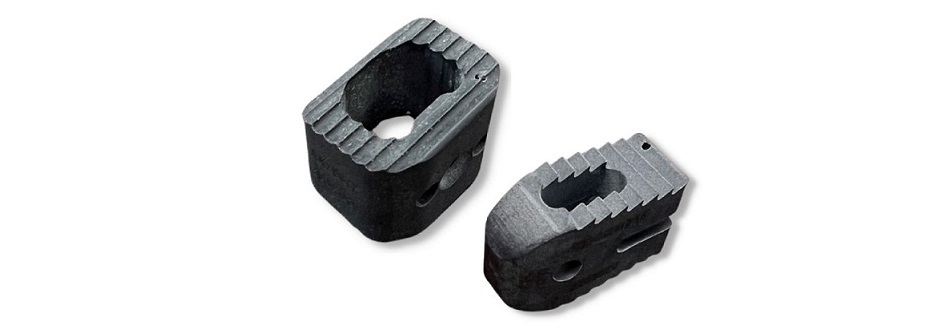
FLOWOOD, Miss., Oct. 17, 2023 (GLOBE NEWSWIRE) — Superior Polymers, an innovator in advanced materials for medical applications, today announces the launch of Magnolia Trinity PEEK, which brings together three clinically proven biomaterials. Magnolia Trinity PEEK combines carbon fiber, hydroxyapatite and polyetheretherketone – three crucial materials needed in high-performance medical applications. Now Magnolia Trinity PEEK offers unparalleled versatility, biocompatibility and durability for medical devices such as orthopedic and cardiovascular implants or surgical instruments, catheter components and more.

“Superior Polymers pushed the boundaries of materials science to create Magnolia Trinity PEEK,” said Bob Fruge, director of Business Development for Superior Polymers. “Bringing these three proven materials together in one application is unprecedented. This new composite material opens up new possibilities for the use of implantable polymers for engineers, designers and manufacturers. We are thrilled to bring Magnolia Trinity PEEK to our customers and the marketplace to ultimately improve patient outcomes.”

Multiple studies have proven the positive effects of hydroxyapatite, carbon fiber and polyetheretherketone.i Carbon fiber is known for its exceptional mechanical properties, while hydroxyapatite is a natural mineral component of bone, known for its osteoconductive properties. By combining these materials, multifunctional composites can be created that can simultaneously provide structural support, promote bone growth and resist wear and tear.

Magnolia Trinity PEEK is easily machinable and can be easily customized to specific medical device designs. This versatility allows for the creation of complex and patient-specific implants.

Additional key features and benefits of Magnolia Trinity PEEK include:

  • Fatigue resistance: Carbon fiber reinforcement improves the fatigue resistance of PEEK.
  • Reduced wear and friction during joint replacement and prosthetics: High abrasion resistance and low friction properties due to the presence of carbon fiber are advantageous in applications involving hinged or sliding components, such as joint replacements and prosthetics.
  • Osteoconductive potential: Hydroxyapatite is a naturally occurring mineral found in bone and when combined with PEEK it improves the osteoconductive properties of the material.
  • Improved radiolucency: Carbon fibers improve radiolucency compared to pure PEEK, which is relatively radiopaque.
  • Better hemocompatibility: Higher crystallinity of the composite can cause less hemolysis and thrombin formation and reduce platelet adhesion, making it a promising material for cardiovascular applications.

Magnolia Trinity PEEK is available now. Visit superior-polymers.com today to schedule a consultation to learn more and explore its potential applications with a materials expert. Representatives from Superior Polymers will attend the upcoming annual North American Spine Society (NASS) event in Los Angeles, CA, October 18-21, 2023. To schedule a meeting, email Bob Fruge at bob.fruge@superior-polymers.com.

About superior polymers

Superior Polymers is a leading innovator in advanced materials, committed to delivering cutting-edge solutions to industries around the world. With a strong focus on customer service, our team of experts strives to create materials that exceed expectations in performance, durability and versatility. More information at www.superior-polymers.com.

Contact:

Email address: bob.fruge@superior-polymers.com

Phone number: 601-345-4515

Company website: http://www.superior-polymers.com

Social media links: https://www.linkedin.com/company/superior-polymers/

PR contact
Melany Joy Beck | melany.beck@512financial.com
Cell: (737) 900-7986

i https://www.ncbi.nlm.nih.gov/pmc/articles/PMC4987717/

https://pubmed.ncbi.nlm.nih.gov/25780341/

A photo accompanying this announcement is available at https://www.globenewswire.com/NewsRoom/AttachmentNg/c3d86fcc-172b-4d59-b90c-e983978048cf
Source link

Similar Posts

  • |

    Failed knee replacement symptoms

    What if the relief you expected after your joint procedure never arrives? This unsettling question faces a small percentage of individuals each year. While statistics show that 85% to 90% of patients enjoy successful outcomes for 15 to 20 years after their initial knee replacement surgery, some do not. failed knee replacement symptoms We understand that persistent discomfort following this major operation can be a source of deep frustration. It can severely limit your mobility and daily life. Our guide is here to shed light on the various signs that may indicate your implant is not performing as designed. Identifying these indicators early is critically important. It ensures you get the right medical attention and potential intervention from a qualified specialist. If you experience persistent pain and stiffness, understanding the next steps is vital. We will walk you through common warning signs, the diagnostic process, and the treatment paths available to restore your comfort and movement. Key Takeaways Most knee replacement procedures are highly successful for many years. Recognizing early warning signs of a problem is crucial for your health. Specialized care models, like the one at University of Utah Hospital, combine expert teams for complex cases. Persistent pain, swelling, or instability after recovery should not be ignored. Several effective treatment options exist to address implant issues. Early consultation with an orthopedic surgeon can lead to better outcomes. Your long-term mobility and quality of life are the ultimate goals. Understanding Knee Replacement Surgery Modern orthopedic medicine offers a reliable solution for severe joint damage through artificial joint implantation. This procedure aims to restore comfortable movement when natural cartilage wears down. knee replacement surgery components How Knee Replacements Work During this operation, surgeons remove damaged joint surfaces. They replace them with precisely engineered metal and plastic components. These artificial parts are designed to glide smoothly. They mimic your joint’s natural motion, reducing discomfort. Fixation Method How It Works Key Consideration Cemented Fixation Special bone cement bonds the implant directly to your bone. Provides immediate, strong stability after the operation. Biologic Fixation The bone grows into a porous coating on the device over time. Creates a durable, long-term bond without cement. Surgeon’s Choice The method is selected based on your bone quality and age. Each technique has specific advantages for different situations. Long-Term Expectations and Implant Lifespan Most modern devices are engineered for durability. A typical lifespan ranges from 15 to 20 years. “The longevity of a joint implant depends on multiple factors, including the patient’s activity level and overall bone health.” We emphasize that these components are not indestructible. They experience natural wear from daily use over time. Regular monitoring helps ensure your artificial joint functions well for as long as possible. Your activity choices and general health play significant roles. Recognizing Failed Knee Replacement Symptoms When an artificial joint doesn’t function as intended, your body sends distinct signals that demand attention. Learning to identify these signs is crucial for your long-term health and mobility. Persistent Pain and Swelling Persistent pain in the knee joint that lingers long after the typical recovery period is a primary indicator. This pain isn’t normal soreness. It often presents as a deep, constant ache. Swelling around the knee joint that refuses to fade with rest is another red flag. Persistent pain and swelling are common companions. They can suggest underlying issues like inflammation or component loosening. Instability and Changes in Joint Function A feeling of instability, where your leg might buckle, is alarming. This instability often feels like the joint is giving way when you put weight on it. You might also notice a noticeable decline in how well it moves. Stiffness, developing a limp, or hearing odd popping noises are critical functional changes. We encourage you to monitor these signs closely. They are the primary indicators that your implant may require further clinical assessment. Common Causes of Knee Replacement Failure…

  • |

    Knee Pain Radiating Down Shin to Ankle

    Knee Pain Radiating Down Shin to Ankle: Causes and Treatments Knee pain radiating down the shin to the ankle can be a sign of a serious injury or condition. It can be caused by various factors, including overuse, injury, or underlying medical conditions. Understanding the underlying causes of this type of pain is essential for…

  • Knee Pain When Climbing Stairs: Causes And Relief

    At some point in our lives, many of us have experienced knee pain while climbing stairs. It can be a frustrating and debilitating condition that affects our day-to-day activities. In this article, we will explore the common causes of knee pain during stair climbing and effective relief strategies to manage this discomfort. Understanding the underlying…

  • |

    Beyond osteoporosis: health implications of metabolic acidosis beyond osteoporosis

    The food we consume plays a crucial role in maintaining the acid-base balance in our blood. This simple fact is key to understanding how the Osteoporosis Reversal Program uses nutrition to prevent and reverse osteoporosis. In a state of low-grade metabolic acidosis, where the balance becomes too acidic, the body begins to dissolve bone mass….

  • |

    Understanding Who Patella Dislocation Affects

    Did you know that patellar dislocation accounts for approximately 2 to 3% of knee injuries? This common condition can cause significant pain and functional limitations, particularly among young and active individuals. Patellar instability is a spectrum of conditions, ranging from intermittent subluxations to dislocation. Acute patellar dislocations often occur due to trauma, while recurrent subluxation…

3 Comments

Leave a Reply

Your email address will not be published. Required fields are marked *