Swollen Knee Treatment: The Complete Guide to Relief, Recovery, and Long-Term Health
If you are dealing with a swollen knee, you are far from alone. Only 12% of patients with confirmed knee osteoarthritis are currently seeking medical care for the condition, which means millions of people are quietly managing pain, stiffness, and inflammation without proper swollen knee treatment. Whether your swelling came on suddenly from an injury or has been building gradually over time, understanding your options is the first real step toward getting your life back.
This guide covers everything you need to know, from what is actually happening inside your knee to the most effective treatments available in 2026.
Key Takeaways
| Question | Answer |
|---|---|
| What is the fastest swollen knee treatment at home? | The RICE method (Rest, Ice, Compression, Elevation) is the most widely recommended first-response approach for acute swelling and knee pain. |
| How long does a swollen knee take to heal? | Minor sprains typically recover in 2 to 4 weeks with proper care. More serious injuries may require several months of structured rehabilitation. |
| Should I see a doctor for a swollen knee? | Yes, if the swelling is severe, came on after an injury, does not improve in 48 to 72 hours, or is accompanied by significant knee pain, a medical evaluation is recommended. |
| Can a torn meniscus cause knee swelling? | Yes. A torn meniscus is one of the most common structural causes of a swollen knee, often accompanied by stiffness and a clicking sensation. |
| Does weight affect knee swelling? | Significantly. Every extra pound of body weight adds roughly four pounds of pressure to the knee joint with each step, directly worsening inflammation. |
| Are knee braces helpful for swollen knee treatment? | Yes. Braces and compression sleeves provide structural support, reduce joint loading, and help manage swelling in both acute and chronic cases. |
| When is surgery necessary for a swollen knee? | Surgery is typically considered only after conservative treatments like physical therapy and bracing have been tried for an adequate period without sufficient improvement. |
What Causes a Swollen Knee? Understanding the Root Problem
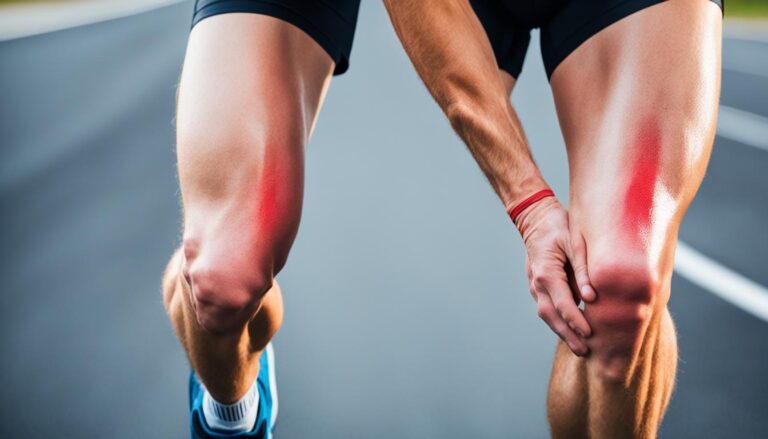
A swollen knee, medically called a knee effusion, happens when excess fluid builds up in or around the knee joint. This fluid accumulation is your body’s inflammatory response to an injury, irritation, or disease process happening inside the joint.
The most common causes include traumatic injuries, degenerative conditions, and structural damage. Understanding which category your swelling falls into is critical, because the right swollen knee treatment depends entirely on what is driving the inflammation.
Common causes of knee swelling include:
-
Ligament injuries, including ACL and PCL tears
-
Meniscus tears, which damage the cartilage cushioning the joint
-
Osteoarthritis, causing progressive cartilage breakdown
-
Bursitis, inflammation of the fluid-filled sacs around the knee
-
Gout or pseudogout, crystal deposits triggering acute inflammation
-
Infections inside the joint (septic arthritis), which require urgent medical attention
-
Overuse injuries from repetitive activity or sudden changes in training load
Identifying your specific cause is the foundation of effective swollen knee treatment. Without knowing the source, you are just guessing.
Warning Signs Your Swollen Knee Treatment Needs a Doctor Immediately
Not all knee swelling is equal. Some cases can be managed safely at home, but others are medical emergencies that require professional assessment without delay.
Seek immediate medical attention if you notice any of the following alongside your swollen knee:
-
The knee is hot, red, and intensely painful (possible infection)
-
Swelling appeared suddenly after a direct blow or fall
-
You cannot bear any weight on the leg
-
The knee looks visibly deformed or out of alignment
-
You have a fever alongside the swelling
-
The swelling does not reduce at all after 72 hours of home care
A proper diagnosis from a physician or physiotherapist will include a physical examination, imaging (X-ray or MRI), and in some cases, a procedure called arthrocentesis (draining the fluid) to both relieve pressure and analyze what is actually in the joint.
Getting the right diagnosis early is not about being cautious. It is about making sure your swollen knee treatment actually targets the real problem.
The RICE Method: Your First-Line Swollen Knee Treatment at Home
For most acute cases of a swollen knee, the RICE method remains the gold-standard starting point. It is simple, effective, and backed by decades of clinical evidence for reducing inflammation and knee pain in the early stages.
A concise 5-step guide to treating a swollen knee, from assessment to at-home care. Learn when to seek medical help and how to prevent future swelling.
Here is how to apply the RICE method correctly for swollen knee treatment:
-
Rest: Reduce or stop the activities that aggravate the knee. This does not mean complete immobilization. Gentle movement is often still beneficial, but avoid loading the joint under stress.
-
Ice: Apply an ice pack wrapped in a cloth for 15 to 20 minutes at a time, every 2 to 4 hours during the first 48 to 72 hours. Never apply ice directly to the skin.
-
Compression: Wrap the knee snugly (not tightly) with a compression bandage or sleeve. This helps limit swelling and provides light support to the joint.
-
Elevation: Prop the leg up above the level of your heart when resting. This uses gravity to help drain excess fluid away from the joint.
“Recovery for minor knee sprains typically takes 2 to 4 weeks when using the RICE method consistently and correctly.”
The RICE method works best for acute injuries. If your knee swelling is chronic or related to arthritis, you will need a more comprehensive swollen knee treatment plan beyond RICE alone.
Did You Know?
Physical therapy reduces the need for knee surgery by 40% in some patient populations.
Source: acrabstracts.org
Medications and Injections Used in Swollen Knee Treatment
When home care is not enough to control swelling and knee pain, medications are the next step in the treatment ladder. These range from simple over-the-counter options to specialist-administered injections.
Over-the-counter medications for knee swelling include:
-
NSAIDs (Non-Steroidal Anti-Inflammatory Drugs) such as ibuprofen or naproxen sodium, which reduce both pain and inflammation
-
Acetaminophen for pain relief, though it has less effect on the inflammation itself
-
Topical anti-inflammatory gels applied directly to the knee, which can provide localized relief with fewer systemic side effects
Prescription and injectable options for more persistent knee swelling include:
-
Corticosteroid injections: Provide effective short-term relief, but it is important to know that the anti-inflammatory effect typically lasts only 6 to 12 weeks. They are not a long-term solution.
-
Hyaluronic acid (viscosupplementation) injections: Lubricate the joint and are particularly useful for osteoarthritis-related swelling.
-
Platelet-Rich Plasma (PRP) injections: An emerging treatment showing significant improvement in 60 to 70% of mild osteoarthritis patients, offering a more regenerative approach to managing knee swelling.
One important note: glucosamine supplements, despite their widespread popularity, show no significant improvement over placebo in 75% of clinical trials. Save your money and invest in approaches that have stronger evidence behind them.
Physical Therapy: The Most Effective Long-Term Swollen Knee Treatment
Here is the truth about swollen knee treatment that most people overlook: reducing swelling is only half the job. The other half is building the muscular support around the knee so it does not keep getting inflamed in the first place.
Physical therapy does exactly that. It rebuilds strength in the quadriceps, hamstrings, glutes, and calf muscles, reducing the mechanical load on the knee joint itself. Exercise-based treatment programs reduce knee pain scores by an average of 25%, making structured movement one of the most reliable tools available in 2026.

A well-structured physical therapy program for a swollen knee typically includes:
-
Range-of-motion exercises to restore joint flexibility without stressing the inflamed tissue
-
Strengthening exercises focused on the hip, thigh, and calf to offload the joint
-
Balance and proprioception training to improve neuromuscular control around the knee
-
Gait retraining to correct movement patterns that increase joint stress
-
Manual therapy to address joint stiffness and improve mobility
If you want to read our comprehensive take on understanding, managing, and overcoming knee pain, we cover the full picture of what drives chronic knee problems and how to address them systematically.
Knee Braces and Compression Sleeves for Swollen Knee Treatment
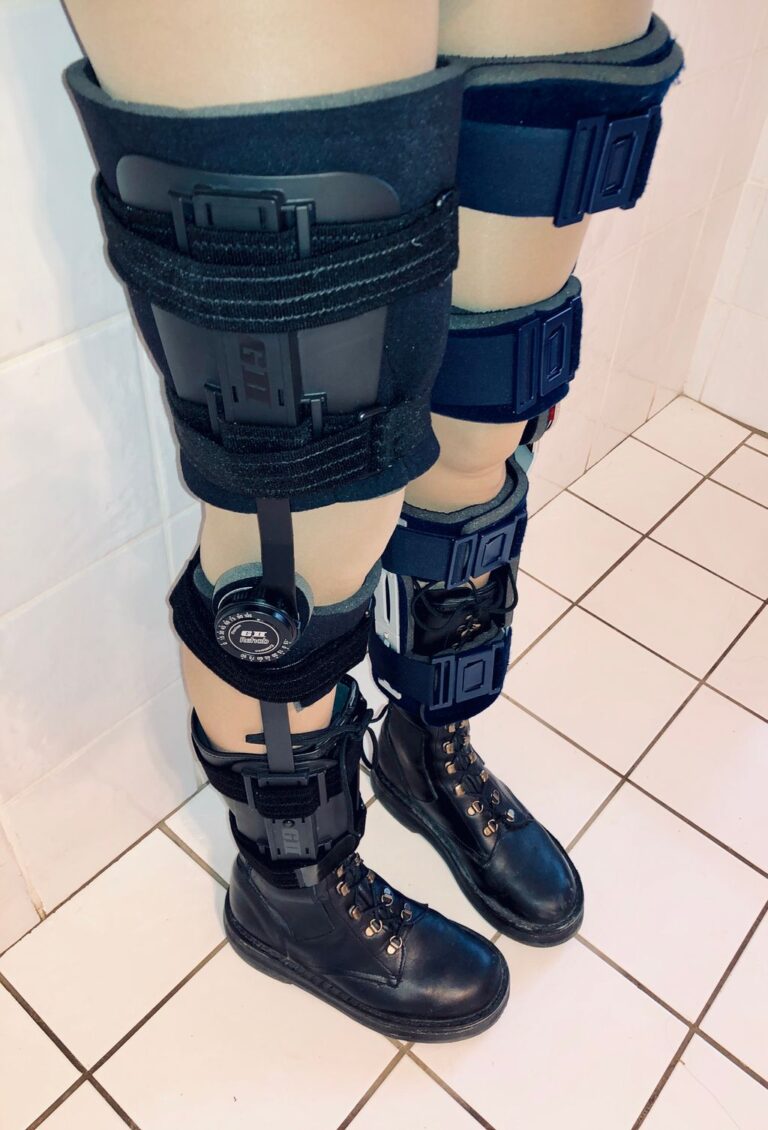
Braces are not just for post-surgery recovery. Used correctly, they are a powerful, non-invasive tool in any swollen knee treatment plan, providing structural support, reducing joint loading, and keeping swelling in check during daily activity.
In fact, knee braces were ranked as the most effective non-drug therapy for alleviating osteoarthritis symptoms in a meta-analysis of 10,000 patients. That is a remarkable result for something that costs a fraction of a single injection appointment.

Types of knee braces for swollen knee treatment:
-
Compression sleeves: Best for mild to moderate swelling and general knee pain support. Options like the Copper Fit Freedom Knee Sleeve ($20-25) and the Copper Compression Recovery Sleeve ($25-30) offer accessible, everyday support.
-
Hinged knee braces: Provide ligament support and are particularly useful after ACL or ligament injuries where the joint needs stability during movement.
-
Unloader braces: Designed for osteoarthritis, these shift weight away from the most damaged compartment of the knee.
-
Patella tracking braces: Helpful for conditions like chondromalacia where the kneecap tracks incorrectly and causes irritation.
Wearing a compression sleeve during activity can meaningfully reduce joint loading and provide the consistent support your knee needs to move without constantly re-triggering inflammation.
Common Knee Conditions That Cause Swelling and Knee Hurt
A swollen knee is a symptom, not a diagnosis. Several distinct conditions can produce joint swelling, and each one calls for a slightly different approach to treatment. Knowing which condition you are dealing with is what makes the difference between managing it and actually resolving it.
Here are the most common conditions associated with knee swelling and ongoing knee hurt:
-
Torn Meniscus: The meniscus is the C-shaped cartilage that cushions the knee joint. A tear causes immediate swelling, stiffness, and often a locking or clicking sensation. Read more about torn meniscus treatment and recovery.
-
ACL and PCL Injuries: Cruciate ligament tears cause acute swelling, instability, and significant knee pain. These are common sports injuries but also occur in everyday falls and accidents. Learn more about PCL knee injuries and how they are managed.
-
Chondromalacia Patella: This condition involves softening and breakdown of the cartilage on the underside of the kneecap, causing front-of-knee pain and swelling. Our guide on chondromalacia patella explains the causes and treatment options in detail.
-
Ligament Sprains: Partial or complete tears of the collateral or cruciate ligaments cause acute swelling and instability. Explore our full resource on ligament knee injuries for a complete breakdown.
-
Traumatic Knee Injuries: Direct impacts, falls, or collisions can fracture bone, damage cartilage, or rupture multiple structures simultaneously. Our page on traumatic knee injuries covers the full spectrum of acute trauma.
-
Osteoarthritis: Gradual cartilage loss leads to chronic, recurring knee swelling, stiffness, and persistent knee pain, particularly after periods of inactivity or heavy use.
Did You Know?
Every 1 pound of weight loss results in a 4-pound reduction in knee joint pressure per step.
Source: sciencedaily.com
Exercise and Movement for Recovering From a Swollen Knee
One of the most common mistakes people make with swollen knee treatment is resting too much for too long. Complete immobilization weakens the muscles that support the knee, which ultimately makes the problem worse.
Controlled, progressive movement is not just safe during recovery. It is essential. The key is working within your pain-free range and gradually increasing load as the joint heals.

Effective exercises for a swollen knee (performed within pain-free limits) include:
-
Straight leg raises: Strengthen the quadriceps without bending the knee joint
-
Heel slides: Gently restore range of motion in a controlled, low-load position
-
Glute bridges: Activate the glutes and hamstrings to reduce the load transferred to the knee
-
Mini squats: Begin with a small range and progress gradually as swelling reduces
-
Clamshells and lateral band walks: Strengthen the hip abductors, which play a critical role in controlling knee alignment
-
Seated calf raises: Maintain lower leg strength without knee joint stress
The goal during swollen knee treatment is not to push through pain. It is to find the movement windows that build strength without provoking more inflammation. For our full guide on managing knee pain through movement and lifestyle, we break down the exercises that work at each stage of recovery.
Nutrition and Weight Management as Part of Swollen Knee Treatment
What you eat and how much you weigh directly affects how much your knee swells and how quickly it recovers. This is not about appearance. It is pure biomechanics and biochemistry.
Every extra pound you carry multiplies the force going through your knee joint with every step. Losing even a modest amount of weight can have a dramatic effect on both knee pain and chronic inflammation levels.
Anti-inflammatory foods to include in your diet during swollen knee treatment:
-
Fatty fish (salmon, mackerel, sardines) rich in omega-3 fatty acids
-
Leafy green vegetables (spinach, kale, broccoli) loaded with antioxidants
-
Berries (blueberries, strawberries, cherries) which contain powerful anti-inflammatory compounds
-
Turmeric and ginger, both of which have well-documented anti-inflammatory properties
-
Nuts and seeds for healthy fats and vitamin E
-
Bone broth for collagen and joint-supporting nutrients
Foods to reduce or avoid when dealing with knee swelling:
-
Processed sugars and refined carbohydrates, which promote systemic inflammation
-
Trans fats found in processed and fried foods
-
Excess alcohol, which impairs tissue repair and increases inflammation
-
High-sodium foods, which can worsen fluid retention
Adequate hydration is equally important. Joint cartilage is approximately 70 to 80% water. Staying well hydrated supports synovial fluid production, which lubricates and protects the knee during movement.
Advanced Swollen Knee Treatment Options Available in 2026
For cases where conservative swollen knee treatment has not delivered adequate results, several advanced options are now available that go beyond traditional approaches.

Advanced interventions include:
-
Platelet-Rich Plasma (PRP) therapy: Your own blood is processed to concentrate growth factors, which are then injected directly into the knee to promote healing and reduce inflammation from within the joint.
-
Stem cell therapy: An emerging regenerative treatment that currently maintains a 75% patient satisfaction rate after one year. It is expensive but shows genuine promise for structural repair.
-
Prolotherapy: Injections of irritant solutions that stimulate the body’s natural healing response in chronically loose or damaged ligaments.
-
Arthroscopic debridement: A minimally invasive surgical procedure to remove damaged tissue or debris from inside the joint that is driving persistent inflammation.
-
Knee replacement surgery: Reserved for end-stage joint disease, this replaces the damaged joint surfaces with artificial components to eliminate bone-on-bone contact.
In 2026, regenerative medicine approaches like PRP and stem cell therapy are increasingly being recommended before jumping to surgical options, given their lower risk profile and meaningful clinical outcomes.
When Surgery Becomes Necessary and What to Expect From Recovery
Surgery is not the first answer to a swollen knee. It is typically the last resort, pursued only after a structured program of physical therapy, bracing, medications, and lifestyle modifications has been given a genuine opportunity to work.
That said, some injuries do require surgical intervention. A completely ruptured ACL in an active individual, a bucket-handle meniscus tear locking the joint, or advanced cartilage damage may all ultimately need surgical treatment to restore proper function.

Post-surgical swollen knee treatment follows a structured rehabilitation progression:
-
Phase 1 (weeks 1-2): Control swelling, protect the repair, restore basic range of motion
-
Phase 2 (weeks 3-6): Begin weight-bearing, restore muscle activation, continue reducing swelling
-
Phase 3 (weeks 7-12): Progressive strengthening, balance training, and functional movement patterns
-
Phase 4 (months 3-6): Return-to-sport or full activity preparation, with ongoing monitoring
Swelling after surgery is normal and expected. Managing it consistently through elevation, compression, icing, and progressive exercise is what separates a smooth recovery from a prolonged one.
The mindset that gets people through surgical recovery is the same one that gets people through any hard knee rehabilitation: consistency beats intensity every single time.
Preventing Future Knee Swelling: Long-Term Strategies That Work
The best swollen knee treatment is the one you never need again. Once your acute swelling is under control and your knee pain has reduced, building long-term resilience into the joint is the most valuable investment you can make.
Prevention is not about avoiding movement. It is about preparing your body to handle movement well.
Practical long-term prevention strategies include:
-
Maintain a healthy body weight to minimize compressive forces on the joint with every step
-
Build strong glutes and hips so your knee does not absorb disproportionate force during walking, running, and climbing
-
Wear appropriate footwear that provides adequate cushioning and support for your foot type
-
Warm up properly before exercise and cool down with gentle stretching afterwards
-
Progress training load gradually, following the 10% rule: never increase volume or intensity by more than 10% per week
-
Address movement imbalances early, particularly hip weakness, ankle stiffness, and poor landing mechanics
-
Use a compression sleeve during high-demand activities to provide consistent joint support
Your knee does not need to be fragile. With the right foundation, it can be one of the most resilient joints in your body.
Conclusion: Taking Control of Your Swollen Knee Treatment
A swollen knee does not have to define your days. With the right swollen knee treatment approach, whether that is the RICE method in the early stages, a structured physical therapy program, the right brace, or targeted medical intervention, there is a clear path from where you are now to where you want to be.
The most important thing to understand is this: knee pain and swelling are almost always mechanical problems with mechanical solutions. You are not stuck. Your knee is not broken beyond repair. It needs the right support, the right loading strategy, and the right time to respond.
If you are dealing with recurring knee hurt or are trying to understand the specific condition driving your swelling, explore our detailed guides on related conditions:
Your best days of movement are still ahead of you. Start with what you know today, get the right help where you need it, and take back control of your knee health one informed step at a time.