Knee Pain After Weight Loss: Why Your Knee Hurt May Not Match the Scale (2026 Guide)
Knee pain after weight loss can be surprising, especially when the scale moves but your knee still hurts. In 2026, more people are reporting that their knee pain does not always improve instantly after weight change, and research suggests the “dose” of weight loss matters.
Key Takeaways
| What to know | Why it matters |
|---|---|
| Knee pain after weight loss can persist | Joint structures and movement patterns may take time to calm down. |
| Weight loss benefits are real | But meaningful symptom improvements often require enough loss and consistent habits. |
| Your gait and training plan change | New activity can shift loads onto the knee, especially in sensitive areas. |
| Sometimes pain is from a specific cause | Issues like tendon irritation, meniscus, or cartilage can flare even as weight drops. |
| Non-surgical strategies help | Physical therapy, strengthening, pacing, and targeted support can reduce knee hurt. |
| When in doubt, get checked | New, worsening, or one-sided knee pain after weight loss deserves a clinician’s assessment. |
-
Ask why your knee hurts: pain location, timing, and triggers (stairs, squats, downhill) guide the likely cause.
-
Use evidence-based targets: weight loss can help knee pain, but the amount and timeline matter.
-
Strength and movement matter as much as weight: we recommend building tolerance through low-impact work.
-
If the pain resembles ligament, meniscus, or cartilage problems, review related resources like our guide to ligament knee injury.
-
For flare-ups that feel mechanical (catching, locking, instability), see our page on torn meniscus.
Search-style questions people ask in 2026: “Why do my knees hurt after losing weight?” and “Is knee pain after weight loss normal?” We cover both, plus what to do next if your knee symptoms change.
Why Knee Pain After Weight Loss Happens (Even When You’re Doing Everything Right)
Knee pain after weight loss can show up for several reasons that have nothing to do with “failure.” First, weight loss reduces overall load, but your knee structures may take time to recover, especially if you previously adapted your walking pattern for years.
Second, many people in 2026 increase activity after shedding pounds, and that can temporarily overload certain tissues. For example, going from mostly sedentary to more walking, classes, or hiking can increase repetitive stress to the knee, leading to persistent knee pain or a new knee hurt sensation.
Third, pain might be uncovering a pre-existing problem that was masked by higher body weight. Cartilage irritation, ligament laxity, or meniscus wear can become more noticeable once you move more confidently.
Simple way to think about it: the scale may improve, but your joint still needs time, load management, and strength to respond.
How Much Weight Loss Is Enough to Reduce Knee Pain?
Weight loss can improve knee pain and physical function, but not everyone feels relief at the same rate. Many readers ask, “I lost weight, why is my knee still hurting?” In 2026, we point to research that describes weight loss as a “dose,” where greater loss is often linked with more consistent improvements.
Did You Know?
Weight loss of ≥20% produced substantially greater improvements in knee pain, function, quality of life, inflammation, and knee joint stress than losing <20% in older adults with knee OA.
Source: Arthritis Foundation
In plain terms, if your knee pain was driven partly by joint stress from excess weight, it may take a meaningful reduction to see a clear change. But even with good results, some people still experience knee hurt while they rebuild strength and improve mechanics.
That is why we also emphasize non-weight factors: muscle capacity (quads, glutes), flexibility, and pacing of new activity. If you increase training too quickly after weight loss, you can keep knee tissue irritated even as body weight drops.
To see an example of how knee OA and pain management connect to weight loss, you can also review our broader resource on understanding, managing, and overcoming knee pain.
Common Patterns: Where the Knee Pain Shows Up After Weight Loss
When readers describe Knee pain after weight loss, the “where” matters. One person may feel discomfort in the front of the knee during stairs, while another feels deep pain with twisting or a sense of catching.
Below are common patterns we see, along with what they often suggest. These are not diagnoses, but they help you decide what to track and what to discuss with a clinician.
-
Front-of-knee pain (patellofemoral irritation): often worse with stairs, squats, or prolonged sitting. This can align with issues like chondromalacia patella.
-
Inside or outside joint line pain: can be consistent with meniscus irritation, especially with twisting. See our resource on torn meniscus.
-
Instability or “giving way”: may point to ligament concerns. If symptoms feel ligament-related, review ACL injury knee brace and related ligament content on our site.
-
Pain after an injury event: if your knee hurt started after a specific twist, fall, or landing, it may fit a traumatic pattern like traumatic knee.
Even if you lost weight successfully, these patterns can still show up because the underlying tissue sensitivity and movement demands still exist. Weight loss may lower average stress, but it does not instantly erase damaged structures or habits.
Training, Walking, and Downhill Problems: The Role of Mechanics
In 2026, many people accelerate walking or get back into outdoor activities after losing weight. That can be good, but it also changes knee loading. Descending, downhill, and increased stride length are common triggers for worsening knee pain even when you weigh less.
Our content on knee pain after hiking downhill explains how downhill forces can amplify joint stress and how eccentric muscle work can increase strain if your tissues are not ready. If your knee hurt is most noticeable during descent or after longer walks, this is a key clue.

Practical takeaway: after weight loss, we suggest ramping activity gradually, focusing on technique, and strengthening the muscles that control knee position.
We also recommend adjusting your plan based on symptoms. If a new activity reliably increases knee pain later the same day or the next day, that often signals your knee needs a smaller “dose” of loading right now.
Non-Surgical Options That Help Knee Pain After Weight Loss
If your knee pain lingers after weight loss, non-surgical strategies are often the first line we encourage. These approaches aim to reduce irritation, improve function, and help you tolerate daily movement with less knee hurt.
Our page on reduce knee pain without surgery highlights a common success pathway: physical therapy and targeted strengthening. A structured plan can help your knee handle load more efficiently and can also correct movement patterns that keep pain going.
In 2026, we see that the most helpful plans usually include:
-
Physical therapy or guided exercise: strengthen supporting muscles, improve flexibility, and refine joint mechanics.
-
Low-impact conditioning: swimming and cycling can maintain fitness without spiking knee stress.
-
Strength work that matches your stage: start with pain-calming ranges and progress gradually.
-
Support when needed: bracing can help some people stabilize the knee while tissue calms down (especially if instability is part of the story).
If your symptoms resemble ligament injury or instability, our linked guides can help you understand what to look for and how braces may fit into care. For example, visit ligament knee injury for context on injury mechanisms and recovery considerations.
When Knee Pain After Weight Loss Suggests a Specific Injury or Condition
Sometimes Knee pain after weight loss is not “just recovering.” It may be a sign of a specific problem that needs a tailored approach. This is especially true if pain is one-sided, worsening, or accompanied by mechanical symptoms.
Here are conditions that commonly cause knee pain and that can flare with increased movement after weight change.
-
Meniscus problems: pain with twisting, squatting, or deep bending may suggest meniscus irritation. Review torn meniscus for more detail.
-
Ligament injuries: persistent instability or a history of a “pop” or twisting injury can fit. If relevant, explore posterior cruciate ligament (PCL) knee injury.
-
Cartilage irritation: front-of-knee pain and stiffness can align with patellar cartilage issues. See chondromalacia patella knees.
-
Traumatic onset: if your knee hurt began after a specific event, it may fit traumatic knee.
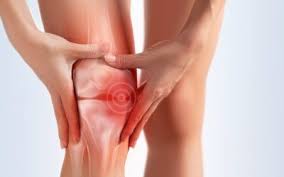
Below is another example image from our ligament-focused content to visually reinforce the idea that knee pain can have distinct mechanical sources.
We always encourage people to get evaluated when pain limits daily walking, creates swelling, or does not respond to a reasonable period of load modification and strengthening.
Related: Effective non-surgical options for knee osteoarthritis
What to Do This Week If Your Knee Hurts After Weight Loss
If you are dealing with knee pain after weight loss, we suggest a short, structured plan you can begin immediately. The goal is to calm pain, protect the knee from flare-ups, and set you up for safe progress.
Did You Know?
Among participants with ≥10% body-weight reduction, 68.1% are listed; among those achieving ≥30% reduction in WOMAC pain score, 77.6% are listed.
Source: ICER report
-
Track symptoms for 3 to 5 days: note where the knee pain occurs (front, inside, outside, behind), and what triggers it (stairs, squats, downhill, twisting).
-
Reduce the highest-trigger activity: if downhill or stairs spikes your knee hurt, temporarily shorten routes and avoid deep knee bends.
-
Choose low-impact movement: cycling or swimming can maintain fitness while you protect irritated tissues.
-
Use pain-guided loading: aim for exercises that feel “challenging but not worsening.” If pain escalates during or after, scale back.
-
Sleep and recovery matter: swelling and soreness often reflect inadequate recovery after increased activity.
If symptoms are new, severe, or include locking or giving way, consider getting assessed. For general knee injury context, our resource on knee pain can help you map symptoms to the right direction of care.
And if you are returning to exercise after weight loss, remember that we use a progressive plan. A sudden jump in volume can keep knee stress high and slow your improvement.
Long-Term Outlook: How Knee Pain After Weight Loss Often Improves in 2026
For many people, Knee pain after weight loss improves as strength, stamina, and movement patterns catch up. In 2026, we see the best outcomes when weight change is paired with consistent joint-friendly exercise and appropriate recovery.
That said, the timeline varies. Some people feel relief relatively quickly, while others need months to reduce knee pain meaningfully, especially if cartilage irritation or prior injury contributed to symptoms.
When you keep getting knee hurt despite weight loss, the solution is usually not to abandon progress. Instead, we focus on:
-
Consistency: keep activity steady, not spiky.
-
Targeted strengthening: improve the muscles that control knee tracking.
-
Biomechanics: adjust technique for stairs, squats, and downhill walking.
-
Condition-specific care: if it looks like meniscus, ligament, or patellar cartilage issues, address that pathway.
If your symptoms line up with a known diagnosis, explore the relevant guides on our site. For instance, ligament-focused information can be paired with guidance for bracing and stability, like ACL injury knee brace.
Conclusion
Knee pain after weight loss is real, and it can persist even when weight change is positive. In 2026, we encourage readers to look beyond the scale and consider recovery time, training load, and specific knee conditions that may be contributing to ongoing knee pain and knee hurt.
When you pair sensible pacing with strengthening and targeted support, many people improve. And when pain is severe, worsening, or mechanical in nature, we recommend getting assessed so your knee can heal with the right plan.
Frequently Asked Questions
Is knee pain after weight loss normal in 2026?
It can be common for some people to experience knee pain after weight loss while their body adjusts. In 2026, we explain this as a mix of recovery time, increased activity, and lingering joint sensitivity, especially if the knee is not yet strong enough for your new routine.
Why does my knee hurt after I lose weight?
Your knee hurt may increase if you raised walking volume, started more stairs, or returned to higher-impact exercise too quickly. We also see cases where weight loss reveals a specific issue like cartilage irritation or meniscus strain that was easier to ignore before.
How long does knee pain last after weight loss?
There is no single timeline, but many people need weeks to months for knee pain to calm once load and mechanics improve. If pain keeps escalating or you develop swelling, locking, or instability, you should get checked rather than waiting indefinitely.
What weight loss amount helps with knee pain improvement?
Evidence suggests larger losses tend to improve knee pain more consistently than smaller changes, and meaningful improvements are often linked to targets commonly framed around enough loss to matter clinically. If your symptoms persist, we focus on both the “dose” of weight loss and the non-weight factors that drive pain.
Can exercise cause knee pain after weight loss?
Yes. In 2026, returning to exercise is a frequent reason for Knee pain after weight loss, especially if activity ramps up faster than strength and tissue tolerance. Switching to low-impact work and using pain-guided progression often helps reduce knee hurt.
How do I know if my knee pain is from meniscus or osteoarthritis?
Meniscus-type pain often links to twisting, squatting, or mechanical symptoms like catching. Osteoarthritis-type knee pain more often involves gradual stiffness and pain with daily activities, and it can improve with weight loss and structured strengthening.
Should I use a knee brace if my knee pain started after weight loss?
A brace can help some people when instability or ligament-related symptoms are part of the story. We recommend pairing any support with strengthening and, if needed, exploring guidance like our ACL injury knee brace content to understand when bracing fits.
Related Articles

About the author: Mokhtar Sahraoui
Mokhtar Sahraoui is the founder and editor of Knee Hurt. He researches and writes practical, easy-to-understand guides on knee pain, knee injuries, arthritis and recovery, based on trusted medical sources. Knee Hurt articles are general information and are not a substitute for advice from your doctor or physical therapist.