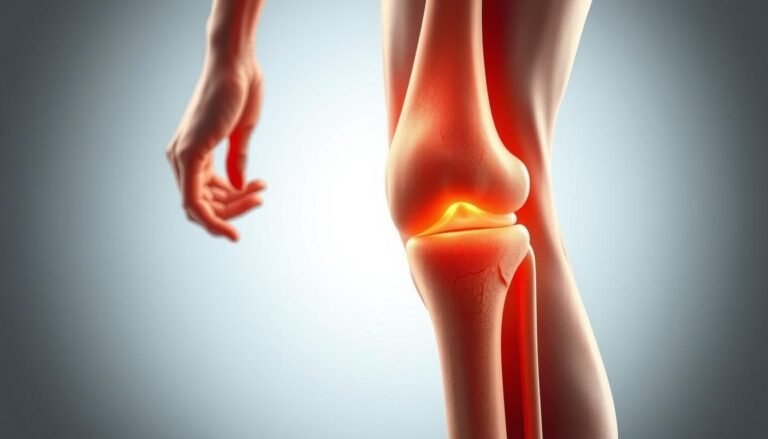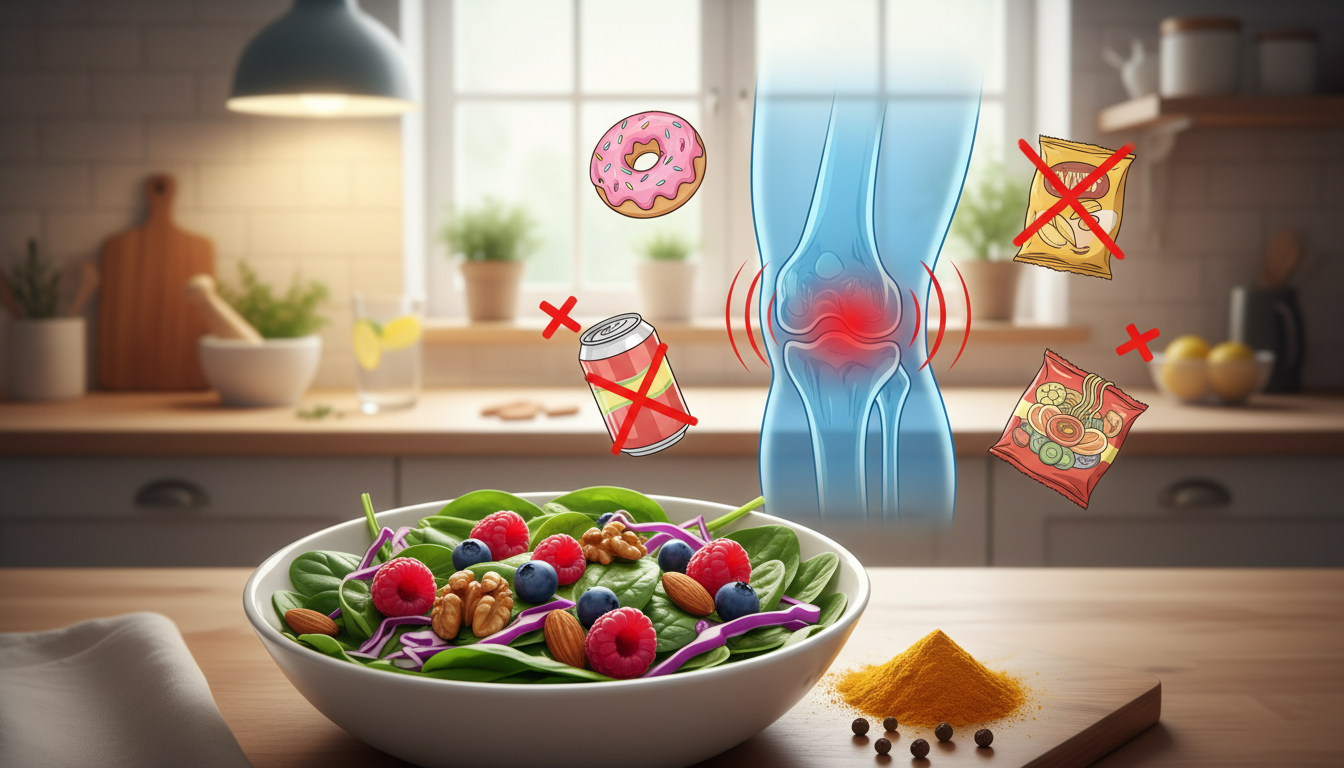
Foods to avoid with knee arthritis
What if the key to managing your joint pain isn’t found in a medicine cabinet, but in your kitchen?
Recent health data shows about 1 in 5 adults in the United States live with arthritis. This chronic condition affects daily life in profound ways.
Dr. Ajul Shah, a board-certified surgeon, notes that arthritis can make simple tasks like climbing stairs a significant challenge for patients.
We believe the connection between what you eat and how you feel is powerful. Your daily diet directly impacts your overall health and long-term quality of life.

knee arthritis diet
Managing your nutrition is a foundational step for anyone seeking better joint function and comfort. This guide provides actionable information. Our goal is to help you make smarter nutritional choices to support your mobility.
Key Takeaways
- Arthritis is a common condition that significantly impacts daily activities and mobility.
- Diet plays a crucial role in managing inflammation and joint health.
- Simple daily tasks can become challenging for people with chronic joint pain.
- Proactive nutritional choices are a key part of improving long-term quality of life.
- Understanding which dietary items may worsen symptoms is an empowering step for patients.
- A targeted approach to eating can help regain control over physical comfort.
Introduction
The journey to easing joint stiffness often begins with a closer look at what’s on your plate. We see nutrition as a foundational element for managing chronic conditions.
Dr. Ajul Shah, a board-certified surgeon, provides a key insight.
While there is no cure for most types of arthritis, diet remains a powerful tool for managing symptoms.
This perspective shifts the focus. It empowers individuals to take an active role in their comfort.
Overview of Joint Pain and Diet
What you consume directly influences the pain and stiffness many people experience. Specific items can trigger inflammatory responses in the body.
Understanding this link is essential. It allows for smarter daily choices that minimize discomfort.

overview of joint pain and diet connection
Our approach examines how certain selections can either worsen or soothe persistent joint issues. Small, consistent changes in your routine lead to significant improvements in well-being.
The table below outlines common dietary factors and their general effects.
| Dietary Factor | Potential Impact on Joints | Practical Management Tip |
| Highly Processed Foods | May increase systemic inflammation | Opt for whole, single-ingredient items |
| Sugary Snacks and Drinks | Can promote stiffness and swelling | Choose fruits for natural sweetness |
| High-Fat Dairy Products | Might aggravate pain for some individuals | Experiment with plant-based alternatives |
We provide insights into turning knowledge into action. The goal is better mobility and a higher quality of life through informed eating.
Understanding Knee Arthritis and Inflammation
Think of inflammation not just as swelling, but as a key biological signal that directly dictates your mobility and comfort. Dr. Ajul Shah notes this process is a primary factor in joint damage and the resulting pain for many patients.

understanding knee arthritis and inflammation
Chronic inflammation within the body acts like a constant alarm. It restricts movement and can accelerate the progression of this joint disease.
How Inflammation Affects Joint Mobility
Your immune system’s response to certain triggers leads to swelling and stiffness. This is a hallmark of arthritis symptoms.
Persistent inflammation erodes the smooth cartilage that cushions your joints. Over time, this loss of structural integrity makes simple motions painful and difficult.
The Role of Diet in Managing Symptoms
Your daily choices powerfully influence this inflammatory response. Adjusting what you eat can help calm the internal triggers that cause discomfort.
Our analysis shows reducing this biological fire is critical for long-term joint health. A strategic approach to nutrition offers a direct path to better symptom management.
| Inflammatory Trigger | Effect on Joints | Dietary Influence |
| Immune System Overactivity | Swelling, stiffness, and pain | Certain foods can modulate immune response |
| Cellular Stress Signals | Accelerated cartilage breakdown | Antioxidants from diet may offer protection |
| Systemic Inflammation | Widespread discomfort and reduced mobility | Diet is a primary lever to lower overall inflammation |
This connection empowers you. Making informed nutritional decisions helps maintain mobility and improves your daily quality of life.
Foods to avoid with knee arthritis
The science is clear: specific dietary items can act as triggers for persistent discomfort. Dr. Ajul Shah outlines eight key categories you should consider limiting.
This knowledge is a powerful tool for taking control of your well-being.
Why Certain Foods Trigger Inflammation
Some meals prompt your immune system to overreact. This response releases chemicals that cause swelling and stiffness in your joints.
Other items increase oxidative stress within the body. This process can damage tissues over time, making symptoms more pronounced.
Dr. Shah’s list helps you identify these common culprits. Avoiding them can calm the internal environment that fuels joint pain.

foods that trigger inflammation
The table below summarizes major groups linked to increased inflammation.
| Food Category | Primary Inflammatory Trigger | Potential Effect on Joints |
| Processed Meats & Red Meat | Advanced Glycation End Products (AGEs) | May increase systemic inflammation |
| Sugary Snacks & Drinks | Spike in blood sugar and cytokines | Can promote swelling and stiffness |
| Refined Carbohydrates | Rapid glucose release | Linked to higher oxidative stress |
| Unhealthy Cooking Oils | High Omega-6 fatty acid ratio | May disrupt natural anti-inflammatory pathways |
Scientific Insights and Evidence
Research shows that consistent dietary changes can slow tissue deterioration. Studies link pro-inflammatory diets to faster progression of arthritis.
Evidence suggests removing these triggers supports long-term joint health. It is a proactive step you can take today.
Your choices at mealtime directly influence your mobility and comfort.
Red Meat, High-Fat Dairy, and Processed Meats
The connection between a sizzling steak and stiff knees is more direct than many realize. Common protein and dairy sources can be significant contributors to joint discomfort.
We examine two major categories that often worsen symptoms. Understanding their components helps you make better choices.
Impact of Red Meat and Advanced Glycation End Products
Red meat, like beef and pork, contains compounds called advanced glycation end products (AGEs). These form during high-heat cooking methods like grilling or frying.
AGEs promote oxidative stress and increase systemic inflammation. This process can accelerate the progression of arthritis.
The high saturated fat content in these meats also triggers adipose tissue inflammation. This creates a body-wide inflammatory load that stresses your joints.
Considerations on High-Fat Dairy Alternatives
High-fat dairy products, including butter and heavy cream, present another concern. They contain saturated fats and proteins like casein.
Casein and arachidonic acid found in these items may worsen arthritis symptoms for some people. They can stimulate inflammatory pathways in the body.
Our guide suggests limiting these specific meats and dairy items. This simple step reduces the overall inflammatory burden on your joints.
| Food Category | Key Problematic Components | Direct Effect on Joints |
| Red & Processed Meats | Advanced Glycation End Products (AGEs), Saturated Fats | Increases oxidative stress and systemic inflammation |
| High-Fat Dairy (Butter, Cheese) | Casein, Arachidonic Acid, Saturated Fats | May stimulate inflammatory pathways, worsening symptoms |
| Combined Dietary Load | High AGEs and Saturated Fat Intake | Elevates overall inflammatory burden, stressing joint health |
Choosing leaner proteins and lower-fat dairy alternatives can be a powerful strategy for managing your comfort.
Excess Salt and Sugary Foods Impact
Two common kitchen staples—salt and sugar—play a surprising role in amplifying arthritis symptoms. These everyday items often slip under the radar, yet their effects on your joints are significant.
Salt’s Role in Water Retention and Joint Swelling
Excess sodium causes your body to retain water. This directly increases joint swelling and contributes to persistent discomfort.
Research indicates high salt levels can affect immune cells. This may worsen autoimmune responses in people with arthritis.
We recommend monitoring hidden sodium. It is prevalent in many prepackaged and restaurant-prepared products.
Sugary Foods and Their Effect on Cytokine Production
Sugary items trigger the production of inflammatory cytokines. These chemicals irritate your tissues and joints.
Avoiding processed snacks and soda is a practical step. It reduces sugar-induced inflammation that affects daily comfort.
Managing your intake of these common ingredients supports long-term joint health. It helps calm the internal environment that fuels pain.
Omega-6 Fatty Acids and Unhealthy Oils
Not all fats are created equal, especially when it comes to managing arthritis. Omega-6 fatty acids are essential for health, but modern diets often contain an excess.
This imbalance can promote chronic inflammation in your joints. We identify common sources to help you make informed choices.
Common Sources of Omega-6 Fatty Acids
These fats are prevalent in many vegetable oils. Corn, soybean, sunflower, and safflower oils are primary examples.
They also hide in everyday items like mayonnaise, salad dressings, and processed snacks. Chips and fried foods often use these oils.
Choosing Healthier Cooking Oils
Opt for oils with anti-inflammatory properties. Olive oil is a top recommendation due to its beneficial compounds.
Replacing corn or sunflower oil with options rich in omega-3s can help. Balancing your fatty acid intake is crucial for reducing the inflammatory response in your body.
| Oil Type | Primary Fat Composition | Impact on Inflammation |
| Corn, Soybean, Sunflower Oil | High in Omega-6 Fatty Acids | May promote inflammation |
| Olive Oil | High in Monounsaturated Fats | Offers anti-inflammatory benefits |
| Avocado Oil | Monounsaturated Fats | Neutral to beneficial |
Making this simple swap supports long-term joint health. It calms the internal environment that fuels discomfort.
Alcohol and Tobacco Products: A Hidden Culprit
Alcohol and tobacco are often overlooked, yet they play a direct role in aggravating arthritis symptoms. These lifestyle factors can silently increase systemic inflammation throughout the body.
We advise limiting these substances to improve your overall health. This step can reduce the frequency of painful flare-ups.
How Alcohol and Smoking Exacerbate Joint Pain
Alcohol acts as a diuretic. This leads to dehydration and can significantly worsen the joint pain experienced by people with arthritis.
Research also shows that alcohol can trigger gout. Gout is a painful form of inflammatory arthritis linked to high purine content.
Tobacco products restrict blood vessels. This reduces the essential blood flow required for healthy joints and tissue repair.
Our analysis confirms both are hidden culprits. They increase the inflammatory burden that stresses your mobility.
| Substance | Primary Mechanism | Impact on Joint Health |
| Alcohol | Acts as a diuretic, promotes dehydration, contains purines | Can exacerbate pain, may trigger gout flare-ups |
| Tobacco | Constricts blood vessels, reduces circulation | Limits nutrient delivery, impairs joint healing |
| Combined Use | Synergistic increase in systemic inflammation | Significantly raises risk of more severe and frequent symptoms |
Managing your intake is a powerful strategy. For a deeper look at other triggers, explore our guide on the top dietary culprits. Your choices support long-term comfort.
Practical Dietary Tips for Knee Health
Building a foundation for better mobility requires integrating smart eating with supportive lifestyle changes. Dr. Ajul Shah emphasizes that managing arthritis requires a combination of diet, regular exercise, and stress management.
This holistic approach supports your body’s natural healing processes. It can significantly improve your quality of life.
Meal Planning and Portion Control
Start with simple strategies. Using smaller plates helps control portions and reduces stress on your joints.
We encourage keeping a food diary. This helps identify which specific items trigger your unique arthritis symptoms over time.
Incorporating Anti-inflammatory Foods into Your Diet
Focus on adding beneficial items. Aim for at least two 3-ounce servings of fatty fish like salmon weekly.
These provide omega-3 fatty acids that fight inflammation. Another simple swap is using olive oil instead of butter.
Olive oil contains oleocanthal, a natural anti-inflammatory agent.
Lifestyle Modifications for Long-Term Benefits
Your daily habits are powerful. Regular low-impact exercise strengthens the muscles supporting your knees.
Stress management techniques, like yoga, can lower systemic inflammation. Improving your sleep routine is also essential for joint repair and long-term health.
| Focus Area | Practical Action | Expected Benefit for Joints |
| Portion Management | Use smaller plates, keep a food diary | Reduces weight-related stress, identifies symptom triggers |
| Anti-inflammatory Diet | Eat fatty fish twice weekly, use olive oil | Increases omega-3 intake, lowers inflammation |
| Supportive Lifestyle | Regular exercise, stress management, good sleep | Strengthens supporting muscles, reduces overall inflammatory load |
These combined steps form a sustainable plan for managing arthritis symptoms. They empower you to take active control of your comfort and mobility.
Conclusion
Your path to lasting joint comfort is built one mindful choice at a time. Managing your diet is a powerful, proactive step toward reducing the inflammation that drives chronic arthritis pain.
By limiting processed meats, excess salt, and sugary drinks, you can significantly improve daily comfort and mobility. This approach helps manage the disease and supports overall health.
We encourage you to consult with professionals like Dr. Hosny at The Spine & Rehab Group for a personalized plan. Your journey is unique. Tracking your intake of items like alcohol and certain oils can reveal triggers.
For deeper insights, explore our comprehensive guide on foods that impact arthritis.
We are committed to helping you live a full, active life. Small changes make a big difference for your joints.