MicrosoftTeams image 54ae

Exactech announces approval for its new 3D printed Vantage® ankle-tibial implants

GAINESVILLE, Fla., October 26, 2023–(BUSINESS WIRE)–Exactech, a developer and manufacturer of innovative implants, instrumentation and smart technologies for joint replacement surgery, today announced the 510(k) clearance of its new 3D printed tibial implants, the Vantage® Only 3D and 3D+. This is the second recent approval for the broader Vantage Total Ankle System, following Activit-E™, a new advanced vitamin E polyethylene, which received approval from the Food and Drug Administration last month.

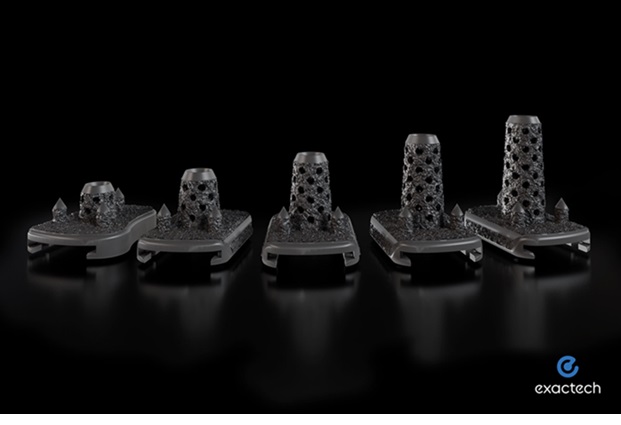
The new implants provide orthopedic surgeons with additional tibial height options for total ankle replacement patients. Both implants are 3D printed and designed with a porous surface that mimics subchondral bone to aid in biological fixation. They are fitted with pointed pegs and a central bone cage, of varying lengths, to achieve initial fixation. The Vantage Ankle 3D builds on the design philosophy of the system’s current tibial offering and is available in a 10mm height. The Vantage Ankle 3D+ is a stem implant with options of 15, 20, 25 and 30 mm.

“As an original member of the Vantage Ankle design team, I am excited about the next generation, state-of-the-art Vantage Ankle 3D and 3D+ tibial components,” said Mark Easley, MD, of Duke Health. “Developed through the collaborative efforts of our extensive team of expert consultant surgeons and experienced engineers, the redesigned tibial implants feature innovative, intuitive surgical technique and surgeon-friendly instrumentation.”

The Vantage Ankle 3D and 3D+ are compatible with Exactech’s patient-specific instruments, the Vantage Ankle PSI cutting guides. 3D Systems (NYSE:DDD), manufacturer of the Vantage Ankle PSI, previously received 510(k) clearance for four additional cutting guides, two of which are specifically made for use with these new tibial implants.

“We are laser-focused on delivering innovative solutions that our surgeons and patients need,” said Devan Carter, Exactech’s foot and ankle marketing director. “With these new additions, the Vantage Ankle now offers solutions from pre-operative planning to complex deformities, bringing us one step closer to providing a complete continuum of care.”

Full market availability for the Vantage Ankle 3D and 3D+ is expected before the end of 2024. For more information, please contact your local Exactech representative.

About Exactech

Exactech is a global medical device company that develops and markets orthopedic implant devices, related surgical instruments and Active Intelligence® platform of smart technologies for hospitals and doctors. Headquartered in Gainesville, Florida, Exactech markets its products in the United States, in addition to more than 30 markets in Europe, Latin America, Asia and the Pacific. Visit www.exac.com for more information and connect with us on LinkedIn, VuMedi, YouTube, Tweet and Instagram. With Exactech by your side you have EXACTLY what you need.

Contacts

Samantha DiVirgilio
Senior Manager Marketing Communications
media@exac.com

Source link

Similar Posts

  • Spineway-VEOS FDA 510(k) Clearance – Ortho Spine News

      Spineway receives 510(k) clearance from the FDA for its VEOS spinal fixation system Ecully, October 19, 2023- Spineway Group, a specialist in innovative implants for the treatment of serious spinal conditions, is pleased to announce the recent 510(k) clearance from the U.S. Food and Drug Administration (FDA) for its VEOS Spinal Fixation System. This…

  • Best ice machine for knee surgery (Game Ready, Polar Care)

    What if you could recover from knee surgery with less pain and fewer medications? This question is at the heart of modern post-operative care. Managing discomfort and swelling is a major challenge after an orthopedic procedure. cold therapy system Cold therapy offers a powerful, drug-free solution. It is a non-invasive method to control inflammation and pain directly at the source. Specialized units deliver consistent cooling to the affected area. This can significantly reduce the need for strong painkillers during the critical healing phase. We have thoroughly examined the market of recovery tools. Our guide focuses on leading systems, including various Breg Polar Care models and the Game Ready unit. Our goal is to help you navigate your options. You can find a system that fits your needs and supports a smoother, more comfortable recovery at home. Key Takeaways Cold therapy is a proven, drug-free method to manage pain and swelling after surgery. Using a dedicated cooling unit can help reduce reliance on narcotic pain medication. Popular systems like the Breg Polar Care line come in several models, such as the Cube, Kodiak, Glacier, and Wave. Game Ready is a leading unit that combines cold therapy with adjustable compression. Always consult your healthcare provider to ensure this therapy is right for your specific procedure. Selecting the right device involves considering your budget and recovery goals. Effective, consistent cooling can greatly improve comfort and outcomes during the healing process. Introduction to Knee Surgery Recovery and Cold Therapy Successfully navigating the first weeks post-surgery hinges on a structured recovery strategy. This plan must prioritize managing two key issues: discomfort and inflammation. This is where cold therapy, also called cryotherapy, becomes essential. It involves applying controlled cooling to the surgical area to reduce inflammation. After a procedure, fluid often accumulates in the joint. This swelling, known as edema, increases pressure and causes significant pain. The therapy works by constricting blood vessels. This action helps limit the amount of fluid and blood pooling at the injury site. Many surgeons now recommend a dedicated cooling device. These units provide consistent, targeted cold therapy that is far more effective than basic ice packs. Reducing swelling early is crucial. It directly supports efforts to regain a full range of motion in the knee during rehabilitation. Healthcare providers often prescribe this therapy as a safe alternative to stronger pain medications. Patients should always combine its use with specific exercise advice from a physiotherapist. This promotes healthy blood flow and ensures optimal healing. How Cold Therapy Works in Reducing Swelling and Pain Cold therapy targets the root causes of post-operative discomfort through a simple yet powerful process. It directly addresses the inflammation and pain that hinder healing. Mechanism of Action in Cold Therapy The primary mechanism involves using cold water to constrict blood vessels. This reduces blood flow and inflammation in the affected area. A dedicated unit provides a continuous, even distribution of this chilled liquid. It maintains a steady cold temperature for many hours. cold therapy mechanism Advantages Over Traditional Ice Packs Basic ice packs warm up quickly due to body heat. Their effectiveness diminishes within minutes. In contrast, a motorized therapy system eliminates frequent trips to the freezer. Its large, insulated reservoir ensures prolonged cooling. Specialized pads are designed for specific body parts. They deliver targeted cold therapy exactly where needed. This approach prevents the condensation issues of melting ice packs. It keeps the surgical site clean and dry, enhancing comfort and hygiene. Overview of Cold Therapy Devices for Post-Surgical Recovery The market offers two primary types of cold therapy units, each with distinct mechanisms and benefits. Selecting the right one depends on your mobility, budget, and recovery goals. We categorize these devices into gravity-fed and motorized systems. This helps you understand which technology best suits your specific needs. Types of Devices: Motorized and Gravity-Fed Systems Gravity-fed devices, like the Aircast Cryo/Cuff, use elevation to circulate water without a motor. They are cost-effective and portable. The simple physics of elevation moves chilled liquid through the pad. Motorized systems provide constant recirculation of cold water between a cooler and the pad. This is ideal for patients with limited mobility after a procedure. Brands like Breg Polar Care circulate water directly for efficient cooling. The DonJoy IceMan series uses dual pump technology for a comfortable temperature. Some advanced therapy units, such as the Ossur Cold Rush, feature an adjustable flow dial. This allows patients to customize their experience. Understanding these mechanical differences is key before making a purchase. Both types deliver effective cold therapy, but their operation varies. Key Features to Consider When Purchasing an Ice Machine Several practical factors determine how well a cold therapy machine will serve you at home. The right features enhance both effectiveness and convenience during your healing period. Consistency, Coverage, and Temperature Control Look for a unit that maintains a steady cold temperature. Consistent cooling is vital for safe, prolonged sessions. Good coverage means the pad fits your joint properly. This ensures the therapy reaches all affected areas. Adjustable controls let you fine-tune the intensity. This prevents skin irritation while maximizing comfort. cold therapy…

  • |

    Knee replacement rehab timeline

    What if the most critical part of your joint procedure happens after you leave the operating room? We understand that navigating the path to healing can feel overwhelming. Our guide is here to provide the clarity you need for a successful journey. knee replacement rehab timeline Data shows that movement often starts very quickly. Physical therapy typically begins within 24 hours after your procedure. This early step is vital for promoting faster healing and restoring mobility. For most people, the complete process of regaining strength spans several months. It’s a journey from the initial post-operative phase to full recovery, often taking between six and twelve months. We aim to help you manage expectations about the time required to return to the activities you love. While every patient’s experience is unique, understanding the general phases can significantly reduce anxiety. By following a structured plan, you can improve function and regain the independence you enjoyed before joint pain began. Your commitment to rehabilitation directly influences the long-term success of your new joint and overall health. Key Takeaways Physical activity often starts within a day of your procedure to aid healing. The full recovery process generally takes between six months and a year. Your personal journey is unique, but knowing common stages reduces worry. A structured plan is crucial for regaining function and independence. Your dedication to the process directly impacts your long-term results. This guide provides clarity to navigate each stage with confidence. Understanding Knee Replacement Surgery We believe informed patients are empowered patients, starting with the details of the operation itself. Knowing which procedure is right for you is a crucial first step in preparing for your healing journey. Differences Between Total and Partial Knee Replacement A total knee replacement involves resurfacing the entire joint with an artificial structure. Surgeons cut away worn cartilage and bone to create a new surface. In contrast, a partial knee replacement focuses only on the damaged compartment. This targeted approach often leads to a quicker recovery process with less discomfort. What to Expect During Surgery and Initial Recovery During your replacement surgery, the medical team precisely aligns the new components. This careful work is done to restore smooth movement and function. Your personal recovery timeline is influenced by factors like your age and general health. Understanding these differences helps you set realistic goals for after your knee surgery. The ultimate goal of this joint procedure is to provide lasting relief from chronic pain and improve your mobility. Immediate Post-Surgery Recovery The journey to regain your mobility starts the moment you wake from anesthesia. Your active participation is vital from these first hours. immediate post surgery recovery We emphasize that structured support begins almost immediately. This early phase sets the foundation for your entire healing process. Day 1: Initiating Rehabilitation and Mobility Physical therapy often starts within 24 hours of your procedure. Your physical therapist will help you take those first, crucial steps. They guide you in standing and walking with a walker or crutches. These initial sessions focus on basic, safe movements. You’ll practice sitting at the bedside and transferring your weight. This early activity promotes circulation and helps prevent complications. Transitioning from Hospital to Home Your medical team must see you meet specific safety criteria before discharge. You need to manage pain well and demonstrate independent movement. Key goals include standing from a chair and using the bathroom alone. Navigating a short flight of stairs is also a common requirement. Some individuals may leave the hospital on the same day as their operation. This is possible if all safety boxes are checked. Your care team will provide clear instructions for protecting your new joint. They will also give you simple exercises to continue at home. The First Week: Early Rehabilitation Steps Navigating the initial week after your operation requires a clear focus on gentle movement and symptom management. We guide you through this period where your routine prioritizes restoring a natural walking pattern and improving joint flexibility. early rehabilitation steps Guided Physical Therapy Exercises for Range of Motion During the first 48 hours, the primary goal is achieving full extension and increasing flexion. Your physical therapist will recommend specific movements to help. These early exercises are designed to prevent stiffness and promote circulation. Your daily routine is crucial for maintaining flexibility in this joint. Managing Pain, Swelling, and Initial Activity Controlling discomfort is a priority. Your doctor may advise using ice packs, elevating your leg, and taking medication as directed. You must monitor your incision site closely. The American Association of Hip and Knee Surgeons suggests waiting 5 to 7 days before showering if non-waterproof dressings are used. We encourage gentle activity, like using a stationary bike. This helps the area regain strength without overexertion. If you experience severe pain or excessive swelling, stop and consult your physical therapist or surgeon immediately. Following a structured rehabilitation timeline is key for a successful recovery….

  • Research into the impact of substitutes in professional football on physical and technical performance | BMC Sports sciences, medicine and rehabilitation

      The current study aimed to (1) quantify the physical and technical profile of substitutes, substitutes and players who completed the entire match, taking into account situational variables; (2) analyze the physical and technical performance difference between substitutes and players who substituted or completed the entire match at each playing position. Previous studies have mainly…

  • We need a better understanding of how COVID-19 has affected our athletes

      Self-reported mental health measures among incoming collegiate student-athletes who had SARS-COVID-19 Anderson MN, Gallo CA, Passalugo SW, Nimeh JM, Buckley TA. J Athl train. 2023 [published online ahead of print, 2023 May 26]10.4085/1062-6050-0554.22. Full text freely available Take home message Athletes with a history of COVID-19 infection may report slightly worse depression and anxiety…

  • |

    Knee Hurt When Straightening

    Knee pain can be a frustrating and debilitating issue for many people. One common symptom is difficulty straightening the knee, which can be caused by a variety of factors. In this article, we will explore the causes of knee pain when straightening the leg, as well as potential treatments and prevention strategies. Understanding knee pain…

3 Comments

Leave a Reply

Your email address will not be published. Required fields are marked *