MicrosoftTeams image 54ae

Exactech announces approval for its new 3D printed Vantage® ankle-tibial implants

GAINESVILLE, Fla., October 26, 2023–(BUSINESS WIRE)–Exactech, a developer and manufacturer of innovative implants, instrumentation and smart technologies for joint replacement surgery, today announced the 510(k) clearance of its new 3D printed tibial implants, the Vantage® Only 3D and 3D+. This is the second recent approval for the broader Vantage Total Ankle System, following Activit-E™, a new advanced vitamin E polyethylene, which received approval from the Food and Drug Administration last month.

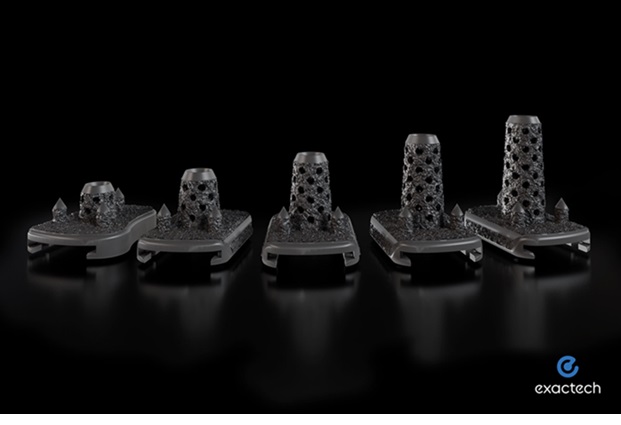
The new implants provide orthopedic surgeons with additional tibial height options for total ankle replacement patients. Both implants are 3D printed and designed with a porous surface that mimics subchondral bone to aid in biological fixation. They are fitted with pointed pegs and a central bone cage, of varying lengths, to achieve initial fixation. The Vantage Ankle 3D builds on the design philosophy of the system’s current tibial offering and is available in a 10mm height. The Vantage Ankle 3D+ is a stem implant with options of 15, 20, 25 and 30 mm.

“As an original member of the Vantage Ankle design team, I am excited about the next generation, state-of-the-art Vantage Ankle 3D and 3D+ tibial components,” said Mark Easley, MD, of Duke Health. “Developed through the collaborative efforts of our extensive team of expert consultant surgeons and experienced engineers, the redesigned tibial implants feature innovative, intuitive surgical technique and surgeon-friendly instrumentation.”

The Vantage Ankle 3D and 3D+ are compatible with Exactech’s patient-specific instruments, the Vantage Ankle PSI cutting guides. 3D Systems (NYSE:DDD), manufacturer of the Vantage Ankle PSI, previously received 510(k) clearance for four additional cutting guides, two of which are specifically made for use with these new tibial implants.

“We are laser-focused on delivering innovative solutions that our surgeons and patients need,” said Devan Carter, Exactech’s foot and ankle marketing director. “With these new additions, the Vantage Ankle now offers solutions from pre-operative planning to complex deformities, bringing us one step closer to providing a complete continuum of care.”

Full market availability for the Vantage Ankle 3D and 3D+ is expected before the end of 2024. For more information, please contact your local Exactech representative.

About Exactech

Exactech is a global medical device company that develops and markets orthopedic implant devices, related surgical instruments and Active Intelligence® platform of smart technologies for hospitals and doctors. Headquartered in Gainesville, Florida, Exactech markets its products in the United States, in addition to more than 30 markets in Europe, Latin America, Asia and the Pacific. Visit www.exac.com for more information and connect with us on LinkedIn, VuMedi, YouTube, Tweet and Instagram. With Exactech by your side you have EXACTLY what you need.

Contacts

Samantha DiVirgilio
Senior Manager Marketing Communications
media@exac.com

Source link

Similar Posts

  • |

    Knee Pain Relief Products

    Knee Pain Relief Products: Top Picks for Effective Relief Knee pain is a common issue that affects millions of people around the world. Whether it’s caused by an injury, arthritis, or overuse, knee pain can be debilitating and interfere with daily activities. Fortunately, there are many knee pain relief products available that can help alleviate…

  • Ready, set, go: New research shows how marathon running affects different foot muscles

      With the current trend of fitness consciousness, many people have included long-distance running as part of their exercise regimen. They also participate in several local, national and global marathons. But marathon running can lead to muscle fatigue and damage to the foot muscles, which in turn can lead to chronic pain or injuries. Currently,…

  • |

    Failed knee replacement symptoms

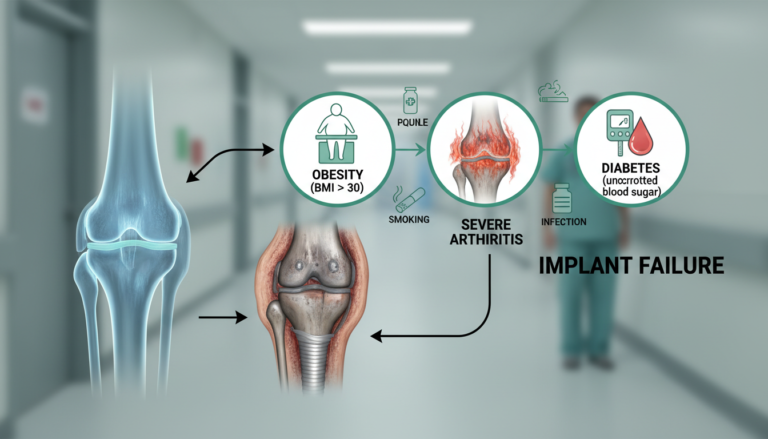
    What if the relief you expected after your joint procedure never arrives? This unsettling question faces a small percentage of individuals each year. While statistics show that 85% to 90% of patients enjoy successful outcomes for 15 to 20 years after their initial knee replacement surgery, some do not. failed knee replacement symptoms We understand that persistent discomfort following this major operation can be a source of deep frustration. It can severely limit your mobility and daily life. Our guide is here to shed light on the various signs that may indicate your implant is not performing as designed. Identifying these indicators early is critically important. It ensures you get the right medical attention and potential intervention from a qualified specialist. If you experience persistent pain and stiffness, understanding the next steps is vital. We will walk you through common warning signs, the diagnostic process, and the treatment paths available to restore your comfort and movement. Key Takeaways Most knee replacement procedures are highly successful for many years. Recognizing early warning signs of a problem is crucial for your health. Specialized care models, like the one at University of Utah Hospital, combine expert teams for complex cases. Persistent pain, swelling, or instability after recovery should not be ignored. Several effective treatment options exist to address implant issues. Early consultation with an orthopedic surgeon can lead to better outcomes. Your long-term mobility and quality of life are the ultimate goals. Understanding Knee Replacement Surgery Modern orthopedic medicine offers a reliable solution for severe joint damage through artificial joint implantation. This procedure aims to restore comfortable movement when natural cartilage wears down. knee replacement surgery components How Knee Replacements Work During this operation, surgeons remove damaged joint surfaces. They replace them with precisely engineered metal and plastic components. These artificial parts are designed to glide smoothly. They mimic your joint’s natural motion, reducing discomfort. Fixation Method How It Works Key Consideration Cemented Fixation Special bone cement bonds the implant directly to your bone. Provides immediate, strong stability after the operation. Biologic Fixation The bone grows into a porous coating on the device over time. Creates a durable, long-term bond without cement. Surgeon’s Choice The method is selected based on your bone quality and age. Each technique has specific advantages for different situations. Long-Term Expectations and Implant Lifespan Most modern devices are engineered for durability. A typical lifespan ranges from 15 to 20 years. “The longevity of a joint implant depends on multiple factors, including the patient’s activity level and overall bone health.” We emphasize that these components are not indestructible. They experience natural wear from daily use over time. Regular monitoring helps ensure your artificial joint functions well for as long as possible. Your activity choices and general health play significant roles. Recognizing Failed Knee Replacement Symptoms When an artificial joint doesn’t function as intended, your body sends distinct signals that demand attention. Learning to identify these signs is crucial for your long-term health and mobility. Persistent Pain and Swelling Persistent pain in the knee joint that lingers long after the typical recovery period is a primary indicator. This pain isn’t normal soreness. It often presents as a deep, constant ache. Swelling around the knee joint that refuses to fade with rest is another red flag. Persistent pain and swelling are common companions. They can suggest underlying issues like inflammation or component loosening. Instability and Changes in Joint Function A feeling of instability, where your leg might buckle, is alarming. This instability often feels like the joint is giving way when you put weight on it. You might also notice a noticeable decline in how well it moves. Stiffness, developing a limp, or hearing odd popping noises are critical functional changes. We encourage you to monitor these signs closely. They are the primary indicators that your implant may require further clinical assessment. Common Causes of Knee Replacement Failure…

  • |

    Ginger shows promise as a natural defense against autoimmune diseases

      This is evident from a recent study published in the journal JCI Insight, the authors built on their previous work examining the anti-autoimmune disease effects of 6-gingerol, the most abundant phytochemical produced by the roots of the ginger herb. Because their previous work showed that this plant extract could reverse the effects of neutrophil…

3 Comments

Leave a Reply

Your email address will not be published. Required fields are marked *