

Knees Hurt from Cold?
Knees Hurt from Cold? Here’s What You Need to Know
As the temperature drops, many of us may experience an uncomfortable sensation in our knees. Whether it’s a dull ache or sharp pain, cold-induced knee pain can be a frustrating and distracting issue. In this article, we’ll explore the connection between cold weather and knee pain, as well as strategies for preventing and managing this discomfort.
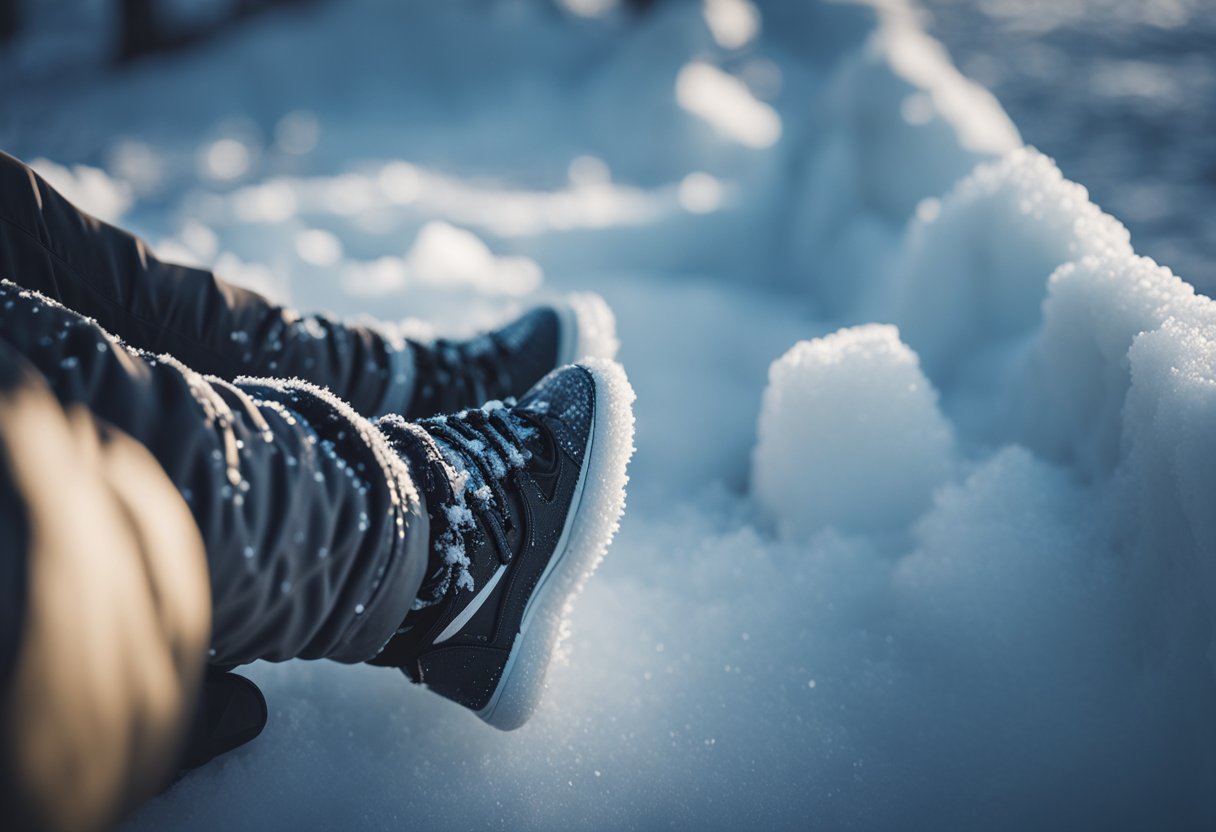
One possible explanation for cold-induced knee pain is the effect of temperature on joint fluid. When the weather gets colder, the fluid inside our joints may become thicker and less effective at lubricating and cushioning the joint. This can lead to increased friction and pressure, causing pain and discomfort. Additionally, cold weather can cause our muscles to contract and tighten, which can further exacerbate knee pain.
If you’re experiencing knee pain in cold weather, there are several steps you can take to alleviate your discomfort. From staying active and stretching regularly to wearing warm, supportive clothing, there are many simple strategies that can help you manage cold-induced knee pain. However, it’s important to note that if your pain is severe or persistent, it may be a sign of a more serious underlying condition. In these cases, it’s important to consult with a healthcare provider to determine the best course of treatment.
Key Takeaways
- Cold weather can cause joint fluid to become thicker and less effective, leading to knee pain.
- Strategies for preventing and managing cold-induced knee pain include staying active, stretching, and wearing warm, supportive clothing.
- If knee pain is severe or persistent, it may be a sign of a more serious underlying condition and should be evaluated by a healthcare provider.
Understanding the Connection Between Cold Weather and Knee Pain
When temperatures drop, many people experience pain and discomfort in their knees. While the exact cause of this phenomenon is not fully understood, there are several factors that may contribute to cold weather-related knee pain.
Effects of Cold on Joints and Knees
Cold weather can cause joints and knees to become stiff and achy. This is because cold temperatures can cause joint fluid to thicken, which can make it more difficult for joints to move smoothly. Additionally, cold weather can cause nerve sensitivity, which can lead to increased pain and discomfort in the knees.
Role of Arthritis and Injuries
Arthritis is a common cause of knee pain, and cold weather may exacerbate symptoms associated with this condition. Arthritis is an inflammatory condition, and cold temperatures can cause inflammation to worsen. Additionally, people who have experienced knee injuries may be more susceptible to pain and discomfort in cold weather.
Influence of Weight and Nutrition
Maintaining a healthy weight and getting proper nutrition can help reduce the risk of knee pain in cold weather. Extra pounds can put added pressure on the knees, making them more susceptible to pain and discomfort. Additionally, getting enough vitamin D and other nutrients can help keep joints healthy and reduce the risk of inflammation and swelling.
Impact of Mood and Weather Changes
Changes in mood and weather can also play a role in cold weather-related knee pain. People who suffer from depression or other mood disorders may be more likely to experience pain and discomfort in cold weather. Additionally, changes in atmospheric pressure can cause joint pain and discomfort, especially in people with arthritis.
In summary, cold weather-related knee pain is a common issue that can be caused by a variety of factors, including joint stiffness, nerve sensitivity, arthritis, injuries, excess weight, poor nutrition, and changes in mood and weather. By taking steps to maintain joint health, manage pain, and stay active, people can reduce their risk of experiencing knee pain in cold weather.
Prevention and Management of Cold-Induced Knee Pain
If you are someone who experiences knee pain during colder months, there are steps you can take to prevent and manage discomfort. Below are some tips:
Exercise and Physical Therapy
Staying active is crucial for maintaining healthy knees. Regular exercise helps increase blood flow, strengthens muscles, and improves joint mobility. Physical therapy can also be beneficial for those with knee problems. A physical therapist can create a personalized exercise plan to help alleviate knee pain and prevent further strain.
Heat Therapy and Warm Environment
Applying heat to the affected area can help reduce pain and stiffness. A heating pad, warm showers, or a warm bath can provide relief. It’s also important to stay warm in cold weather. Dressing in layers, using an electric blanket, and staying indoors can help prevent knee discomfort.
Proper Rest and Medication
Proper rest is essential for knee health. Getting enough sleep and avoiding activities that cause knee strain can help prevent pain. Over-the-counter pain medication, such as ibuprofen, can also be used for pain management. However, it’s important to consult with a healthcare professional before taking any medication.
In addition to the above tips, there are other ways to prevent and manage cold-induced knee pain. Yoga and swimming are low-impact exercises that can help improve knee mobility and reduce strain. Drinking enough water is also important for joint health.
Overall, taking care of your knees during colder months is crucial for preventing discomfort. By staying active, applying heat therapy, and getting enough rest, you can help maintain healthy knees and reduce pain.
When to Consult a Doctor
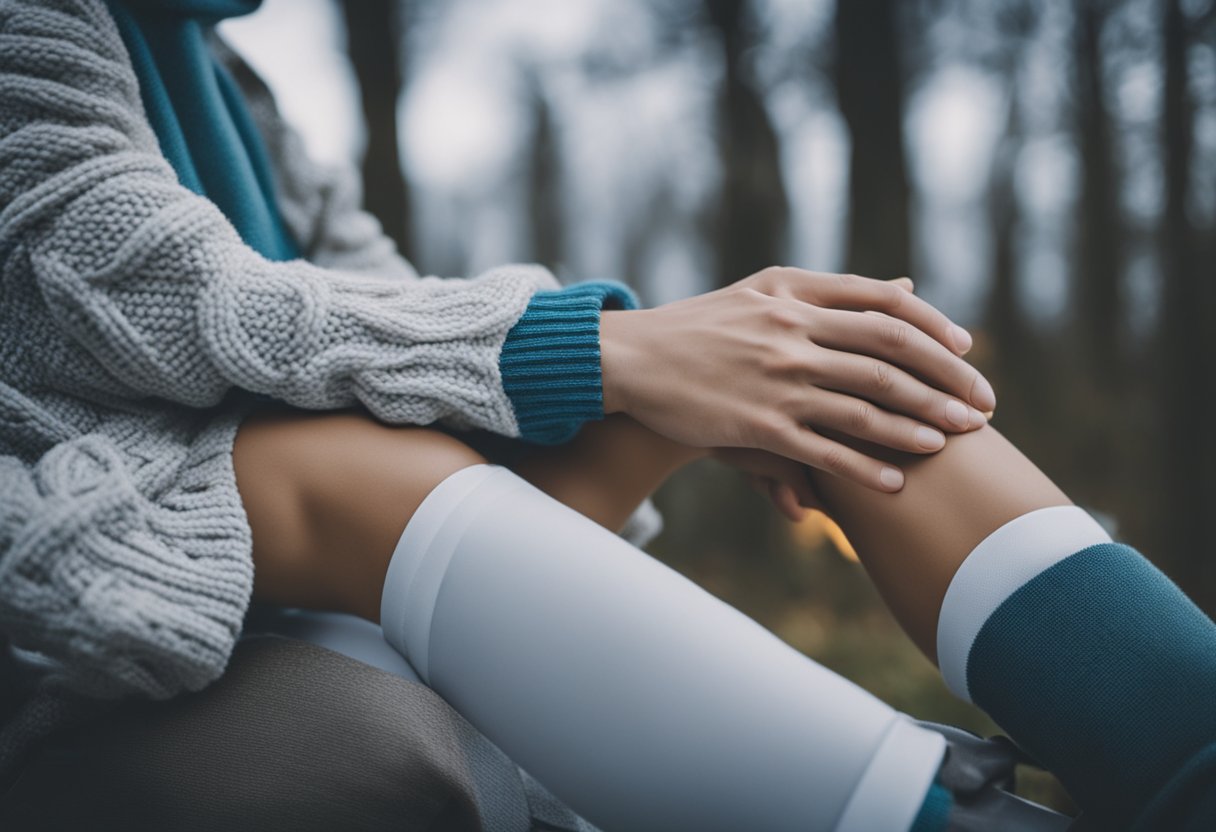
If you experience knee pain in cold weather, it is important to consult a doctor if the pain is severe or persistent. While some discomfort is normal, excessive pain can be a sign of a serious condition that requires medical attention.
If you notice any of the following symptoms, you should make an appointment with a doctor:
- Fever
- Deformity
- Disability
- Weakness
- Infections
A doctor can perform a thorough examination and diagnosis to determine the underlying cause of your knee pain. In some cases, surgery may be necessary to correct the problem.
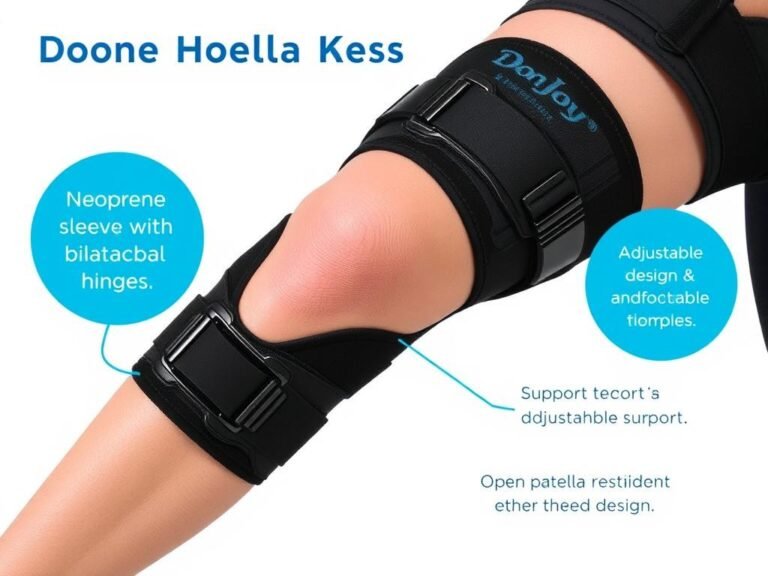
If you have knee bursitis, dislocated knee, or runner’s knee, a doctor may recommend wearing a knee brace to provide support and stability to the joint. Patellar tendonitis may require physical therapy or other forms of treatment to help relieve pain and strengthen the knee.
It is important to seek medical attention if you experience any of these symptoms, as delaying treatment can lead to further damage and complications.
Frequently Asked Questions

Why do my legs hurt when cold air hits them?
Cold air can cause the blood vessels in your legs to constrict, which reduces blood flow to the area. This can cause discomfort and pain in your legs. Additionally, the cold can cause the fluid in your joints to thicken, which can lead to stiffness and limited mobility.
Why do my knees get cold at night?
Your knees may get cold at night because they are less insulated than other parts of your body. Additionally, if you sleep in a cold room or with a window open, the cold air can cause your knees to feel chilly.
Is it normal for my knees to hurt in the cold?
Yes, it is normal for your knees to hurt in the cold. Cold weather can exacerbate joint pain and stiffness, particularly if you have arthritis or other joint-related conditions.
What helps knee pain in cold weather?
There are several things you can do to help alleviate knee pain in cold weather. Staying active and exercising regularly can help keep your joints flexible and reduce stiffness. Wearing warm clothing and staying in a warm environment can also help. Additionally, taking over-the-counter pain relievers, such as ibuprofen or acetaminophen, can help reduce pain and inflammation.
How do you stop joint pain from a cold?
To stop joint pain from a cold, it is important to stay warm and keep your joints moving. Exercise and stretching can help keep your joints flexible and reduce stiffness. Wearing warm clothing and staying in a warm environment can also help. Additionally, taking over-the-counter pain relievers, such as ibuprofen or acetaminophen, can help reduce pain and inflammation.
Can you get arthritis from cold knees?
No, you cannot get arthritis from cold knees. However, cold weather can exacerbate joint pain and stiffness, particularly if you have arthritis or other joint-related conditions. It is important to stay warm and keep your joints moving to help alleviate these symptoms.



One Comment