
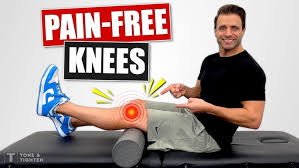
Knee Pain Relief
Knee Pain Relief: Effective Strategies to Alleviate Discomfort
If you’re experiencing knee pain, you’re not alone. Knee pain is a common complaint, affecting people of all ages and lifestyles. Knee pain can be caused by a variety of factors, including injury, overuse, or underlying medical conditions such as arthritis. Regardless of the cause, knee pain can be frustrating and debilitating, making it difficult to perform even the simplest of daily tasks.

Fortunately, there are many ways to find relief from knee pain. Treatment options range from lifestyle changes and home remedies to medical interventions such as medications and surgery. Understanding the underlying cause of your knee pain is key to finding the most effective treatment plan. In this article, we’ll explore the causes of knee pain, as well as the most effective ways to manage and treat it.
Key Takeaways
- Knee pain is a common complaint that affects people of all ages and lifestyles.
- Treatment options for knee pain range from lifestyle changes and home remedies to medical interventions such as medications and surgery.
- Understanding the underlying cause of your knee pain is key to finding the most effective treatment plan.
Understanding Knee Pain
Knee pain is a common issue that affects people of all ages. It can be caused by a variety of factors, including injury, wear and tear, and medical conditions such as arthritis. In this section, we will discuss the causes and symptoms of knee pain, as well as the different types of knee pain.
Causes and Symptoms
Knee pain can be caused by a variety of factors, including injury, wear and tear, and medical conditions such as arthritis. Some common causes of knee pain include:
- Injury: Knee injuries can be caused by falls, sports accidents, or other trauma to the knee joint. Common knee injuries include sprains, strains, and tears of the ligaments or tendons in the knee.
- Wear and Tear: Over time, the knee joint can become worn down due to normal use. This can lead to conditions such as knee osteoarthritis, which is a degenerative condition that causes the cartilage in the knee joint to break down.
- Medical Conditions: Knee pain can also be caused by medical conditions such as arthritis, gout, and bursitis. Arthritis is a common cause of knee pain, and can be caused by both osteoarthritis and rheumatoid arthritis.
Symptoms of knee pain can include:
- Pain: Knee pain can range from mild to severe, and can be felt in different parts of the knee joint.
- Swelling: Inflammation of the knee joint can cause swelling and stiffness.
- Popping or Clicking: Some people may experience popping or clicking sounds in the knee joint when they move.
- Redness and Bruising: In some cases, knee pain may be accompanied by redness and bruising around the knee joint.
If you experience severe knee pain or fever, it is important to seek medical attention immediately.
Types of Knee Pain
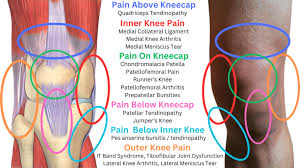
There are several different types of knee pain, each with its own causes and symptoms. Some common types of knee pain include:
- Front Knee Pain: Pain in the front of the knee joint can be caused by conditions such as patellofemoral pain syndrome or chondromalacia patella.
- Lateral Knee Pain: Pain on the outside of the knee joint can be caused by conditions such as iliotibial band syndrome or lateral collateral ligament sprains.
- Medial Knee Pain: Pain on the inside of the knee joint can be caused by conditions such as medial collateral ligament sprains or meniscus tears.
- Pain Below Knee: Pain below the knee joint can be caused by conditions such as tendonitis or shin splints.
In conclusion, knee pain can be caused by a variety of factors, including injury, wear and tear, and medical conditions. Symptoms of knee pain can include pain, swelling, popping, and redness. There are several different types of knee pain, each with its own causes and symptoms. If you experience severe knee pain or fever, it is important to seek medical attention immediately.
Treatment and Management
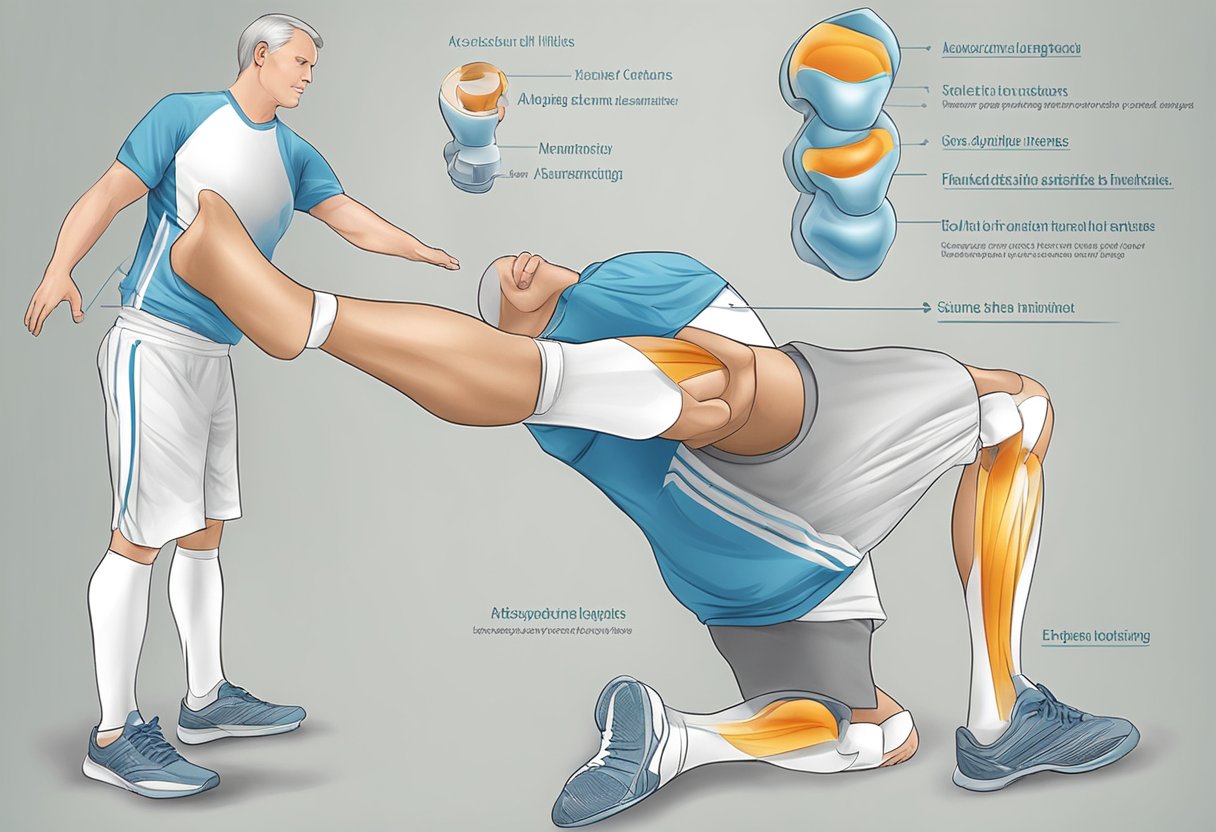
When it comes to managing knee pain, there are a variety of treatment options available. In this section, we’ll cover the most common medical treatments and physical therapy exercises that can help alleviate knee pain.
Medical Treatments
If your knee pain is severe or persistent, it’s important to seek medical attention. Your doctor may recommend imaging tests such as an MRI or X-ray to determine the underlying cause of your pain. Depending on the diagnosis, your doctor may recommend medication or injections to help manage your pain.
Over-the-counter medications such as ibuprofen or naproxen can help reduce inflammation and alleviate pain. Corticosteroids are another option that can be injected directly into the knee joint to reduce inflammation and pain. In some cases, hyaluronic acid or platelet-rich plasma injections may be recommended to help improve joint function.
Physical Therapy and Exercises
Physical therapy is a common treatment option for knee pain. A physical therapist can work with you to develop a personalized exercise plan that can help improve strength, flexibility, and range of motion in your knee joint. Strengthening exercises can help improve the stability of the knee joint, while range of motion exercises can help improve flexibility and reduce stiffness.
Tai chi is another form of exercise that has been shown to be effective in managing knee pain. This low-impact exercise involves slow, controlled movements that can help improve balance, flexibility, and strength. Your physical therapist may also work with you to develop movement patterns that can help reduce stress on the knee joint during everyday activities.
In addition to exercise, your physical therapist may recommend the use of braces or a knee brace to help support the knee joint. A cane may also be recommended to help reduce stress on the knee joint while walking. TENS (transcutaneous electrical nerve stimulation) may also be used to help alleviate pain and improve joint function.
Overall, there are a variety of treatment options available for managing knee pain. By working with your doctor and physical therapist, you can develop a personalized treatment plan that can help improve joint function and alleviate pain.
Lifestyle and Home Remedies

When it comes to managing knee pain, lifestyle changes and home remedies can be effective in reducing discomfort and improving mobility. Here are some lifestyle and home remedies that may help alleviate knee pain:
Weight Management
Maintaining a healthy weight is crucial for reducing knee pain, especially if you are overweight or obese. Excess weight puts additional stress on your knees, which can lead to pain and inflammation. Losing weight through a combination of diet and exercise can help reduce the load on your knees and improve joint function.
Diet and Supplements
Certain foods and supplements may help reduce knee pain and inflammation. Omega-3 fatty acids found in fish and nuts have anti-inflammatory properties and may help reduce knee pain. Glucosamine and chondroitin supplements have also been shown to reduce knee pain in some people.
Home Care Techniques
There are several home care techniques that can help alleviate knee pain. Rest, ice, compression, and elevation (RICE) can help reduce pain and inflammation. Applying an ice pack to the affected area for 15-20 minutes several times a day can help reduce swelling and pain. Elevating your knee above your heart can also help reduce swelling. Using a heating pad or taking a warm bath can help relax muscles and reduce pain.
In addition to RICE, there are other home remedies that can be effective in reducing knee pain. For example, water aerobics and swimming can be low-impact exercises that are easier on your knees than running or jumping. Wearing supportive shoes can also help reduce knee pain, as can doing exercises to strengthen the muscles around your knees.
Overall, lifestyle changes and home remedies can be effective in reducing knee pain and improving joint function. If your knee pain persists or worsens, however, it is important to consult with a healthcare professional to determine the underlying cause and appropriate treatment plan.
Frequently Asked Questions
What are some causes of knee pain?
Knee pain can be caused by a variety of factors, including osteoarthritis, rheumatoid arthritis, tendinitis, bursitis, meniscal tears, and ligament injuries. In some cases, knee pain may be caused by overuse or strain from physical activity.
How can I reduce knee pain while walking?
To reduce knee pain while walking, it is important to wear comfortable and supportive shoes. Avoid high heels or shoes that do not fit properly. You may also benefit from using a knee brace or orthotic device to provide additional support and stability.
What is the best knee pain relief cream?
There are many different types of knee pain relief creams available, each with their own unique set of ingredients and benefits. Some popular options include capsaicin cream, which contains a natural pain reliever derived from chili peppers, and menthol-based creams, which provide a cooling sensation that can help to alleviate pain and inflammation.
How can I relieve knee pain at night?
To relieve knee pain at night, try sleeping with a pillow between your knees to help reduce pressure on the joint. You may also benefit from using a heating pad or taking a warm bath before bed to help relax your muscles and ease pain and stiffness.
How can I treat a knee injury from falling?
If you have sustained a knee injury from falling, it is important to rest the joint and avoid putting weight on it as much as possible. You may also benefit from using ice or a cold compress to help reduce swelling and inflammation. If your symptoms persist or worsen, seek medical attention.
What are some natural ways to relieve knee pain?
Some natural ways to relieve knee pain include practicing low-impact exercises like swimming or cycling, maintaining a healthy weight to reduce pressure on the joint, and incorporating anti-inflammatory foods like turmeric and ginger into your diet. You may also benefit from using essential oils like lavender or peppermint, which can help to reduce pain and inflammation.



4 Comments