
How to Avoid Knee Replacement Surgery
As we age, our joints may begin to wear down, leading to pain and discomfort, especially in the knees. For many people, knee replacement surgery may seem like the only option to alleviate this pain. However, the surgery is invasive and involves a long recovery period. Fortunately, there are preventative strategies and medical interventions that can help avoid the need for knee replacement surgery.

One of the most effective ways to avoid knee replacement surgery is by taking preventative measures for knee health. This includes maintaining a healthy weight, staying active with low-impact exercises, and avoiding high-impact activities that can put stress on the knees. Additionally, incorporating strength training exercises to build the muscles around the knees can help provide support and prevent injury.
If knee pain does occur, there are medical interventions and therapies that can help alleviate the pain and avoid surgery. These include physical therapy, injections, and medication. Physical therapy can help strengthen the muscles around the knee, while injections such as hyaluronic acid can provide lubrication and reduce inflammation. Medications such as nonsteroidal anti-inflammatory drugs (NSAIDs) can also help manage pain and inflammation. By combining preventative strategies and medical interventions, knee replacement surgery can often be avoided.
Key Takeaways
- Maintaining a healthy weight, staying active with low-impact exercises, and avoiding high-impact activities can help prevent knee pain and the need for surgery.
- Physical therapy, injections, and medication can help alleviate knee pain and inflammation and avoid surgery.
- By combining preventative strategies and medical interventions, knee replacement surgery can often be avoided.
Preventative Strategies for Knee Health
At some point in our lives, many of us will experience knee pain or discomfort. While knee replacement surgery may seem like the only solution, there are preventative strategies that we can implement to maintain knee health and avoid surgery altogether.
Exercise and Muscle Strengthening
Regular exercise and muscle strengthening can help us avoid knee replacement surgery. According to a study by Harvard Health, strengthening the muscles around the knee joint, such as the quadriceps and hamstrings, can help alleviate knee pain caused by osteoarthritis. Additionally, exercises that improve balance and flexibility, such as yoga and tai chi, can help reduce the risk of falls and injuries.
Weight Management and Nutrition
Maintaining a healthy weight through proper nutrition and exercise can also help prevent knee replacement surgery. According to Patient.info, losing weight can reduce the load on the knee joint, which can alleviate pain caused by knee osteoarthritis. Additionally, certain dietary supplements such as glucosamine and chondroitin may help reduce knee pain and improve joint function.
Joint Care and Activity Modification
Taking care of our knee joints and modifying our activities can also help prevent knee replacement surgery. Low-impact activities such as cycling and swimming can help maintain knee health without putting too much stress on the joint. High-impact activities such as running and jumping should be avoided or modified to reduce the risk of knee injury. Additionally, avoiding activities that require repetitive knee bending, such as kneeling or squatting, can help prevent knee pain and discomfort.
By implementing these preventative strategies for knee health, we can maintain strong, healthy knees and avoid the need for knee replacement surgery.
Medical Interventions and Therapies
When it comes to knee pain, surgery is not always the first option. In fact, there are several non-surgical treatment options that we can try before considering surgery. Here are some of the most common non-surgical treatment options:
Non-Surgical Treatment Options
- Physical Therapy: Physical therapy is one of the most effective ways to manage knee pain and avoid surgery. A physical therapist can help us improve our range of motion, mobility, and knee function. They can also teach us exercises to strengthen the muscles around our knee, which can help reduce pain and inflammation.
- Injections: There are several types of injections that we can get to manage knee pain. Corticosteroid injections can help reduce inflammation and pain. Hyaluronic acid injections can help lubricate the knee joint and improve mobility. Platelet-rich plasma (PRP) injections can help stimulate the body’s natural healing process.
- Pain Medication: Pain medication can help manage knee pain, but it should only be used as a short-term solution. Over-the-counter pain medication like acetaminophen and ibuprofen can help reduce pain and inflammation. However, prescription pain medication should only be used under the guidance of a doctor.
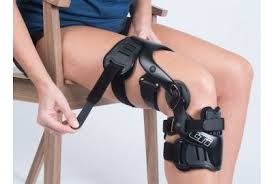
- Braces: Knee braces can help support the knee and reduce pain. There are several types of knee braces, including unloader braces, which can help shift weight away from the affected part of the knee.
Understanding Surgical Risks and Alternatives
If non-surgical treatment options do not work, surgery may be necessary. However, it is important to understand the risks and alternatives before undergoing surgery.
- Partial Knee Replacement: If only one part of the knee is damaged, a partial knee replacement may be an option. This type of surgery is less invasive than a total knee replacement and has a shorter recovery time.
- Surgical Techniques: There are several surgical techniques that can be used to perform knee replacement surgery. These include traditional surgery, minimally invasive surgery, and computer-assisted surgery. Each technique has its own advantages and disadvantages, and we should discuss these options with our doctor.
- Complications: Like any surgery, knee replacement surgery can have complications. These include infection, blood clots, and nerve damage. It is important to discuss these risks with our doctor before undergoing surgery.
In conclusion, there are several non-surgical treatment options that we can try before considering knee replacement surgery. If surgery is necessary, it is important to understand the risks and alternatives before undergoing the procedure. Our doctor can help us make the best decision for our individual situation.
Frequently Asked Questions

What are the most effective non-surgical treatments for knee cartilage issues?
If you are experiencing knee pain due to cartilage issues, there are several non-surgical treatments available that can help alleviate your symptoms. These include physical therapy, weight loss, injections, and medication. Physical therapy can help improve your knee’s range of motion, strength, and flexibility. Weight loss can reduce the pressure on your knees and decrease pain. Injections such as corticosteroids or hyaluronic acid can help reduce inflammation and pain. Medications such as nonsteroidal anti-inflammatory drugs (NSAIDs) can also help relieve pain and inflammation.
What are the primary reasons one should consider alternatives to knee replacement surgery?
While knee replacement surgery can be a highly effective treatment for severe knee pain, it is not always the best option for everyone. Some of the primary reasons to consider alternatives to knee replacement surgery include the desire to avoid surgery and its associated risks, concerns about the long-term durability of the implant, and the desire to maintain an active lifestyle. Additionally, some patients may not be good candidates for surgery due to other medical conditions or age-related factors.
What are the disadvantages associated with undergoing knee replacement surgery?
While knee replacement surgery can be a highly effective treatment for severe knee pain, it is not without its risks and disadvantages. Some of the disadvantages associated with knee replacement surgery include the risk of infection, blood clots, and nerve damage. Additionally, the implant may wear out over time, requiring additional surgery to replace it. Recovery from knee replacement surgery can also be lengthy and require extensive rehabilitation.
What non-surgical options are available for severe bone-on-bone knee conditions?
If you are experiencing severe bone-on-bone knee pain, there are several non-surgical options available that can help alleviate your symptoms. These include physical therapy, weight loss, injections, and medication. Physical therapy can help improve your knee’s range of motion, strength, and flexibility. Weight loss can reduce the pressure on your knees and decrease pain. Injections such as corticosteroids or hyaluronic acid can help reduce inflammation and pain. Medications such as nonsteroidal anti-inflammatory drugs (NSAIDs) can also help relieve pain and inflammation.
How can elderly patients manage knee problems without resorting to knee replacement?
Elderly patients with knee problems can manage their symptoms without resorting to knee replacement surgery. Some of the non-surgical options available include physical therapy, weight loss, injections, and medication. Physical therapy can help improve your knee’s range of motion, strength, and flexibility. Weight loss can reduce the pressure on your knees and decrease pain. Injections such as corticosteroids or hyaluronic acid can help reduce inflammation and pain. Medications such as nonsteroidal anti-inflammatory drugs (NSAIDs) can also help relieve pain and inflammation.
At what point does knee deterioration typically necessitate considering knee replacement, and can it be delayed?
The point at which knee deterioration necessitates considering knee replacement surgery can vary depending on the individual. In general, knee replacement surgery is considered when other non-surgical treatments have failed to provide relief from pain and other symptoms. However, the decision to undergo knee replacement surgery should be made in consultation with your doctor, who can help determine the best course of treatment based on your individual needs and medical history. In some cases, knee replacement surgery can be delayed through the use of non-surgical treatments such as physical therapy, weight loss, injections, and medication.




2 Comments