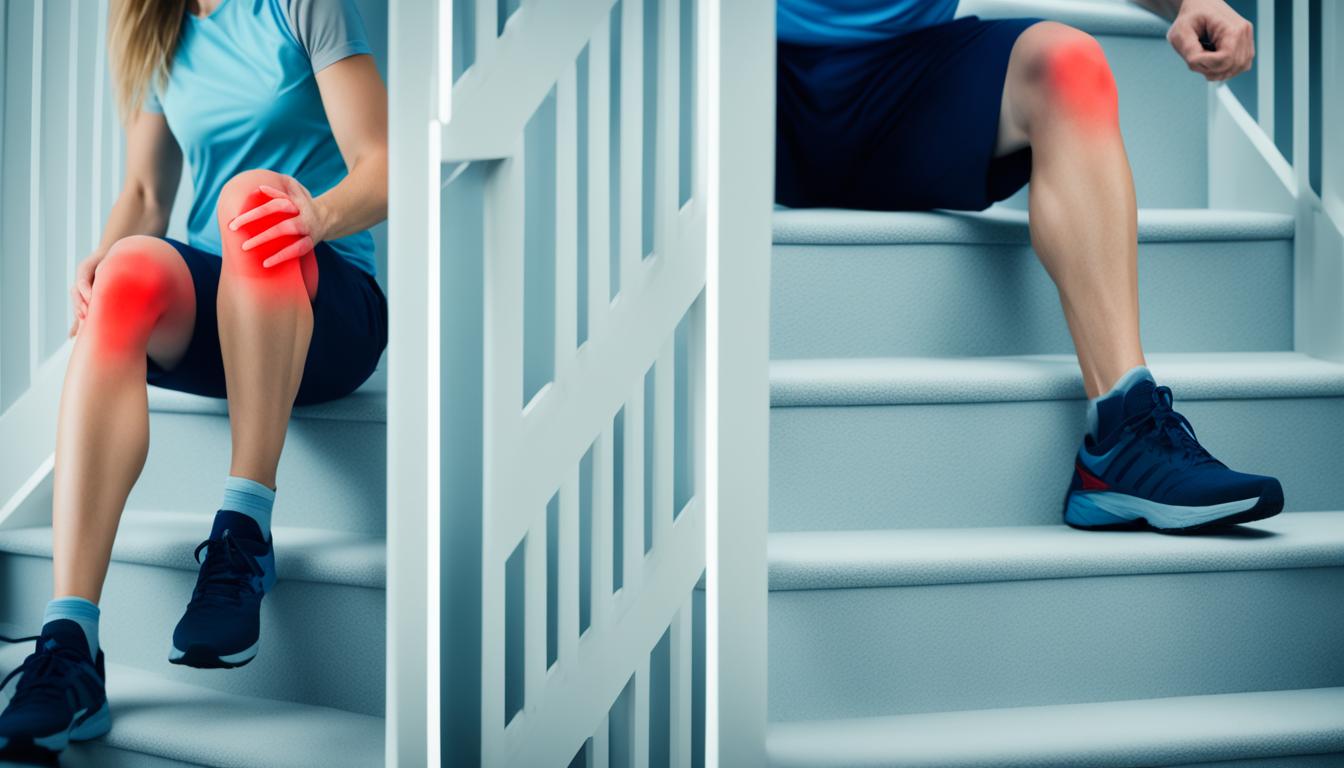
Knee Pain and Clicking When Walking Up Stairs
If you’ve experienced knee pain and clicking when walking up stairs, you’re not alone. Many people encounter this issue, and while it can be concerning, it’s often not a cause for alarm. The clicking sound, also known as crepitus, in the knees can occur due to the collapse of tiny air bubbles in the knee joint. This can happen in both the tibio-femoral joint and the patellofemoral joint. Other causes of knee clicking include the iliotibial band flicking over the femur, swelling at the back of the knee, or the presence of a fold in the tissue surrounding the knee joint called a plica.
While knee clicking is usually not painful and doesn’t indicate structural damage, if it’s accompanied by pain, it’s recommended to seek assessment from a physiotherapist or healthcare professional. They can help determine the underlying cause of the knee pain and provide appropriate treatment.
Key Takeaways:
- Knee pain and clicking when walking up stairs is commonly experienced but often not a cause for alarm.
- Knee clicking, also known as crepitus, can occur due to the collapse of air bubbles in the knee joint.
- Other causes of knee clicking include iliotibial band flicking, swelling at the back of the knee, or the presence of a fold in the tissue surrounding the knee joint.
- If knee clicking is accompanied by pain, it’s advised to seek assessment from a healthcare professional.
Common Causes of Knee Pain when Climbing Stairs
Knee pain when climbing stairs can be caused by various factors. One common cause is chondromalacia patella, also known as “runner’s knee,” which occurs due to the breakdown of the cartilage behind the kneecap. Arthritis, particularly osteoarthritis, can also lead to knee pain when climbing stairs as the cartilage between the knee bones deteriorates. Other causes include ligament injuries, such as tears in the anterior cruciate ligament (ACL) or the medial collateral ligament (MCL), and patellofemoral pain syndrome, which causes pain around the kneecap. It is important to identify the underlying cause of knee pain in order to determine the appropriate treatment and find relief.
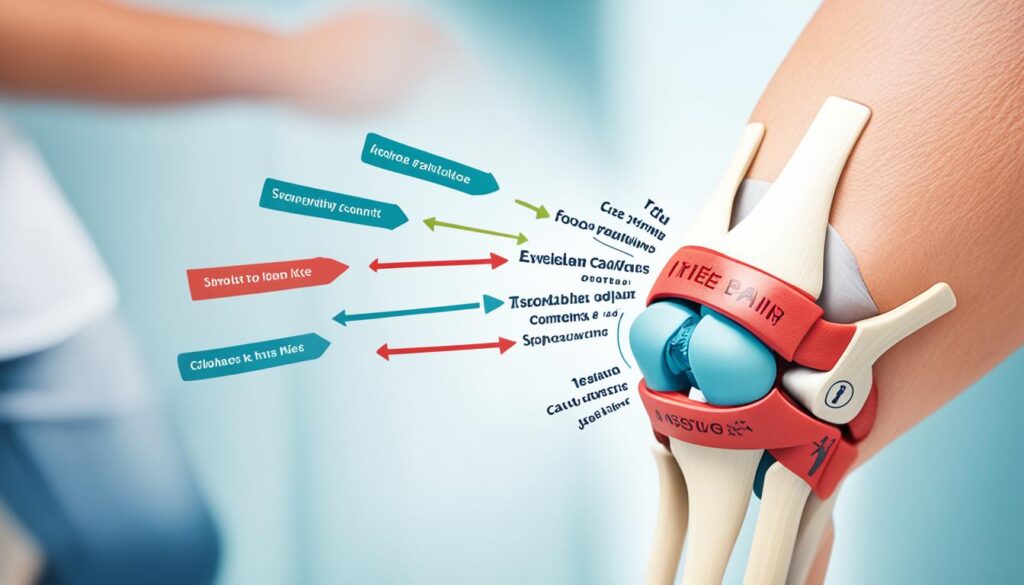
| Causes of Knee Pain when Climbing Stairs | Description |
|---|---|
| Chondromalacia patella | The breakdown of the cartilage behind the kneecap |
| Osteoarthritis | Deterioration of the cartilage between the knee bones |
| Ligament injuries | Tears in the ACL or MCL |
| Patellofemoral pain syndrome | Pain around the kneecap |
Diagnosis and Treatment for Knee Pain when Climbing Stairs
When experiencing knee pain when climbing stairs, it is important to undergo a proper diagnosis to determine the underlying cause. The diagnostic process typically involves a combination of physical examination, review of medical history, and imaging studies. These steps allow healthcare professionals to gather information and make an accurate assessment of the condition.
One common diagnostic tool used for knee pain is X-ray imaging. X-rays provide valuable insights into the presence of osteoarthritis and bone damage. By examining the X-ray images, healthcare professionals can identify any structural abnormalities in the knee joint that may be contributing to the pain and clicking sensation.
In addition to X-rays, an MRI (magnetic resonance imaging) may be recommended for a more detailed assessment. An MRI can produce high-resolution images of the knee joint and cartilage, providing valuable information about conditions such as chondromalacia patella, which is the deterioration of the cartilage behind the kneecap.
In cases where ligament injuries are suspected, diagnostic tools such as ultrasound, X-rays, or MRI scans may be employed to evaluate the extent of the injury and guide the treatment plan.
Once a proper diagnosis has been made, appropriate treatment options can be pursued. The specific treatment for knee pain when climbing stairs depends on the underlying cause and severity of the condition. Treatment modalities may include:
- Rest: To allow the knee to heal and reduce inflammation.
- Physical therapy: Targeted exercises to strengthen the muscles around the knee and improve joint stability.
- Pain medication: Over-the-counter or prescription medications to alleviate pain and inflammation.
- Weight management: Losing excess weight can help reduce stress on the knee joints.
- Braces or orthotics: Providing additional support and alignment to the knee joint.
In addition to these treatment options, modifications to walking technique can also be beneficial in alleviating knee pain and reducing clicking sensations when climbing stairs. Physical therapists can guide individuals on the correct posture, gait, and movement patterns to minimize stress on the knee joint.
Strengthening Exercises for Knee Pain Relief
Strengthening exercises play a crucial role in the treatment of knee pain when climbing stairs. These exercises focus on building strength in the muscles surrounding the knee, providing better support and stability to the joint. Some examples of strengthening exercises for knee pain relief include:
- Quad sets: Contracting and relaxing the quadriceps muscle while sitting or lying down.
- Hamstring curls: Bending the knee and bringing the heel towards the buttocks, targeting the hamstring muscles.
- Step-ups: Stepping onto a platform or stair with one leg and then lowering back down.
- Wall sits: Leaning against a wall with the back and sliding down into a sitting position, holding for a certain duration.
These exercises should be performed under the guidance of a physical therapist or healthcare professional to ensure proper form and technique, as well as to avoid exacerbating the pain.
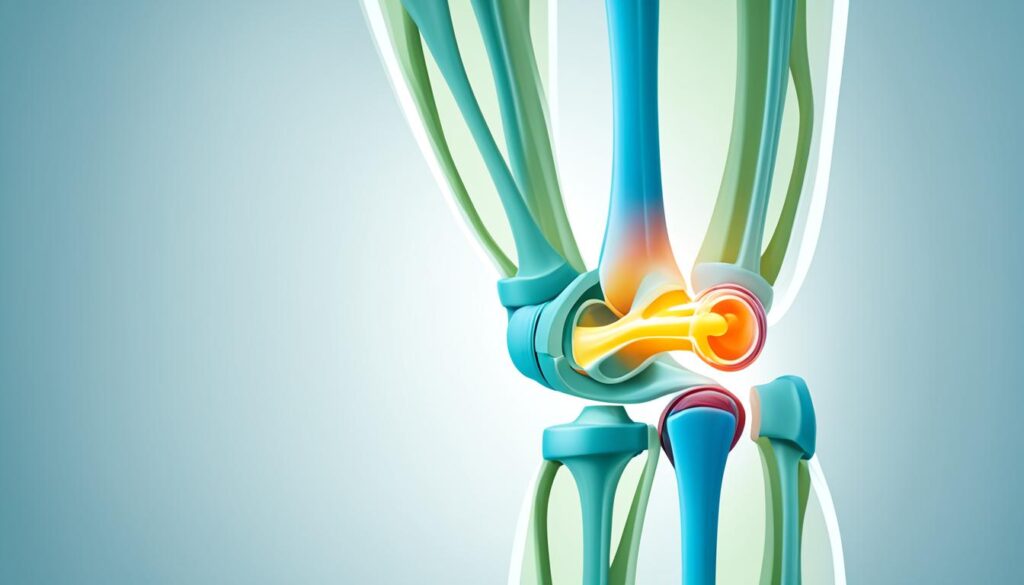
With a thorough diagnosis and appropriate treatment, it is possible to manage knee pain and clicking when climbing stairs effectively. Seeking professional advice, following recommended treatment plans, and incorporating strengthening exercises can significantly improve knee health and alleviate discomfort.
Prevention and Management of Knee Pain when Climbing Stairs
When it comes to preventing and managing knee pain when climbing stairs, there are several effective measures that can be taken. By following these strategies, individuals can reduce the risk of knee pain and improve their overall knee health.
Maintain a Healthy Weight
Maintaining a healthy weight is crucial in preventing knee pain when climbing stairs. Excess weight can put unnecessary stress on the knee joint, leading to pain and discomfort. By maintaining a healthy weight through a balanced diet and regular exercise, individuals can alleviate pressure on their knees and reduce the risk of pain.
Wear Appropriate Footwear
Choosing the right footwear is essential for supporting the knees when climbing stairs. Opt for shoes that provide adequate arch support and cushioning. This helps to distribute weight evenly and reduce impact on the knees. Well-fitted, supportive shoes can significantly decrease the risk of knee pain and clicking when going up stairs.
Strengthen the Muscles Around the Knee
Strengthening the muscles surrounding the knee can provide added support and stability, reducing the risk of pain and discomfort. Targeting the quadriceps, hamstrings, and glutes through specific exercises can help alleviate stress on the knee joint when climbing stairs.
Stretching and Physical Therapy
Incorporating stretching exercises and physical therapy into a regular routine can improve flexibility and muscle strength, further reducing knee pain and clicking. Stretching the muscles around the knee joint can help alleviate stiffness and tension, promoting better mobility and preventing pain when climbing stairs.
Modifications to Walking Technique
Making modifications to walking technique can also have a positive impact on knee health. Engaging the glutes and hamstrings while walking or climbing stairs can help reduce pressure on the knee joint. Additionally, keeping the weight in the heels and maintaining an upright posture can help alleviate strain on the knees, reducing the risk of pain and clicking.
By implementing these preventive measures and management strategies, individuals can effectively reduce knee pain and clicking when climbing stairs. It is important to listen to your body, avoid overexertion, and seek guidance from a healthcare professional if needed.
The Importance of Strengthening Exercises for Knee Pain Relief
Strengthening exercises play a crucial role in relieving knee pain and promoting knee health. These exercises can target the muscles around the knee, including the quadriceps, hamstrings, and glutes, helping to improve stability and support the joint.
Examples of strengthening exercises for knee pain relief:
- Hip flexor stretches
- Single-leg lifts
- Hamstring stretches
Building strength in the hip and thigh muscles can alleviate pressure on the knee and reduce pain. It is important to work with a physical therapist or healthcare professional to develop an exercise program tailored to address specific knee pain issues.
To further illustrate the benefits of strengthening exercises, here is a table comparing different exercise options:
| Exercise | Target Muscles | Benefits |
|---|---|---|
| Hip flexor stretches | Quadriceps, hip flexors | Improves flexibility, reduces muscle imbalances |
| Single-leg lifts | Quadriceps, glutes, hip abductors | Strengthens leg muscles, improves balance |
| Hamstring stretches | Hamstrings | Increases flexibility, reduces strain on the knee |
“Strengthening the muscles around the knee is key to reducing knee pain and improving overall knee function. It provides support and stability, lessening the strain on the joint during physical activities.”
– Dr. Emily Johnson
Working with a physical therapist or healthcare professional can maximize the effectiveness of these exercises, ensuring they are performed correctly and tailored to your specific needs. In addition to the targeted exercises, they may also recommend complementary treatments such as heat or cold therapy, manual therapy, or ultrasound therapy.
By incorporating strengthening exercises into your routine, you can actively contribute to knee pain relief and enhance your overall knee health.
Tips for Climbing Stairs with Knee Pain
Climbing stairs can be challenging for individuals with knee pain, but there are techniques that can help alleviate discomfort. Holding onto a wall or railing can provide support and stability, reducing the risk of falls and further injury.
Engaging the glutes and hamstrings while climbing or stepping down a stair can help distribute the load and reduce pressure on the front of the knee. This can be achieved by consciously contracting these muscles and focusing on using them to propel yourself forward.
Maintaining an upright torso and keeping the weight in the heels can also relieve strain on the knee joint. This alignment helps to distribute the force evenly through the legs, reducing the impact on the knees while climbing stairs.
Squeezing the hamstring and thighs while stepping can further support the knee and provide additional stability. This can be accomplished by tightening these muscles during the upward movement, which can help control the motion and reduce strain on the knee joint.
Experimentation is key in finding the technique that works best for individual comfort and pain relief. Every person may have different needs and preferences, so it is important to listen to your body and make adjustments accordingly.
Conclusion
Knee pain and clicking when walking up stairs can be a source of concern for many individuals. However, with the right approach, it is often manageable and relief can be achieved. By understanding the underlying causes and seeking appropriate diagnosis and treatment, individuals can find ways to alleviate their discomfort.
Strengthening exercises tailored to the muscles surrounding the knee, modifications to walking techniques, and making overall lifestyle changes can all contribute to preventing and managing knee pain when climbing stairs. It is essential to listen to our bodies, work closely with healthcare professionals, and engage in regular exercise to promote knee health and find relief.
Remember, addressing knee pain does not mean avoiding activity altogether. Instead, it means finding ways to move and strengthen our bodies in a manner that supports optimal knee function. By taking the necessary steps and making lifestyle adjustments, individuals can find knee pain relief and improve their overall quality of life.
FAQ
What causes knee pain and clicking when walking up stairs?
Knee pain and clicking when walking up stairs can be caused by various factors, including crepitus (collapse of air bubbles in the knee joint), iliotibial band flicking, swelling at the back of the knee, or a fold in the tissue surrounding the knee joint called a plica.
What are the common causes of knee pain when climbing stairs?
Common causes of knee pain when climbing stairs include chondromalacia patella (runner’s knee), osteoarthritis, ligament injuries (such as ACL and MCL tears), and patellofemoral pain syndrome.
How is knee pain when climbing stairs diagnosed and treated?
Diagnosis of knee pain when climbing stairs typically involves a physical examination, review of medical history, and imaging studies. Treatment options vary depending on the cause and may include rest, physical therapy, pain medication, weight management, braces or orthotics, and strengthening exercises.
How can knee pain when climbing stairs be prevented and managed?
Knee pain when climbing stairs can be prevented and managed through measures such as maintaining a healthy weight, wearing appropriate footwear, strengthening the muscles around the knee, stretching exercises, modifications to walking technique, and avoiding overexertion.
Why are strengthening exercises important for knee pain relief?
Strengthening exercises play a crucial role in relieving knee pain and promoting knee health by improving stability and supporting the joint. These exercises target the muscles around the knee, such as the quadriceps, hamstrings, and glutes.
What are some tips for climbing stairs with knee pain?
To alleviate discomfort while climbing stairs with knee pain, it is recommended to hold onto a wall or railing for support, engage the glutes and hamstrings, keep the weight in the heels, maintain an upright torso, and squeeze the hamstring and thighs while stepping.
How can knee pain and clicking when climbing stairs be managed and relieved?
By understanding the causes, seeking appropriate diagnosis and treatment, engaging in strengthening exercises, making modifications to walking technique, and overall lifestyle changes, knee pain and clicking when climbing stairs can be managed and relieved.