Knee Pain Walking Down Stairs, Not Up: Causes and Solutions
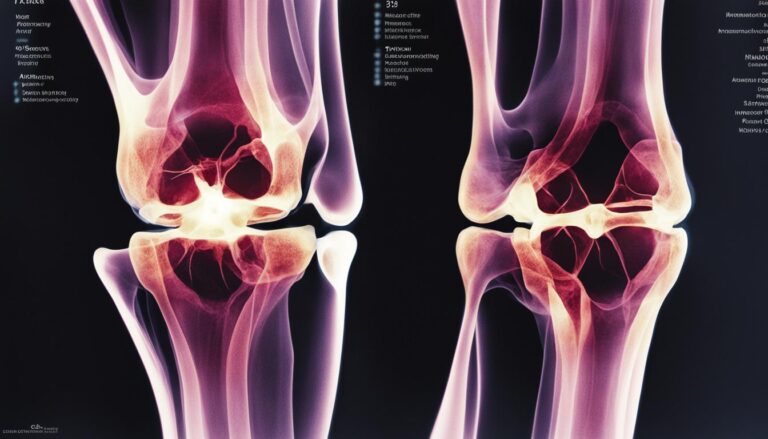
Knee pain when walking down stairs can be a frustrating and limiting issue that many individuals experience. Whether it’s a dull ache or a sharp, stabbing pain, knee discomfort can make something as simple as descending a staircase a painful ordeal. In this article, we will explore the causes behind knee pain when walking down stairs and provide effective solutions to alleviate this discomfort.
Key Takeaways:
- Knee pain when walking down stairs is a common issue experienced by many individuals.
- Conditions such as runner’s knee, chondromalacia patella, osteoarthritis, and pes anserine bursitis can cause knee pain when descending stairs.
- Self-care measures, including resting, icing, compressing, and elevating the knee, can help manage knee pain.
- Physical therapy and exercises to strengthen the muscles around the knee are beneficial in reducing knee pain and improving function.
- If conservative measures do not provide relief, medical interventions such as medications or surgery may be necessary.
Common Causes of Knee Pain Walking Down Stairs
When it comes to knee pain, walking down stairs can be particularly troublesome. Understanding the underlying causes of this discomfort is crucial for effective treatment and prevention. Let’s explore the most common reasons why individuals experience knee pain when descending stairs.
1. Runner’s Knee
Runner’s knee, also known as patellofemoral pain syndrome, is a common culprit behind knee pain when walking down stairs. This condition occurs when the patella (kneecap) becomes misaligned and irritates the surrounding structures. People who engage in activities that involve repetitive knee bending, such as running or jumping, are more prone to developing this condition.
2. Chondromalacia Patella
Chondromalacia patella is characterized by the softening and breakdown of the cartilage on the underside of the kneecap. This can cause knee pain, especially when descending stairs. Factors such as overuse, improper knee tracking, or direct trauma can contribute to the development of this condition.
3. Osteoarthritis
Osteoarthritis, a degenerative joint disease, occurs when the cartilage in the knee joint wears away over time. As a result, the bones rub against each other, causing pain and inflammation. Descending stairs can exacerbate this discomfort due to the increased pressure placed on the knee joint.
4. Pes Anserine Bursitis
Pes anserine bursitis is the inflammation of the bursa located on the inner side of the knee, just below the joint. This condition commonly affects individuals who engage in activities that involve repetitive knee flexion, such as climbing stairs. The inflammation of the bursa can lead to knee pain, particularly when going downstairs.
It’s important to note that these conditions are not exclusive to walking downstairs. However, the repetitive bending and increased load on the knees during stair descent can intensify the discomfort experienced by individuals with these conditions.
| Condition | Symptoms |
|---|---|
| Runner’s Knee | – Knee pain around or behind the kneecap – Swelling and tenderness – Grinding sensation when bending the knee |
| Chondromalacia Patella | – Knee pain, especially when bending the knee – Aching or stiffness at the front of the knee – Cracking or popping sound in the knee |
| Osteoarthritis | – Knee pain and stiffness – Swelling and inflammation – Reduced range of motion |
| Pes Anserine Bursitis | – Inner knee pain and tenderness – Swelling and warmth – Pain worsens with activities involving knee bending |
How to Manage Knee Pain Walking Down Stairs
Managing knee pain when walking down stairs requires a comprehensive approach that combines self-care measures and medical interventions. By following these strategies, individuals can effectively alleviate and manage knee pain, allowing for improved mobility and quality of life.
Self-Care Measures
Self-care measures play an essential role in managing knee pain when walking downstairs. Engaging in the following practices can help reduce discomfort and promote healing:
- Rest: Take breaks and avoid activities that exacerbate knee pain.
- Icing: Apply ice packs to the affected area for 15-20 minutes, several times a day, to reduce inflammation.
- Compression: Use compression bandages or knee braces to provide support and reduce swelling.
- Elevation: Elevate the leg above heart level to minimize swelling and promote circulation.
- Strengthening exercises: Perform targeted exercises to strengthen the muscles around the knee, which can provide stability and support. Consult with a healthcare professional or physical therapist for guidance on appropriate exercises.
Medical Interventions
In more severe cases of knee pain when walking downstairs, medical interventions may be necessary. Consultation with a healthcare professional is imperative to determine the most appropriate course of treatment. Possible medical interventions include:
- Physical therapy: A qualified physical therapist can develop a personalized program to improve knee function, reduce pain, and enhance overall mobility.
- Medications: Nonsteroidal anti-inflammatory drugs (NSAIDs) or analgesics may be prescribed to alleviate pain and reduce inflammation.
- Surgery: In extreme cases where conservative treatments are ineffective, surgical intervention may be recommended. Procedures such as arthroscopy, partial knee replacement, or total knee replacement can be performed to address underlying conditions and provide long-term relief.
Knee Pain Walking Down Stairs Management Strategies:
| Management Strategy | Description |
|---|---|
| Rest and Recovery | Take breaks and allow the knee to rest. Avoid activities that aggravate the pain. |
| Ice Compression | Apply ice packs or use compression bandages to reduce inflammation and swelling. |
| Physical Therapy | Engage in targeted exercises to strengthen the muscles around the knee and improve stability. |
| Medication | Use over-the-counter pain relievers or prescribed medications to manage pain and inflammation. |
| Supportive Devices | Consider using knee braces or supportive devices to provide additional stability during stair descent. |
| Surgical Intervention | In severe cases, surgery may be recommended to address underlying conditions and provide long-term relief. |
By implementing a combination of self-care measures and medical interventions, individuals can effectively manage knee pain when walking downstairs. It is important to consult with a healthcare professional for an accurate diagnosis and personalized treatment plan.
Quote:
“Proper self-care and medical intervention are crucial in managing knee pain when walking downstairs. By following a comprehensive approach, individuals can find relief and regain their mobility without discomfort.” – Dr. Emily Johnson, Orthopedic Specialist
Tips to Reduce Knee Pain When Descending Stairs
If you experience knee pain when descending stairs, there are several tips that can help alleviate your discomfort and improve your mobility. By implementing these strategies, you can ensure a more comfortable and pain-free experience:
- Lead with the whole foot: Instead of relying on your toes to take the initial step, make sure to use your entire foot. This distributes the pressure more evenly, reducing strain on the knee joint.
- Activate the gluteus muscles: Strengthening and engaging your gluteus muscles can help reduce the strain on your knees while descending stairs. This can be achieved through exercises such as squats or lunges, which promote better alignment and stability.
- Use supportive devices: Consider using braces or taping techniques to provide additional support to your knees during stair descent. These devices can help reduce pain and provide stability, especially if you have a history of knee issues or instability.
- Maintain a healthy body weight: Excess weight puts additional stress on your knees, exacerbating knee pain when descending stairs. By maintaining a healthy body weight, you can reduce the strain on your knees and alleviate discomfort.
- Avoid aggravating activities: Identify activities that aggravate your knee pain and try to avoid them. This may include activities such as running downhill, jumping, or other high-impact exercises that put excessive stress on the knees.
- Wear proper footwear: Choosing footwear with good arch support can help alleviate knee pain while going down stairs. Ensure that your shoes provide adequate cushioning and stability, as this can make a significant difference in reducing knee discomfort.
By implementing these tips, you can reduce knee pain when descending stairs and improve your overall quality of life. Remember to consult with a healthcare professional if your knee pain persists or worsens, as they can provide a personalized treatment plan tailored to your specific needs.
Understanding the Forces Through the Knee Cap
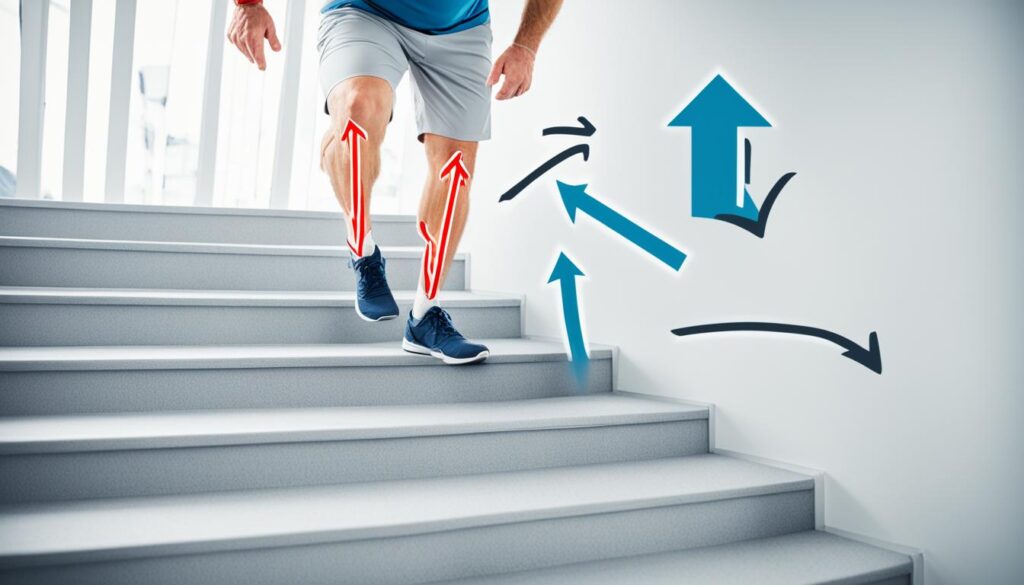
The knee is a complex joint that experiences different forces depending on the activity. Understanding these forces can help us comprehend why certain activities, such as going downstairs, may cause significant knee pain.
When walking, the force exerted on the knee cap is approximately 0.5 times our body weight. This relatively low force explains why walking typically does not cause excessive discomfort or pain.
However, when we climb up stairs, the force through the knee cap significantly increases to 2.5 times our body weight. This additional force puts more strain on the knee joint, which can lead to discomfort or pain.
Going down stairs, on the other hand, creates even greater forces through the knee cap. The force increases to about 3.5 times our body weight, further exacerbating the stress on the knee joint. This additional force can contribute to knee pain while going downstairs.
The highest force on the knee cap is experienced during squatting, where it can reach approximately 7-8 times our body weight. Squatting places immense pressure on the knee joint, and individuals with existing knee issues may find this activity particularly painful.
Understanding the forces through the knee cap provides valuable insight into why individuals may experience knee pain while going downstairs or stepping down stairs. By recognizing the increased forces during these activities and taking appropriate measures, such as implementing proper form and engaging in exercises to strengthen the knee muscles, we can work towards reducing knee pain and maintaining optimal joint health.
Conclusion
Knee pain when walking downstairs is a common problem that can significantly impact daily life. Whether it’s caused by runner’s knee, chondromalacia patella, osteoarthritis, or pes anserine bursitis, the good news is that there are effective treatment options available to alleviate pain and improve mobility.
By understanding the specific causes of knee pain when descending stairs and implementing targeted self-care measures, individuals can experience relief and regain their ability to navigate stairs without discomfort. Resting, icing, compressing, and elevating the knee, as well as strengthening the surrounding muscles through exercises, can help manage knee pain and prevent further damage.
In more severe cases, medical interventions such as physical therapy, medications, or surgery may be necessary to address underlying issues and provide long-term relief. Consulting with a healthcare professional is essential to determine the most appropriate course of action based on individual circumstances.
Remember, it’s important to prioritize self-care and seek professional advice to effectively manage knee pain when walking downstairs. By taking proactive steps, individuals can regain their independence and enjoy a pain-free life.
FAQ
What are the common causes of knee pain when walking down stairs?
The common causes of knee pain when walking down stairs include runner’s knee, chondromalacia patella, osteoarthritis, and pes anserine bursitis.
How can I manage knee pain when walking down stairs?
You can manage knee pain when walking down stairs by resting, icing, compressing, and elevating the knee, as well as strengthening the muscles around the knee through exercises. Physical therapy and medical interventions may also be necessary.
Are there any tips to reduce knee pain when descending stairs?
Yes, some tips to reduce knee pain when descending stairs include leading with the whole foot, activating the gluteus muscles, using supportive devices such as braces or taping, maintaining a healthy body weight, and wearing proper footwear with good arch support.
How can I understand the forces through the knee cap?
The forces through the knee cap vary depending on the activity. When walking, the force through the knee cap is approximately 0.5 times body weight. Climbing up stairs increases the force to 2.5 times body weight, while going down stairs increases it further to 3.5 times body weight. Squatting puts the highest force on the knee cap, with approximately 7-8 times body weight.
What can I do to alleviate knee pain when walking down stairs?
To alleviate knee pain when walking down stairs, you can implement self-care measures such as resting, icing, compressing, and elevating the knee. Strengthening exercises, physical therapy, medications, or surgery may also be necessary in more severe cases.