Knee Pain Where? Pinpoint Your Discomfort Causes
Did you know that knee pain affects millions of people worldwide, with an estimated 25% of adults experiencing knee pain at some point in their lives? Knee pain can be debilitating, impacting your ability to walk, exercise, and perform daily activities. It is essential to understand the location of your knee pain, as it can provide valuable insights into the underlying causes and appropriate treatment options.
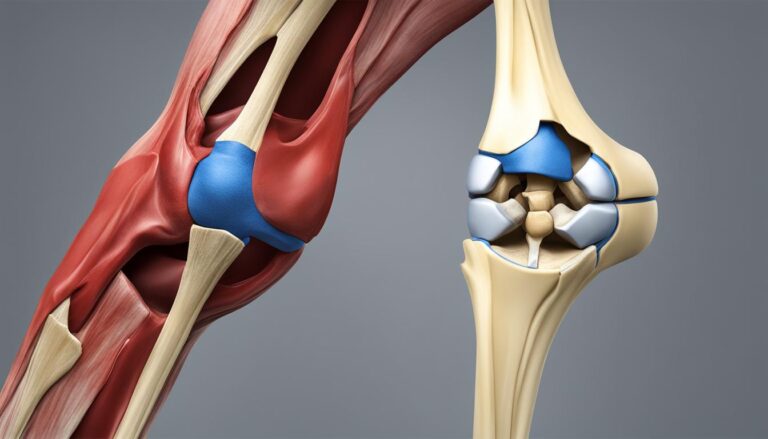
The knee is a complex joint, consisting of bones, cartilage, muscles, tendons, ligaments, synovial fluid, and nerves. The causes of knee pain can vary, from common conditions like tendonitis and arthritis to more severe issues like ligament injuries and bone tumors. Identifying the specific location of your knee pain can help healthcare professionals diagnose the underlying cause and develop an effective treatment plan.
In this article, we will explore the different locations of knee pain and the potential causes associated with each. We will also discuss the importance of accurate diagnosis and highlight some home remedies for managing knee pain. So, if you’ve been wondering “knee pain where?” or are eager to learn more about the causes and treatment options, read on.
Understanding Knee Pain Locations
If you’re experiencing knee pain, identifying the specific location of the discomfort is essential in determining the underlying cause and exploring suitable treatment options. Knee pain can originate from different areas of the knee, each suggesting specific conditions or injuries that may be contributing to the pain.
Knee Pain at the Front Above the Knee:
Knee pain in the front, above the knee, can be attributed to several conditions:
- Quadriceps tendonitis
- Patellofemoral arthritis
- Plica syndrome
- Lateral patellar facet overload syndrome
- Synovitis
Knee Pain at the Knee Itself:
Pain directly at the knee can indicate a range of conditions, including:
- Anterior cruciate ligament (ACL) injuries
- Patellofemoral pain syndrome
- Patella chondromalacia
- Partially dislocated patella
- Patella tendonitis
- Osgood-Schlatter Disease
- Sinding-Larsen-Johansson syndrome
- Bursitis
- Osteoarthritis
- Bone tumors
- Inflammatory joint diseases
Lateral Knee Pain:
Knee pain on the outer side of the knee may be caused by the following conditions:
- Hamstring tendinitis
- Iliotibial band syndrome
- Lateral collateral ligament damage
- Lateral meniscus tear
- Cyst forming pressure on the meniscus
- Osteoarthritis
- Dislocation of the superior tibiofibular joint
Medial Knee Pain:
Pain on the inner side of the knee can be associated with the following conditions:
- MCL injury
- Meniscus injury
- Pes anserine bursitis
- Plica syndrome
- Knee contusion
- Osteoarthritis
- Rheumatoid arthritis
Understanding the specific location of your knee pain is a significant step toward finding appropriate knee pain relief. Depending on the cause, treatments such as physical therapy, medications, or surgical interventions may be recommended. It is always advisable to consult a knee pain specialist for a comprehensive evaluation and personalized treatment plan.
{table}
| Knee Pain Location | Common Conditions |
|---|---|
| Front Above the Knee | Quadriceps tendonitis, Patellofemoral arthritis, Plica syndrome, Lateral patellar facet overload syndrome, Synovitis |
| At the Knee Itself | Anterior cruciate ligament (ACL) injuries, Patellofemoral pain syndrome, Patella chondromalacia, Partially dislocated patella, Patella tendonitis, Osgood-Schlatter Disease, Sinding-Larsen-Johansson syndrome, Bursitis, Osteoarthritis, Bone tumors, Inflammatory joint diseases |
| Lateral Knee Pain | Hamstring tendinitis, Iliotibial band syndrome, Lateral collateral ligament damage, Lateral meniscus tear, Cyst forming pressure on the meniscus, Osteoarthritis, Dislocation of the superior tibiofibular joint |
| Medial Knee Pain | MCL injury, Meniscus injury, Pes anserine bursitis, Plica syndrome, Knee contusion, Osteoarthritis, Rheumatoid arthritis |
Common Causes and Home Remedies for Knee Pain
Knee pain can have various causes, including medical conditions such as arthritis, Baker cysts, bone tumors, and infection, as well as injuries and overuse such as bursitis, tendinitis, patella and ligament tears, strain or sprain, and fractures.
It is important to diagnose knee pain accurately by seeking medical attention if the pain is severe, persistent, or accompanied by other concerning symptoms.
Home remedies for knee pain, depending on its cause, include:
- Rest: Giving your knee time to heal by limiting activity and avoiding weight-bearing exercises.
- Ice: Applying ice packs to reduce pain and inflammation. Wrap the ice in a cloth or towel to avoid direct skin contact.
- Elevation: Elevating your leg to reduce swelling and promote blood flow.
- Compression: Using elastic wraps or knee braces to provide support and reduce swelling.
- Pain medication: Over-the-counter nonsteroidal anti-inflammatory drugs (NSAIDs) like ibuprofen or naproxen can help alleviate pain and reduce inflammation.
- Stretching and strengthening exercises: Engaging in gentle exercises recommended by a healthcare professional or physical therapist can help improve knee function and reduce pain.
- Weight loss: Losing excess weight can alleviate stress on the knees and reduce pain.
- Wearing supportive footwear or orthotics: Using properly fitting shoes or inserts that provide cushioning and stability for the feet and knees.
- Modifying activities: Avoiding activities that worsen knee pain or cause repetitive strain, and adopting low-impact exercises like swimming or cycling.
Chronic knee pain may require consultation with a healthcare professional for proper diagnosis and individualized knee pain management.
| Common Causes of Knee Pain | Home Remedies for Knee Pain |
|---|---|
| Arthritis | Rest, ice, pain medication, exercises |
| Bursitis | Rest, ice, compression, pain medication |
| Tendinitis | Rest, ice, elevation, pain medication, stretching exercises |
| Patella and ligament tears | Immediate medical attention, immobilization, rehabilitation exercises |
| Strain or sprain | Rest, ice, compression, elevation, pain medication, stretching exercises |
| Fractures | Immediate medical attention, immobilization, possible surgery |
Conclusion
Knee pain can be a debilitating condition that affects people in various ways. By understanding the specific location of your knee pain and its causes, you can take proactive steps towards finding relief and improving your overall knee health.
Whether you experience knee pain above the knee, at the kneecap, on the inner or outer side, or below the knee, it is essential to seek proper diagnosis and treatment. Consulting a knee pain specialist can help you identify the underlying issues and develop a personalized treatment plan that includes effective knee pain relief measures.
In addition to medical interventions, managing knee pain also involves adopting self-care practices such as implementing home remedies, making lifestyle modifications, and practicing proper knee pain management. These proactive measures can contribute to long-term pain reduction and enhance your quality of life.
Remember, don’t suffer in silence. Take action and prioritize your knee health. By addressing knee pain where it occurs, understanding its causes, and seeking appropriate treatment, you can regain mobility, alleviate discomfort, and experience a better quality of life.
FAQ
What are the common locations of knee pain?
Knee pain can occur in various locations, including above the knee, at the kneecap, on the inner or outer side of the knee, and below the knee.
What are the common causes of knee pain?
Knee pain can be caused by various factors, including arthritis, tendonitis, ligament injuries, meniscus tears, bursitis, osteoarthritis, bone tumors, and inflammatory joint diseases.
How can I find relief from knee pain?
Treatment options for knee pain include rest, ice, elevation, compression, pain medication, stretching and strengthening exercises, weight loss, wearing supportive footwear or orthotics, and modifying activities to reduce strain on the knee. Consulting a knee pain specialist may also be helpful.
When should I seek medical attention for knee pain?
It is recommended to seek medical attention if the knee pain is severe, persistent, or accompanied by other concerning symptoms, such as swelling, redness, or difficulty in bearing weight.
How can I manage chronic knee pain?
Managing chronic knee pain may involve a combination of treatments, such as physical therapy, medications, injections, bracing, or surgical intervention. Consulting with a healthcare professional is crucial for proper diagnosis and individualized knee pain management.
Source Links
- https://www.mountsinai.org/health-library/symptoms/knee-pain
- https://www.healthline.com/health/knee-pain-location-chart
- https://www.thechelseakneeclinic.com/blog/knee-pain-location-chart/