Knee Injury Pain When Bending: Relief Tips
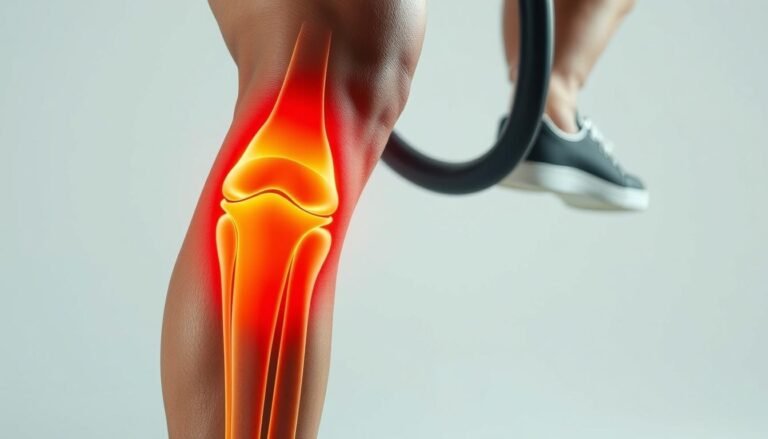
Did you know that knee pain when bending affects millions of people worldwide? It can be a frustrating and debilitating condition that hinders daily activities and impacts overall quality of life. Whether you experience discomfort while bending your knee, painful bending of the knee, or knee pain in flexion, finding relief is crucial. In this article, we will explore the causes of knee pain when bending and provide helpful tips for managing the pain and improving flexibility.
Causes of Knee Pain When Bending
Knee pain when bending can be caused by a variety of factors, resulting in discomfort and limited mobility. Understanding the underlying causes of knee pain is crucial for effective treatment and management. Here are some common contributors to knee pain when bending:
1. Patellofemoral Syndrome
Also known as “runner’s knee,” patellofemoral syndrome is a prevalent cause of knee pain. It is characterized by pain behind or around the kneecap, which worsens with activities like squatting, running, jumping, or sitting with flexed knees.
2. Osteoarthritis
Osteoarthritis occurs when the cartilage in the knee joint degenerates, causing pain, stiffness, and inflammation. It can lead to knee pain when bending, as the joint lacks the necessary cushioning and smooth movement.
3. Meniscus Tears
Tears in the meniscus, the shock-absorbing cartilage between the thigh bone and shin bone, can result in knee pain when bending. These tears can occur due to sudden twisting movements or degeneration over time.
4. Patellar Tendon Tears
Tears in the patellar tendon, which connects the kneecap to the shin bone, can cause intense knee pain. These tears often arise from forceful jumping or landing movements, leading to difficulty in bending the knee without discomfort.
5. IT Band Syndrome
Inflammation of the iliotibial (IT) band, a thick band of tissue running along the outside of the thigh, can lead to knee pain when bending. IT band syndrome commonly affects runners and cyclists, causing discomfort during flexion of the knee.
6. Prepatellar Bursitis
Prepatellar bursitis, also known as “housemaid’s knee,” is inflammation of the bursa located in front of the kneecap. It can result from repetitive kneeling or direct trauma, leading to pain and tenderness when bending the knee.
7. Baker’s Cyst
A Baker’s cyst is a fluid-filled sac that forms behind the knee, often in individuals with knee joint conditions such as osteoarthritis or meniscus tears. When the cyst enlarges, it can cause knee pain, particularly when bending or flexing the knee.
8. ACL and Ligament Injuries
Injuries to the anterior cruciate ligament (ACL) and other knee ligaments can cause significant knee pain when bending. These injuries are often accompanied by joint instability and may require surgical intervention for proper healing.
9. Osgood-Schlatter Disease
Osgood-Schlatter disease most commonly affects adolescents involved in physical activities. It causes pain at the top of the shinbone where the tendon from the kneecap attaches, resulting in discomfort when bending or participating in sports.
10. Bone Fractures or Dislocations
Knee pain when bending can also be a result of bone fractures or dislocations. These injuries cause severe pain and limited range of motion, making bending the knee challenging and uncomfortable.
Identifying the specific cause of knee pain is essential for appropriate treatment and management. Seek medical attention if you are experiencing persistent knee pain or if the pain is accompanied by swelling, instability, or difficulty bearing weight. Proper diagnosis and personalized treatment plans can help alleviate knee discomfort and improve overall knee function.
Tips for Managing Knee Pain and Improving Flexibility
When knee pain accompanies bending, it is crucial to manage the discomfort and enhance flexibility. Treatment options for knee pain vary based on the underlying cause, including exercises, physical therapy, medications, injections, or surgery. Strengthening the muscles that support the knee joint through exercises like squats and lunges can improve stability and alleviate pressure during bending. Physical therapy also plays a significant role in managing knee pain and enhancing flexibility, with customized treatment plans tailored to each individual’s condition.
While managing knee pain, incorporating warm-up exercises before physical activity can help prevent discomfort while bending the knee. Adjusting physical activity levels and using lower-impact modifications are also effective methods to avoid aggravating the knee. If knee pain persists or is accompanied by symptoms like swelling, instability, or difficulty bearing weight, seeking medical evaluation is important. Following proper treatment and management strategies can lead to improved pain relief and enhanced overall function of the knee.
FAQ
What are the common causes of knee pain when bending?
The common causes of knee pain when bending include patellofemoral syndrome, osteoarthritis, meniscus tears, patellar tendon tears, IT band syndrome, prepatellar bursitis, Baker’s cyst, ACL and other ligament injuries, Osgood-Schlatter disease, and bone fractures or dislocations.
What is patellofemoral syndrome?
Patellofemoral syndrome, also known as “runner’s knee,” is a common cause of knee pain when bending. It is often characterized by pain behind or around the kneecap that worsens with movement such as squatting, running, jumping, or sitting with flexed knees.
How is knee pain when bending treated?
Treatment options for knee pain when bending vary depending on the underlying cause and may include exercises, physical therapy, medications, injections, or surgery. It is important to seek medical evaluation if knee pain persists or is accompanied by symptoms such as swelling, instability, or difficulty bearing weight. Following proper treatment and management strategies can lead to improved pain relief and enhanced overall knee function.
Source Links
- https://www.guthrie.org/blog/knee-pain-when-bending-heres-what-you-can-do-about-it
- https://www.mayoclinic.org/diseases-conditions/knee-pain/diagnosis-treatment/drc-20350855
- https://www.hingehealth.com/resources/articles/knee-pain-when-bending/