Why Your Right Knee Hurts When You Walk: A Comprehensive Guide
Knee pain can be a real bother, especially when it affects your daily activities like walking. Many people experience pain in their right knee and wonder why it happens. This guide will help you understand the common causes, how to diagnose the pain, and the best ways to treat and prevent it.
Key Takeaways
- Right knee pain while walking can be due to various reasons like osteoarthritis, meniscus tears, or ligament injuries.
- A proper diagnosis often includes a physical exam, imaging tests, and looking into your medical history.
- Treatment options range from medications and physical therapy to surgical procedures, depending on the severity of the pain.
- Preventing knee pain involves using the right footwear, doing exercises to strengthen your knee, and managing your weight.
- If you have constant pain, swelling, or trouble walking, it’s important to see a doctor.
Common Causes of Right Knee Pain While Walking
Osteoarthritis
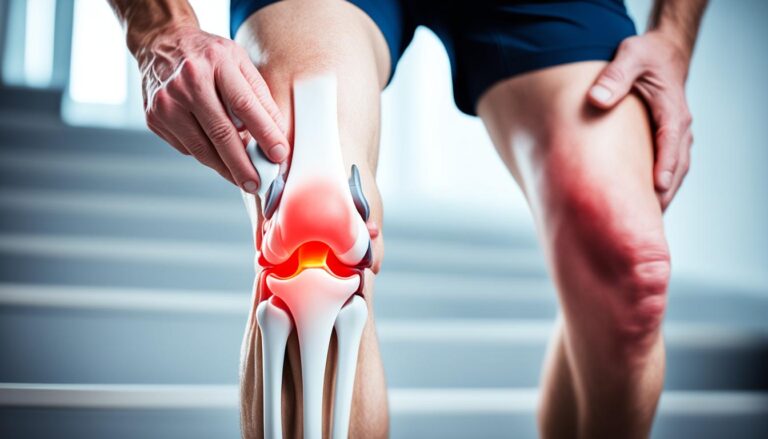
Osteoarthritis is a common reason for knee pain. It happens when the cartilage in your knee wears down over time. This can make your knee hurt, especially when you walk. Osteoarthritis often affects older adults but can also happen to younger people.
Meniscus Tears
A meniscus tear is another cause of knee pain. The meniscus is a piece of cartilage that acts like a cushion between your thigh bone and shin bone. If you twist your knee suddenly, you might tear your meniscus. This can cause pain and swelling.
Ligament Injuries
Ligament injuries, like a torn ACL, can also make your knee hurt. Ligaments are bands of tissue that connect bones. If you injure a ligament, your knee might feel unstable. This can make walking painful.
If your knee hurts when you walk, it’s important to find out why. Knowing the cause can help you get the right treatment and feel better.
How to Diagnose Right Knee Pain

Physical Examination
A doctor will start with a physical examination to check for any visible signs of injury or swelling. They may ask you to move your knee in different ways to see what causes pain. This helps them understand the problem better.
Imaging Tests
Imaging tests like X-rays or MRIs can show detailed pictures of your knee. These tests help doctors see if there are any issues with the bones or soft tissues. Sometimes, a simple X-ray can reveal a lot about why your knee hurts.
Medical History
Your medical history is also important. The doctor will ask about any past injuries or conditions that might be causing your knee pain. They may also ask about your daily activities and any sports you play. This information helps them make a more accurate diagnosis.
If your knee pain doesn’t go away, it’s important to see a doctor. They can help you find out what’s wrong and suggest the best treatment.
Treatment Options for Right Knee Pain
Medications
Medications can help manage right knee pain. Over-the-counter pain relievers like ibuprofen and acetaminophen are often recommended. In some cases, doctors may prescribe stronger medications or injections to reduce inflammation and pain.
Physical Therapy
Physical therapy is a common treatment for knee pain. A therapist will guide you through exercises to strengthen the muscles around your knee. This can improve your mobility and reduce pain. Regular sessions can make a big difference in your recovery.
Surgical Interventions
When other treatments don’t work, surgery might be an option. Procedures can range from minimally invasive arthroscopy to more complex knee replacement surgeries. Your doctor will help you decide the best course of action based on your specific condition.
It’s important to follow your doctor’s advice and stick to your treatment plan. This will give you the best chance of reducing pain and improving your quality of life.
Preventive Measures to Avoid Right Knee Pain
Proper Footwear
Wearing the right shoes can make a big difference. Choose shoes that offer good support and cushioning. Avoid high heels and flip-flops as they can strain your knees. Proper footwear helps in maintaining the right alignment of your legs and reduces stress on your knees.
Strengthening Exercises
Regular exercise can help keep your knees strong and flexible. Focus on exercises that strengthen the muscles around your knees, like squats and leg lifts. Strengthening exercises can prevent injuries and reduce pain.
Weight Management
Maintaining a healthy weight is crucial for knee health. Extra weight puts more pressure on your knees, which can lead to pain and injuries. Eating a balanced diet and staying active can help you manage your weight effectively.
Keeping your knees healthy involves a combination of good habits. By wearing the right shoes, doing regular exercises, and managing your weight, you can avoid many common knee problems.
When to Seek Medical Attention for Right Knee Pain
Persistent Pain
If your right knee pain doesn’t go away after a few days of rest and home care, it might be time to see a doctor. Chronic pain can be a sign of a more serious issue that needs medical attention.
Swelling and Redness
Noticeable swelling or redness around your knee can indicate an infection or inflammation. If these symptoms are present, it’s important to consult a healthcare professional to prevent further complications.
Difficulty Walking
When knee pain makes it hard to walk or perform daily activities, it’s crucial to seek medical help. Difficulty walking can affect your quality of life and may require professional treatment to improve mobility.
Ignoring knee pain can lead to more severe problems down the line. Early diagnosis and treatment are key to preventing long-term damage.
Lifestyle Changes to Manage Right Knee Pain
Dietary Adjustments
Eating the right foods can help manage knee pain. A balanced diet rich in fruits, vegetables, and lean proteins can reduce inflammation. Avoiding processed foods and sugary drinks is also important. Staying hydrated is key, so drink plenty of water.
Low-Impact Activities
Engaging in low-impact activities like swimming or cycling can strengthen your knee without causing more pain. These activities are gentle on the joints and can help improve mobility. Walking on flat surfaces is also a good option.
Stress Management
Managing stress is crucial for overall health, including knee health. Practices like yoga, meditation, and deep breathing can help reduce stress levels. Taking time to relax and unwind can make a big difference in how you feel day-to-day.
Making small changes in your daily routine can have a big impact on managing knee pain. It’s about finding what works best for you and sticking with it.
Conclusion
Understanding why your right knee hurts when you walk can help you find the right treatment and relief. From common causes like overuse and injuries to more serious conditions like arthritis, knowing the root of the problem is key. Remember to listen to your body and seek medical advice if the pain persists. Simple changes in your daily routine, exercises, and proper footwear can make a big difference. Don’t ignore the pain; take steps to improve your knee health and enjoy walking without discomfort.
Frequently Asked Questions
What are common reasons for right knee pain when walking?
There are several reasons why your right knee might hurt when you walk. These include osteoarthritis, meniscus tears, and ligament injuries.
How can a doctor find out why my right knee hurts?
A doctor can figure out why your knee hurts by doing a physical exam, looking at imaging tests like X-rays, and asking about your medical history.
What treatments are available for right knee pain?
Treatments for knee pain include medications, physical therapy, and sometimes surgery.
How can I stop my right knee from hurting in the future?
You can avoid knee pain by wearing the right shoes, doing exercises to make your knee stronger, and keeping a healthy weight.
When should I see a doctor for right knee pain?
You should see a doctor if your knee pain doesn’t go away, if your knee is swollen or red, or if you have trouble walking.
What lifestyle changes can help manage right knee pain?
Eating healthy, doing low-impact activities, and managing stress can help you deal with knee pain.