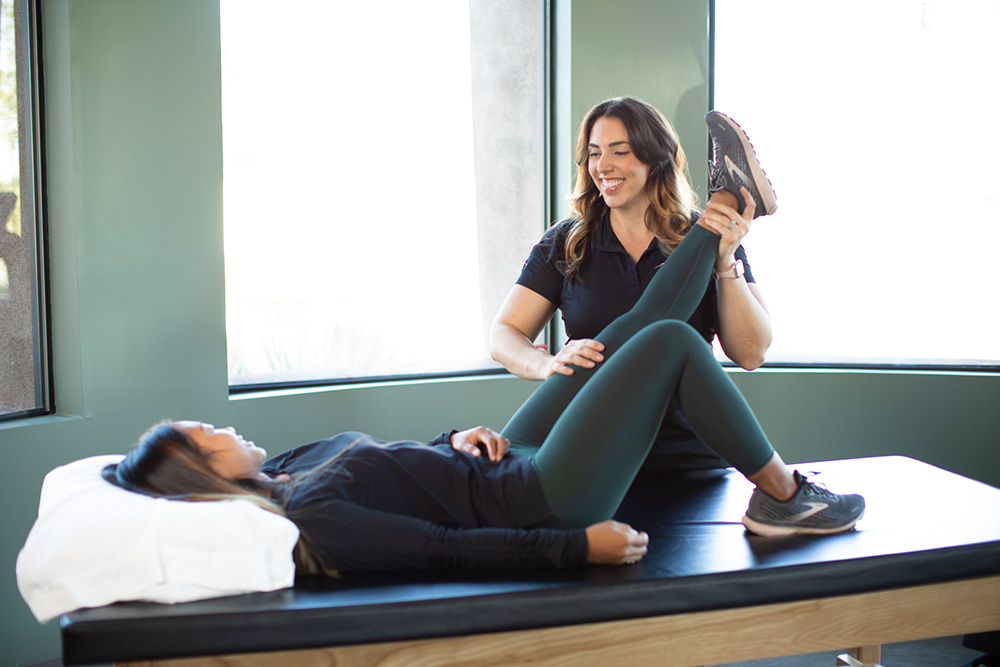
FH Blog DirectAccess

Why you should turn to physical therapy first


Through Mike Basten PT, DPT, MTC

Over the past two decades, more and more states have provided patients with pain with direct access to physical therapy without a physician referral. Although the state of Arizona has offered this type of access for several years, insurance companies have only recently begun paying for physical therapy without a doctor’s referral. Direct access is just one of many reasons why you should look into physical therapy first. There are many more.

There is increasing data showing that seeing a physical therapist first can reduce costs and improve the overall outcome of injury rehabilitation. The American Physical Therapy Association (APTA) just published a groundbreaking study: ‘The economic value of physical therapy in the United States,’ confirming that physical therapy (PT) can help Americans live better lives while saving the healthcare system millions of dollars annually.

Historically, the process from injury to recovery has involved seeing a doctor, trying medications, receiving diagnostic imaging, resting, and hoping for a resolution. If the problem was not resolved, the next step was to try physical therapy and perhaps some type of medical intervention such as injections or surgery. However, due to the rising costs of medical care, insurance companies and patients have started looking for methods to reduce the costs of rehabilitation. One of these methods is to first try PT for musculoskeletal problems.

Top three reasons to seek PT for pain first

1. Reduce or eliminate pain without drugs or opioids.

Physiotherapy offers the opportunity to reduce or eliminate pain through specific therapeutic exercises and hands-on manual therapy techniques. Additional treatments such as ultrasound, electrical stimulation, and taping techniques can also reduce pain during recovery.

Physiotherapy has come a long way in the past 20 to 25 years, as have the patients it helps. Due to costs and other factors, the goal now is to solve the problem as quickly as possible with as little use of health care as possible. PT allows the therapist to treat the cause of the pain early and begin rehabilitation by restoring the correct mechanisms that may be causing the pain.

A 2018 study analyzed 200,000 commercial and Medicare Advantage insurance beneficiaries seeking treatment for low back pain. It found that those who were initially referred by a physical therapist, chiropractor, or acupuncturist, compared to those who had an index visit by a primary care provider, reduced the likelihood of early opioid use by 85%-91% and long-term opioid use by 73% reduced. %-78%.

Physical therapy can provide a pain management alternative to opioid use.

2. Savings on diagnostics

Being able to go straight to physiotherapy is cost-effective. For example, a patient avoids paying to see a doctor for a referral, and the doctor may order expensive diagnostic tests before determining that PT is the appropriate treatment method. A qualified therapist will work to avoid unnecessary diagnostics during your recovery, which can increase out-of-pocket costs and affect your long-term well-being. They will also work with your doctor to explore pre-surgery, post-surgery, and non-surgery options for a full recovery.

If physical therapy can address the reasons contributing to the pain, in many cases you can avoid surgery altogether. If you do need surgery, preoperative physical therapy can improve mobility and strength and help you get into better shape, allowing you to recover from surgery faster and with better results more easily with postoperative physical therapy.

When we look at patients who went to physical therapy first, there was an average savings of over $250 in one study and over $1,000 in another. Overall, there were significant savings across the board with less imaging, less medication, and even less treatment.
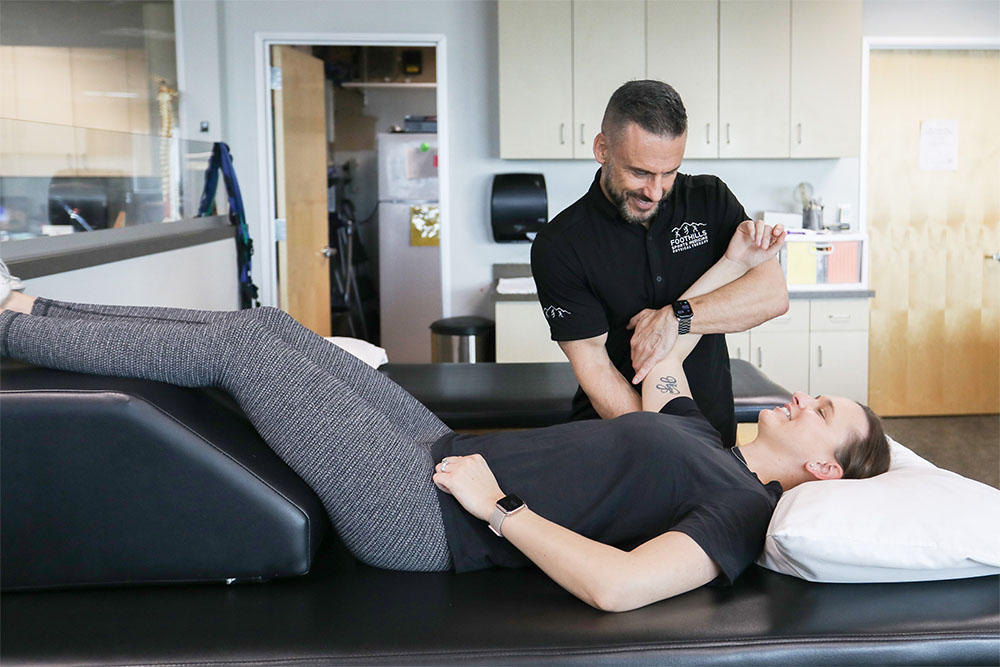
FH Injury Prevention Blog 1 1

3. Improve mobility.

If you have difficulty standing, walking, or with transitions, such as moving from a sitting to a standing position, exercises to improve flexibility and strength can improve your ability to move more easily, making daily activities more enjoyable. Physical therapists can help you identify areas where you’re not moving correctly, predisposing you to future injuries, and correcting those movements to keep you injury-free. A PT can also instruct and fit you for an assistive device such as a cane, crutches, or other aids designed to improve your mobility.

PTs are also trained to recognize when physical therapy is needed not the correct or best first course of action and can point patients in the best direction. The physician-PT team is still the standard in treating musculoskeletal problems and guiding people with pain to a full recovery.

The search for full recovery is a journey without shortcuts and without a finish line. A journey that will lead to astonishing and satisfying results. At Foothills Sports Medicine Physical Therapy, our therapists embrace the journey. We take you, your pain and your full recovery seriously and do not believe that a good enough recovery is good enough. We strive to do everything we can to help you regain your full, healthy life.

If you have questions about immediate access to physical therapy, contact the Foothills Sports Medicine Physical Therapy clinic nearest you and schedule a free pain assessment.

Source link

Similar Posts

  • Sudden Knee Pain Without Injury: Causes And Tips

    Many individuals experience sudden knee pain without a clear cause or injury. While certain knee pain may be the result of a twist, strain, or sprain, there are instances where pain arises without any apparent trauma. In this article, we will explore the common causes of knee pain without injury and provide helpful tips for…

  • Ethical Fashion And Beauty Aids for Knee Pain

    Are you tired of suffering from knee pain and looking for a more sustainable and ethical approach to find relief? Look no further! In this article, we will explore the world of ethical fashion and beauty products that can aid in managing knee pain. From eco-friendly knee pain relief products to natural remedies, we will…

  • Knee Warm to Touch Causes (2026): When Hot Knee Pain Needs Urgent Care

    Knee warm to touch causes can range from a flare-up of knee pain to emergencies like joint infection or a blood clot, and in 2026 we want you to recognize the difference early. Did you know that the estimated incidence of septic arthritis is 2–6 cases per 100,000 people, and a hot, tender knee can…

  • |

    Best knee massager (Nooro, Comfier)

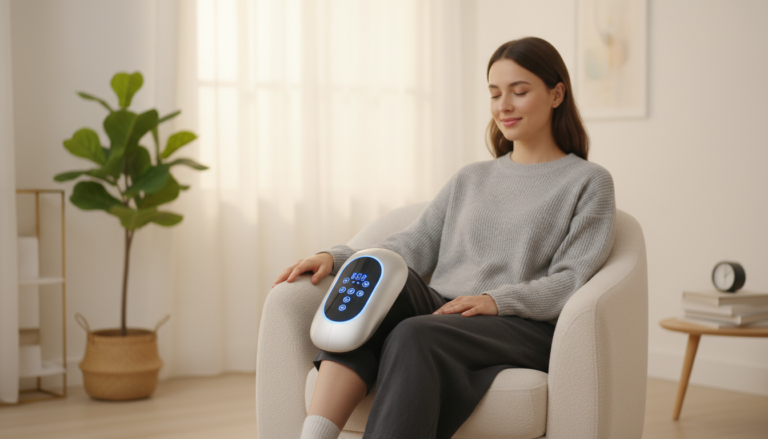
    What if the key to managing daily discomfort wasn’t another pill, but a device you could use at home? Joint issues are incredibly common. Millions of Americans, from active athletes to aging adults, deal with this challenge every day. For many, it’s a barrier to an active and fulfilling life. The search for non-invasive, drug-free solutions is more urgent than ever. This has fueled rapid growth in home-based therapeutic technology. People want effective tools that fit into their daily routine. We created this guide to cut through the noise. Our goal is to help you find a supportive device that addresses your specific situation. Whether it’s chronic arthritis or post-operative recovery, the right technology can make a significant difference. knee pain relief device Key Takeaways Knee discomfort is a widespread issue affecting a diverse group, including seniors and sports enthusiasts. There is a strong and growing demand for at-home, non-pharmaceutical solutions for joint health. Modern therapeutic devices are designed to provide targeted support for various types of joint-related challenges. Choosing the correct tool requires understanding your individual needs and recovery goals. This analysis offers an objective look at popular models to help you make a confident, informed decision. Overview of the Nooro Knee Massager and Its Features Imagine a compact, therapeutic tool that wraps around your joint, delivering soothing relief exactly where you need it. This unit is engineered for those dealing with stiffness, soreness, or circulation challenges. Its lightweight and portable design makes it simple to use at home or on the go. The product combines three distinct modalities—heat, red light, and vibration—in one integrated system. “Having multiple therapies in a single, easy-to-use device transforms daily joint care from a chore into a simple routine.” Users appreciate the adjustable straps that secure the unit for a customized fit. An intuitive LED touchscreen provides clear control over various intensity levels. This focus on personalized settings allows individuals to tailor each session to their specific comfort and therapeutic needs. Safety and convenience are paramount, with a built-in rechargeable battery and an automatic shutoff timer. Attribute Description Therapy Modes Heat, Red Light, Vibration Control Interface LED Touchscreen Power Source Rechargeable Lithium Battery Safety Feature Automatic Timer Shutoff Portability Lightweight, Adjustable Straps This device designed for home use addresses a wide range of discomforts. Its thoughtful features promote consistent use for managing joint health. Understanding the Technology Behind the Massager Understanding how a therapeutic device works can help users maximize its benefits for joint health. This unit combines three distinct modalities into one seamless system. Each technology targets a different aspect of discomfort. Together, they create a comprehensive approach to relief. Red Light and Infrared Technology Benefits This therapy uses both red and near-infrared light. It penetrates the skin to stimulate cellular repair at a deep level. The process helps reduce inflammation and supports overall joint health. It’s a non-invasive way to encourage the body’s natural healing. Heat Therapy and Vibration Mechanisms Heat therapy provides deep, soothing warmth to the area. It relaxes tight muscles and improves local blood flow. The vibration function targets the surrounding muscle tissue. It helps relieve tension and reduce feelings of stiffness. “The combination of heat, light, and vibration addresses discomfort from multiple angles, which is far more effective than any single method alone.” Therapy Type Primary Benefit Key Mechanism Red Light & Infrared Reduces Inflammation Stimulates Cellular Repair Heat Therapy Improves Circulation Provides Deep Muscular Warmth Vibration Massage Relieves Muscle Tension Targets Surrounding Tissue…

2 Comments

Leave a Reply

Your email address will not be published. Required fields are marked *