Knee feels tight but not swollen: What it can mean in 2026 and when to get help
Knee feels tight but not swollen is a common complaint, especially in 2026 as more people track comfort and mobility during everyday movement. Did you know that higher “dynamic knee stiffness” was linked to a higher risk of developing clinical knee osteoarthritis over 24 months (adjusted OR around 1.38–1.41)?
Key Takeaways
| What you notice | Most likely meaning | What we recommend |
|---|---|---|
| Knee feels tight but not swollen | Stiffness from joint mechanics, cartilage irritation, or tendon/ligament guarding | Track triggers (walking, stairs, sitting), then start targeted mobility |
| Knee pain after sitting | “After-rest” stiffness patterns that can show up even without visible swelling | Learn common knee pain patterns |
| Knee hurt with bending/straightening | Mechanical irritation from structures behind the knee, kneecap tracking, or meniscus load | See causes of posterior knee pain |
| Recent injury, instability, or “giving way” | Ligament or meniscus involvement that may feel tight before swelling appears | Read about torn meniscus symptoms |
| New tightness with reduced motion | Range-of-motion limits can drive ongoing knee pain | Measure range of motion at home |
- Knee hurt can feel like tightness even when swelling is absent, especially when the knee is “guarded” after irritation.
- Stiffness that changes with activity can point to patellofemoral irritation, mild osteoarthritis flare, or tendon overload.
- New instability after an accident or twisting injury deserves timely assessment for ligament and meniscus issues.
- Braces may help some people reduce knee pain by improving support and movement tolerance.
- If tightness is paired with locking, fever, redness, or inability to bear weight, we recommend urgent medical evaluation.
Why “tight but not swollen” still counts as knee pain
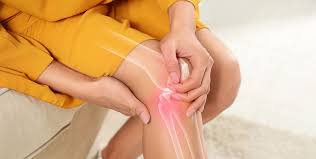
When knee feels tight but not swollen, the sensation often comes from structures inside and around the joint that can become irritable without obvious visible swelling. In daily life, we often notice it first as a “range feels restricted” feeling, then later as knee pain with specific movements.
Our joints rely on smooth cartilage gliding and coordinated mechanics between the kneecap, femur, tibia, and the tissues that guide them. When mechanics become less efficient, the knee may start to feel tight as the body protects the joint, even if swelling is not present.
In 2026, many people also notice patterns sooner because they pay attention to activity details, like how stairs feel, how the knee responds after sitting, or how walking downhill changes the load. That pattern recognition is useful, but it should still be paired with safety awareness when symptoms are new or worsening.
Common causes of knee feels tight but not swollen
Not all knee pain presents with swelling. With knee feels tight but not swollen, we usually look for causes that can create irritation, stiffness, or joint “guarding” without a visible effusion.
1) Patellofemoral irritation and chondromalacia patella
Many people describe tightness around the front of the knee, especially when bending, climbing stairs, or after sitting. Chondromalacia patella involves wear or irritation of the cartilage under the kneecap, and it can contribute to a feeling of limited glide even when swelling is minimal.
If this feels like your pattern, you can explore chondromalacia patella knee guidance and chondromalacia patella natural treatment approaches for exercise-based care.

2) Meniscus strain or tear
A meniscus issue can cause knee hurt with twisting, squatting, or deep bending, and some people notice tightness before swelling appears. If you have catching, clicking, or a sense that the knee is not moving smoothly, it is worth reading about torn meniscus symptoms and rehab.
3) Ligament irritation after a twist or impact
Ligaments guide stability, and when they are irritated, the body may brace the joint. That can feel like knee feels tight but not swollen, particularly after a twisting injury, a slip, or a sudden change in direction.
For background, review ligament knee injury overview, and if your history includes a specific mechanism, also consider PCL injury details or ACL injury knee brace guidance.
4) Stiffness after rest, sitting, or reduced movement
Some knee pain is more obvious after sitting. When you stand up, the joint may feel tight, then loosen as you warm up. This “after sitting” pattern is commonly addressed in our comprehensive knee pain guide and more specifically in knee pain resources.
How to tell if your tightness is a mechanical pattern or a red flag
We recommend sorting your symptoms by what they do with movement and time. A mechanical pattern often changes with activity, improves with warm-up, and is reproducible with certain positions.
In contrast, some warning signs suggest something more urgent than simple stiffness.
Mechanical patterns often look like this
- Knee feels tight but not swollen when you bend, straighten fully, or load it through stairs.
- Knee hurt after sitting, then it eases with light walking.
- Symptoms are affected by posture or technique, like how you descend stairs or walk downhill.
- There is no major change in skin color, no fever, and no sudden loss of function.
Red flags we don’t ignore
- You cannot bear weight or the knee feels unstable or “gives way” suddenly.
- You notice true locking (the knee gets stuck and won’t move) or severe catching with pain.
- Your knee looks red, feels hot, or you have fever, especially with worsening knee pain.
- There is rapid swelling that appears shortly after injury.
- You have numbness, severe bruising, or pain that is escalating quickly.
When these appear, we encourage seeking medical care promptly. Even if your knee is not swollen right now, early evaluation matters in 2026 because earlier care can improve outcomes.
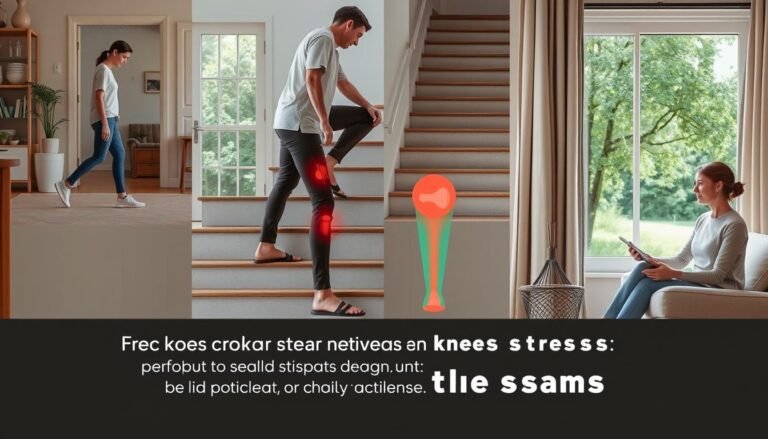
Movement triggers: stairs, sitting, walking downhill, and yoga
The most helpful detail you can provide for knee feels tight but not swollen is the trigger. People often land on a few repeat situations, and those situations map to different structures being loaded.
Stairs and hills often reveal patellofemoral and tendon load
Walking down stairs or downhill usually increases stress on the front and surrounding structures of the knee. If knee pain shows up mainly on descent, our guidance focuses on load management and strengthening.
- For stair-specific patterns, see knee pain walking down stairs, not up.
- For downhill hiking patterns, review knee pain after hiking downhill.
Sitting-related stiffness can be a “wake up” issue
If your knee hurt is worst after sitting and improves after a few minutes of movement, the issue may relate to stiffness and lubrication changes that occur when you’re still.
We discuss practical knee pain after sitting strategies in knee pain after sitting: solutions for stiffness.
Yoga and deep positions can reveal alignment sensitivity
Yoga is often helpful, but certain deep knee positions or technique errors can aggravate cartilage or tendon irritation. If your knee feels tight but not swollen after yoga, read knee hurts after yoga for alignment and modification ideas.
Self-care you can start now for knee feels tight but not swollen
Self-care should aim to reduce protective guarding, improve range, and keep your activity level consistent. If your symptoms are mild and there are no red flags, these steps are a reasonable starting point in 2026.
1) Warm up before you load the knee
Start with gentle movement for 5 to 10 minutes. Think easy walking, light cycling with minimal resistance, or range-of-motion movement without pushing into sharp knee pain.
2) Use the “pain rule” for every exercise
- During movement, stay around a tolerable discomfort range.
- Afterward, your knee pain should settle, not escalate.
- If tightness spikes and lasts into the next day, scale the plan back.
3) Try simple mobility and range checks
We recommend measuring your range so you can tell whether your efforts help. Use how to measure the range of motion of your knee at home and compare week to week.
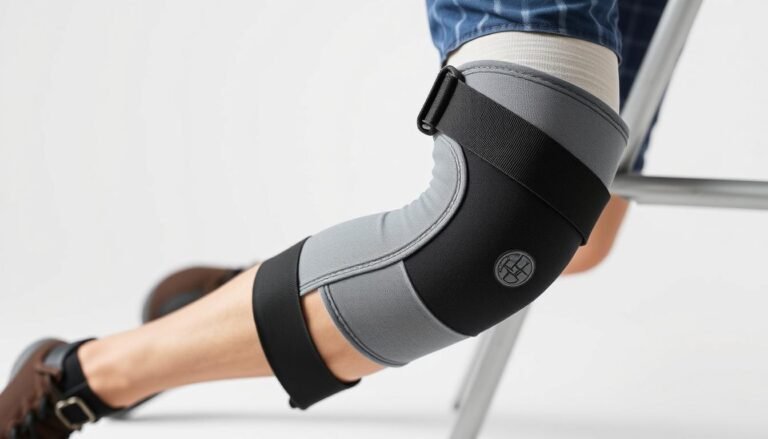
4) Consider targeted brace support (when appropriate)
Some people find that a brace helps them tolerate movement, especially if they have a history of ligament injury or unstable mechanics. For background on brace roles, see knee brace uses for support and relief.
We also link ligament-specific brace context in pages like ACL injury knee brace guidance and PCL injury information.
When tightness suggests a specific injury: ACL, PCL, meniscus, and trauma
Sometimes knee feels tight but not swollen is the first noticeable sign after an injury. In 2026, more people are active earlier in the year, so we see repeat questions about how long tightness should linger after a twist, landing, or sudden pivot.
ACL-related patterns
If you felt a pop, had immediate instability, or noticed the knee feels less reliable, tightness can be part of that picture. We cover ACL injury context and brace options in anterior cruciate ligament (ACL) injury knee brace guidance.
PCL-related patterns
PCL injury can create discomfort and altered mechanics, sometimes felt during specific movements or after activity. For details, see posterior cruciate ligament (PCL) knee injury.
Meniscus tear patterns
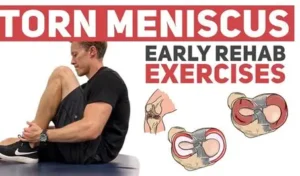
Meniscus irritation often shows as tightness plus mechanical symptoms like clicking or catching. If your knee feels “stiff and stuck” during bending, torn meniscus guidance helps connect symptoms to rehab.
Traumatic knee patterns
If your tightness started after a clear impact, fall, or sudden twist, it can be part of broader traumatic knee issues. We explain common mechanisms in traumatic knee and encourage evaluation when symptoms persist.
Posterior knee pain and extension-related tightness
Some people feel tightness primarily at full extension, or only behind the knee. That pattern can involve mechanical structures like ligaments or the meniscus area. Explore knee hurts when fully extended but not bent and back of knee pain only when fully extended.
When to see a clinician for knee pain that stays tight
If your knee feels tight but not swollen lasts more than a few weeks, keeps returning, or limits your daily activity, we recommend professional evaluation. Even without swelling, persistent knee pain can reflect cartilage irritation, biomechanical overload, or an injury that needs a structured plan.
We especially advise checking in sooner if you have:
- Ongoing knee hurt that reduces your walking tolerance, stair tolerance, or sleep.
- Mechanical symptoms like locking or repeated catching.
- New instability, a noticeable change in alignment, or a history of ligament injury.
- Night pain that does not respond to rest.
Clinicians can assess range, strength, gait, and specific ligament or meniscus tests. They can also help rule out inflammatory conditions that might not look swollen early.
Conclusion
Knee feels tight but not swollen does not mean the problem is minor. Tightness is often a sign of stiffness, irritation, or protective mechanics that can drive knee pain even when you do not see swelling, especially with patterns like after sitting, on stairs, or during bending and extension.
In 2026, we recommend that you track your triggers, start gentle mobility and appropriate loading, and seek care if red flags appear or if your symptoms persist. With a clear plan, most people can reduce knee hurt and restore better function in the knee.
Frequently Asked Questions
Why does my knee feels tight but not swollen after sitting?
After-sitting tightness is common because your joint and surrounding tissues lose normal movement quality when you’re still. With knee feels tight but not swollen, the stiffness may ease as you warm up, and that pattern can still fit knee pain caused by mechanics or cartilage irritation.
Is knee pain when fully extended but not bent a sign of injury?
It can be. When knee feels tight but not swollen shows up mainly at full extension, it may relate to posterior mechanical irritation, meniscus involvement, or ligament strain patterns, even without swelling.
Can chondromalacia patella cause knee feels tight but not swollen?
Yes. Chondromalacia patella commonly causes stiffness and discomfort around the front of the knee, and swelling may be absent early on. If your knee pain worsens with bending or stairs, this is a useful condition to consider.
How long should knee pain stay tight before I get it checked in 2026?
If knee feels tight but not swollen persists for several weeks, keeps recurring, or limits daily activities, it’s reasonable to get evaluated. Persistent knee pain often benefits from a structured plan that targets the real mechanical cause.
Does a knee brace help when my knee feels tight but not swollen?
A brace can help some people tolerate movement and reduce knee hurt by improving support. It is not a cure, but with the right fit and appropriate use it can improve your ability to perform mobility and strength work safely.
Could a meniscus tear start as knee feels tight but not swollen?
It can. Meniscus-related knee pain may begin as tightness plus mechanical symptoms like clicking or catching before swelling becomes obvious. If you suspect a torn meniscus, reviewing torn meniscus guidance is a good next step.